Bathroom Remodel Cost 2026: $1,500–$35,000 by Scope
Bathroom remodel costs $1,500–$5,000 for a cosmetic refresh, $6,000–$16,000 for a mid-range update, and $16,000–$35,000+ for a full gut renovation. Breakdown by fixture, labor, and scope.
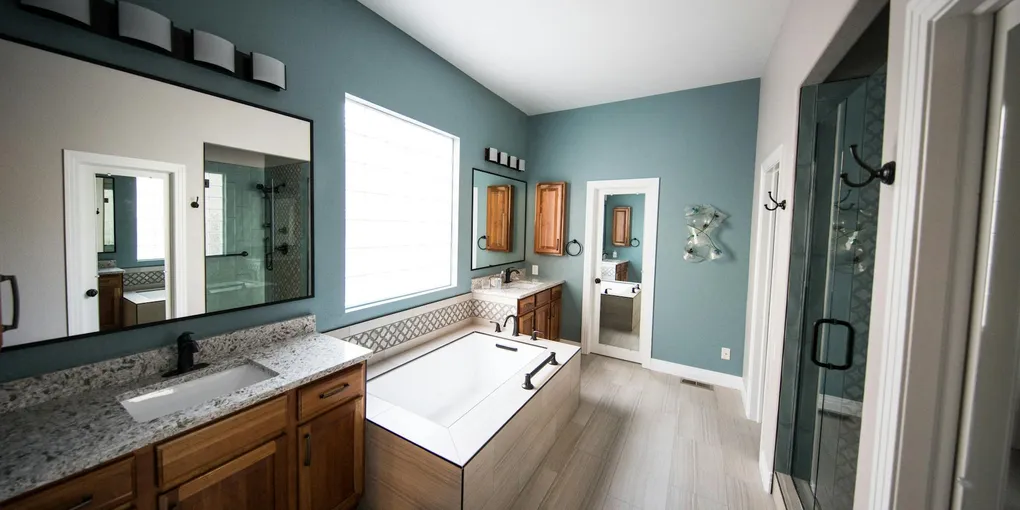
A bathroom remodel costs between $1,500 and $35,000 depending on scope. A cosmetic refresh runs $1,500-5,000, a mid-range remodel costs $6,000-16,000, and a full gut renovation ranges from $16,000-35,000+. Labor accounts for 40-60% of mid-range projects. Keeping the existing layout and doing demo yourself are the best ways to save.
Frequently Asked Questions
How much does a basic bathroom remodel cost?
A basic cosmetic refresh costs $1,500-5,000, covering new paint, a replacement vanity and faucet, updated mirror and lighting, and new hardware. DIYing the work can cut costs by 50-70%.
Is a bathroom remodel worth the investment?
Yes. A mid-range bathroom remodel recoups about 60-70% of its cost at resale. A minor cosmetic refresh can recoup up to 100% because the investment is lower and the visual impact is high.
How long does a bathroom remodel take?
A cosmetic refresh takes 1-2 weekends DIY or 2-3 days hired out. A mid-range remodel takes 3-6 weeks DIY or 1-3 weeks with contractors. Full gut renovations take 3-6 weeks with professionals.
What is the most expensive part of a bathroom remodel?
The shower or tub area is usually the single biggest expense, ranging from $600 for a basic surround to $8,000+ for custom tile work with a frameless glass door. Moving plumbing is the biggest cost driver overall.
How can I save money on a bathroom remodel?
Do the demolition yourself, keep the existing plumbing layout, refinish the tub instead of replacing it, shop clearance for vanities and fixtures, and splurge only on items you touch daily like faucets and showerheads.
Do I need a permit for a bathroom remodel?
It depends on scope. Cosmetic changes (vanity swap, tile re-do, paint) generally don't require a permit. Moving plumbing — relocating a toilet, shower, or sink to a different position — requires a plumbing permit in virtually every jurisdiction. Adding a bathroom or reconfiguring the electrical (new circuits, adding GFCI outlets, adding a fan) also requires permits. Unpermitted plumbing work can cause problems with homeowners insurance and home sales. Check with your local building department when in doubt.
What is the average ROI on a bathroom remodel?
A mid-range bathroom remodel recoups 60–70% of its cost at resale according to the annual Remodeling Cost vs. Value report. A minor cosmetic refresh can recoup 80–100% because the investment is lower. Upscale master bathroom remodels (custom tile, high-end fixtures, freestanding tub) typically recoup only 40–55% — the luxury materials cost more than buyers will pay extra for in most markets.
How much does it cost to remodel a small bathroom (under 50 sq ft) in 2026?
A small bathroom remodel (40–50 sq ft, typical of a hall bath or powder room) costs $2,000–$8,000 depending on scope: Cosmetic refresh (paint, vanity, faucet, lighting, mirror): $1,500–$3,500. Mid-range update (new tile floor, new vanity and toilet, updated shower surround): $4,000–$8,000. Full gut remodel (all new: tile, plumbing fixtures, vanity, shower/tub, electrical): $7,000–$15,000. Small bathrooms cost less in absolute dollars but more per square foot — labor rates don't scale linearly with room size, and a plumber charges roughly the same to swap a toilet in a small bathroom as a large one. Where to save: (1) Replace the vanity top without replacing the cabinet base ($150–$400 vs. $500–$1,500 for a full vanity). (2) Refinish the tub instead of replacing it ($300–$600 vs. $1,500–$5,000 for a replacement). (3) Use peel-and-stick vinyl floor tiles ($1–$3/sq ft) instead of ceramic tile and grout. (4) Skip moving plumbing — keeping the toilet, shower, and sink in their current positions is the single biggest cost saver in any bathroom project.
What does a master bathroom remodel cost in 2026?
A master bathroom remodel costs $10,000–$40,000+ depending on size and scope: Basic master bath update (new vanity, fixtures, flooring, and paint in an existing layout): $8,000–$15,000. Mid-range master bath remodel (dual vanity, tile shower upgrade, new flooring, updated lighting): $15,000–$25,000. Upscale master suite renovation (custom tile walk-in shower, freestanding tub, heated floors, double vanity with stone countertops): $25,000–$50,000+. Cost breakdown for a $20,000 mid-range master bath: demo and disposal ($1,000–$2,000), plumbing labor ($2,000–$4,000), tile and flooring installation ($2,500–$5,000), vanity and countertop ($1,500–$4,000), shower enclosure/glass ($1,500–$3,500), electrical and lighting ($1,000–$2,000), tile materials ($1,500–$3,000), fixtures and accessories ($1,000–$2,500). National Cost vs. Value report: upscale master bath remodels average $70,000+ and recoup about 38–55% at resale — the high-end finishes rarely translate to proportional sale price increases except in luxury markets.
A bathroom remodel costs between $1,500 and $35,000 depending on scope. A cosmetic refresh runs $1,500-5,000, a mid-range remodel costs $6,000-16,000, and a full gut renovation ranges from $16,000-35,000+.
A bathroom remodel is one of the highest-ROI home improvements you can make. The national average sits between $6,600 and $16,500, but your actual cost depends heavily on scope, materials, and whether you DIY any of the work.
This guide breaks down every line item so you can build a realistic budget before you swing a single hammer.
Average Costs by Project Size
Small Refresh ($1,500–$5,000)
A cosmetic update without moving plumbing or changing the layout. This is the sweet spot for DIYers.
Typical scope:
- New paint ($30–80)
- Replace vanity and faucet ($200–800)
- New mirror and lighting ($100–400)
- Re-caulk tub and shower ($10–20)
- New hardware, towel bars, accessories ($50–150)
- Replace toilet seat ($20–50)
Total materials: $400–$1,500 Labor if hired: $800–$3,000 Best for: Rentals, quick flips, or bathrooms that are functional but dated.
Mid-Range Remodel ($6,000–$16,000)
The most common bathroom remodel. New fixtures, updated tile, and possibly a new tub or shower surround.
Typical scope:
- Demo and haul-away ($500–$1,500)
- New tile floor ($800–$2,500 installed)
- New tub or shower surround ($600–$3,000)
- New vanity with countertop ($400–$2,000)
- New toilet ($200–$600)
- Updated plumbing fixtures ($200–$800)
- Lighting and electrical ($300–$1,000)
- Paint and trim ($100–$300)
- New exhaust fan ($150–$400)
Total materials: $3,000–$8,000 Labor: $3,000–$8,000 Best for: Primary bathrooms and homes you plan to live in for 5+ years.
High-End Renovation ($16,000–$35,000+)
Full gut renovation with layout changes, custom tile work, and premium fixtures.
Typical scope:
- Full demo to studs ($1,000–$3,000)
- Move plumbing ($1,500–$4,000)
- Custom tile shower with niche ($2,000–$6,000)
- Heated tile floor ($1,500–$3,500)
- Double vanity with stone countertop ($1,500–$5,000)
- Frameless glass shower door ($800–$2,500)
- Custom lighting plan ($500–$2,000)
- Premium toilet (bidet seat, wall-mounted) ($500–$2,500)
- New drywall, waterproofing, paint ($500–$1,500)
Total materials: $8,000–$20,000 Labor: $8,000–$15,000 Best for: Master bathrooms, aging-in-place modifications, or pre-sale upgrades on high-value homes.
Cost Breakdown by Category
Flooring ($500–$3,500)
| Material | Cost per sq ft (installed) | Pros | Cons |
|---|---|---|---|
| Vinyl plank (LVP) | $3–$7 | Waterproof, DIY-friendly, warm underfoot | Can look cheap in high-end settings |
| Ceramic tile | $5–$10 | Durable, classic, wide design range | Cold, needs proper waterproofing |
| Porcelain tile | $7–$15 | Extremely durable, low maintenance | Harder to cut, heavier |
| Natural stone | $10–$25 | Premium look | Requires sealing, expensive |
| Heated floor add-on | +$5–$12/sq ft | Luxury feel, eliminates cold tile | Electrical work required |
For a 50 sq ft bathroom, expect $250–$750 for materials alone. Most homeowners choose ceramic or porcelain tile for the best balance of durability and cost.
Vanity and Countertop ($300–$5,000)
Stock vanities from big-box stores run $200–$800 and work well for most bathrooms. A 36-inch single vanity with a cultured marble top is the most popular choice at around $400–$600.
Semi-custom vanities ($800–$2,000) give you more size and finish options. Fully custom pieces with stone countertops start at $2,000 and go up quickly.
DIY savings tip: Installing a vanity yourself saves $200–$500 in labor. It requires basic plumbing (connecting supply lines and a P-trap) and is manageable for most homeowners.
Shower and Tub ($600–$8,000)
The shower or tub is usually the biggest single expense.
- Acrylic tub surround kit: $300–$800 (easiest DIY install)
- Standard alcove tub: $200–$600 (requires some plumbing)
- Tiled shower: $1,500–$6,000 (custom tile work is labor-intensive)
- Prefab shower stall: $400–$2,000
- Freestanding tub: $500–$3,000+
- Frameless glass door: $800–$2,500
If your existing tub is in good structural shape but looks worn, consider refinishing it for $300–$600 instead of replacing it. This saves thousands and takes one day.
Toilet ($200–$600)
A quality two-piece toilet costs $200–$400. One-piece models run $300–$600. Wall-mounted toilets look sleek but require a carrier system ($800–$2,000 installed).
Stick with a comfort-height, elongated-bowl, WaterSense-certified model. The Toto Drake and American Standard Champion are consistently top-rated at the $250–$400 price point.
DIY savings: Toilet installation is one of the easiest plumbing jobs. Budget 1–2 hours and save $150–$300 in labor.
Plumbing ($200–$4,000)
If you keep fixtures in their current locations, plumbing costs stay low — just swapping faucets and connecting new fixtures ($200–$800).
Moving a toilet, shower, or sink to a new location involves rerouting drain and supply lines. This is where costs spike: $1,500–$4,000 depending on complexity and what is behind your walls.
Electrical and Lighting ($200–$2,000)
- Replace existing light fixtures: $100–$400
- Add a new circuit for outlets: $200–$500
- Install GFCI outlets (required in bathrooms): $100–$200
- Upgrade exhaust fan: $150–$400
- Add recessed lighting: $400–$1,200
All bathroom electrical work must meet code. If you are adding new circuits or moving wiring, hire a licensed electrician.
Labor ($3,000–$12,000)
Labor typically accounts for 40–60% of a mid-range remodel. Rates vary by region.
| Trade | Hourly Rate | Typical Hours |
|---|---|---|
| General contractor | $50–$100 | Manages whole project |
| Plumber | $75–$130 | 4–16 hours |
| Electrician | $75–$120 | 2–8 hours |
| Tile setter | $50–$100 | 8–24 hours |
| Painter | $40–$70 | 4–8 hours |
GC markup: A general contractor typically adds 15–25% on top of subcontractor costs for project management. You can save this by hiring subs directly, but you take on scheduling and coordination.
How to Save Money on a Bathroom Remodel
Do the demo yourself
Demolition is simple but time-consuming. Renting a dumpster ($300–$500) and doing your own demo saves $500–$1,500 in labor.
Keep the existing layout
The moment you move a toilet or shower, plumbing costs jump by $1,500+. If the current layout works, keep it.
Refinish instead of replace
Tub refinishing ($300–$600) vs. replacement ($1,000–$3,000). Cabinet painting vs. new vanity. Reglazing tile vs. re-tiling.
Shop clearance and scratch-and-dent
Big-box stores discount floor models and slightly damaged items by 30–50%. A small scratch on the side of a vanity that goes against a wall does not matter.
Splurge where it matters
Put your budget into things you touch and see daily: the faucet, showerhead, and lighting. Go budget on things hidden behind walls.
Timeline
| Project Size | DIY Timeline | Hired Out |
|---|---|---|
| Cosmetic refresh | 1–2 weekends | 2–3 days |
| Mid-range remodel | 3–6 weeks | 1–3 weeks |
| Full gut renovation | Not recommended DIY | 3–6 weeks |
The biggest timeline risk is tile work and custom orders. Order materials 2–3 weeks before your start date.
ROI: Is a Bathroom Remodel Worth It?
According to remodeling industry data, a mid-range bathroom remodel recoups about 60–70% of its cost at resale. A minor refresh recoups even more — up to 100% — because the investment is lower and the visual impact is high.
Beyond resale value, a bathroom you enjoy using every day has real quality-of-life value that numbers cannot capture.
Bottom Line
| Scope | Total Cost | DIY Savings Possible |
|---|---|---|
| Cosmetic refresh | $1,500–$5,000 | 50–70% |
| Mid-range remodel | $6,000–$16,000 | 20–40% |
| Full renovation | $16,000–$35,000+ | 10–20% |
Start with a clear budget. Know which tasks you can DIY (demo, painting, vanity install, toilet swap) and which need a pro (plumbing moves, electrical, waterproofing). Get three quotes for any work over $2,000. And always keep a 15% contingency buffer — bathrooms have a way of revealing surprises once you open up the walls.
Looking for ways to maximize impact on a tight budget? Check out our small bathroom remodel ideas for design strategies that punch above their price tag.
Regional Bathroom Remodel Cost Variations
Bathroom contractor labor rates and fixture pricing vary significantly by market:
| Region | Cosmetic Refresh | Mid-Range Remodel | Full Renovation |
|---|---|---|---|
| Northeast (NY, MA, NJ) | $2,500–$7,000 | $10,000–$25,000 | $25,000–$55,000+ |
| Mid-Atlantic (DC, MD, VA) | $2,200–$6,500 | $9,000–$22,000 | $22,000–$48,000 |
| Southeast (FL, GA, TX) | $1,500–$5,000 | $6,500–$17,000 | $15,000–$38,000 |
| Midwest | $1,600–$5,500 | $7,000–$18,000 | $17,000–$40,000 |
| Pacific (CA, WA, OR) | $2,300–$7,000 | $10,000–$24,000 | $24,000–$52,000+ |
Prices reflect a standard 5×8 ft bathroom. Primary bathrooms (8×10 ft+) or bathrooms requiring plumbing moves add 30–60% to these estimates. Northeast and Pacific markets see the highest labor rates due to licensed plumber and tile setter costs.
Bathroom Contractor and Brand Comparison
| Contractor / Service Type | Typical Cost Range | Best For | Watch For |
|---|---|---|---|
| General contractor (full remodel) | $15,000–$50,000 | Complete gut renovations; single point of contact | GC markup on subcontractors adds 15–25%; confirm who does the tile and plumbing work |
| Design-build remodeler | $20,000–$70,000+ | Upscale renovations with design services | Higher price ceiling; better project management than DIY-subcontracted approach |
| Independent licensed plumber + tile setter | $8,000–$30,000 | Mid-range remodels; better per-trade pricing | Requires more homeowner coordination; confirm each sub is licensed |
| Bath Fitter / Re-Bath (acrylic overlay) | $3,000–$12,000 | Cosmetic refresh over existing tub/shower | Not a full remodel — covers existing surfaces; shorter lifespan than tile |
| Home Depot/Lowe’s installation services | $3,500–$10,000 | Vanity + toilet replacement; simpler scopes | Limited to fixtures; no tile or layout changes; subcontracted installers vary in quality |
| IKEA + independent installer | $4,000–$15,000 | Modern vanity look at lower fixture cost | IKEA fixtures require precise installation; warranty support limited |
Design-build firms offer the most seamless experience for large renovations but charge the highest premiums. For mid-range remodels, hiring a licensed plumber and a separate tile contractor produces the best value while maintaining licensed workmanship.
Questions to Ask Your Bathroom Remodeling Contractor
- Will you be doing the work yourself, or are you subcontracting the plumbing, electrical, and tile? — a general contractor’s markup over direct subcontractors adds 15–25% to labor costs; knowing who actually does the work helps you evaluate quality and accountability, and whether you could hire those same tradespeople directly for a mid-range scope
- Are all plumbing and electrical permits included, and who pulls them? — bathroom remodels involving any drain moves, new electrical circuits, or exhaust fan additions require permits; the contractor should pull permits in their name (not suggest you pull them as homeowner to save money) — this protects you if work causes damage and ensures code inspection
- What is the tile installation scope — will you use a membrane waterproofing system in the shower (Schluter, RedGard, or similar)? — shower tile failures are almost always waterproofing failures, not tile failures; ask specifically what waterproofing system is applied behind the tile in wet areas; a contractor who just uses cement board without a membrane is creating a long-term leak problem
- How do you handle unexpected issues behind the walls — mold, rotten subfloor, or out-of-square framing? — old bathrooms regularly reveal rot, outdated plumbing, or improperly vented drains once opened; ask how additional scope is priced (T&M vs. pre-negotiated rates) and what happens if demolition reveals major water damage that wasn’t visible before work started
- What is the payment schedule, and do you require a deposit before materials are ordered? — a reasonable payment schedule is 10% deposit, 30% at demo completion, 30% at rough-in inspection, 20% at tile completion, 10% at punch list; contractors demanding 50%+ upfront before starting work are a financial risk; never pay the final installment before the punch list is complete
Related Reading
- How to Install a Bathroom Vanity — DIY vanity swap saves $200-500 in labor
- How to Install a Bathroom Exhaust Fan — code-required ventilation
- Tile Flooring Installation Cost — floor tile pricing breakdown
- Toilet Installation Cost — toilet replacement cost by fixture type
- Shower Remodel Cost — tiled shower vs. prefab pricing breakdown
- Faucet Installation Cost — kitchen and bathroom faucet replacement pricing; $150–$400
- How to Replace a Shower Head — cheapest high-impact upgrade
- How to Caulk a Bathtub — fresh caulk transforms a tired tub
- Best Paint for Bathroom Walls — moisture-resistant paint picks
- How to Install a GFCI Outlet — code-required near every bathroom sink and vanity
- How to Fix a Floor Tile That Is Loose — common during and after bathroom remodels
- How to Fix Bathroom Floor Grout — repair cracked or crumbling grout lines during or after a remodel
- How to Remove Popcorn Ceiling — common bathroom ceiling update before a full remodel
- How to Fix a Peeling Bathroom Ceiling — repair flaking or bubbling ceiling paint before or after the remodel
- How to Fix a Broken Bathroom Mirror — replace a cracked or damaged vanity mirror during or after a remodel
- How to Fix a Broken Medicine Cabinet Hinge — repair or replace a medicine cabinet hinge as part of a bathroom refresh
- How to Fix a Broken Medicine Cabinet Door — repair or replace a sagging or misaligned medicine cabinet door
- How to Fix a Broken Shower Head Arm — replace a corroded or stripped shower arm during or after a bathroom refresh
- How to Fix a Broken Shower Door Hinge — repair or replace a broken hinge on a frameless or framed shower door during a bathroom refresh
- How to Fix a Broken Tile Floor — repair or replace cracked floor tiles that often surface during a bathroom remodel
- How to Fix a Broken Bathroom Tile Floor — repair cracked or damaged bathroom floor tiles without a full re-tile
- How to Fix a Broken Toilet Seat — replace a cracked or wobbly toilet seat during or after a bathroom refresh
- How to Fix a Broken Towel Bar — reattach or replace a loose towel bar while bathroom work is underway
- How to Fix a Broken Under Sink Cabinet — repair or reinforce a water-damaged under-sink cabinet during a bathroom remodel
- How to Fix a Cabinet Drawer That Won’t Close — adjust or repair a sticking bathroom vanity drawer without replacing the cabinet
- How to Fix a Bubbling Paint Wall — repair blistering bathroom wall paint caused by moisture before or after a remodel
- How to Fix a Cracked Bathroom Tile — replace a single cracked floor or wall tile without re-tiling the whole bathroom
- How to Fix a Cracked Bathroom Vanity — repair or replace a cracked vanity top or cabinet during or after a bathroom refresh
- How to Fix a Cracked Ceramic Bathroom Tile — repair or swap a single cracked ceramic tile without disturbing surrounding tiles
- How to Fix a Cracked Ceiling Plaster — repair plaster ceiling cracks that often appear in older homes undergoing bathroom renovation
- How to Fix a Cracked Fiberglass Bathtub — repair a fiberglass tub crack before budgeting for a full tub replacement
- How to Fix a Cracked Fiberglass Shower Floor — repair a cracked fiberglass shower pan before it causes subfloor water damage
- How to Fix a Cracked Laundry Room Floor — repair cracked or damaged laundry room flooring using the same tile or vinyl repair techniques
- How to Fix a Cracked Plaster Wall — repair plaster wall cracks common in older bathroom renovations
- How to Fix a Cracked Plywood Subfloor — repair or reinforce a damaged subfloor before laying new bathroom tile
- How to Fix a Cracked Basement Floor — fill concrete cracks in a basement bathroom slab before finishing or tiling the floor
- How to Fix a Cracked Porcelain Sink — repair a chipped or hairline crack in a porcelain bathroom sink before budgeting for a full replacement
- How to Fix a Cracked Toilet Flange — replace a broken toilet flange before a leaking toilet seal causes subfloor damage during a bathroom remodel
- How to Fix a Cracked Toilet Tank — repair or replace a cracked toilet tank lid or body as part of a bathroom refresh
- How to Fix a Damaged Laminate Floor — repair a chipped or water-damaged laminate plank in a bathroom where tile is too expensive to replace fully
- How to Fix a Dripping Showerhead — replace a worn showerhead cartridge or O-ring while updating fixtures during a bathroom remodel
- How to Fix a Dripping Bathtub Spout — repair a dripping tub spout diverter or cartridge as part of a bathroom fixture update or remodel
- Bathroom Addition Cost — add a new full bathroom to your home; $20,000–$90,000
- Bathroom Exhaust Fan Installation Cost — code-required ventilation; $150–$550 professional install
- Bathtub Refinishing Cost — resurface the tub instead of replacing it; $300–$650
- Cabinet Refacing Cost — reface vanity cabinets instead of replacing them; $1,500–$5,000
- Wallpaper Removal Cost — remove old bathroom wallpaper before painting or retiling; $400–$1,200
- Kitchen Cabinet Painting Cost — paint kitchen cabinets while doing a bathroom remodel for whole-home refresh; $1,200–$7,000
Free: 10-Point Home Maintenance Checklist
Prevent costly repairs with this seasonal checklist. Save hundreds every year by catching problems early.
Your checklist is ready!
Open Checklist →Something went wrong. View the checklist here.