How to Fix Bathroom Floor Grout: Regrout Cracked or Missing Lines ($8–$20)
Cracked bathroom floor grout? Use a grout saw or oscillating tool to remove the old grout, brush out debris, then press in pre-mixed grout ($8–$15 a tub). The whole repair takes about 45 minutes plus 24 hours for cure time.
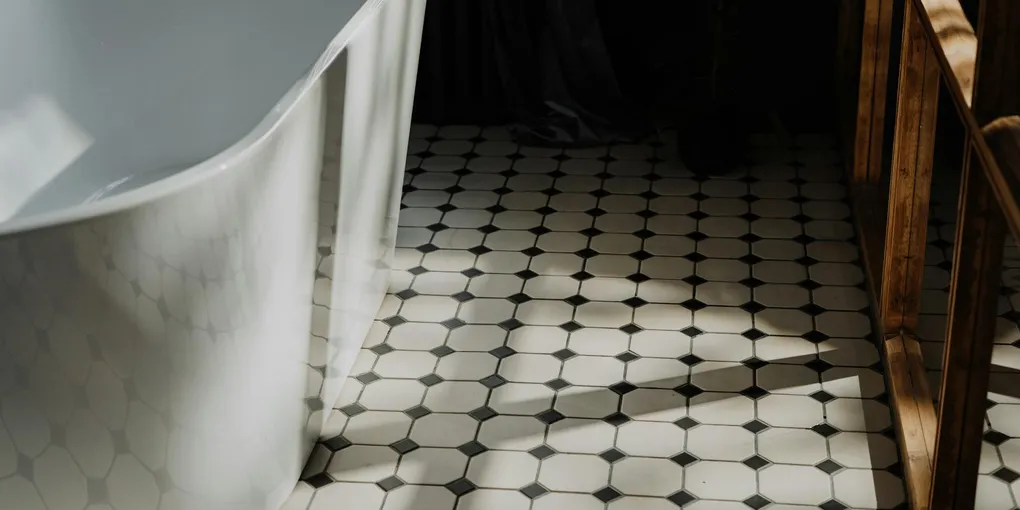
Fixing cracked or crumbling bathroom floor grout: (1) Remove the damaged grout with a grout saw or oscillating tool with a grout removal blade — go about 2/3 of the way down, not all the way to the subfloor. (2) Vacuum out dust and debris. (3) Mix unsanded grout (for joints under 1/8") or sanded grout (for wider joints) to a peanut butter consistency. (4) Apply with a rubber grout float, pressing diagonally into joints. (5) Wipe excess with a damp sponge before it hardens. (6) Let cure 72 hours. (7) Apply penetrating grout sealer — prevents future staining and moisture damage. For a color-matched repair, bring a photo of your existing grout to a tile store; grout color varies significantly between brands and ages.
Frequently Asked Questions
How do I know if bathroom floor grout needs to be replaced?
Look for cracks, crumbling sections, missing grout between tiles, or areas where grout has turned dark and will not clean up with a scrub brush. Soft or spongy grout that compresses when you press it is a sign of water infiltration and should be replaced promptly to prevent subfloor damage.
Can I apply new grout over old grout?
For hairline cracks, you can sometimes apply a thin layer of matching grout or grout pen over the existing grout after cleaning. For larger cracks or missing sections, you must remove the damaged grout first so the new material has enough depth to bond properly. Grout applied over old grout less than 1/8 inch deep will fail quickly.
What type of grout is best for bathroom floors?
Sanded grout is standard for floor joints wider than 1/8 inch because the sand adds strength and prevents shrinkage cracking. For narrow joints, unsanded or epoxy grout is preferred. Epoxy grout is the most durable and stain-resistant option but is harder to work with and more expensive.
How long should I wait before using the bathroom after grouting?
Allow standard cement-based grout to cure for at least 24 hours before light foot traffic, and 72 hours before getting the floor wet. Wait a full 28 days before applying a penetrating sealer, which is the full cure time for cement grout. Epoxy grout cures faster but check the manufacturer specifications.
Do I need to seal bathroom floor grout?
Yes. Cement-based grout is porous and absorbs water and stains without a sealer. Apply a penetrating grout sealer after the grout has fully cured. Reapply every one to two years in wet bathroom environments. Epoxy grout does not require sealing.
Why does my bathroom floor grout keep cracking?
Recurring cracks usually indicate subfloor movement. A subfloor that flexes when walked on will crack the rigid grout joints repeatedly. The fix is to reinforce or repair the subfloor first, then re-grout. Using a grout with more flexibility, such as an epoxy blend, can also help in areas prone to movement.
How do I match the color of existing bathroom floor grout?
Grout color-matching is difficult because grout fades and stains over years. Steps: (1) Clean the existing grout thoroughly before comparing — dirty old grout reads darker than its actual color and will mislead you. (2) Bring a tile or grout chip (pry a tile up from an inconspicuous spot) to a tile supply store with multiple grout brands. (3) Compare the dry color, not the wet color — grout shifts significantly from wet to dry and the dry tone is what you'll live with. (4) If an exact match is unavailable, consider re-grouting the entire floor to a single uniform color, or using a grout colorant that restores all grout joints to a matching tone. Mapei and Custom Building Products offer the widest color ranges and the most reliable batch-to-batch consistency.
What is the difference between grout and caulk for bathroom floors?
Grout fills joints between tiles on flat surfaces. Caulk fills the joint where the floor meets the wall, where the floor meets the tub base, or wherever two different surfaces change plane. Never grout the floor-to-wall corner joint — the floor and wall move at different rates with temperature and humidity changes, and a grouted corner will crack repeatedly. Use 100% silicone caulk, color-matched to the grout, in all corners and transitions. This is the correct technique even in new construction: the field gets grout, the corners and transitions get caulk. If your corner joints are currently grouted and cracking, remove the grout and replace with matching silicone caulk — this is the permanent fix for a recurring corner crack.
Fixing cracked or crumbling bathroom floor grout: (1) Remove the damaged grout with a grout saw or oscillating tool with a grout removal blade — go about 2/3 of the way down, not all the way to the subfloor. (2) Vacuum out dust and debris.
Cracked, stained, or missing bathroom floor grout is both an eyesore and a functional problem. When grout fails, water seeps under tiles, damages the subfloor, and can promote mold growth. The good news is that bathroom floor grout repair is a straightforward DIY project that requires only a few inexpensive tools and materials. This guide covers everything from small patch jobs to re-grouting an entire floor.
Tools and Materials You Will Need
- Grout saw or oscillating tool with grout removal blade
- Grout float
- Grout sponge and bucket
- Shop vacuum
- Matching sanded or unsanded grout
- Grout colorant or dye (for color matching)
- Penetrating grout sealer
- Painter’s tape
- Eye protection and dust mask
- Utility knife
- Stiff grout brush
Grout removal blades for oscillating tools are available on Amazon and make the job much faster than a manual grout saw.
Step 1: Identify All Damaged Grout
Walk the bathroom floor slowly and mark every problem area with painter’s tape. Look for:
- Visible cracks or gaps in the grout joint
- Sections where grout crumbles when you drag a key across it
- Dark or blackened areas that indicate mold under the surface
- Hollow-sounding areas when tapped (indicates water infiltration)
If more than 30 percent of the floor grout is damaged, consider re-grouting the entire floor rather than patching multiple sections.
Step 2: Match the Grout Color
Before buying grout, take a photo of the existing grout and a small chip to your local tile store. Most tile retailers will help you match the color. Alternatively, use a grout color guide or look for the original builder specifications if you know the tile brand.
New grout often appears slightly different when wet and may not match perfectly until cured. Grout colorants can be mixed in to adjust the shade.
Step 3: Remove Damaged Grout
This step requires patience and protection for your eyes.
- Put on safety glasses and a dust mask.
- Use a manual grout saw or an oscillating tool with a grout removal blade to cut out the damaged grout. Work along the center of the joint to avoid nicking tile edges.
- Remove grout to a depth of at least 1/8 inch — ideally closer to 1/4 inch — so the new grout has enough thickness to bond.
- Use a shop vacuum to remove all dust and debris from the joints.
- Wipe the joints with a damp sponge and let the area dry completely.
Do not chip aggressively at the tile edges. A cracked tile is far more expensive to repair than a careful grout job.
Step 4: Mix the Grout
Follow the manufacturer instructions on the grout bag.
- Pour the dry grout into a clean bucket.
- Add water slowly, mixing to a peanut butter consistency. The grout should hold its shape when you press a clump together.
- Let the grout slake (rest) for 5 to 10 minutes, then stir once more. This allows the polymer binders to fully activate.
- Do not add more water after slaking — this weakens the final bond.
Only mix as much as you can apply in 30 minutes.
Step 5: Apply the Grout
- Dampen the tile surface lightly with a sponge — this prevents the dry tile from pulling moisture out of the grout too quickly.
- Scoop grout onto the floor and spread it diagonally across the joints using a rubber grout float held at a 45-degree angle.
- Pack the grout firmly into the joints, working in multiple directions to eliminate voids.
- Scrape excess grout off the tile surface with the flat edge of the float.
Work in sections of about 4 to 6 square feet at a time.
Step 6: Clean the Tile Surface
- Wait 15 to 20 minutes after grouting, until a light haze forms on the tile surface.
- Wring out a grout sponge until it is barely damp and wipe the tiles in a circular motion to remove the grout haze.
- Rinse the sponge frequently in clean water. Change the bucket water often.
- Avoid getting sponge water into the fresh grout joints — keep the sponge barely damp.
- After the first cleaning, wait another 30 minutes and do a second light pass with a damp sponge.
- Polish away any remaining haze with a dry cloth.
Step 7: Let the Grout Cure
Do not walk on the floor for 24 hours. Keep water off the floor for at least 72 hours. The grout will lighten as it dries — this is normal.
After 28 days, apply a penetrating grout sealer using an applicator bottle or brush. Work the sealer into each joint, wipe the tile surface clean, and let dry.
Step 8: Address Recurring Cracks
If the same grout cracks keep reappearing after repair, inspect the subfloor for flex. Stand in place and rock your weight from heel to toe. If the floor moves noticeably, the subfloor may need additional fasteners or a layer of cement board before re-grouting.
Adding an anti-fracture membrane over the subfloor before re-setting tile is the most permanent solution for a flexing floor.
Pro Tips
- Use a grout pen for hairline cracks — it is easier than full removal for minor cosmetic issues.
- Keep leftover grout in a sealed bag in case you need touch-ups after the floor settles.
- Always grout the same day you tile — do not wait days between steps.
- If working near a toilet or tub, use silicone caulk rather than grout at the perimeter joint where the floor meets the wall, since these areas flex and crack grout repeatedly.
Estimated Cost
| Task | DIY Cost |
|---|---|
| Grout saw or oscillating blade | $10–$30 |
| Sanded grout (10 lb bag) | $12–$25 |
| Grout float and sponge | $10–$18 |
| Penetrating sealer | $12–$20 |
| Professional re-grout (per room) | $200–$600 |
A typical bathroom floor grout repair costs $30 to $75 in materials and takes 2 to 4 hours including cure waiting time.
Related guides
- How to Fix a Floor Tile That Is Loose — fix hollow tiles before repairing the surrounding grout
- How to Regrout a Shower — full grout removal and replacement in a shower
- How to Seal Grout — protect new grout from staining and water damage
- Identify All Damaged Grout
Walk the bathroom floor slowly and mark every problem area with painter's tape. Look for:
- Match the Grout Color
Before buying grout, take a photo of the existing grout and a small chip to your local tile store. Most tile retailers will help you match the color.
- Remove Damaged Grout
This step requires patience and protection for your eyes.
- Mix the Grout
Follow the manufacturer instructions on the grout bag.
- Apply the Grout
Dampen the tile surface lightly with a sponge — this prevents the dry tile from pulling moisture out of the grout too quickly.
- Clean the Tile Surface
Wait 15 to 20 minutes after grouting, until a light haze forms on the tile surface.
Free: 10-Point Home Maintenance Checklist
Prevent costly repairs with this seasonal checklist. Save hundreds every year by catching problems early.
Your checklist is ready!
Open Checklist →Something went wrong. View the checklist here.