How to Seal Grout: When to Seal, What Product to Use, and How to Apply It (2026)
Grout sealer prevents staining and makes grout easier to clean by blocking moisture absorption. This guide covers when grout needs sealing, choosing between penetrating and topical sealers, and the application process.
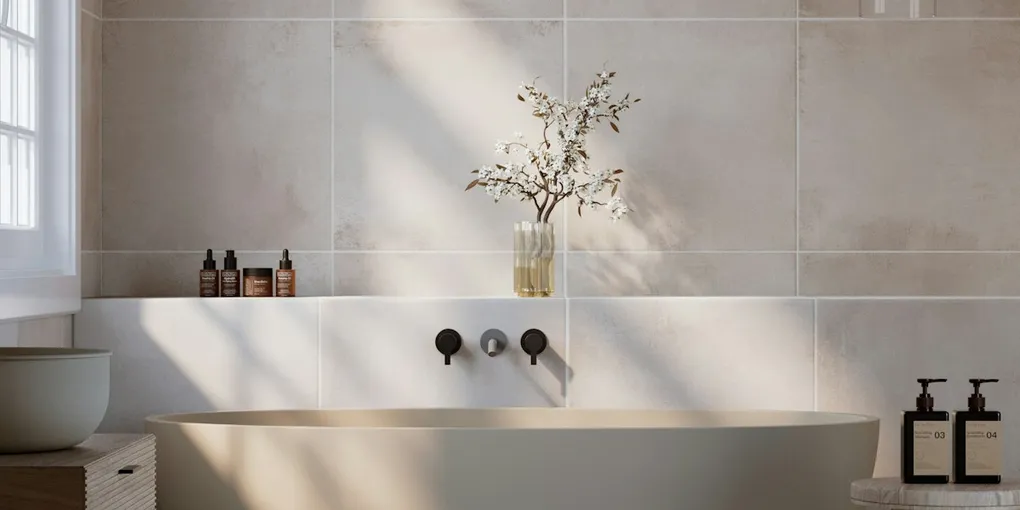
Grout should be sealed when it's new (wait 72 hours minimum after installation, or per the grout manufacturer recommendation — some grouts require longer cure), and re-sealed every 1–2 years in showers and every 2–3 years in lower-traffic areas. Test whether your grout needs sealing: drop a few drops of water on the grout line. If the water beads up: the sealer is still active. If the grout absorbs the water within 15–30 seconds: it needs sealing. Epoxy grout does not need sealing — only cement-based grout requires a sealer.
Frequently Asked Questions
What is the difference between penetrating and topical grout sealers?
Penetrating (impregnating) sealers absorb into the grout's pores and protect from within — they don't change the grout appearance and are the standard recommendation for showers, floors, and most tile installations. Water and oil-based stains can't penetrate sealed pores. Topical (surface film) sealers sit on top of the grout surface and create a visible coating — some add a sheen and others can turn yellow over time. They require stripping and reapplication when they wear, while penetrating sealers simply need reapplication. For most homeowners: use a penetrating sealer. Topical sealers are sometimes used on colored grout to enhance the color, but require more maintenance.
How long does grout sealer last, and how often should I reapply?
Shower floor grout: 6–12 months in a heavily-used shower. Shower wall grout: 12–24 months. Floor tile grout: 2–3 years. Kitchen backsplash grout: 2–3 years. The water bead test is the most reliable indicator — test annually and reseal when water absorbs within 30 seconds. Sealer lifespan is cut short by: harsh cleaning chemicals (bleach, acidic cleaners), heavy scrubbing, high traffic. Use pH-neutral tile cleaners to extend sealer life.
Do I need to clean the grout before sealing?
Yes — this step is critical. Sealing dirty grout traps stains permanently into the grout surface. Before sealing: scrub the grout lines with a stiff brush and a tile cleaner or diluted bleach solution. Let it dry completely — grout must be bone dry before applying sealer, or the sealer won't penetrate. In a shower: run the exhaust fan and wait 24 hours after cleaning before applying. Applying sealer to damp grout creates a milky haze on the surface that's difficult to remove.
How do I apply grout sealer without getting it on the tile?
For narrow grout lines: use a foam brush, grout sealer applicator bottle (with a narrow wheel applicator), or a small disposable paintbrush to apply directly to the grout line only. For large areas with small tiles (mosaic, penny tile) where the grout lines are close together: apply sealer to the entire surface with a sponge or cloth, let it penetrate for the dwell time, then wipe any excess from the tile surface before it dries. Most penetrating sealers don't harm tile but can leave a haze if allowed to dry on the tile surface — wipe off all excess within the timeframe listed on the product label (usually 5–15 minutes).
Can I seal grout in a shower without removing the existing old sealer?
Yes — for penetrating sealers, you can apply a fresh coat over old sealer as long as the old sealer is not a topical film type. If the old sealer is a topical film (check if water still beads on the tile surface in addition to the grout): you need to strip the old film with a sealer stripper before reapplying, otherwise the new sealer can't penetrate. For penetrating sealers on top of old penetrating sealers: just clean the grout, let it dry, and apply a fresh coat. The new sealer will absorb into the depleted areas.
Grout should be sealed when it’s new (wait 72 hours minimum after installation, or per the grout manufacturer recommendation — some grouts require longer cure), and re-sealed every 1–2 years in showers and every 2–3 years in lower-traffic areas. Test whether your grout needs sealing: drop a few drops of water on the grout line.
The water bead test tells you when to seal — apply every 1–2 years in showers, 2–3 years on floors.
What you need
- Grout cleaner or diluted bleach solution
- Penetrating grout sealer (Aqua Mix Sealer’s Choice, Miracle Sealants 511, or Tilelab)
- Narrow foam brush or applicator bottle with wheel
- Clean cloths for wiping excess
- Stiff grout brush for cleaning
Step 1: Clean the grout thoroughly
Scrub all grout lines with a stiff brush and tile cleaner or a diluted bleach solution (1 part bleach, 10 parts water). Rinse with clean water.
Let the grout dry completely — 24 hours in a ventilated space. This step is non-negotiable. Damp grout won’t absorb sealer properly.
Step 2: Test whether sealing is needed
Drop water on the grout. If it beads: skip sealing. If it absorbs within 30 seconds: proceed.
Step 3: Apply the sealer
Apply the sealer directly to grout lines with a narrow foam brush or applicator bottle. Work in 3-foot sections. Apply liberally — the grout should appear wet with sealer.
Wait the dwell time specified on the label (typically 5–15 minutes) — this is how long the sealer needs to penetrate.
Step 4: Wipe off excess
Before the sealer dries on the tile surface, wipe away any excess with a clean dry cloth. Dried sealer on tile creates a haze that requires a sealer remover to clear.
Apply a second coat immediately after wiping the first coat — two thin coats perform better than one heavy coat.
Step 5: Allow to cure
Keep the area dry for the curing time specified on the label — typically 24–72 hours for showers. Do not wet the surface during this time.
Related guides
- How to Clean Grout — cleaning before sealing or as routine maintenance
- How to Regrout a Shower — when grout is damaged and needs replacement
- How to Fix a Floor Tile That Is Loose — reattach a hollow tile before resealing the grout around it
- How to Caulk a Bathtub — sealing the tub-to-tile joint after regrouting
- Kitchen Backsplash Cost — backsplash pricing by tile type if you are planning a new installation
- Test whether sealing is needed
Drop a few drops of water onto the grout line. If the water beads up and sits on the surface: existing sealer is still active and no resealing is needed. If the water absorbs into the grout within 30 seconds: the sealer is depleted and resealing is required. Epoxy grout does not require sealing — only cement-based grout.
- Clean the grout thoroughly
Scrub all grout lines with a stiff brush and tile cleaner or diluted bleach solution. Rinse well and allow the grout to dry completely — at least 24 hours in a ventilated bathroom. Sealing dirty or damp grout traps stains permanently and causes milky haze on the surface.
- Apply the sealer
Use a narrow foam brush or applicator bottle to apply penetrating sealer directly to grout lines, working in 3-foot sections. Apply liberally until the grout appears wet. For small mosaic tiles where grout lines are close together, apply sealer to the full surface with a sponge.
- Wipe excess and apply second coat
Wait the dwell time listed on the product label (typically 5–15 minutes). Wipe all excess sealer from the tile surface with a clean dry cloth before it hardens — dried sealer leaves a haze on tile. Immediately apply a second thin coat for full protection.
- Allow to cure before getting wet
Keep the sealed area completely dry for the full curing time listed on the label — typically 24–72 hours for shower areas. Do not run water over sealed grout during this period. After curing, retest with the water bead test to confirm the sealer is active.
Free: 10-Point Home Maintenance Checklist
Prevent costly repairs with this seasonal checklist. Save hundreds every year by catching problems early.
Your checklist is ready!
Open Checklist →Something went wrong. View the checklist here.