Kitchen Backsplash Cost 2026: $20–$120/sq ft ($600–$3,500 Typical)
Kitchen backsplash costs $600–$3,500 installed ($20–$120/sq ft). Subway tile labor: $10–$25/sq ft. Peel-and-stick DIY: ~$100. 10 tile types compared + the materials contractors refuse to install over old backsplash.
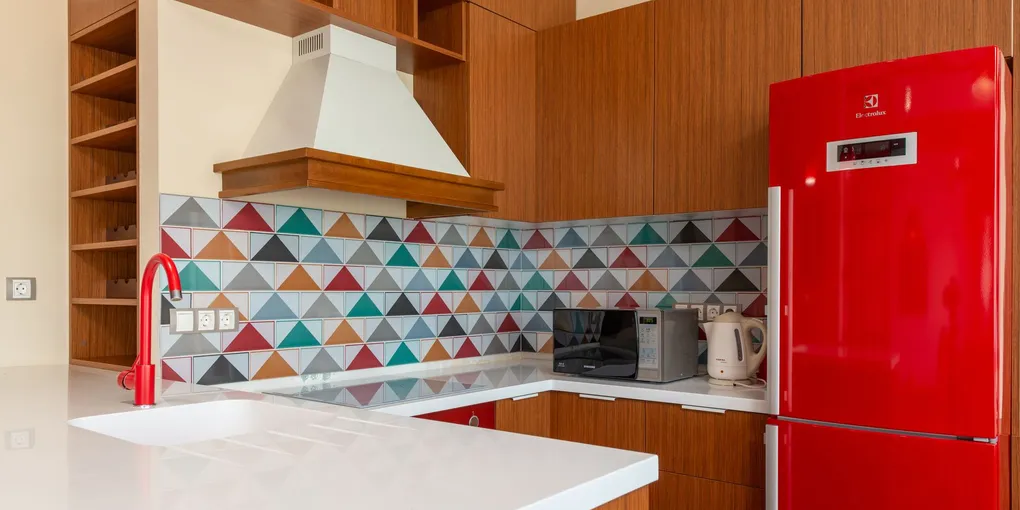
A typical kitchen backsplash (30 sq ft) costs $600-$3,500 installed, or $20-$120 per square foot depending on tile material and labor complexity. DIY with ceramic subway tile runs $300-$700 in materials. Labor alone is $10-$25 per sq ft. Glass mosaics, marble, and handmade tile push $50-$120/sq ft installed.
Frequently Asked Questions
How much does a 30 square foot backsplash cost?
A 30 sq ft backsplash — roughly a standard L-shaped kitchen — costs $600-$3,500 installed. Budget ceramic subway tile runs $600-$1,200. Mid-range porcelain with glass accents runs $1,200-$2,000. Stone, handmade tile, and mosaics land at $2,000-$3,500+. DIY cuts the labor portion ($300-$750) so materials-only is about $300-$1,500.
Is it cheaper to use peel-and-stick backsplash?
Yes, dramatically. Peel-and-stick runs $5-$15/sq ft for materials and is fully DIY. A 30 sq ft project: $150-$450 total. The tradeoff: it doesn't hold up to heat behind stoves, shows seams, and typically needs replacement in 3-7 years. Good for rentals, short-term fixes, or as a design test before committing to real tile.
How long does backsplash installation take?
DIY: 1-2 full days. Hired pro: 4-8 hours for straight pattern ceramic, 1-1.5 days for mosaics or stone. Grout cure: 24-48 hours before the kitchen is fully back in service. Plan to eat out for 2 days.
Do I need to remove the old backsplash first?
Yes for tile over tile (you need clean substrate), optional for replacing painted drywall. Old tile removal adds $150-$500 to labor, usually worth it for a clean install. Peel-and-stick can sometimes go over existing smooth tile temporarily but will bubble over months.
What's the best low-maintenance backsplash material?
Porcelain or glazed ceramic tile. Both are non-porous, wipe clean easily, and don't stain. Natural stone (marble, travertine) looks luxurious but requires sealing and stain-fights oil splatters near cooktops. Glass mosaics are also very cleanable but labor-intensive to install. For a busy kitchen, glazed porcelain is the durability winner.
Kitchen backsplash installation costs $600–$3,500 for a typical 30 sq ft project in 2026, or $20–$120 per square foot depending on tile material and labor. Standard ceramic subway tile lands at $600–$1,200 installed. Glass mosaics and stone tile push $2,000–$3,500+. DIY with ceramic tile runs $300–$700 in materials alone, cutting out $300–$750 in labor.
A kitchen backsplash is the single highest-visibility upgrade in a kitchen and one of the best value renovations you can do. A weekend DIY project costs $300-$700; hiring a tile installer runs $600-$3,500. Here’s the full breakdown of what drives backsplash cost, how to choose materials that balance style and cost, and where homeowners accidentally overspend.
Kitchen backsplash cost at a glance
| Project type | Area | DIY materials | Hired total |
|---|---|---|---|
| Small (behind sink only) | 8-12 sq ft | $80-$240 | $250-$800 |
| Standard single-wall | 20-30 sq ft | $200-$600 | $600-$2,000 |
| Typical L-shaped kitchen | 30-40 sq ft | $300-$800 | $800-$2,800 |
| Full-height / dramatic | 50-80 sq ft | $500-$1,600 | $1,500-$6,500 |
| Floor-to-ceiling accent wall | 80-120 sq ft | $800-$2,400 | $2,500-$9,000 |
National average: $20-$70 per square foot installed for ceramic and porcelain; $50-$120+ for stone and artisan tile.
Cost per square foot by tile material
| Material | Material cost/sq ft | Installed cost/sq ft |
|---|---|---|
| Peel-and-stick | $5-$15 | DIY only |
| Basic ceramic subway | $2-$6 | $15-$30 |
| Glazed porcelain | $4-$12 | $20-$40 |
| Glass mosaic (sheet) | $8-$25 | $30-$60 |
| Marble/travertine | $10-$25 | $40-$70 |
| Handmade ceramic (zellige, moroccan) | $15-$40 | $50-$100 |
| Metal (stainless, copper) | $15-$35 | $40-$80 |
| Natural slate | $8-$20 | $30-$55 |
| Moroccan cement tile | $15-$30 | $45-$80 |
What goes into the price
Backsplash pricing is 50-60% labor and 40-50% materials for a typical installation.
Labor
| Installation scenario | Labor per sq ft |
|---|---|
| Straight ceramic subway, small area | $8-$15 |
| Standard 30 sq ft straight pattern | $12-$25 |
| Glass mosaic on mesh | $15-$30 |
| Herringbone or complex pattern | $20-$40 |
| Large format (12×24, 24×48) | $18-$35 |
| Stone with uneven thickness | $20-$40 |
Labor includes:
- Wall prep (sanding, priming if needed)
- Thinset, grout, spacers, trim
- Cutting around outlets, windows, and edges
- Caulking counter-to-tile transition
- Initial grout cleanup
Materials (beyond tile)
- Thinset mortar: $20-$50 per bag (enough for 40-50 sq ft)
- Grout: $15-$30 per bag
- Tile spacers: $5-$15
- Schluter/metal edge trim: $10-$25 per 8-foot strip
- Silicone caulk (color-matched): $8-$15 per tube
- Backer board (if re-drywalling): $12-$20 per 3×5 sheet
Total non-tile materials for a typical 30 sq ft backsplash: $80-$180.
Add-ons and upsells
- Removing old backsplash: $150-$500 for tile; $50-$150 for removing painted drywall scars
- Drywall repair after removal: $100-$400 if extensive damage
- Outlet relocation (code-required for new backsplash): $100-$200 per outlet
- Under-cabinet lighting addition: $150-$500 per section
- New countertop installation trim: usually included
DIY backsplash: where the savings are
Backsplash is one of the highest-ROI DIY projects in a home. It’s highly visible, the area is manageable, and the tools are relatively cheap.
Cost to DIY a 30 sq ft backsplash
Ceramic subway tile:
| Item | Cost |
|---|---|
| 35 sq ft ceramic tile @ $4 | $140 |
| Thinset (1 bag) | $25 |
| Grout (1 bag) | $20 |
| Spacers | $6 |
| Rubber float | $10 |
| Tile cutter (manual) | $40 |
| Notched trowel | $15 |
| Silicone caulk (2 tubes) | $18 |
| Edge trim (Schluter, 2 pcs) | $30 |
| Grout sealer | $15 |
| Total | $319 |
Labor saved vs. hiring: $450-$750.
Glass mosaic:
| Item | Cost |
|---|---|
| 35 sq ft mosaic sheets @ $15 | $525 |
| Thinset (white, 1 bag) | $30 |
| Sanded grout | $22 |
| Spacers (for sheet alignment) | $6 |
| Wet saw rental (1 day) | $60 |
| Misc supplies | $50 |
| Total | $693 |
Labor saved vs. hiring: $600-$1,200.
Tools worth owning
- Manual tile cutter — $30-$80 (good enough for most ceramic backsplashes)
- Wet tile saw — $80-$250 (needed for stone, glass, or any curved cut)
- Notched trowel — $12-$30 (1/4-inch notch for backsplash)
- Rubber grout float — $8-$20
- Tile spacers — $8-$15 per bag
- Grout sealer — $12-$25
- Silicone caulk gun — $10-$30
Budget $150-$300 in one-time tool investment if you don’t already own them. Use across multiple tile projects and the investment pays back fast.
When to hire a pro
Skip DIY if:
- Tile is larger than 12×24 (large format requires leveling systems)
- You’re doing natural stone with uneven thickness
- The pattern is herringbone, chevron, or fish scale
- Floor-to-ceiling backsplash where imperfections will be obvious
- You have less than 6 hours of uninterrupted time for the install
- The existing wall has drywall damage or requires major prep
Tile material guide
Ceramic subway tile
The classic, the affordable, the safe choice. 3×6 or 3×12 white subway is the universal backsplash standard. Runs $2-$6/sq ft and never goes out of style. Best for: budget-conscious homeowners, neutral kitchens, rentals.
Glazed porcelain
Denser, harder, more water-resistant than ceramic. Lets you do larger formats (6×24, 12×24) and unique finishes (matte, textured). $4-$12/sq ft. Best for: modern kitchens, high-use cooktop areas.
Glass mosaics
Colorful, reflective, and modern. Usually come on 12×12 mesh sheets. $8-$25/sq ft. More labor-intensive to install — edges and cuts need to be planned carefully. Best for: contemporary kitchens with a design focal point.
Natural stone (marble, travertine, slate)
Classic luxury look with veining and color variation. Requires sealing before grouting to prevent stain. $10-$25/sq ft material. Best for: high-end kitchens where the backsplash is a showpiece.
Zellige / handmade tile
Moroccan-style handmade tiles with imperfect edges and variation. Hot trend, pricey. $15-$40/sq ft. Best for: design-focused kitchens where the organic look is the point.
Metal (stainless, copper, aluminum)
Commercial-kitchen look, durable, heat-resistant. $15-$35/sq ft material. Best for: industrial-style kitchens, areas behind cooktops.
Peel-and-stick
Budget and rental-friendly. $5-$15/sq ft, fully DIY, replaceable. Doesn’t hold up to heat behind stoves or direct water over sinks. Best for: quick refresh, rentals, design previews before committing.
Regional pricing variation
| Region | Labor per sq ft |
|---|---|
| Northeast metro | $18-$35 |
| Southeast | $12-$22 |
| Midwest | $14-$25 |
| Mountain West | $15-$28 |
| West Coast metro | $20-$40 |
| Rural markets | $12-$20 |
High-cost metros (NYC, SF, LA, Seattle, Boston) pay 30-60% more than national averages for all trades, including tile setters.
Cost-saving strategies
- Choose ceramic subway tile for 80% of the wall; splurge on a glass or mosaic accent strip ($50-$150 total).
- Buy overstock or discontinued tile. Home Depot, Lowe’s, and Floor & Decor regularly discount 30-60% on last season’s tile.
- Use basic white grout. Designer grout colors cost 50-100% more and rarely matter visually.
- Skip the backer board for drywall-to-tile installs (most residential backsplashes).
- DIY the grouting even if you hire a tile setter. Labor savings: $100-$250.
- Book installation in contractor off-season (January-February) for 10-20% better rates.
- Combine with counter work. If you’re replacing counters, the contractor often quotes the backsplash at a discount.
When backsplash installation goes wrong
Common failures that cost money to fix:
- Poor wall prep. Thinset won’t bond to glossy paint or textured drywall without sanding. Tiles pop off within months.
- Wrong thinset for the tile. Stone, glass, and porcelain need specific thinset types. Using drywall-style mastic can cause yellowing on glass tiles.
- Outlet extenders missing. Code-required when backsplash thickness pushes outlets more than 1/4 inch back. $5-$15 per outlet; often forgotten.
- No counter-to-tile expansion joint. Grout here cracks within a year. Use silicone caulk instead, color-matched.
- Unsealed cement grout. Stains within the first cooking spill. Seal 48-72 hours after grouting.
- Wrong grout width. Subway tile looks dated with 1/4-inch grout; modern installs use 1/16 inch or 1/8 inch max.
Resale and ROI
A well-done backsplash returns 60-80% of cost at resale. The best ROI:
- Classic white subway tile in a neutral grout
- Glazed porcelain in timeless colors (white, cream, gray, black)
- Classic marble or stone behind the cooktop as an accent
Lowest ROI:
- Trendy handmade tile in strong colors
- Themed mosaics (letters, patterns, seasonal motifs)
- Mixed-material jumbles without a clear design story
Red flags in quotes
- No detailed tile spec — brand, style number, and square footage with 10% waste
- Labor not broken out from materials
- Doesn’t include cutting fees separately (some contractors charge extra for mosaic and stone)
- No mention of grout sealing — this is a $25 upgrade worth asking about
- Payment demands of 50%+ upfront before any measurement or material delivery
Regional Kitchen Backsplash Cost Variations
| Region | Standard Subway Tile (30 sq ft) | Mosaic or Patterned Tile | Natural Stone |
|---|---|---|---|
| Northeast (NY, MA, NJ) | $900–$2,000 | $1,500–$3,500 | $2,500–$5,500 |
| Mid-Atlantic (DC, MD, VA) | $800–$1,800 | $1,400–$3,200 | $2,300–$5,000 |
| Southeast (FL, GA, TX) | $600–$1,400 | $1,100–$2,600 | $1,800–$4,000 |
| Midwest | $650–$1,500 | $1,200–$2,800 | $1,900–$4,200 |
| Pacific (CA, WA, OR) | $900–$2,000 | $1,500–$3,500 | $2,500–$5,500 |
Prices include tile, installation labor, grout, and basic supplies for a standard kitchen backsplash (25–40 sq ft). Outlet/switch relocation and cabinet modifications are quoted separately.
Kitchen Backsplash Material Comparison
| Material / Brand | Price (per sq ft, material) | Lifespan | Best For | Notes |
|---|---|---|---|---|
| Standard ceramic subway (3×6) | $1–$4/sq ft | 20+ years | Classic look; lowest cost | Timeless; easy to replace if one cracks; widely available |
| Porcelain tile | $2–$8/sq ft | 30+ years | Higher traffic; better water resistance | Denser than ceramic; harder to cut; more durable in wet areas |
| Glass tile (Dal-Tile, MSI) | $5–$15/sq ft | 20+ years | Modern look; reflective; color variety | Harder to cut; requires non-sanded grout; shows water spots more |
| Natural stone (travertine, marble) | $8–$25/sq ft | 30+ years | Premium look; unique variation | Requires sealing annually; porous (marble especially); harder to maintain |
| Ann Sacks / designer tile | $15–$50+/sq ft | 25+ years | Luxury finishes; custom looks | High design quality; often requires special order lead time |
| Peel-and-stick tile | $2–$6/sq ft | 3–8 years | Renter-friendly; temporary | Not a permanent solution; edges lift over time near heat and moisture |
For most kitchens, 3×6 ceramic subway at $1–$4/sq ft provides the best value and timeless appearance. Upgrade to porcelain or glass for better durability or visual impact; save stone for low-maintenance areas (not behind the stove).
Questions to Ask Your Tile Installer
-
What is the specific tile brand, SKU, and how much tile will you order including waste factor? — Tile quotes without a specific SKU are estimates that can shift significantly when the actual tile is ordered. Ask for the exact product number and brand. Also ask: “What waste factor are you using?” Standard waste for straight-lay tile is 10%; diagonal patterns, herringbone, and cuts around outlets require 15–20%. Ordering too little means a visible dye lot mismatch if you need more tile later; ordering too much wastes money. Get the tile specification in the contract before any work begins.
-
Will you use mastic adhesive or thinset mortar, and is the substrate (wall surface) appropriate for tile in this location? — Mastic adhesive is not appropriate in wet areas or near stove heat — it softens and tiles pop off. Thinset mortar is the correct installation method for all kitchen backsplashes. Ask: “What adhesive will you use?” Also ask about the substrate: tile goes directly on drywall in dry backsplash areas (acceptable), but near the sink or in splash zones, cement board or moisture-resistant drywall is preferable. A contractor who uses mastic on a backsplash is cutting a corner that will fail.
-
What grout type will you use, and is sealing included? — Sanded grout is standard for grout joints over 1/8 inch; unsanded grout for joints under 1/8 inch. For stone tile, always unsanded (to avoid scratching). Epoxy grout (more expensive, ~$50/bag vs $15 for standard) is stain-resistant and doesn’t require sealing — worth asking about for light-colored grout in a cooking area. Ask: “Will the grout be sealed as part of the job?” Grout sealing ($25–$50 for a standard backsplash) prevents staining from cooking oils and is especially important for porous grout colors. Not all installers include this — ask.
-
How will you handle the outlets and switches — will you extend them to be flush with the new tile surface? — Standard electrical boxes are flush with drywall. When tile is installed over drywall, the surface rises 3/8–1/2 inch, leaving outlets recessed behind the tile face. The correct solution is to replace the electrical box with an extension ring (a $5 part) to bring it flush. Ask: “How will you handle the electrical boxes?” An installer who doesn’t mention this is either going to leave recessed outlets (code violation) or charge for it as an extra after the fact. Also ask whether permits are required for electrical work in your jurisdiction.
-
What is your process for cutting around the range hood, outlets, and any irregular shapes — and can I see photos of your finished work? — The quality of a tile installation is determined by the cut tiles at the edges, around obstacles, and in corners. Ask to see photos of previous backsplash installations, specifically focusing on cuts around outlets, switches, range hoods, and window frames. Ask: “How do you cut tile around outlets?” — the answer should be a tile saw with a diamond blade, cutting to a clean fit, not a rough crack-off. Installers who use only a score-and-snap cutter for all cuts will produce rough edges at every obstacle.
Related Reading
- How to Install Tile Backsplash
- Kitchen Countertop Cost Guide
- Kitchen Sink Installation Cost
- Tile Flooring Installation Cost
- Kitchen Remodel Cost Breakdown
- How to Paint Kitchen Cabinets
- Cabinet Refacing Cost — professional cabinet refacing as an alternative to painting; $1,500–$5,000
- Kitchen Cabinet Painting Cost — paint cabinets while installing new backsplash for a full kitchen refresh; $1,200–$7,000
- Kitchen Countertop Replacement Cost — replace countertops and backsplash together for the cleanest result; $2,000–$6,500
Bottom line
Kitchen backsplash installation runs $20-$70 per square foot installed for standard ceramic and porcelain, with most L-shaped kitchen projects landing between $800 and $2,000. DIY ceramic subway can be done for $300-$500 with a weekend of work — one of the highest-ROI DIY projects you can tackle. Spend the extra on a glass or stone accent behind the cooktop if you want a design statement; keep the rest of the wall in timeless neutral tile for the best long-term value.
- Measure the backsplash area
Measure the length of each wall section and the height from counter to upper cabinets (typically 18 inches). Multiply to get square footage. Add 10-15% for cuts and waste.
- Choose your tile and order materials
Order tile, thinset, grout, spacers, and edge trim. For mosaics on mesh, order with 10% waste. For larger tiles, add 15%. Verify dye lot is consistent across boxes.
- Prep the wall surface
Remove outlet covers and turn off power. Clean drywall with TSP substitute. Fill holes with spackle. Sand glossy paint for thinset adhesion. Tape off counters and cabinets with painter's tape and rosin paper.
- Mix thinset and apply to wall
Use premixed thinset for small projects or modified thinset for stone. Trowel onto wall in 2-3 sq ft sections using a 1/4-inch notched trowel. Don't apply faster than you can tile.
- Set tiles and use spacers
Press tiles firmly, twisting slightly to set. Use 1/16-inch spacers for modern tight grout lines, 1/8 inch for traditional. Check level frequently; backsplashes show imperfections at eye level.
- Cut tiles for edges and outlets
Score straight cuts with a snap cutter, use a wet saw for curves around outlets. Cut tiles so full tiles dominate the eye level and cuts fall at edges or behind appliances when possible.
- Grout 24 hours after setting
Remove spacers. Mix grout, work diagonally into joints with a rubber float. Wait 20-30 minutes, then wipe tiles with damp sponge in circular motions. Haze-clean next day with soft cloth.
- Seal and caulk
Seal cement-based grout with a penetrating sealer after 48-72 hours. Caulk the counter-to-tile joint and any inside corners with color-matched silicone (grout cracks at these flex points).
Free: 10-Point Home Maintenance Checklist
Prevent costly repairs with this seasonal checklist. Save hundreds every year by catching problems early.
Your checklist is ready!
Open Checklist →Something went wrong. View the checklist here.