Loose Floor Tile? Fix It Without Replacing — $20 and 1 Hour (2026)
Tap the tile — if it sounds hollow, it's loose. Inject epoxy through the grout joint to reattach it without removing anything. Under $20 in materials, 1 hour. Works on ceramic, porcelain, and stone tile. Only remove and reset if the tile is cracked.
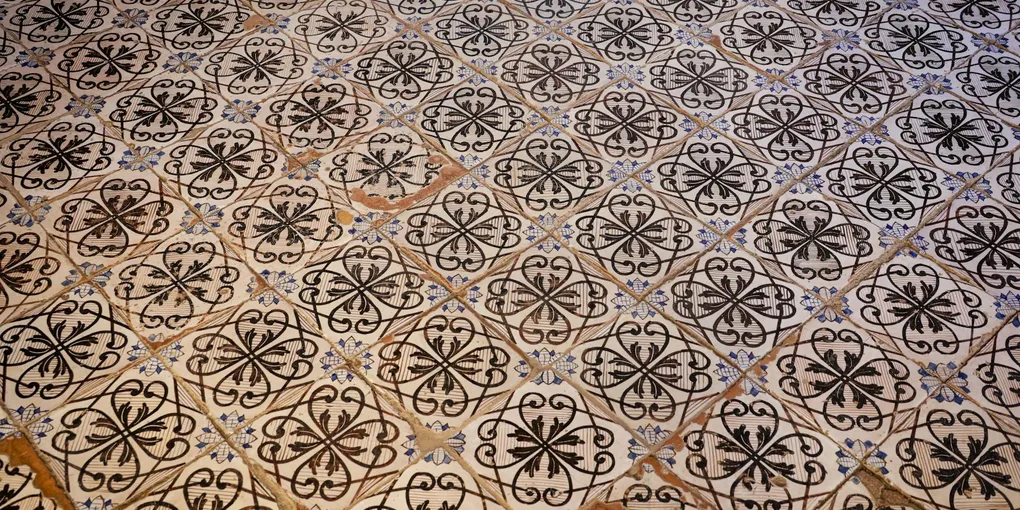
Tap each tile with your knuckles — a hollow sound means it's loose. For intact tiles, inject low-viscosity epoxy through the grout joint. For cracked or badly hollow tiles, remove and reset with polymer-modified thinset. Most repairs take 1–2 hours and under $30 in materials.
Frequently Asked Questions
How do I know if a floor tile is loose?
Tap each tile lightly with your knuckles or the handle of a screwdriver. A solid tile gives a dense thud; a hollow or loose tile gives a higher-pitched hollow sound, like tapping a drum. This is called the 'hollow-sound test' and is the quickest way to map out which tiles have lost adhesion.
Can I fix a loose tile without removing it?
Yes, in some cases. If the tile is cracked or the grout joints are open, you can inject low-viscosity epoxy adhesive through the crack or joint to reattach the tile without removing it. This method works best when the tile itself is undamaged and only a small area has de-bonded. Larger hollow sections, heavily cracked tiles, or tiles over a failed substrate typically need to be fully removed and reset.
What causes floor tiles to come loose?
The most common causes are insufficient thinset coverage during original installation (less than 80% back-butter coverage lets voids form), subfloor movement or flexing, moisture intrusion beneath the tile, and freeze-thaw cycling on exterior or unheated slab floors. Grout failure alone rarely causes tiles to loosen, but water seeping through cracked grout over time can degrade the thinset bond.
What type of thinset should I use for floor tile repairs?
For most floor tile repairs, a polymer-modified gray thinset mortar is the right choice. It bonds to both the existing substrate and the back of the tile. For large-format tiles (over 15 inches) or natural stone, use a medium-bed mortar that maintains its thickness without slumping. Avoid mastic adhesive on floors — it is not water-resistant and will soften over time.
How long does thinset need to cure before grouting?
Most polymer-modified thinsets reach sufficient cure for grouting within 24 hours at normal room temperature. In cooler or humid conditions, wait a full 48 hours. Check the manufacturer's spec sheet — rapid-set formulas can cut cure time to 4 to 6 hours. Never grout over thinset that is still damp or soft; pressing on the tile should feel solid and immovable before you begin grouting.
How do I match existing grout color?
Bring a photo and, if possible, a small chip of the existing grout to a tile supply store. Grout color charts from brands like Mapei and Laticrete have dozens of shades. If the existing grout is several years old, it has likely darkened or lightened — test your new grout on an inconspicuous area and let it dry completely before committing, since wet grout is always a different color than the cured shade.
How do I fix a loose tile in a shower without removing it?
If the shower tile is loose but not cracked and the grout joints are accessible, injection epoxy is the best no-removal method. Use a low-viscosity two-part epoxy (Akemi or similar tile injection adhesive): clean the joint, inject through an open grout joint or a small drilled hole in the grout, and weight the tile flat while it cures. Key caution: verify the tile is still watertight before using the shower — even one cracked grout joint that allows water behind the tile will cause the thinset to fail again within months. If the tile has hairline cracks or the grout is missing in multiple spots, full removal and re-set with a wet-area polymer-modified thinset (and cement board substrate, not drywall) is the correct long-term repair for a shower.
How do you fix a loose tile on a concrete floor?
Loose tile on a concrete slab is typically caused by insufficient original thinset coverage or shrinkage cracks in the concrete causing movement. For injection repair: drill into the grout joint at a low angle, inject low-viscosity epoxy under the tile, and weight it down while it cures. For full removal and reset: use an SDS hammer drill with a chisel bit to break out the tile, then grind the slab flat before resetting with a polymer-modified thinset. Make sure the concrete is clean and dust-free — vacuum thoroughly and prime with a concrete bonding agent if the slab is dusty or porous. A primed slab gives the thinset much better adhesion than bare concrete.
How much does it cost to fix a loose floor tile?
DIY repair costs $15–$40 in materials: injection epoxy kit ($15–$25) for the no-removal method, or thinset mortar + grout ($20–$40) for a full reset. If you hire a tile contractor, expect $75–$150 per tile for single-tile repairs — the majority of that cost is the service call, not the materials. Replacing multiple tiles at once drops the per-tile cost significantly since the service fee is spread across the job.
Can I walk on a tile I just re-grouted?
Wait at least 24 hours before light foot traffic, and 72 hours before wet mopping or heavy use. Walking on fresh grout before it cures can crack it or press the tile out of alignment. Most polymer-modified grouts reach working strength within 24 hours at 70°F, but cure more slowly in cold or humid conditions.
Fix a loose floor tile without removing it by injecting low-viscosity epoxy through the grout joint — under $25 in materials and about one hour of work. Tap the tile first: a hollow drum sound confirms it’s detached from the thinset. If the tile is intact (not cracked), inject two-part epoxy through an open joint, weight it flat for 24 hours, and you’re done. Only fully remove and reset if the tile is cracked or rocking severely underfoot.
A loose floor tile is more than an annoyance — it is a structural problem that gets worse with every footstep. A tile that rocks or flexes gradually cracks its neighbors, breaks the grout seal, and allows water to reach the substrate. Catch it early and a single-tile repair takes an afternoon. Ignore it and you may end up replacing an entire section of floor.
This guide covers three repair methods: the injection epoxy shortcut for tiles that are hollow but undamaged, the full removal and reset procedure for tiles that need proper reattachment, and grout replacement to finish the job cleanly.
What You Need
Having the right materials before you start will save you a second trip to the hardware store mid-project.
-
Akemi Tile Repair Injection Adhesive — A low-viscosity two-part epoxy designed to be injected under loose tiles through grout joints or hairline cracks. Fills the void and reattaches the tile without removal.
-
Custom Building Products VersaBond Thinset Mortar — A reliable polymer-modified floor thinset suitable for ceramic, porcelain, and stone. Mix with water to a peanut-butter consistency and use for full tile resets.
-
Grout Float — A rubber-faced trowel used to press grout into joints at a diagonal angle. Essential for a clean, fully packed joint without smearing excess grout into low spots.
-
Oscillating Multi-Tool with Grout Blade — The fastest and most controlled way to remove old grout from the joints surrounding a loose tile before removal. Far less damaging to neighboring tiles than a rotary tool.
-
Mapei Flexcolor CQ Grout — A pre-mixed, color-consistent, stain-resistant grout that is easy to work with for repair jobs. Available in a wide range of colors to match existing grout.
-
Notched Trowel 3/16 V-Notch — Used to comb ridges into thinset so the tile bonds across the full surface. V-notch size is appropriate for most floor tiles up to 12 inches. Use a larger square-notch trowel for larger format tiles.
Diagnose the Problem First
Before reaching for tools, understand what you are dealing with.
Step 1: Map the hollow area. Tap every tile in the affected area systematically. Mark hollow tiles with painter’s tape so you can see the full extent of the problem. It is common to find that several tiles surrounding the obviously loose one are also hollow — address them all now rather than returning for a second repair.
Step 2: Check the grout joints. Cracked or missing grout around the loose tile is both a symptom and a cause. It allows water in, which degrades the thinset bond beneath. Note where the grout is damaged.
Step 3: Assess the tile itself. Is it cracked? Does it rock significantly when you step on it, or just sound hollow but feel solid? A tile that sounds hollow but does not move under pressure is a candidate for injection repair. A tile that rocks, clicks, or shifts is fully de-bonded and must be removed and reset.
Step 4: Identify the substrate. Knowing whether you have a concrete slab, cement board over plywood, or bare plywood matters for the repair. On plywood with no concrete board, check whether the subfloor itself flexes — if so, a floor reinforcement repair is needed before new tile will hold.
Method 1: Re-Injection Epoxy (No Removal Required)
This method works when the tile is hollow but intact, and the grout joints are cracked or open enough to allow injection.
What you will need: Injection adhesive, drill with a 3/16-inch masonry bit (optional), syringe or squeeze bottle, painter’s tape, and weights or clamps.
-
Clean the grout joints around the hollow tile with a stiff brush to remove loose debris.
-
If the grout is solid and there are no open joints, drill one or two small injection holes in the grout joint at the perimeter of the hollow area. Use a masonry bit and drill at a low angle (about 30 degrees) to angle the hole under the tile.
-
Mix your two-part epoxy according to the manufacturer’s instructions. Use the mixing nozzle that comes with the kit.
-
Insert the nozzle into the joint or drilled hole and slowly inject adhesive. Watch for it to appear at the opposite side of the tile — that indicates the void is filled. Work from the edges toward the center.
-
Place a sheet of wax paper over the tile and stack heavy books, a sandbag, or a concrete block on top to hold the tile flat while the epoxy cures.
-
Allow the epoxy to cure fully (usually 24 hours) before walking on the tile.
-
Fill any drilled injection holes and cracked grout joints with fresh matching grout.
Method 2: Full Removal and Re-Set with Thinset
For tiles that are cracked, heavily de-bonded, or rocking underfoot, full removal and reset is the proper fix.
Removing the Tile
-
Remove the surrounding grout. Use an oscillating multi-tool with a carbide grout blade to cut out the grout from all joints surrounding the tile. Work carefully along the edge of each neighboring tile — this is where most chips and nicks happen. Go slowly on the first pass to establish the groove, then deepen on subsequent passes.
-
Score the tile. If the tile is intact and you want to try saving it, score it lightly with a glass cutter or angle grinder fitted with a diamond blade. This helps prevent it from shattering during removal.
-
Break the tile. Place a cold chisel near the center and strike with a hammer. For a large tile, work systematically across the surface. Remove broken pieces carefully — tile edges are razor sharp. Wear safety glasses throughout.
-
Remove the old thinset. This is the most labor-intensive part. Use a floor scraper, hammer and chisel, or angle grinder with a grinding cup to remove the hardened thinset from the substrate. Your goal is a flat, clean surface. Any remaining high spots will cause the new tile to rock.
-
Check the substrate. A concrete slab should have no cracks wider than 1/8 inch. Cement board should be firmly screwed down with no flex. Plywood should be at least 1-1/8 inches total thickness (subfloor plus underlayment). Address any substrate problems before proceeding.
Setting the New Tile
-
Dry-fit the tile to confirm it sits flat and even with surrounding tiles. Mark any areas where the substrate needs additional grinding.
-
Mix thinset to a peanut-butter consistency — it should hold ridges when you comb it but not be runny. Let it “slake” (rest) for 5 minutes after mixing, then stir again before use.
-
Spread thinset on the substrate using the notched trowel. Hold the trowel at a 45-degree angle and comb uniform ridges across the entire area. For tiles larger than 12 inches, also back-butter the tile itself with a thin skim coat — this ensures 95%+ coverage with no voids.
-
Set the tile. Press it into place with a slight twisting motion to collapse the ridges and ensure full contact. Use a rubber mallet to tap it gently level with surrounding tiles. Check with a straightedge — the tile should be flush with its neighbors.
-
Check your work. Gently wiggle the tile — it should not move at all. Verify the height is correct. If the tile sits low, pull it, add more thinset, and reset. If it sits high, remove some thinset.
-
Allow to cure. Let the thinset cure 24 to 48 hours before grouting. Do not walk on the tile during this time.
Grout Replacement
Whether you used injection repair or full removal and reset, the final step is replacing the grout.
-
Clean the joints. Remove all dust and debris from the joints. Wipe with a damp sponge and let dry. Any moisture in the joint will dilute the grout mix.
-
Mix or prepare your grout. Pre-mixed grout like Mapei Flexcolor CQ is ready to use straight from the container. If using powder grout, mix with water to a peanut-butter consistency.
-
Apply grout with the float. Load the float and work at a 45-degree diagonal to the joints — never work straight along them. This diagonal motion pushes grout into the joint rather than dragging it back out. Work in small sections of 4 to 6 square feet.
-
Clean as you go. After the grout has firmed for about 10 to 15 minutes (it should feel dry to the touch but still soft), wipe diagonally across the tiles with a damp sponge. Rinse the sponge frequently. Use as little water as possible — excess water dilutes and weakens grout.
-
Final polish. After an hour, a light haze will form on the tile surface. Buff it off with a dry microfiber cloth.
-
Cure time. Keep foot traffic off the repair for 24 hours. Avoid wet cleaning for at least 72 hours so the grout can fully cure.
Preventing Future Tile Failures
The most durable tile installations share a few characteristics: a stiff, properly prepared substrate; thinset coverage of 80 to 95% of the tile back; and properly sized grout joints that allow for minor movement. If you keep experiencing loose tiles, especially in a bathroom or kitchen, check whether the subfloor deflects when you jump on it. Tile is a rigid material — it needs a substrate that does not flex.
Sealing grout annually in wet areas also extends tile life significantly. A penetrating grout sealer takes five minutes to apply and prevents the water infiltration that degrades the thinset bond over time.
Related Reading
- How to Regrout a Bathroom Tile Shower
- How to Fix a Cracked Bathtub Surround
- How to Patch Drywall
- How to Fix a Broken Bathroom Floor Tile — replace a cracked or chipped tile that can’t be re-adhered with epoxy
- How to Fix a Broken Tile — repair a cracked or broken tile anywhere in the house using the same re-adhesion and grout technique
- How to Fix a Broken Tile Floor — repair multiple broken or cracked floor tiles across a larger area
- Do the hollow test to locate loose tiles
Tap each tile with your knuckles or a screwdriver handle. A solid tile gives a dense thud; a loose tile gives a higher-pitched hollow drum sound. Mark all hollow tiles with painter's tape before starting any repair — it's common to find several adjacent tiles are also loose.
- Decide: injection repair vs full removal
Injection repair works if the tile is intact (not cracked), sounds hollow but doesn't rock underfoot, and has at least one open grout joint for access. Choose full removal if the tile is cracked, visibly rocking when stepped on, or if the hollow area covers more than half the tile's surface.
- Injection repair — prep the joint
Clean loose debris from the grout joints with a stiff brush. If joints are solid, drill a small hole at a 30-degree angle into the grout joint using a 3/16-inch masonry bit — angle the hole to direct epoxy under the tile, not straight down.
- Inject epoxy and weight the tile
Mix the two-part epoxy per instructions. Insert the nozzle into the open joint or drilled hole and slowly inject until epoxy appears at the opposite side. Cover with wax paper and stack heavy books or a concrete block on top. Let cure 24 hours before walking on it.
- Full removal — cut the grout and break out the tile
Use an oscillating multi-tool with a carbide grout blade to cut out all surrounding grout joints. Then break the tile with a cold chisel and hammer, working from the center outward. Remove all tile fragments and scrape the substrate flat — any high spots will cause the new tile to rock.
- Reset with thinset
Mix polymer-modified thinset to peanut-butter consistency. Comb it onto the substrate with a notched trowel at 45 degrees. Back-butter the tile with a thin skim coat if it's larger than 12 inches. Press the tile in with a slight twist, tap level with a rubber mallet, and check flush with a straightedge. Let cure 24–48 hours.
- Regrout the joint
Clean the joints of dust and debris. Apply grout diagonally with a rubber float, working in small sections. After 10–15 minutes, wipe off excess with a barely damp sponge using diagonal strokes. Buff the haze off with a dry microfiber cloth after an hour. Keep off wet cleaning for 72 hours.
Free: 10-Point Home Maintenance Checklist
Prevent costly repairs with this seasonal checklist. Save hundreds every year by catching problems early.
Your checklist is ready!
Open Checklist →Something went wrong. View the checklist here.