How to Caulk a Bathtub the Right Way
Cracked or moldy caulk lets water seep behind your tub and cause expensive damage. Here is how to remove old caulk and apply a clean, waterproof bead that lasts.
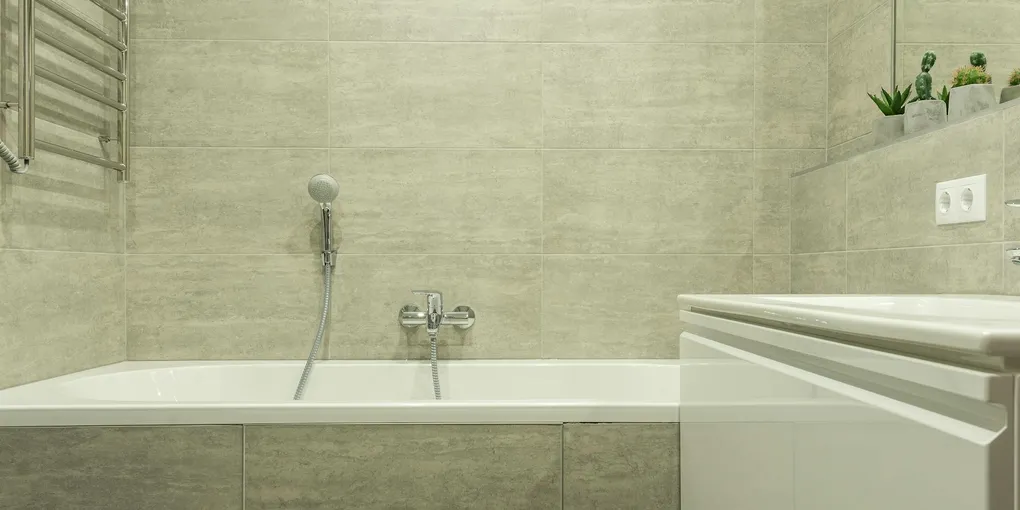
To caulk a bathtub, remove all old caulk with a utility knife, clean the joint with rubbing alcohol, fill the tub with water, tape both edges, apply a continuous bead of 100% silicone caulk, smooth it in one pass, and remove the tape while wet. Let it cure 24 hours before using the tub. The job costs $10 to $20 and takes about an hour.
Frequently Asked Questions
Should I use silicone or latex caulk for a bathtub?
Always use 100% silicone caulk for bathtub joints. Latex caulk is not waterproof and will fail within a year or two in constant wet conditions. Silicone stays flexible, resists mold, and lasts 5 to 10 years.
Why should I fill the bathtub with water before caulking?
The weight of a full tub pulls it slightly away from the wall, widening the joint gap. Caulking at this widest point means the caulk compresses rather than stretches when the tub is used, which prevents the seal from breaking.
How often should bathtub caulk be replaced?
Good silicone caulk lasts 5 to 10 years. Replace it sooner if you see mold growing inside the caulk, peeling, cracks, or gaps. Inspect your caulk line every six months to catch problems early.
Can I caulk over old caulk?
No. New caulk does not bond properly to old caulk and will peel away within months. Always remove all old caulk completely, clean the surfaces with rubbing alcohol, and apply fresh caulk to bare surfaces.
How long does bathtub caulk take to dry?
Silicone caulk needs 24 hours to fully cure. During this time, do not use the tub or shower, do not touch the caulk, and leave ventilation running to help the curing process.
What is the best caulk for a bathtub in 2026?
The best bathtub caulk products in 2026: Best overall: GE Sealants 100% Silicone Kitchen and Bath Caulk ($8–$12) — widely available, excellent adhesion to porcelain and fiberglass, 10-year mold-free guarantee, and smooth tool-ability. Available in white, almond, and clear. Best for heavy mold problems: DAP Kwik Seal Plus Kitchen and Bath Caulk ($10–$15) — contains an antimicrobial agent to inhibit mold and mildew growth between maintenance cycles. Not 100% silicone (siliconized acrylic) so slightly easier to apply than pure silicone. Best professional-grade: Dow Corning 786 ($15–$20) — the silicone brand used by contractors for high-end tile work. Outstanding longevity and adhesion on problem joints. Best color match: Polyseamseal or Custom Building Products Polyblend Caulk — available in 40+ grout-matching colors if your tub surround is tiled and you need to match the grout color precisely. Key tip: for a bathtub, never use 'paintable' latex caulk — the 'paintable' designation means it's water-based, which is exactly wrong for constant water exposure. Look for '100% silicone' or 'siliconized' on the tube, with a mold-resistance claim. Fill the tub with water before applying (the weight separates the joint to its widest position) and wait 24 hours before using the tub.
How do I get smooth bathtub caulk lines — what is the professional technique?
Professional bathtub caulking technique for smooth, clean lines: (1) Prep is everything: all old caulk must be completely removed and the surface cleaned with rubbing alcohol (not soap — soap leaves a residue that prevents adhesion). Let dry fully. (2) Tape both edges: apply painter's tape along both sides of the joint 1/16 inch from the gap, creating a guide channel. This is the single biggest quality improvement — it turns a shaky bead into clean lines. (3) Fill the tub with water before caulking. The weight pulls the tub away from the wall to its widest point, so you caulk at the gap maximum. (4) Cut the tip at a 45-degree angle to 1/8 inch opening. Hold the gun at 45 degrees and pull (don't push) along the joint in one continuous pass. Keep the speed consistent — varying speed creates thick and thin spots. (5) Tool immediately: wet a gloved finger with soapy water (1 drop dish soap in a small bowl of water) and drag it firmly along the bead in one smooth stroke. Do not go back and forth — one direction only. (6) Remove tape immediately while the caulk is still wet, pulling at a 45-degree angle away from the bead. If you wait until the caulk skins over, the tape pulls chunks out. (7) Touch nothing for 24 hours. The most common failure is someone using the tub before the silicone fully cures and breaking the bond before it's established.
To caulk a bathtub, remove all old caulk with a utility knife, clean the joint with rubbing alcohol, fill the tub with water, tape both edges, apply a continuous bead of 100% silicone caulk, smooth it in one pass, and remove the tape while wet. Let it cure 24 hours before using the tub.
The caulk line around your bathtub is a thin barrier between your bathroom and thousands of dollars in water damage. When that seal fails, water gets behind the tub, soaks into subfloor and wall framing, and feeds mold. Repair costs from failed bathtub caulk typically run $1,000 to $10,000 depending on how long the leak goes unnoticed.
Recaulking a bathtub takes about an hour and costs $10-20 in materials. It is one of the highest-value DIY projects you can do, especially if you are planning a small bathroom remodel. This guide walks you through the full process, from removal to a finished bead that looks professional and lasts for years.
Signs Your Bathtub Caulk Needs Replacing
Check the caulk line where your tub meets the wall and along the base of the tub. Replace it if you see any of these:
- Mold or mildew that won’t clean off. Surface mold on caulk can sometimes be cleaned, but if it is growing inside the caulk (dark spots beneath the surface), the seal is compromised.
- Peeling or pulling away from the surface. If the caulk lifts when you press on it or has separated from the tub or wall, water is getting behind it.
- Cracks or gaps. Even hairline cracks allow water to wick through by capillary action.
- Yellowing or discoloration. Old latex caulk often yellows and hardens over time. Once it loses flexibility, it cannot maintain a seal.
- Soft or spongy texture. Healthy silicone caulk is firm and rubbery. If it feels mushy, it is breaking down.
If your caulk shows any of these signs, do not try to patch it. Remove it all and start fresh.
Tools and Materials You Need
Gather everything before you start. You do not want to leave a half-caulked tub to run to the store.
Materials
- 100% silicone caulk (clear or white, depending on your tub/tile color). Look for a kitchen and bath formula with mold resistance built in. Brands like GE Supreme Silicone or DAP Silicone Max work well.
- Rubbing alcohol (isopropyl, 70% or higher) for cleaning residue.
- Painter’s tape (blue or green, 1-inch width).
- Paper towels or clean rags.
Tools
- Caulk gun ($5-10 for a basic one; a dripless model is worth the extra few dollars).
- Utility knife with fresh blades.
- Caulk removal tool (a plastic or metal scraper designed for caulk removal, $3-5).
- Caulk finishing tool or plastic spoon (optional but helpful for smoothing).
Silicone vs. Latex Caulk: Which to Use
For bathtub joints, always use 100% silicone caulk. Here is why:
| Feature | 100% Silicone | Acrylic Latex |
|---|---|---|
| Waterproof | Yes | Water-resistant only |
| Flexibility | Stays flexible for years | Hardens over time |
| Mold resistance | Excellent (with additives) | Poor in wet areas |
| Paintable | No | Yes |
| Cleanup | Mineral spirits | Water |
| Best use | Tubs, showers, sinks | Windows, baseboards, trim |
Latex caulk is easier to work with and cleans up with water, which is why some people reach for it. But it is not designed for constant water exposure. It will fail in a bathtub joint within a year or two. Use silicone.
Step 1: Remove the Old Caulk Completely
Caulking over old caulk is one of the most common mistakes. The new caulk will not bond properly and will peel away within months. Take the time to remove every bit of old material.
Score and pull
- Use your utility knife to score along both edges of the old caulk bead, cutting where it meets the tub and where it meets the wall. Keep the blade at a shallow angle to avoid scratching tile or the tub surface.
- Once both edges are scored, use your caulk removal tool or a plastic putty knife to get under one end and peel the caulk out in strips. With silicone caulk, it often comes out in long pieces. Latex caulk tends to crumble.
- Go back with the utility knife and removal tool to scrape off any remaining bits. You want bare, clean surfaces on both sides of the joint.
Clean the surfaces
- Dampen a rag or paper towel with rubbing alcohol and wipe down both surfaces thoroughly. Alcohol removes silicone residue, soap scum, and oils that would prevent the new caulk from bonding.
- Let the surfaces dry completely. This takes about 10-15 minutes. The joint must be bone dry before you apply new caulk.
Tip: If there is stubborn old silicone that will not scrape off, apply a silicone caulk remover gel (like DAP Caulk-Be-Gone). Let it sit for the time specified on the label, then scrape. This softens the old silicone and makes removal much easier.
Step 2: Fill the Tub with Water
This is a pro tip most tutorials skip. Before you apply new caulk, fill the bathtub with water up to a few inches from the top.
Why? When a bathtub is full, the weight of the water pulls it slightly away from the wall, making the joint gap as wide as it will ever be. If you caulk with an empty tub, the joint is at its narrowest. The first time someone takes a bath, the tub drops, stretches the fresh caulk, and can break the seal.
Caulking with a full tub means the caulk sets at the joint’s widest point. When the tub is empty, the caulk compresses slightly rather than stretching. This dramatically increases the life of your caulk line.
Leave the water in until the caulk has fully cured (24 hours for most silicone caulk), then drain.
Step 3: Tape the Edges
Apply painter’s tape along both sides of the joint, about 1/8 inch away from the gap on each side. Press the tape down firmly. This gives you clean, straight edges and keeps caulk off the tub and tile surfaces.
Tips for good tape lines:
- Use the longest continuous strips you can manage. Short overlapping pieces create bumps.
- Run your fingernail along the edge closest to the joint to seal the tape and prevent caulk from bleeding underneath.
- On inside corners (where two walls meet), cut the tape cleanly at 45 degrees so it meets neatly.
Step 4: Prepare the Caulk Tube
- Cut the tip of the caulk tube at a 45-degree angle. Start with a small opening, about 1/8 inch. You can always cut more off if you need a thicker bead, but you cannot make the hole smaller.
- Puncture the inner seal with the metal rod on your caulk gun or a long nail.
- Load the tube into the caulk gun and squeeze the trigger a few times until caulk just starts to appear at the tip.
Step 5: Apply the Caulk
Hold the caulk gun at a 45-degree angle to the joint with the cut tip opening facing the gap. Apply steady, even pressure on the trigger as you move along the joint in one smooth, continuous motion.
Key technique points:
- Push, don’t pull. Move the caulk gun so you are pushing caulk into the joint ahead of the tip, not dragging it behind. This forces caulk into the gap rather than just laying it on top.
- Maintain consistent speed. Go too fast and you get a thin, uneven line. Go too slow and you get globs. Aim for about 2-3 inches per second.
- Work in manageable sections. If your tub is long, do one wall at a time. You need to smooth the caulk before it starts to skin over, which takes about 5-10 minutes with silicone.
- Do not stop and start mid-line. If you need to pause, try to stop at a corner. Overlap points in the middle of a run always show.
Step 6: Smooth the Bead
You have two options for smoothing, and you need to do this within a few minutes of applying the caulk.
Option A: Wet finger method
Dip your finger in a small bowl of water (some people add a drop of dish soap to make it slicker). Run your finger along the caulk bead in one smooth pass, applying light, even pressure. The goal is a slightly concave bead that fills the joint and has smooth edges where it meets the tape.
Wipe the excess caulk from your finger onto a paper towel after each pass. Do not go over the same area twice — you will pull caulk out rather than smooth it.
Option B: Caulk finishing tool
A plastic or rubber caulk finishing tool does the same thing as your finger but gives a more consistent profile. Run it along the bead in one pass with steady pressure. These tools come in multiple profiles (concave, flat, round) so you can choose the look you want.
Step 7: Remove the Tape Immediately
This is critical. Pull the painter’s tape off while the caulk is still wet. If you wait until it dries, the tape will tear the caulk and leave ragged edges.
Pull the tape away from the caulk line at a 45-degree angle in a slow, steady motion. Do not yank it. If a small amount of caulk lifts with the tape, smooth it with a damp finger.
Remove tape from one section before moving on to caulk the next section. This is why working in sections matters.
Step 8: Let It Cure
Silicone caulk needs 24 hours to fully cure. During this time:
- Do not use the tub or shower.
- Do not touch the caulk.
- Leave the bathroom ventilation fan running or a window open. Good airflow helps silicone cure.
- Keep the tub full of water for the full 24 hours (as discussed in Step 2), then drain it.
After 24 hours, the caulk should be firm, rubbery, and fully bonded to both surfaces.
Common Mistakes to Avoid
Using latex caulk in wet areas. As covered above, latex caulk is not waterproof. It will fail in a bathtub joint. Use 100% silicone.
Caulking over old caulk. New caulk does not bond well to old caulk. You will get a thicker, uneven line that peels within months. Always strip down to bare surfaces.
Not cleaning the joint before recaulking. Oils, soap scum, and old silicone residue prevent adhesion. Clean with rubbing alcohol and let it dry.
Cutting the tube tip too large. Start small. A too-large opening lays down more caulk than you need, creating a mess that is hard to smooth cleanly.
Removing tape after the caulk dries. You will rip the caulk and ruin your clean lines. Remove tape while caulk is still wet.
Caulking a dry tub. Fill it first so the joint is at maximum width when the caulk sets.
Smoothing multiple times. One pass. Going over wet silicone caulk a second time pulls it out of the joint and creates a ragged finish.
Maintenance: Making Your Caulk Last
Good silicone caulk in a bathtub joint should last 5-10 years. Here is how to get the most out of it.
Clean it gently. Use a mild bathroom cleaner or a paste of baking soda and water. Avoid abrasive scrub pads on caulk, and do not use bleach-based cleaners regularly as they can break down silicone over time.
Address mold early. If you see surface mold on your caulk, spray it with a bathroom mold cleaner or a solution of one part white vinegar to one part water. Let it sit for 10 minutes, then scrub gently with an old toothbrush.
Keep the bathroom ventilated. Run the exhaust fan during and for 20-30 minutes after every shower. Excess moisture is the number one enemy of caulk and everything else in your bathroom. If your walls are showing wear, the best paint for bathroom walls is formulated to resist moisture and mildew.
Inspect twice a year. Give the caulk line a close look every six months. If you catch early signs of failure (a small gap starting to open, slight peeling at one end), you can recaulk before water damage starts.
What It Costs: DIY vs. Hiring a Pro
| DIY | Professional | |
|---|---|---|
| Silicone caulk | $5-8 | Included |
| Caulk gun | $5-10 (reusable) | Included |
| Other supplies | $5-10 | Included |
| Total | $10-20 | $150-300 |
| Time | 1 hour + 24-hour cure | Same cure time |
The materials are cheap and the technique is straightforward. Even if your first attempt is not perfect, it will still be waterproof and functional. Your second time will be noticeably better.
If you have extensive mold or water damage behind the tub surround, that is a different situation. Hire a professional to assess and repair the structural damage first, then caulk as the finishing step. For a full picture of what a bathroom overhaul costs, see our bathroom remodel cost breakdown.
Bottom Line
Recaulking a bathtub is a simple job that prevents serious water damage. Remove the old caulk completely, clean the surfaces, fill the tub with water, tape your lines, apply a smooth bead of 100% silicone, and pull the tape while it is still wet. Let it cure for 24 hours and you are done.
Set a reminder to inspect it every six months. Fifteen minutes of attention twice a year keeps your bathroom sealed and your subfloor dry. Pair fresh caulk with a full bathroom deep clean — grout, shower, and floor steps included. For the bathtub itself, see our how to clean a bathtub guide for removing soap scum, hard water stains, and mildew. If any tiles feel hollow or loose around the tub, fix them with How to Fix a Floor Tile That Is Loose before recaulking.
Related Reading
- How to Apply Caulk — technique for smooth, professional caulk beads on any joint
- How to Clean a Shower — clean the shower surround before the next caulk inspection
- How to Fix a Peeling Bathroom Ceiling — address ceiling moisture that drives caulk failure
- How to Fix Shower Caulk — repair cracked, peeling, or moldy caulk lines in the shower stall
- How to Fix a Broken Shower Diverter — repair a tub spout diverter that won’t redirect water while you have bathroom tools out
- How to Fix a Broken Shower Glass Door Seal — replace a leaking or worn seal on a frameless or framed glass shower door
- How to Fix a Broken Tile Grout — repair crumbling or missing grout in the tile surround while you have caulk tools out
- How to Fix a Broken Toilet Paper Holder — reattach a loose or broken holder while you have bathroom tools out
- How to Fix a Broken Towel Bar — reattach or replace a loose towel bar while you have caulk and tools out
- How to Fix a Corroded Shower Drain Cover — replace a rusty or pitted shower drain cover while you have bathroom tools accessible
- How to Fix a Cracked Bathtub — repair a cracked or chipped tub surface before re-caulking the surround
- How to Fix a Cracked Bathroom Vanity — repair a cracked vanity top or cabinet while you have bathroom tools accessible
- How to Fix a Cracked Bathtub Floor — repair a crack in the tub floor that lets water seep under the surround caulk
- How to Fix a Cracked Fiberglass Bathtub — repair a crack or chip in a fiberglass tub before re-caulking the perimeter
- How to Fix a Cracked Fiberglass Tub — patch a fiberglass tub crack with repair kit before applying fresh caulk
- Remove the old caulk
Score along both edges of the old caulk with a utility knife, then peel it out in strips using a caulk removal tool. Scrape off any remaining bits until both surfaces are completely bare.
- Clean the surfaces
Wipe down both the tub edge and wall surfaces thoroughly with rubbing alcohol to remove silicone residue, soap scum, and oils. Let dry completely for 10-15 minutes.
- Fill the tub with water
Fill the bathtub with water to near the top. The weight pulls the tub away from the wall, widening the joint to its maximum gap so caulk compresses rather than stretches during use.
- Tape the edges
Apply painter's tape along both sides of the joint, about 1/8 inch from the gap on each side. Press firmly and run your fingernail along the inner edge to seal the tape.
- Prepare and apply the caulk
Cut the caulk tube tip at a 45-degree angle with a small opening. Push the caulk gun along the joint at a steady pace, pushing caulk into the gap ahead of the tip in one continuous motion.
- Smooth the bead
Dip your finger in water and run it along the caulk in one smooth pass to create a slightly concave bead. Do not go over the same area twice.
- Remove the tape immediately
Pull the painter's tape away from the caulk line at a 45-degree angle in a slow, steady motion while the caulk is still wet. Waiting until it dries will tear the caulk.
- Let it cure for 24 hours
Do not use the tub or touch the caulk for 24 hours. Leave ventilation running and keep the tub full of water for the full cure time, then drain.
Free: 10-Point Home Maintenance Checklist
Prevent costly repairs with this seasonal checklist. Save hundreds every year by catching problems early.
Your checklist is ready!
Open Checklist →Something went wrong. View the checklist here.