How to Fix a Corroded Shower Drain Cover
Remove and replace a corroded, rusty, or stuck shower drain cover using the right tools and hardware, and prevent future corrosion with the correct drain cover material.
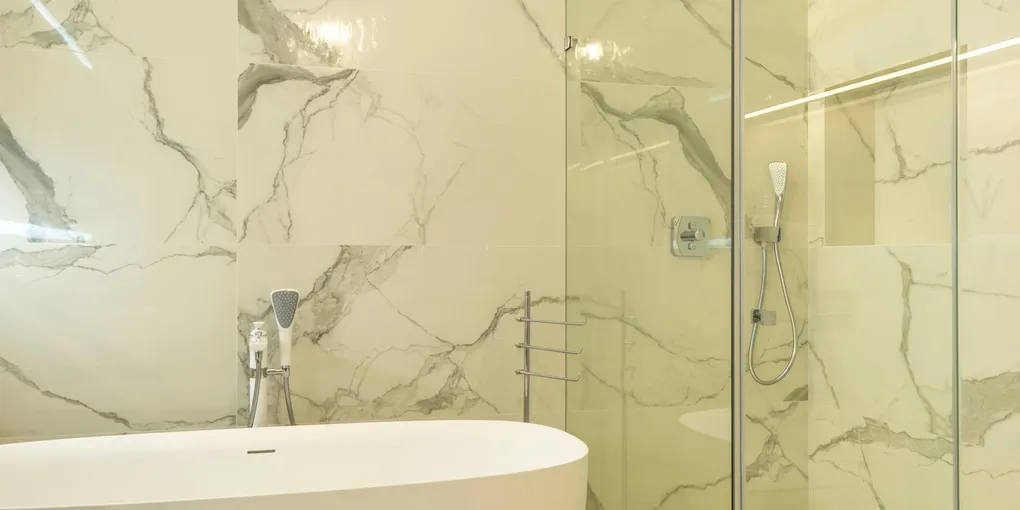
A corroded shower drain cover is more than an eyesore. Rust flakes can stain the shower pan, sharp corroded edges can catch bare feet, and a deteriorated cover that no longer sits flat can cause a tripping hazard.
A corroded shower drain cover is more than an eyesore. Rust flakes can stain the shower pan, sharp corroded edges can catch bare feet, and a deteriorated cover that no longer sits flat can cause a tripping hazard. Replacing it is a simple job that usually costs under twenty dollars and takes less than half an hour.
Tools and Materials You Will Need
- Phillips and flathead screwdrivers
- Penetrating oil (PB Blaster or similar)
- Needle-nose pliers
- Screw extractor set
- Rotary tool with cutting disc (if screws are broken)
- Replacement shower drain cover in stainless steel
- Stainless steel screws (usually included with the replacement)
- Old toothbrush and bathroom cleaner
Step 1: Soak the Corroded Screws
Before trying to remove the drain cover, apply penetrating oil to the screw heads. Spray PB Blaster, Kroil, or WD-40 directly onto each screw and into the screw slots. Let it soak for at least fifteen minutes, or overnight if the corrosion looks severe. The oil wicks into the rust and breaks the bond between the screw threads and the drain body threads, dramatically reducing the force needed to remove them.
Blot up any oil that runs into the drain opening with a paper towel — you do not want it in the p-trap.
Step 2: Remove the Drain Cover Screws
Try the correct screwdriver first. Most shower drain covers use a Phillips No. 2 screw, but some use a flathead or a square-drive. Press the screwdriver firmly into the screw head while turning counterclockwise — stripped screws are often caused by using the wrong size screwdriver or insufficient downward pressure rather than actual damage.
If the screw head is stripped, place a rubber band between the screwdriver and the screw head. The rubber fills the gaps in the damaged slot and provides enough grip to back out the screw in many cases.
For screws that are fully stripped, insert a screw extractor bit into a power drill set to reverse. Press the extractor firmly into the screw head and drill slowly — the extractor bites into the damaged screw and backs it out.
Step 3: Lift Out the Drain Cover
With the screws removed, lift the drain cover straight up. If it is stuck to the drain flange with years of soap scum and mineral scale, slide a flathead screwdriver under the edge and pry gently. Avoid bending the surrounding shower pan tile or liner.
Some drain covers have no screws and are held by spring tension or simply rest on top of the drain body. These lift straight up by hand or with needle-nose pliers inserted into two of the drain openings.
Step 4: Clean the Drain Flange
With the cover removed, clean the drain flange — the ring that the cover sits on — with a toothbrush and an all-purpose bathroom cleaner. Remove soap scum, rust staining, and any mineral deposits. Rinse thoroughly.
Check the drain flange for its own corrosion or cracks. If the flange itself is heavily rusted or cracked, the entire drain body may need replacement — a more involved job that requires access from below or a full drain replacement from above.
Step 5: Measure and Purchase the Replacement Cover
Measure the inner diameter of the drain opening (the hole itself) and the outer diameter of the flange. For square drains, measure both dimensions. Write these numbers down before shopping.
At the hardware store or online, look for a cover that matches the flange dimensions. Oatey, Sioux Chief, and Kohler all make replacement drain covers for common drain body sizes. If the brand name is stamped on the drain body (look inside the drain opening with a flashlight), searching that brand plus “replacement strainer” will find an exact match.
Choose 304 or 316 stainless steel for the best corrosion resistance. Avoid chrome-plated steel, which will corrode again. If you want to upgrade the look, linear drain covers in brushed stainless are available for standard round openings with an adapter.
Step 6: Install the New Drain Cover
Set the new drain cover into the flange opening. Align the screw holes if present. Insert the provided stainless steel screws and tighten them with a screwdriver until snug — do not overtighten, as cracking a plastic drain body is easy with excessive force. The cover should sit flat and flush with the shower pan surface.
If the replacement cover uses a snap-in design, press it firmly into the opening until it clicks into place.
Step 7: Test the Drain
Run water and confirm it drains freely through the new cover. Verify the cover is seated flat and does not rock or rattle. A correctly fitted drain cover should feel solid and show no movement when you step on it.
Preventing Future Corrosion
Rinse the drain cover with clean water after each shower to wash away soap residue and cleaning products that accelerate corrosion. Avoid leaving acidic cleaners or rust removers pooled on the drain cover. If you live in an area with hard water, wipe the cover dry periodically to prevent mineral scale from trapping moisture against the metal surface. A stainless steel cover treated this way should last ten or more years without visible corrosion.
- Soak the Corroded Screws
Before trying to remove the drain cover, apply penetrating oil to the screw heads. Spray PB Blaster, Kroil, or WD-40 directly onto each screw and into the screw slots.
- Remove the Drain Cover Screws
Try the correct screwdriver first. Most shower drain covers use a Phillips No. 2 screw, but some use a flathead or a square-drive.
- Lift Out the Drain Cover
With the screws removed, lift the drain cover straight up. If it is stuck to the drain flange with years of soap scum and mineral scale, slide a flathead screwdriver under the edge and pry gently.
- Clean the Drain Flange
With the cover removed, clean the drain flange — the ring that the cover sits on — with a toothbrush and an all-purpose bathroom cleaner. Remove soap scum, rust staining, and any mineral deposits. Rinse thoroughly.
- Measure and Purchase the Replacement Cover
Measure the inner diameter of the drain opening (the hole itself) and the outer diameter of the flange. For square drains, measure both dimensions. Write these numbers down before shopping.
- Install the New Drain Cover
Set the new drain cover into the flange opening. Align the screw holes if present. Insert the provided stainless steel screws and tighten them with a screwdriver until snug — do not overtighten, as cracking a plastic drain body is easy with excessive...
Free: 10-Point Home Maintenance Checklist
Prevent costly repairs with this seasonal checklist. Save hundreds every year by catching problems early.
Your checklist is ready!
Open Checklist →Something went wrong. View the checklist here.