How to Clean a Shower (Tile, Glass, Grout, and Fixtures)
Complete shower cleaning guide — tile walls, glass doors, grout lines, the floor pan, and the showerhead. Includes soap scum removal and mold prevention.
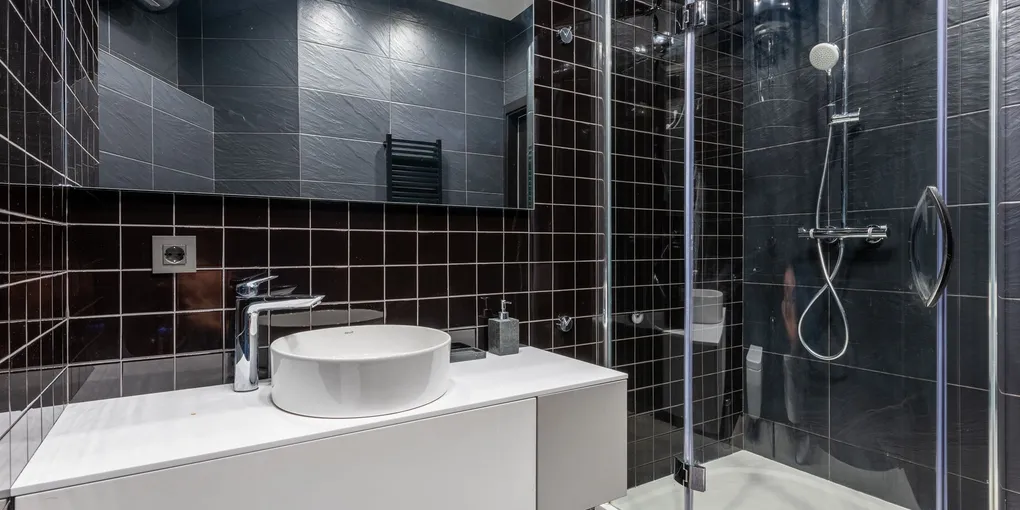
Cleaning a shower: (1) Spray tile walls and floor with a soap-scum cleaner (Kaboom, CLR, or dish soap + vinegar for light buildup). Let soak 5–10 minutes. (2) Scrub grout with a stiff brush — grout holds the most bacteria and mold. (3) Scrub tiles and the floor with a sponge or non-scratch scrubber, working top to bottom. (4) For glass doors: spray and wipe with a squeegee from top to bottom. A daily post-shower squeegee prevents 80% of glass buildup. (5) Rinse thoroughly with warm water. (6) Clean the showerhead by soaking in white vinegar for 30 minutes monthly. Clean weekly to prevent mold; regrout every 3–5 years.
Frequently Asked Questions
What is the best cleaner for soap scum in a shower?
CLR Bath & Kitchen Cleaner or Kaboom with OxiClean work better than all-purpose cleaners on soap scum because they contain ingredients that dissolve the calcium and fatty acid compounds soap scum is made of. For natural options, a paste of baking soda and dish soap (not vinegar — it can slowly etch grout) applied with a sponge is effective on light buildup.
How do you clean a glass shower door?
Spray the glass with a 50/50 white vinegar and water solution, let sit 5 minutes, then wipe with a microfiber cloth using circular motion. For heavy soap scum, use CLR or a commercial glass cleaner like Rain-X Shower Door. Squeegee after every shower to prevent future buildup — this single habit eliminates 90% of glass cleaning effort.
How often should you clean a shower?
Spray and squeegee after every shower. Quick wipe-down of the walls and fixtures weekly. Deep scrub of tile, grout, and the floor pan monthly. Showerhead soak (for mineral deposits) every 3-6 months.
How do you get mold out of shower grout?
Apply a bleach-based cleaner like Tilex Mold & Mildew Remover directly to the grout lines. Let sit 5-10 minutes. Scrub with a stiff grout brush. Rinse. For persistent mold that keeps returning: seal the grout (an annual sealant application closes the porous surface mold colonizes) and fix ventilation (the exhaust fan must run 20 minutes after each shower).
Can you use vinegar to clean a shower?
Yes, with caveats. Vinegar works well on glass doors and chrome fixtures. Do NOT use vinegar on natural stone (marble, travertine, limestone — it etches the surface) or on grout (repeated acid exposure slowly breaks down cement-based grout). For tile walls and grout, a commercial shower cleaner or baking soda paste is safer.
How do you clean a fiberglass shower?
Use a non-abrasive cleaner (Soft Scrub with Bleach, Bar Keepers Friend Soft Cleanser, or a baking soda paste). Avoid powdered abrasive cleaners like Comet and scrubbing pads with grit — fiberglass scratches easily and scratches trap soap scum and bacteria. A soft microfiber cloth or non-scratch sponge works best.
How do I clean a natural stone shower?
Never use vinegar, bleach, or acid-based cleaners on marble, travertine, or limestone — they etch and permanently dull the surface. Use a pH-neutral stone cleaner only. Grout lines in stone showers need a soft brush and stone-safe cleaner; avoid stiff wire brushes. Seal the stone annually with a penetrating stone sealer — unsealed natural stone absorbs soap scum and moisture that no cleaning product will fully remove. If your stone shows etching (dull spots that won't clean), professional re-honing is required.
How do I remove hard water stains from shower tile and glass?
For light calcium deposits on tile and glass, spray undiluted white vinegar, let sit 10-15 minutes, scrub with a non-scratch sponge, and rinse. For heavy scale (white, chalky buildup that won't budge), use CLR Bath & Kitchen Cleaner — apply, wait 2 minutes, scrub, rinse immediately. On glass only, a wet pumice stone removes heavy mineral deposits without scratching. Apply Rain-X Original on clean glass quarterly to repel water and prevent mineral buildup from bonding. The most effective long-term prevention is squeegeeing after every shower — removing water before it evaporates eliminates the minerals before they deposit.
Cleaning a shower: (1) Spray tile walls and floor with a soap-scum cleaner (Kaboom, CLR, or dish soap + vinegar for light buildup). Let soak 5–10 minutes.
A clean shower depends as much on daily habits as it does on cleaning sessions. The daily squeegee eliminates 80% of the deep-cleaning problem. When you do need a full scrub, the order below keeps you from re-dirtying surfaces you’ve already cleaned.
What You Need
Cleaners:
- Shower/tile cleaner (CLR Bath & Kitchen, Kaboom, Method Shower)
- Glass cleaner or white vinegar for glass doors
- Grout cleaner (Tilex Mold & Mildew, OxiClean, or baking soda + hydrogen peroxide)
- All-purpose spray (for fixtures, ledges)
- White vinegar (for showerhead soak)
Tools:
- Grout brush or old toothbrush
- Non-scratch sponge or microfiber cloths
- Squeegee
- Spray bottle (for DIY vinegar solution)
Amazon picks:
- CLR Bath & Kitchen Cleaner — dissolves soap scum and calcium buildup
- Tilex Mold and Mildew Remover — best for grout mold
- OxiClean Versatile Stain Remover — oxygen-based for tile and grout
- Bar Keepers Friend Soft Cleanser — fiberglass-safe, removes rust and stains
- Grout brush set — stiff bristles for grout lines
- Shower squeegee — the single habit that prevents most buildup
- Daily shower spray — spray after each shower to prevent soap scum
- Penetrating grout sealer — annual application blocks mold and staining
Step-by-Step: How to Clean a Shower
Step 1: Apply Products and Let Them Dwell
Apply cleaner to the walls, floor, and glass door before you start scrubbing anything. Dwell time does the work — most cleaners need 5-10 minutes of contact to break down soap scum and kill mold without elbow grease.
- Spray the walls with shower cleaner top to bottom
- Apply grout cleaner to discolored grout lines
- Spray the floor pan
- Spray the glass door (or spray vinegar solution)
Turn on the exhaust fan. Leave everything and move on.
Step 2: Clean the Showerhead
While cleaner dwells on the walls, address the showerhead. Mineral deposits clog the spray holes and reduce water pressure.
Method: Fill a zip-lock bag with undiluted white vinegar. Submerge the showerhead face in the bag and secure it with a rubber band around the neck. Leave 30-60 minutes for light buildup, up to overnight for severe clogging. Remove, run hot water to flush, use a toothpick to clear any remaining holes.
For a removable showerhead, unscrew it and soak in vinegar in the sink.
Full guide: How to Clean a Showerhead
Step 3: Scrub the Walls
Start at the top and work down. Spray surfaces first if they’ve dried during the showerhead step.
Tile walls: Scrub with a non-scratch sponge or microfiber cloth. Pay attention to:
- Grout lines (use the grout brush — the flat sponge won’t reach)
- The bottom row of tiles where splash accumulates
- Tile edges and corners where soap scum concentrates
Fiberglass or acrylic surrounds: Use only non-abrasive cleaners and soft cloths. Powdered abrasives scratch the surface, which then holds more soap scum and bacteria than before. Bar Keepers Friend Soft Cleanser is the exception — it’s effective without being abrasive.
Natural stone (marble, travertine): DO NOT use vinegar or acid-based cleaners. Use pH-neutral stone cleaner only. Stone requires different care than ceramic tile.
Step 4: Scrub the Grout
Return to the grout lines. The cleaner has been sitting since Step 1.
Scrub with the grout brush using short strokes perpendicular to the grout line. Focus on:
- Mold-black or brown-gray discoloration (mold — needs bleach-based cleaner)
- White or gray deposits (mineral buildup — needs acid-based cleaner like CLR)
- Soap scum-tinted lines (combination product like Kaboom works well)
Don’t mix bleach-based and acid-based products in the same session without thoroughly rinsing between them — mixing creates chlorine gas.
After cleaning: If the grout looks clean but keeps staining within weeks, seal it. A penetrating grout sealer applied annually closes the porous cement surface that traps mold spores and soap residue. It takes 30 minutes and dramatically reduces how often you need to scrub.
More detail: How to Clean Grout
Step 5: Clean the Glass Door or Curtain
Glass door: Spray with glass cleaner or a 50/50 vinegar-water solution. Wipe in circular motion with a microfiber cloth, then squeegee top to bottom. Don’t forget the door track — it collects water, soap, and mildew. Use a toothbrush soaked in cleaner to scrub the track, then rinse.
For soap scum that doesn’t respond to glass cleaner, apply CLR, let sit 5 minutes, wipe, rinse. Magic Erasers also work on glass scum.
Shower curtain:
- Fabric curtain: machine wash warm, tumble dry low. Most are washer-safe.
- Plastic liner: machine wash cold, hang to dry — or replace for $8-12 if mold is heavy.
Step 6: Scrub the Floor Pan
The shower floor pan gets the most buildup — body oils, soap, and mineral deposits concentrate here. Scrub with a brush (not a sponge — brushes reach texture grooves in anti-slip flooring).
Pay attention to:
- The drain surround (buildup concentrates here)
- Anti-slip texture grooves (soap scum hides inside)
- Caulk lines where the pan meets the walls (check for mold and caulk failure)
If the caulk at the pan-wall joint is molded or peeling, it needs to be replaced — it won’t come clean by scrubbing. See How to Caulk a Bathtub for the process.
Step 7: Rinse Everything Top to Bottom
Rinse the walls from top to bottom with the showerhead. Make sure cleaner residue is fully gone — some cleaners leave streaks if they dry on tile.
Rinse the door tracks and any ledges.
Run hot water to flush the drain of loosened debris.
Step 8: Dry and Squeegee
Squeegee the glass door and tile walls. Wipe fixtures with a dry microfiber cloth — chrome and nickel water-spot quickly.
Leave the shower door or curtain open to allow airflow and faster drying.
Daily Habits That Slash Deep Cleaning Time
Squeegee after every shower. 60 seconds. Removes 90% of the water that dries into soap scum and mineral deposits. A wall-mounted squeegee makes this frictionless.
Daily shower spray. Spray-and-leave products (Method Daily Shower, Clean Shower) go on after you get out. No wiping — the spray prevents soap scum from bonding. Use it daily and your walls stay clean with minimal scrubbing.
Run the exhaust fan 20 minutes after showering. Not during — after. The goal is to remove humid air before it condenses on surfaces. Mold needs sustained moisture to establish. Proper ventilation is the cheapest mold prevention.
Surface-Specific Quick Reference
| Surface | Use | Avoid |
|---|---|---|
| Ceramic/porcelain tile | Any shower cleaner, OxiClean, vinegar | Nothing major |
| Natural stone (marble, travertine) | pH-neutral stone cleaner only | Vinegar, bleach, CLR |
| Fiberglass/acrylic | Soft Scrub, Bar Keepers Friend Soft, baking soda | Abrasive powders, scrub pads |
| Glass door | Vinegar solution, glass cleaner, CLR for scum | Abrasive pads |
| Grout | Tilex, OxiClean, baking soda+peroxide | Vinegar (long-term) |
| Chrome fixtures | All-purpose, dry microfiber finish | Abrasive pads |
Related Reading
- How to Clean Grout — dedicated grout cleaning methods
- How to Clean a Showerhead — mineral deposit removal
- How to Replace a Showerhead — when cleaning isn’t enough
- How to Caulk a Bathtub — reseal the pan-wall joint
- How to Deep Clean a Bathroom — full bathroom cleaning sequence
- How to Install a Bathroom Exhaust Fan — fix the ventilation that prevents mold
- How to Fix a Floor Tile That Is Loose — repair loose or hollow tiles in the shower before resealing
- How to Fix Shower Caulk — repair cracked or moldy caulk lines in the shower after cleaning
- Step-by-Step: How to Clean a Shower
Spray the walls with shower cleaner top to bottom Apply grout cleaner to discolored grout lines
- Daily Habits That Slash Deep Cleaning Time
Squeegee after every shower. 60 seconds. Removes 90% of the water that dries into soap scum and mineral deposits. A wall-mounted squeegee makes this frictionless.
- Surface-Specific Quick Reference
| Surface | Use | Avoid | |---
Free: 10-Point Home Maintenance Checklist
Prevent costly repairs with this seasonal checklist. Save hundreds every year by catching problems early.
Your checklist is ready!
Open Checklist →Something went wrong. View the checklist here.