Bathtub Refinishing Cost 2026: $300–$650 Professionally
Bathtub refinishing costs $300–$650 professionally — a fraction of $3,000–$8,000 for replacement. How long it lasts, when it makes sense, and what DIY kits actually deliver.
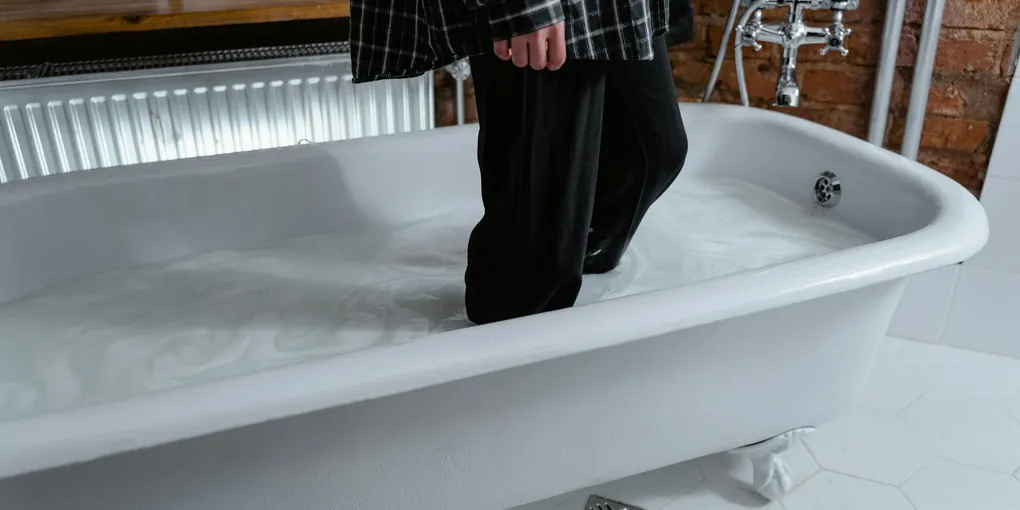
Bathtub refinishing (reglazing) costs $300–$650 professionally. A complete tub surround reglazing (tub + tile walls) costs $600–$1,200. DIY refinishing kits cost $30–$80 but produce inferior results that last 2–3 years vs. 10–15 years for professional work. Refinishing is best when the tub structure is sound but the finish is stained, chipped, or outdated. Replacement costs $2,000–$6,000+, making refinishing an 80–90% savings.
Frequently Asked Questions
How much does bathtub refinishing cost?
Professional bathtub refinishing costs $300–$650 for a standard tub with light prep. Heavy rust, chips, or significant surface damage requiring extensive prep adds $50–$150. Reglazing the tile surround (walls) adds $300–$600 to the tub cost. Cast iron tubs take longer to prep and cost $450–$750. Total for tub + surround professionally reglazed: $600–$1,200. DIY kits (Rust-Oleum Tub & Tile, Homax Tub Repair) cost $30–$80 but require proper ventilation and produce results lasting 2–5 years vs. 10–15 years for professional epoxy spray.
How long does bathtub refinishing last?
Professional bathtub refinishing using urethane or acrylic spray topcoats lasts 10–15 years with proper care. DIY roller or brush-applied kits last 2–5 years before yellowing, peeling, or flaking. The longevity difference comes from the professional spray equipment, which produces a smooth, uniform coat without brush marks, and the commercial-grade 2-part urethane chemistry used by professional refinishers. With proper maintenance (no abrasive cleaners, use a bath mat rather than suction cups), professional refinishing can approach the lifespan of a new tub insert.
Is it worth refinishing a bathtub or should I replace it?
Refinish if: the tub structure is sound (no cracks through to the substrate, no flex in the floor of the tub, no leaks), the surface has cosmetic damage only (staining, chips, discoloration), and the tub style still works for the bathroom. Replace if: the tub has structural cracks, the floor flexes when you stand in it (fiberglass delamination), the drain or plumbing has issues, or you want to change the tub size or type. Refinishing saves $1,500–$5,000 vs. replacement — it's almost always worth doing once on a structurally sound tub.
What is the difference between reglazing, refinishing, and resurfacing?
Reglazing, refinishing, and resurfacing are the same service — different terms used by different contractors for the same process: chemically etching the existing surface, applying adhesion promoter, and spraying multiple layers of topcoat. 'Reglazing' is the most technically accurate (re-applying a glaze coat) and is most common in the Northeast. 'Refinishing' and 'resurfacing' are used interchangeably everywhere else. 'Recoating' sometimes refers to a thinner single-coat touch-up job — less durable than full refinishing.
What surfaces can be refinished besides bathtubs?
Professional refinishers can recoat: bathtubs (porcelain, cast iron, fiberglass, acrylic), shower pans and bases, bathroom tile (walls and floor), bathroom sinks and vanity tops, kitchen sinks, and countertops (laminate, ceramic tile). Full bathroom refinishing (tub + tile walls + floor tile + sink) typically runs $1,500–$3,000, vs. $8,000–$20,000 for a full bathroom renovation. For bathrooms with outdated pink or green tile where the underlying tile is sound, refinishing to white or light gray is a dramatic update for $600–$1,200.
Can I use my bathtub immediately after refinishing?
Professionally reglazed tubs require 24–48 hours before first use (water contact). The refinisher should give you a specific cure time based on the product and ambient temperature. After the initial cure period, avoid soaking the tub for more than 30 minutes at a time for the first 2–3 weeks while the coating continues to cure. DIY kits typically specify 48–72 hours before use. Both professional and DIY work should be done with windows open and the bathroom well-ventilated — the spray process and curing involve strong solvents and isocyanate compounds that require adequate airflow.
Bathtub refinishing costs $300–$650 for a standard tub in 2026, compared to $2,000–$6,000 for full replacement. The coating lasts 10–15 years with proper care (no abrasive cleaners, re-caulk annually). Best for: tubs that are structurally sound but stained, discolored, or outdated in color. Not suitable for: tubs with cracks, chips through to the fiberglass, or severe rust. DIY refinishing kits ($30–$100) are available but professional results are dramatically better.
Bathtub refinishing is the most cost-effective bathroom upgrade available — 10–15 years of fresh appearance for $300–$650, compared to $2,000–$6,000 for replacement. The key is hiring the right contractor and maintaining the coating correctly.
Bathtub Refinishing Cost by Scope
| Scope | Professional Cost |
|---|---|
| Tub only (light prep) | $300–$550 |
| Tub only (heavy prep, rust, chips) | $450–$750 |
| Cast iron tub (extra prep weight) | $450–$750 |
| Tub + 3-wall tile surround | $700–$1,400 |
| Tub + floor tile + walls | $1,000–$2,000 |
| Walk-in shower refinishing | $500–$900 |
| Sink reglazing (bathroom) | $150–$300 |
| Full bathroom (tub + tile + sink) | $1,200–$2,500 |
Refinish vs. Replace: The Math
| Option | Cost | Disruption | Result |
|---|---|---|---|
| DIY kit | $30–$80 | 4 hours | 2–5 year finish |
| Professional refinishing | $300–$650 | 1 day | 10–15 year finish |
| Tub surround insert | $800–$2,500 | 2–3 days | 15–25 year install |
| Full tub replacement | $2,000–$6,000+ | 3–5 days | 15–25 year fixture |
| Full bathroom renovation | $8,000–$25,000 | 2–4 weeks | Complete refresh |
For a structurally sound tub with cosmetic issues, professional refinishing beats every other option on value. For a tub with structural problems or a bathroom in need of complete renovation, replacement makes more sense.
Tub Material and Refinishing Compatibility
| Material | Refinishes Well? | Notes |
|---|---|---|
| Porcelain over cast iron | Excellent | Prep-intensive but best final result |
| Porcelain over steel | Excellent | Most common tub in homes |
| Fiberglass | Good | Must confirm no delamination first |
| Acrylic | Good | Clean prep required |
| Cultured marble | Good | Can change color effectively |
Regional Cost Variations
Reglazing labor rates vary modestly by market — materials are largely the same everywhere, but technician rates differ:
| Region | Tub Only | Tub + Surround |
|---|---|---|
| Northeast (NY, MA, NJ) | $400–$750 | $900–$1,600 |
| Mid-Atlantic (DC, MD, VA) | $350–$700 | $800–$1,500 |
| Southeast (FL, GA, TX) | $275–$575 | $600–$1,200 |
| Midwest | $300–$600 | $650–$1,300 |
| Pacific (CA, WA, OR) | $400–$750 | $900–$1,600 |
Urban markets (NYC, LA, Chicago) typically run 20–30% above their regional range. Travel fee may apply for rural locations outside of the service area.
Professional Reglazing Companies: National vs. Local
| Option | Price Range | Notes |
|---|---|---|
| Miracle Method | $300–$700 tub only | Largest national franchise; 150+ locations; 5-year warranty |
| Dr. Tubs Refinishing | $275–$650 | Regional presence; competitive pricing |
| Surface Renew | $300–$700 | Mid-range national chain |
| Local independent refinisher | $275–$650 | Often best value; quality varies by operator |
| General contractor add-on | $400–$900 | Typically marked up; quality varies widely |
The local specialist advantage: an independent reglazer who works only on bathtubs and tile typically has more hours of spray experience than a general contractor who occasionally offers refinishing as an add-on. Ask any refinisher how many tubs they coat per month — a dedicated specialist should say 15–30+.
Color Options and Color Changes
Bathtub refinishing is not limited to white:
| Color Type | Cost Premium | Notes |
|---|---|---|
| Standard white/off-white | Baseline | Most common |
| Bone, biscuit, almond | +$0–$50 | Standard inventory colors |
| Custom color match | +$50–$150 | Match existing fixtures or tile |
| Gray, charcoal | +$0–$100 | Modern finish, increasingly common |
| Black | +$50–$150 | Shows water spots more; requires specific products |
Changing from original color: refinishing can convert a 1970s avocado green tub to white — it’s one of the most effective uses of the service. Color change requires a proper base coat and full topcoat system. Light colors over dark substrates may need an extra coat (+$50–$100).
When to Use DIY Refinishing Kits
DIY kits make sense only in specific situations:
| Situation | DIY Kit Appropriate? | Why |
|---|---|---|
| Rental property with cosmetic wear | Yes | Short tenancy cycle; cost minimization |
| Small area touch-up | Yes | Chips under 1-inch; spot repair only |
| Main household bathroom | No | Daily use requires professional durability |
| Tub with chipping previous coating | No | Re-adherence over old coating fails quickly |
| Heavy staining or rust | No | Needs professional prep equipment |
Best DIY kit brands: Rust-Oleum Tub & Tile ($30–$45), Homax Tub Repair ($20–$35 for patch), Giani Bathtub Paint Kit ($60–$80 for full coverage). All use brush or roller application — results show application marks under direct light.
Questions to Ask Before Hiring a Refinisher
- Do you spray or brush apply? — spray is the only professional method; brush/roller = DIY-quality finish
- What is the topcoat chemistry? — urethane or acrylic-urethane are most durable; acrylic-only is cheaper and less durable
- What is your warranty? — 5-year warranty against peeling is industry standard; 1-year is a red flag
- How many coats do you apply? — quality work includes an adhesion promoter, base coat, and at least 2 topcoats
- Do you have ventilation equipment? — large commercial exhaust fans should be used; improvised bathroom venting is inadequate for professional spray application
DIY supplies (if you tackle it yourself)
Related Reading
- How to Fix a Chipped Bathtub
- How to Caulk a Bathtub
- Bathroom Remodel Cost
- Shower Remodel Cost
- Bathroom Vanity Cost
- Small Bathroom Remodel Ideas
- Assess whether the tub structure qualifies for refinishing
Check four things before scheduling a refinisher: (1) Tap the tub floor — fiberglass/acrylic that has delaminated sounds hollow (vs. solid thud of a good tub). A hollow sound with flex when you press means the fiberglass substrate has failed — refinishing won't fix structural delamination. (2) Check for cracks that go through the tub wall — cosmetic surface crazing can be prepped and refinished, but cracks through the material require fiberglass repair first. (3) Look for rust on cast iron — surface rust can be prepped; deep pitting or rust-through is harder to address and may be a replacement trigger. (4) Check drain and plumbing for any leaks — refinishing the surface while the drain leaks just delays the inevitable.
- Get quotes from refinishers who use spray application, not brush-and-roll
The spray application method (commercial HVLP gun or cup gun) produces a factory-smooth finish. Brush-and-roll application leaves texture and is used mostly for DIY kits. Ask any refinisher: 'Do you spray or brush apply?' Spray = professional quality lasting 10–15 years. Brush = DIY-quality lasting 2–5 years regardless of whether it's done by a pro. Also ask about the topcoat chemistry: urethane (most durable), acrylic urethane (good balance), or acrylic only (cheaper, less durable). A good pro will tell you their product chemistry without prompting.
- Clear the bathroom for 24 hours before and after the work
Professional reglazing requires: removing everything from the tub and surrounding area, protecting the toilet, floor, and fixtures with plastic sheeting (the overspray is significant), and ensuring ventilation. The refinisher will do the masking and protection — your job is to clear the room. Plan to be out of the bathroom entirely during the process and for 4–6 hours after (solvent odor, ventilation needed). Many contractors ask you to run the exhaust fan and open windows for 24 hours post-application. Don't use the bathroom for cleaning or showering during this period.
- Maintain the coating correctly — abrasives will destroy it in months
Refinished surfaces are harder than the original porcelain but more susceptible to abrasion. Rules for longevity: (1) Never use abrasive cleaners (Comet, Ajax, SoftScrub) — they microscratch the coating leading to dullness and early failure. Use only liquid dish soap or dedicated refinished-surface cleaner. (2) Avoid suction-cup bath mats — they pull at the coating when removed. Use a non-suction bath mat that rests on the tub floor. (3) Use mild cleaners only — bleach at full strength can dull the finish over time. Dilute bathroom cleaners to 1:10 or use pH-neutral alternatives. (4) Clean regularly — letting soap scum accumulate and using stronger cleaners to remove it is worse than gentle daily cleaning.
- Plan for 10-year re-refinishing in your home maintenance budget
Professional refinishing can typically be done 2–3 times on a tub before the accumulated coatings begin to cause adhesion or appearance issues. After 10–15 years, a reglaze refreshes the finish and extends tub life for another decade. Budget $300–$650 in your 10-year home maintenance schedule. Compare this to a full tub replacement ($2,000–$6,000 in bathroom disruption, tile demo, plumbing labor) — refinishing is the clear value play for tubs in good structural condition. Track the refinishing date and the contractor for when the repeat work comes due.
Free: 10-Point Home Maintenance Checklist
Prevent costly repairs with this seasonal checklist. Save hundreds every year by catching problems early.
Your checklist is ready!
Open Checklist →Something went wrong. View the checklist here.