Shower Remodel Cost 2026: $1,500–$20,000 by Scope
Shower remodel costs $1,500–$5,000 for a prefab surround swap, $3,500–$10,000 for a tiled renovation, and $8,000–$20,000+ for a custom tile shower with frameless glass.
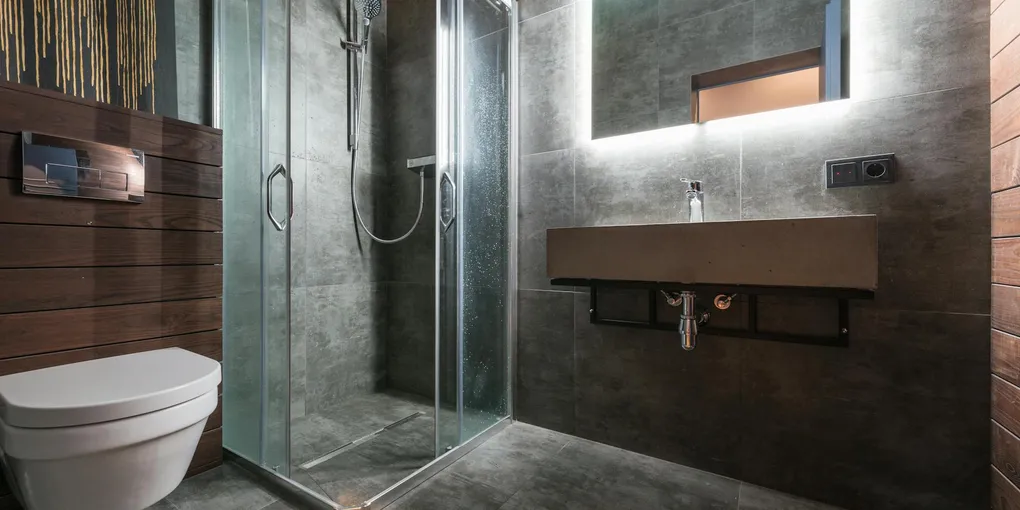
Shower remodel costs $1,500–$5,000 for a prefab/acrylic surround replacement, $3,500–$10,000 for a tiled shower renovation, and $8,000–$20,000+ for a custom tile shower with niche, bench, and frameless glass. The biggest cost drivers are whether you're tiling (labor-intensive), whether the pan needs replacement, whether the drain or valve needs moving, and whether the walls have water damage behind the old tile.
Frequently Asked Questions
How much does it cost to remodel a shower?
Shower remodel costs range from $1,500 (prefab acrylic surround swap) to $15,000+ (custom tiled walk-in with frameless glass door). The midpoint — a fully tiled shower with a pre-slope pan, standard showerhead, and framed glass door — runs $4,000–$8,000. Cost is primarily driven by tile choice, drain/valve relocation, and glass enclosure type.
How much does a walk-in shower conversion cost?
Converting a tub-shower combo to a walk-in shower costs $3,000–$10,000 depending on size and materials. The plumbing work (moving the drain, installing a linear or center drain, rerouting the hot/cold supply) runs $500–$1,500. A custom-tiled walk-in shower with frameless glass door typically costs $6,000–$12,000. Budget walk-ins using a prefab base and tile surround kit come in at $2,000–$4,000.
How much does it cost to replace a shower pan?
Replacing a shower pan costs $800–$2,500 for a prefab fiberglass/acrylic base, or $1,500–$4,000 for a mud-set tiled pan. The cost difference is driven by whether the new pan requires re-doing the drain rough-in and whether surrounding tile needs to be removed. A cracked fiberglass pan replacement (same size, same drain location) is $800–$1,500 installed. Custom mud-set pans with custom slope are $1,500–$3,500.
How much do shower tiles cost to install?
Shower tile installation costs $10–$25 per square foot for standard ceramic or porcelain tile, $15–$35/sq ft for larger format tiles (12x24 or 24x24), and $25–$60/sq ft for natural stone (marble, travertine). Labor to tile a 36x36 shower stall (approximately 75 sq ft of walls) runs $750–$1,875 at $10–$25/sq ft. Materials add $150–$750 for the tiles depending on grade and source. Budget $1,000–$3,000 for tiling walls in an average shower enclosure.
How much does a frameless shower door cost?
Frameless glass shower doors cost $800–$2,500 installed for a single door or pivot panel. A frameless corner shower enclosure (two glass panels + door) runs $1,200–$3,500. Semi-frameless doors cost $400–$1,200 installed. Framed sliding doors cost $250–$700 installed. Glass thickness (3/8-inch vs. 1/2-inch), hardware finish (chrome, brushed nickel, matte black), and opening type (pivot, sliding, hinged) drive the price range.
Should I convert my tub to a walk-in shower?
A tub-to-shower conversion makes sense if: no one in the household uses the tub regularly, you're aging in place (walk-in is safer), or you want a larger shower footprint. ROI is moderate — a shower-only bathroom may appeal less to buyers with young children. If the bathroom has only one tub, keep it as a tub/shower combo or install a freestanding tub. If there's a second tub elsewhere in the home, full walk-in conversion is fine for resale.
Shower remodel costs $1,500–$5,000 for a prefab/acrylic surround replacement, $3,500–$10,000 for a tiled shower renovation, and $8,000–$20,000+ for a custom tile shower with niche, bench, and frameless glass.
A shower remodel is one of the most impactful bathroom upgrades — and one of the widest-ranging in cost. A prefab acrylic surround replacement costs $1,500. A custom tile walk-in shower with frameless glass can hit $15,000. Understanding what drives the difference is the key to getting accurate quotes.
Shower Remodel Cost by Project Type
| Project Type | Average Cost |
|---|---|
| Prefab surround replacement (acrylic/fiberglass) | $1,500–$4,000 |
| Tiled shower renovation (same footprint) | $3,500–$8,000 |
| Tub-to-walk-in shower conversion (prefab base) | $2,000–$5,000 |
| Tub-to-walk-in shower conversion (tiled) | $5,000–$12,000 |
| Custom tiled shower with frameless glass | $7,000–$18,000 |
| Shower pan replacement only | $800–$2,500 |
| Shower door replacement | $400–$2,500 |
| Shower tile re-grout + recaulk | $300–$900 |
| Shower valve replacement | $200–$600 |
What Drives Shower Remodel Cost
Tiled vs. Prefab
This is the single biggest cost driver. Prefab showers are factory-molded acrylic or fiberglass panels that install in a day. Tiled showers are built from scratch: substrate, waterproofing, mortar bed or shower pan, tile, grout, and caulk. The labor cost difference is 3–5x.
Prefab advantages: Fast (1–2 days), lower cost, easier maintenance (fewer grout lines), predictable result, no moisture concerns if installed correctly.
Tile advantages: Custom sizes, unlimited design flexibility, higher perceived value, longer lifespan (30+ years vs. 15–20 for acrylic), better resale appeal in mid-to-high-end homes.
Tile Selection
| Tile Type | Material Cost | Installed Cost (per sq ft) |
|---|---|---|
| Ceramic (standard) | $1–$4/sq ft | $8–$18/sq ft |
| Porcelain (standard) | $2–$7/sq ft | $10–$22/sq ft |
| Large format porcelain (24x24+) | $3–$10/sq ft | $15–$35/sq ft |
| Subway tile (3x6) | $2–$5/sq ft | $10–$20/sq ft |
| Natural stone (travertine, marble) | $5–$20/sq ft | $20–$50/sq ft |
| Mosaic / penny tile (floor) | $3–$15/sq ft | $15–$35/sq ft |
| Designer large format slab | $10–$40/sq ft | $25–$60/sq ft |
Glass Enclosure
| Door Type | Installed Cost |
|---|---|
| Framed sliding door (standard) | $250–$700 |
| Semi-frameless pivot door | $400–$1,200 |
| Frameless single door (3/8-inch glass) | $800–$1,800 |
| Frameless corner enclosure (1/2-inch glass) | $1,500–$3,500 |
| Frameless walk-in with return panel | $1,200–$2,500 |
| No door (wet room / open concept) | $0 (waterproofing upgrades required) |
Drain and Valve Work
- Shower valve replacement: $200–$600 — almost always worth doing during a remodel (old pressure-balance valves become thermostatic, adding anti-scald protection)
- Drain relocation (crawlspace/basement): $300–$800
- Drain relocation (slab): $600–$1,500 (concrete cutting required)
- Linear drain installation: $400–$1,200 (slope-to-one-side pan required)
- Body spray addition: $150–$400 per outlet (requires volume control valve upgrade)
Water Damage Discovery
Water damage behind old tile is common — especially around the pan, corners, and any penetrations. Budget contingency:
- Wet cement board: $200–$500 to replace
- Minor subfloor rot: $400–$1,000
- Significant subfloor rot + joist damage: $1,000–$3,000
- Mold remediation: $500–$2,000
This contingency is why shower remodels often come in over budget. A transparent contractor will flag wet board immediately; one who doesn’t mention it until asking for more money is a red flag.
DIY vs. Professional Shower Remodel
What Pros Do Best
Tile installation, waterproofing membrane application, and glass door installation all require skill and the right tools. Tile work that looks level but isn’t causes grout cracking and eventual water intrusion. Hiring a tile setter for the walls and floor is worth the $500–$2,000 premium over DIY attempts.
What Homeowners Can DIY
- Demo (removing old tile, surround panels, fixtures)
- Painting the bathroom while walls are exposed
- Installing the showerhead and fixtures after plumbing rough-in is done
- Installing a prefab shower surround kit (Kohler, Delta, or Swanstone kits are DIY-friendly)
The True DIY Savings on a Tiled Shower
Labor breakdown on a tiled shower:
- Demo: $300–$600 (DIYable)
- Tile installation: $750–$2,500 (professional recommended)
- Plumbing: $300–$800 (licensed plumber in most states)
- Glass door: $400–$1,200 (DIYable with help — glass is heavy)
- Painting / finish work: $150–$400 (DIYable)
DIY demo, painting, and door installation saves $1,000–$2,000 on a $5,000–$10,000 project. The tile work is where most homeowners underestimate the skill involved.
Popular Shower Upgrades Worth the Money
Rain showerhead: $50–$300 for the fixture; plumbing may need modification for wall-mounted arms to ceiling mount. High-visual-impact upgrade.
Built-in niche: A recessed soap/shampoo shelf cut into the wall costs $200–$500 added during a remodel. Nearly impossible to add after tile is done. Specify it upfront.
Bench: A tiled bench in a walk-in shower adds $500–$1,500 depending on whether it’s mud-set or a prefab teak/stone top. Aging-in-place value and daily convenience.
Heated floor: An electric mat under the shower floor tile costs $150–$350 for the mat (DIY-installable by a competent DIYer before tile is set) + $200–$400 for electrical connection. The Nuheat or Ditra-Heat system works under the same Ditra uncoupling mat already recommended for tile over plywood. Radiant shower floors are a high-satisfaction upgrade.
Thermostatic valve: A thermostatic valve maintains exact water temperature regardless of elsewhere-in-the-house water use. Moen ioDigital or Kohler DTV+ run $400–$1,500 for the valve — a meaningful upgrade if you share a home with people who change water elsewhere while you’re showering.
Getting Accurate Quotes
Three quotes is standard for any shower remodel over $3,000. When reviewing bids:
- Confirm what’s included: Does the tile quote include waterproofing membrane? Cement board? Or just tile on whatever substrate exists?
- Confirm the plumbing scope: Valve, drain, and supply work should be in a separate plumbing quote unless the contractor is also a licensed plumber.
- Ask about the waterproofing approach: RedGard paint-on membrane, Schluter Kerdi sheet membrane, or Wedi board are the credible options. “I use cement board” alone is not a waterproofing answer.
- Ask for references from recent shower tile work specifically. General tile experience doesn’t transfer to shower waterproofing.
Regional Shower Remodel Cost Variations
| Region | Cosmetic Refresh (tile regrout + fixtures) | Mid-Range Tile Replacement | Full Gut Remodel |
|---|---|---|---|
| Northeast (NY, MA, NJ) | $1,500–$4,000 | $5,000–$12,000 | $10,000–$25,000 |
| Mid-Atlantic (DC, MD, VA) | $1,400–$3,700 | $4,500–$11,000 | $9,000–$23,000 |
| Southeast (FL, GA, TX) | $1,000–$3,000 | $3,500–$8,500 | $7,000–$18,000 |
| Midwest | $1,100–$3,200 | $3,800–$9,000 | $7,500–$19,000 |
| Pacific (CA, WA, OR) | $1,400–$3,700 | $4,800–$11,500 | $9,500–$24,000 |
Full gut includes waterproofing, new cement board or backer, tile, fixtures, and drain. Labor is 50–60% of the total cost; material upgrades (large-format tile, rain head, linear drain) add $1,000–$5,000.
Shower Remodel Contractor Comparison
| Contractor Type | Best For | Cost Level | Notes |
|---|---|---|---|
| Local tile contractor + licensed plumber | Best quality; most customizable | Moderate | Specialists produce the cleanest tile work; plumber handles valve/drain; requires coordination |
| Bath Fitter | Speed; one-day acrylic overlay solution | Moderate | Installs acrylic liner over existing tile — fast but not a full renovation; 20-year warranty |
| Re-Bath | Full bathroom renovation; national franchise | Moderate–High | More comprehensive than Bath Fitter; handles full remodels; quality varies by franchise |
| Kohler LuxStone | Premium acrylic shower systems | High | Premium product quality; higher price point; limited style options vs. custom tile |
| General contractor | Large bathroom renovation with other trades | Moderate–High | Right for full bathroom remodel with plumbing and electrical changes beyond just the shower |
| DIY (confident tile setter) | Budget-conscious; experienced tile work | Materials only ($1,500–$5,000) | The waterproofing step is where DIY failures occur — Schluter Kerdi or RedGard required |
For a permanent, custom tile shower: local tile contractor + plumber coordination produces the best result. Bath Fitter and Re-Bath are legitimate for overlay solutions and speed, but they can’t match custom tile for appearance.
Questions to Ask Your Shower Remodel Contractor
-
What waterproofing system will you use, and is it a membrane system or paint-on application? — Shower waterproofing is the most critical step in a tile shower installation — it’s also the step most commonly shortcut. Ask: “What waterproofing system will you use?” Acceptable systems: Schluter Kerdi sheet membrane (industry gold standard), Wedi board (foam waterproofing board), or RedGard paint-on membrane applied in two full coats. Not acceptable: “I use cement board — that’s waterproofing.” Cement board is water-resistant, not waterproof. Cement board alone behind tile in a shower is one of the most common causes of shower failures and water damage. The specific product name matters — push for it.
-
Will you perform a flood test before tiling, and what does the test verify? — A flood test (filling the shower pan with water and leaving it for 24 hours to verify no leakage) is the only way to verify that the waterproofing and liner are intact before tile is installed. Once tile is on, you cannot access the waterproofing without demolition. Ask: “Do you perform a flood test before tiling?” A contractor who doesn’t flood test is asking you to trust the waterproofing without verifying it — a shower that leaks beneath the tile may not show water damage for 1–5 years, by which point the subfloor, joists, and adjacent framing are significantly damaged.
-
Who will do the plumbing — are you licensed, or will you subcontract a licensed plumber? — Shower plumbing (valve rough-in, drain, supply) requires a licensed plumber in most jurisdictions. Tile contractors are not typically plumbers. Ask: “Are you licensed for plumbing, or will you subcontract it?” Get the plumber’s name and license number. Also ask: “Will the valve and drain work be permitted and inspected?” Shower drain and valve work is not always inspected in practice, but a licensed plumber who pulls a permit and has their work inspected provides code assurance that protects you — especially important for resale and insurance coverage.
-
What size and format tile are you experienced with, and does the quoted labor rate change for large-format (24×24+) or specialty tiles? — Large-format tile (18×18, 24×24, or large subway) requires more substrate prep to achieve a flat plane, more skill to minimize lippage, and more time than standard 12×12 tile. Mosaic and natural stone also require different installation techniques. Ask: “What is your experience with the specific tile I’ve chosen, and does the labor price change for large-format or specialty materials?” A contractor who quotes the same labor rate regardless of tile format may not fully account for the additional work — or may not have the experience to execute large-format well.
-
What is the warranty on your waterproofing and tile work, and do you offer a callback service in year 1? — Shower tile installations often reveal installation issues in the first year: grout cracking at corners (caulk, not grout, belongs there), tile movement from inadequate substrate, or water seeping at the curb. Ask: “What warranty do you provide on the waterproofing and installation, and will you address issues that arise in the first year?” A contractor who offers a 1-year workmanship warranty and will come back to address failures is standing behind the work. One who offers no warranty on a $6,000–$15,000 tile shower is telling you something about their confidence in the installation quality.
Related Reading
- Bathroom Remodel Cost
- Tile Flooring Installation Cost
- How to Regrout a Shower
- How to Fix a Bathroom Tile That Fell Off — reattach wall tiles before a shower remodel makes it a bigger job
- How to Recaulk a Shower
- How to Fix a Leaking Shower Valve
- Plumber Cost
- How to Fix a Floor Tile That Is Loose
- Bathroom Vanity Cost
- How to Fix a Broken Shower Door Hinge — repair or replace a loose or snapped hinge before budgeting for a full door replacement
- How to Fix a Broken Shower Glass Door Seal — replace a leaking or worn seal on a frameless or framed glass shower door
- How to Fix a Broken Tile in Shower — replace a cracked or broken shower wall tile before deciding whether a full remodel is needed
- How to Fix a Broken Tile Shower Niche — repair a cracked or water-damaged recessed shower niche
- How to Fix a Corroded Shower Drain Cover — replace a rusty or damaged shower drain cover before or after a remodel
- How to Fix a Cracked Bathtub — repair a hairline crack or chip in a bathtub before deciding on full replacement
- How to Fix a Cracked Bathtub Floor — repair a crack in the tub floor that can let water seep under the unit
- How to Fix a Cracked Fiberglass Shower Floor — repair a cracked fiberglass shower pan before water damage spreads under the unit
- How to Fix a Cracked Fiberglass Tub Surround — repair a cracked surround panel before deciding whether a full shower remodel is needed
- Bathroom Addition Cost — add a full new bathroom instead of remodeling an existing one; $20,000–$90,000
- Bathtub Refinishing Cost — resurface the tub instead of replacing it; $300–$650
- Inspect the existing shower for water damage before demolition
Before hiring anyone or ordering materials, probe the shower walls around the base and corners with a screwdriver. Soft drywall, spongy cement board, or flex in the floor tile around the drain indicate water damage from a prior leak. Discovering this mid-remodel typically adds $500–$2,000 to repair wet subfloor, replace cement board, and treat any mold. A $50 moisture meter (available at hardware stores) scans wall moisture non-destructively before demolition.
- Decide on prefab vs. custom tile before getting quotes
This single decision drives 50-80% of the cost difference. Prefab acrylic surrounds (Kohler Choreograph, Swanstone, Delta Classic) install in 1–2 days and cost $1,500–$4,000 all-in. Custom tile showers take 3–7 days and run $4,000–$12,000. Prefab is appropriate for budget remodels and rental properties; tile is for primary bathrooms, permanent homes, and larger custom designs. Getting quotes for both lets you understand the true price delta.
- Plan the drain location before any plumbing work
Moving a shower drain requires opening the floor — in a slab-on-grade home this means concrete cutting (add $500–$1,500). In a home with a crawlspace or basement, drain relocation is $300–$800. If you can keep the drain in the same spot and just change the drain cover and pan, you save hundreds. Confirm the drain location with your contractor before finalizing the design. Linear drains (single-side slope) are trendy but require full floor demolition to install from scratch.
- Get a separate plumbing quote for valve and drain work
Most tile contractors don't include plumbing in their quotes. Plumbing scope for a shower remodel: replace the shower valve ($200–$600 parts and labor), install or move the drain ($150–$500), add or relocate body sprays or rain head supply ($150–$400 per additional outlet). Get a separate plumbing quote and coordinate the timeline — plumbing rough-in happens after demolition and before cement board/tile. Tile going in before the valve is replaced is a sequencing mistake.
- Specify tile size and pattern before pricing materials
Large format tiles (24x24 or larger) require a flatter substrate, more time to set, and produce less waste — but cost more per tile and more in labor for larger-format work. Herringbone, chevron, or offset patterns cost 15–25% more in labor than straight stacked patterns. Mosaic tile floors (penny tile, hex tile) cost $3–$8/sq ft in materials but $8–$15/sq ft in labor due to grout-line density. Specify the tile size and pattern before getting any labor quotes — these details change the number significantly.
Free: 10-Point Home Maintenance Checklist
Prevent costly repairs with this seasonal checklist. Save hundreds every year by catching problems early.
Your checklist is ready!
Open Checklist →Something went wrong. View the checklist here.