How to Fix a Cracked Fiberglass Tub Surround
Learn how to repair cracks, chips, and holes in a fiberglass tub surround using a repair kit, gel coat, and finishing techniques that restore a like-new finish.
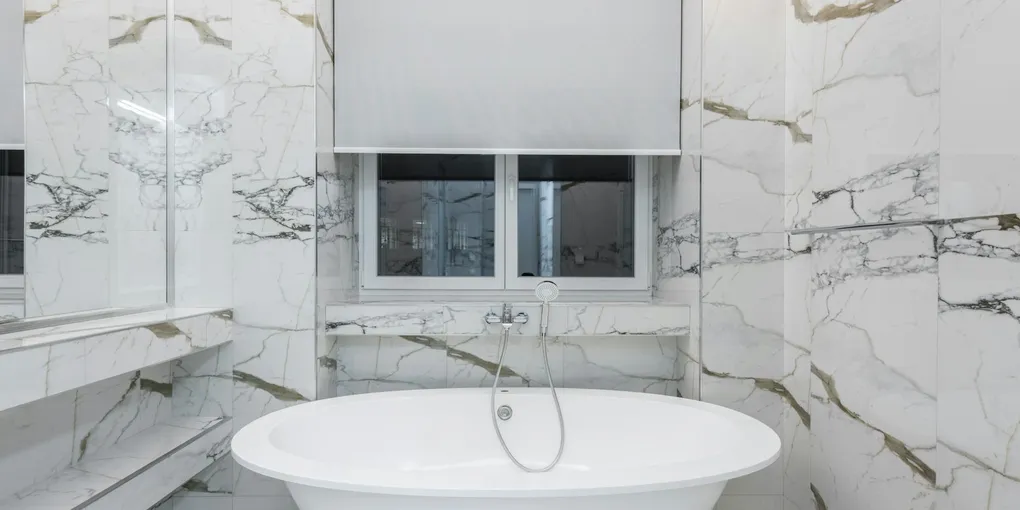
A crack or chip in a fiberglass tub surround is not just an eyesore — left unrepaired, water can work behind the fiberglass layer, damage the wall framing, and turn a $30 repair into a $3,000 mold remediation.
A crack or chip in a fiberglass tub surround is not just an eyesore — left unrepaired, water can work behind the fiberglass layer, damage the wall framing, and turn a $30 repair into a $3,000 mold remediation. The good news is that fiberglass repairs are straightforward and the materials cost less than $40 at any home improvement store.
What You Need
- Moeller Marine Fiberglass Repair Kit — Contains fiberglass cloth, resin, hardener, and applicator tools. Suitable for both structural cracks and cosmetic chips.
- Gel Coat Finish Coat — The topcoat that matches the original glossy finish. Available in white, bone, almond, and biscuit. Match your tub color before ordering.
- 3M Wetordry Sandpaper Assortment — Use 400-grit for surface prep and feathering the repair, 600 and 1000 grit for wet-sanding the gel coat flush, and polishing compound to restore gloss.
- Acetone, clean rags, masking tape, plastic spreader, rubber gloves, and safety glasses.
Step 1: Assess the Crack
Dry the surface completely and examine the crack in good light. Scratch lightly along the crack with a fingernail:
Surface crack (crazing): The fingernail does not catch; the crack is only in the gel coat surface layer. This is the easiest repair — filler and gel coat only, no structural reinforcement needed.
Through crack: The fingernail catches and you can feel the depth. Water may be entering the fiberglass core. Clean the crack, fill with resin and cloth reinforcement, then topcoat.
Hole or punch-through: Requires a backing patch plus layered fiberglass cloth before gel coat. More work but still DIY-friendly.
Flex test: Push firmly on the panel around the crack. If the panel flexes noticeably, address the backing void before repairing the surface (see FAQ above).
Step 2: Clean and Prepare the Surface
Turn off the bathroom exhaust fan and open a window — fiberglass resin is solvent-based and requires ventilation, but you do not want to pull dust into a freshly applied repair.
Clean the damaged area thoroughly with acetone on a clean rag. Remove all soap scum, body oils, cleaning product residue, and mildew. Let the acetone flash off completely (2 to 3 minutes) before proceeding.
Abrade the area around the crack with 80-grit sandpaper. Sand at least 2 inches beyond the visible crack in all directions — the repair needs to bond to sound material, not just the damaged zone. The surface should feel rough to the touch, not slick.
Wipe the sanded area with acetone again to remove dust and any remaining contamination. Let dry fully.
Mask off the area around the repair with painter’s tape to protect the surrounding finish and keep the repair edges clean.
Step 3: Stabilize a Flexing Panel (If Needed)
If the panel flexes, drill several 1/4-inch holes through the fiberglass in the flex zone, spacing them 4 to 6 inches apart in a grid. Insert the nozzle of a can of minimal-expanding foam insulation or a construction adhesive tube, and inject until the void is filled. Tape a flat board over the panel face and press firmly while the foam/adhesive cures (24 hours). The board keeps the panel flat while the backing sets.
Once cured, fill the drill holes with fiberglass filler during the main repair step.
Step 4: Mix and Apply the Filler
Following the repair kit instructions, mix the resin and hardener in the correct ratio. Pot life is typically 5 to 15 minutes at room temperature — work quickly once mixed.
For a surface crack: use the plastic spreader to press filler firmly into the crack, overfilling it slightly. Draw the spreader across the repair to smooth it roughly flush, leaving a slight mound.
For a through crack or hole: cut a piece of fiberglass cloth from the kit to extend 2 inches beyond the damage on all sides. Wet the cloth with mixed resin, lay it over the crack, and press it flat with the spreader to eliminate air bubbles. Apply a second coat of resin over the cloth. For holes, apply cloth to both sides of the panel (inside and outside the hole) if accessible.
Let the filler cure fully — it should feel firm and not sticky to the touch before you sand it. This typically takes 30 to 60 minutes at room temperature.
Step 5: Sand the Repair Flush
Once cured, sand the repair area with 80-grit sandpaper to knock down the high spots. Work the sandpaper in circular motions, feathering the repair edges into the surrounding surface. The repair should be level with or very slightly above the surrounding gel coat.
Progress through 120, 180, and 220 grit to smooth the repair surface. The goal is a smooth, flat surface with no ridges or sandpaper scratches visible.
Wipe with acetone, let dry.
Step 6: Apply Gel Coat
Mix the gel coat according to the kit directions. Apply a thin, even coat over the repair area with a disposable brush, extending slightly beyond the edges of the repair. Do not apply too thickly — gel coat applied more than 1/8 inch thick can crack as it cures.
Gel coat cures by excluding air from its surface. Cover the wet gel coat with plastic wrap pressed flat against the surface, or apply a wax-containing “surfacing agent” if your kit includes one. Let cure for the time specified in the kit (typically 2 to 4 hours).
Once cured, peel the plastic wrap. The gel coat surface should be tack-free.
Step 7: Wet-Sand and Polish
Wet-sand the cured gel coat with 400-grit wet-or-dry sandpaper and water, using light circular strokes to level the gel coat flush with the surrounding surface. Progress through 600 and 1000 grit.
Polish the repaired area with automotive rubbing compound on a clean cloth, then a finishing polish to restore the gloss. The repair should be nearly invisible once polished.
Recaulk any seams that were disrupted during prep or repair using a mildew-resistant silicone caulk rated for bath and shower use.
Tips for Long-Term Success
- Let it cure before using the shower. Wait at least 48 hours after the final gel coat application before using the shower. Water contamination before full cure will degrade the repair.
- Do not use abrasive cleaners. Fiberglass gel coat is softer than porcelain enamel. Use non-abrasive bathroom cleaners or a mild dish soap to preserve both the original surface and the repair.
- Touch up small chips immediately. A fresh chip is a 10-minute repair. An old chip that has been exposed to water and soap for months is a much harder surface to prep and bond to.
Related Reading
- How to Recaulk a Bathtub — Recaulk all seams after any tub surround repair to maintain the waterproof barrier.
- How to Fix a Leaky Faucet — Address leaks that may be contributing to the moisture causing surround damage.
- Small Bathroom Renovation Guide — If the damage is severe enough to warrant a full surround replacement.
- Assess the Crack
Dry the surface completely and examine the crack in good light. Scratch lightly along the crack with a fingernail:
- Clean and Prepare the Surface
Turn off the bathroom exhaust fan and open a window — fiberglass resin is solvent-based and requires ventilation, but you do not want to pull dust into a freshly applied repair.
- Stabilize a Flexing Panel (If Needed)
If the panel flexes, drill several 1/4-inch holes through the fiberglass in the flex zone, spacing them 4 to 6 inches apart in a grid.
- Mix and Apply the Filler
Following the repair kit instructions, mix the resin and hardener in the correct ratio. Pot life is typically 5 to 15 minutes at room temperature — work quickly once mixed.
- Sand the Repair Flush
Once cured, sand the repair area with 80-grit sandpaper to knock down the high spots. Work the sandpaper in circular motions, feathering the repair edges into the surrounding surface.
- Apply Gel Coat
Mix the gel coat according to the kit directions. Apply a thin, even coat over the repair area with a disposable brush, extending slightly beyond the edges of the repair.
Free: 10-Point Home Maintenance Checklist
Prevent costly repairs with this seasonal checklist. Save hundreds every year by catching problems early.
Your checklist is ready!
Open Checklist →Something went wrong. View the checklist here.