How to Fix a Broken Tile in the Shower: Removal, Replacement, and Waterproofing
Replace a cracked or broken shower tile without retiling the whole wall — removing the damaged tile, waterproofing behind it, setting the new tile, and grouting the joint.
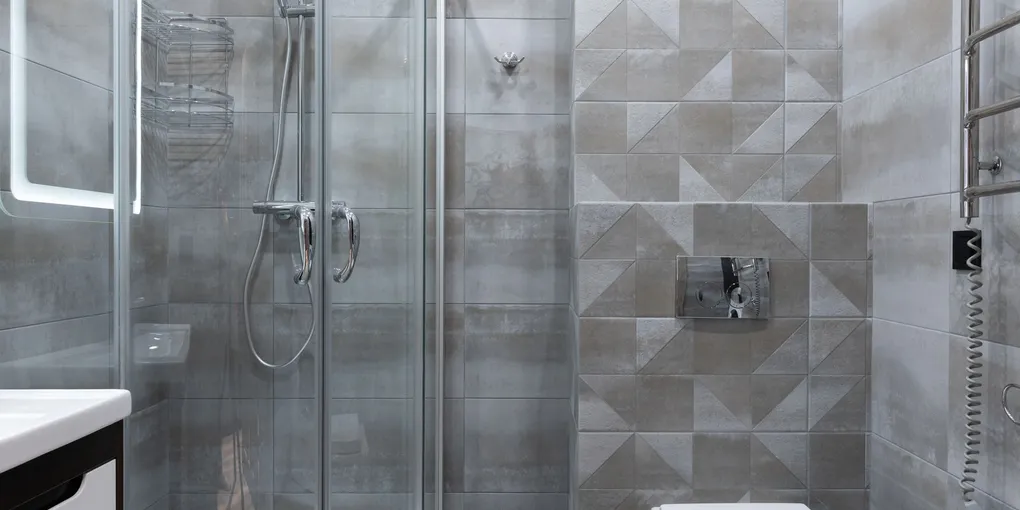
Working in sections and protecting surrounding tiles is the difference between a one-tile repair and a cascade of
Working in sections and protecting surrounding tiles is the difference between a one-tile repair and a cascade of damage.
What you need
- Oscillating tool with grout removal blade
- Gray thinset mortar tile adhesive
- Schluter Kerdi waterproofing patch
- Tile spacers 1/16 inch
- Unsanded grout color match
- Rubber grout float
Remove the broken tile
Put on safety glasses before starting — tile fragments can be sharp and airborne.
Score the grout joints on all four sides of the broken tile with an oscillating tool fitted with a grout removal blade. Run the blade down the full depth of the grout line on each side. This separates the broken tile from the surrounding grout body so that when you break out the tile, the adjacent tiles are not stressed.
Use a hammer and cold chisel to break the tile from the center outward. Drive the chisel at a low angle, working toward the scored grout lines. Remove pieces as you go. Once the tile is out, scrape the remaining thinset from the substrate using the chisel and a margin trowel. The substrate surface should be clean and flat before you set the new tile.
Assess behind the tile
Inspect the exposed substrate immediately. Press on it with your finger — it should feel hard and solid. Signs of a problem:
- Soft or crumbling cement board: water has saturated it. Remove the compromised section and replace with new cement board.
- Dark staining or visible mold on the framing behind: address the moisture source before proceeding. Treat wood framing with mold-killing primer and allow to dry fully.
- Wet framing with no obvious source: look for a failed caulk joint nearby, or a leak above the repair area. Fix the water source before the tile.
If the substrate is sound and dry, proceed directly to waterproofing.
Waterproof the patch
If the substrate is undamaged and the existing waterproofing (part of the original cement board installation or applied membrane) is intact, this step is straightforward — mix thinset and set the tile.
If any substrate was removed or replaced: apply a fabric-reinforced waterproofing membrane patch over the new substrate. Cut Schluter Kerdi or similar sheet membrane to overlap 2 inches onto undamaged surrounding substrate on each side. Embed it into a thin layer of unmodified thinset using a 3/16-inch V-notch trowel. Overlap onto the existing substrate and press flat. Let cure per the membrane manufacturer’s instructions before setting the tile.
Set the new tile
Mix thinset to a peanut butter consistency — thick enough to hold a ridge from the trowel. Apply to the substrate using a notched trowel sized to the tile (3/16-inch V-notch for most wall tile, 1/4-inch square notch for larger formats).
Back-butter the replacement tile as well — apply a thin skim coat of thinset to the back of the tile with a flat trowel. This eliminates voids behind the tile and improves bond in a wet area.
Press the tile into the substrate with a slight twisting motion. Use tile spacers on all four sides to maintain the grout joint width. Check that the tile face is flush with the surrounding tiles — press gently on edges and use a straightedge across the joint. Adjust before the thinset starts to set (typically 20–30 minutes working time).
Let the thinset cure for a minimum of 24 hours before grouting.
Grout and seal
Remove tile spacers. Mix unsanded grout (for joints under 1/8 inch) or sanded grout (for joints 1/8 inch and wider) to a thick paste consistency. Apply with a rubber grout float held at a 45-degree angle, forcing grout into the joint from multiple directions.
Wipe diagonally across the tile face with a damp sponge to remove excess grout from the tile surface. Rinse the sponge frequently. Do not scrub parallel to the joint — it drags grout out of the joint. Allow grout to haze on the tile surface, then buff clean with a dry cloth.
Let grout cure 72 hours before water exposure. After full cure (28 days), apply grout sealer to the new joint and any adjacent joints disturbed during the repair.
Caulk the corners where the tile meets the tub or shower floor — do not grout these joints. Grout cracks at inside corners; caulk flexes with movement.
Related guides
- How to Tile a Bathroom Floor
- How to Grout Tile
- How to Repair Grout
- How to Recaulk a Shower
- How to Fix a Floor Tile That Is Loose — reattach hollow floor tiles without removing them
- Remove the broken tile
Score all four grout joints around the broken tile with an oscillating tool and grout removal blade — this isolates the tile from its neighbors before chiseling. Use a hammer and cold chisel to break the tile from the center outward in small pieces. Keep the chisel angle shallow to avoid transmitting force into adjacent tiles.
- Assess the substrate for water damage
Inspect the substrate (cement board or backer) for soft, crumbling, or dark discolored material. If mold or water damage is present: do not set new tile. Address the source of moisture, remove all compromised substrate, dry completely with fans for 24-48 hours, and install new cement board or waterproof backer before tiling.
- Waterproof the patch area
If the substrate is intact: existing waterproofing is sufficient. If substrate was damaged or replaced: apply a waterproofing membrane patch (Schluter Kerdi Band or RedGard) over the repair area extending 2 inches onto surrounding undamaged substrate. Let cure per manufacturer instructions before setting tile.
- Set the new tile
Mix thinset to peanut butter consistency. Apply to the substrate with a notched trowel, then back-butter the replacement tile. Press the tile firmly into place with spacers on all sides. Verify it is flush with the surrounding tiles. Do not disturb for 24 hours.
- Grout and seal
Remove spacers. Apply unsanded grout with a rubber float at 45 degrees, pressing into joints. Clean excess with a damp sponge using diagonal strokes. Allow 72 hours before water exposure. Apply grout sealer after the full 28-day cure for permanent protection.
Free: 10-Point Home Maintenance Checklist
Prevent costly repairs with this seasonal checklist. Save hundreds every year by catching problems early.
Your checklist is ready!
Open Checklist →Something went wrong. View the checklist here.