How to Fix a Leaking Shower Valve
Stop a dripping or leaking shower valve by replacing the cartridge or worn seals without calling a plumber.
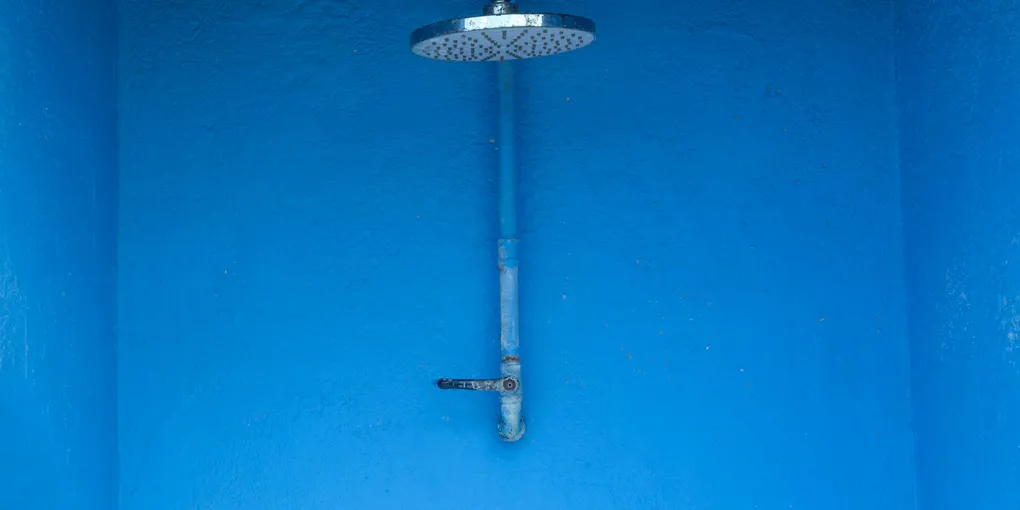
A shower valve that drips even when the handle is fully closed wastes water and causes long-term damage to your shower pan and grout. In most homes, this is a cartridge replacement job that costs under $30 in parts and takes about an hour.
A shower valve that drips even when the handle is fully closed wastes water and causes long-term damage to your shower pan and grout. In most homes, this is a cartridge replacement job that costs under $30 in parts and takes about an hour. Here is how to diagnose and fix it correctly.
Understand Your Valve Type
Before buying parts, identify the valve brand and type. Single-handle showers use a cartridge (Moen, Delta, Kohler, and Price Pfister each use different cartridges that are not interchangeable). Two-handle showers may use stem-and-seat assemblies or individual cartridges.
Look for the brand name on the trim plate or handle, then search the model number printed on the cartridge itself once you have it open.
What You Will Need
- Shower cartridge replacement — matched to your exact brand and model
- Cartridge puller tool — nearly essential for Moen cartridges and very helpful for others
- Plumber grease or silicone grease — lubricates the new cartridge before installation
- Flathead and Phillips screwdrivers
- Adjustable pliers or channel-lock pliers
- Allen key set (hex keys) — for handle set screws
- Small bucket and old towels
Step 1: Shut Off the Water Supply
Locate the shutoff valves for the shower. Many newer showers have an access panel in the adjacent wall or closet with individual hot and cold shutoff valves. Turn them fully clockwise to close.
If there are no dedicated shutoffs, shut off the main water supply to the house. Turn on the shower handle to release pressure and drain remaining water from the supply lines.
Step 2: Remove the Handle
Look for a decorative cap on the handle — pop it off with a flathead screwdriver to expose the set screw underneath. Remove the set screw (usually Phillips or Allen head) and pull the handle straight off. Some handles require a handle puller tool if they are corroded on.
Remove the trim plate or escutcheon by unscrewing the screws around the perimeter. Set these pieces aside carefully — the trim plate is often the most expensive component if it gets damaged.
Step 3: Note the Cartridge Orientation
Before pulling the cartridge, look at how it sits in the valve body. Many cartridges have ears or tabs at the top and a specific orientation for hot and cold. Take a photo with your phone so you can confirm the new cartridge goes in the same way.
Step 4: Remove the Retaining Clip or Nut
Most cartridges are held in place by a U-shaped retaining clip at the top of the valve body, or by a threaded retaining nut.
For a retaining clip: use needle-nose pliers to pull the clip straight up and out of its slot. Keep the clip — you will reuse it.
For a retaining nut: use channel-lock pliers or an adjustable wrench to unscrew the nut counterclockwise.
Step 5: Extract the Old Cartridge
Grip the cartridge stem firmly with pliers and pull straight out. If it does not move, use a cartridge puller tool designed for your brand. Attempting to pry or lever a stuck cartridge sideways can crack the valve body — always pull straight out.
Once the cartridge is free, inspect it for cracked seals, mineral deposits, or damaged O-rings. Bring it to the hardware store to confirm you have the correct replacement.
Step 6: Install the New Cartridge
Apply a thin coat of plumber grease to the O-rings and sides of the new cartridge. This helps it slide in and seals properly.
Insert the new cartridge into the valve body, aligning it in the same orientation as the old one. Press it straight in until fully seated. Reinstall the retaining clip or retaining nut to lock it in place.
Step 7: Test Before Reassembling the Trim
Before putting the handle and trim plate back on, turn the water supply back on slowly and test the valve. Briefly turn the cartridge stem by hand to run water, then return it to the off position. Check for dripping at the valve body and the showerhead. If the valve is dry in the off position, the repair is complete.
If water still drips, confirm the cartridge is fully seated and the retaining clip is properly engaged.
Step 8: Reassemble the Trim
Reinstall the trim plate and tighten the screws snugly. Slide the handle back onto the stem and drive the set screw. Snap the decorative cap back in place.
Run the shower through a full hot-to-cold range to confirm smooth operation and no leaks at the trim plate or handle connection.
Two-Handle Shower Valves: Replacing a Worn Stem
Older two-handle valves use a stem with a rubber washer at the tip that presses against a valve seat. The repair involves:
- Removing the handle by unscrewing the packing nut counterclockwise.
- Pulling out the stem assembly.
- Replacing the rubber washer at the stem tip with an exact-match replacement.
- Replacing the O-ring on the stem body.
- Reinstalling and testing.
If the seat itself is pitted or grooved, use a seat wrench to remove it and replace it, or have a plumber re-seat the surface.
Related Guides
- How to Fix a Leaking Shower Faucet
- How to Recaulk a Shower
- How to Fix Low Water Pressure in a Shower
- How to Replace a Shower Head
- Shut Off the Water Supply
Locate the shutoff valves for the shower. Many newer showers have an access panel in the adjacent wall or closet with individual hot and cold shutoff valves. Turn them fully clockwise to close.
- Remove the Handle
Look for a decorative cap on the handle — pop it off with a flathead screwdriver to expose the set screw underneath. Remove the set screw (usually Phillips or Allen head) and pull the handle straight off.
- Note the Cartridge Orientation
Before pulling the cartridge, look at how it sits in the valve body. Many cartridges have ears or tabs at the top and a specific orientation for hot and cold. Take a photo with your phone so you can confirm the new cartridge goes in the same way.
- Remove the Retaining Clip or Nut
Most cartridges are held in place by a U-shaped retaining clip at the top of the valve body, or by a threaded retaining nut.
- Extract the Old Cartridge
Grip the cartridge stem firmly with pliers and pull straight out. If it does not move, use a cartridge puller tool designed for your brand. Attempting to pry or lever a stuck cartridge sideways can crack the valve body — always pull straight out.
- Install the New Cartridge
Apply a thin coat of plumber grease to the O-rings and sides of the new cartridge. This helps it slide in and seals properly.
Free: 10-Point Home Maintenance Checklist
Prevent costly repairs with this seasonal checklist. Save hundreds every year by catching problems early.
Your checklist is ready!
Open Checklist →Something went wrong. View the checklist here.