Bathroom Addition Cost 2026: $5,000–$50,000 by Type
Bathroom addition costs $5,000–$15,000 for a half bath, $15,000–$30,000 for a full bath, and $25,000–$50,000+ for a primary suite. Pricing by type, size, and plumbing distance.
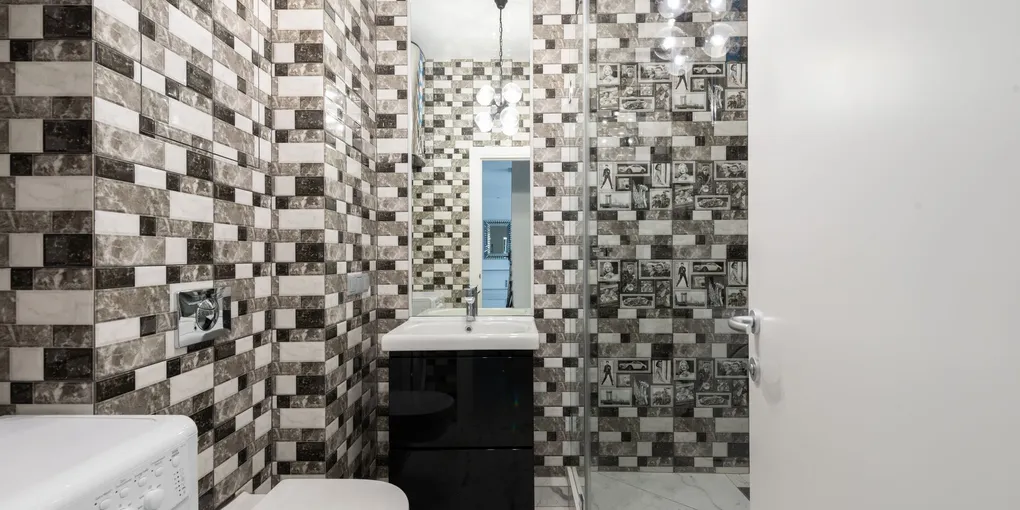
Adding a bathroom costs $5,000–$15,000 for a basic half bath (powder room) and $20,000–$50,000 for a full bathroom addition within existing house footprint. A full master suite addition (extending the house) costs $40,000–$100,000+. The primary cost driver is whether plumbing exists nearby — adding a bathroom back-to-back with existing plumbing costs 40–60% less than running all-new supply and drain lines.
Frequently Asked Questions
How much does it cost to add a bathroom?
Bathroom addition costs by scope: half bath (toilet + sink, no shower/tub) within existing footprint $5,000–$15,000; half bath from scratch (no nearby plumbing) $10,000–$25,000; full bath (toilet + sink + tub/shower) converting existing space $15,000–$35,000; full bath with new plumbing runs $25,000–$50,000; master bath addition (new footprint) $30,000–$75,000; full bathroom bumped-out addition $40,000–$100,000+. Permits run $500–$2,000 for a bathroom addition. Plumbing labor is $75–$150/hr; electrical $80–$120/hr; tile installation $8–$20/sq ft.
What is the cheapest way to add a bathroom?
The cheapest bathroom addition: convert an existing closet or underutilized space (no structural work needed) that is directly adjacent to or above existing plumbing. Back-to-back plumbing (new bathroom on opposite side of the wall from an existing bathroom) dramatically reduces drain and supply line cost — instead of running new lines from the main stack, you tap the existing stack and run only 2–4 feet of new drain. A half bath (no shower or tub) requires less square footage and far less plumbing than a full bath. The $5,000–$10,000 range is achievable for a half bath conversion that taps an adjacent plumbing wall in an existing closet.
Do I need a permit to add a bathroom?
Yes — adding a bathroom always requires permits. It involves plumbing (supply and drain), electrical (GFCI outlets, exhaust fan circuit), and often structural modifications (floor joists, load-bearing walls). Most jurisdictions issue a combined building/plumbing/electrical permit package ($500–$2,000 for a bathroom addition). Unpermitted bathrooms create serious problems at resale: title companies and buyers often flag them during inspections; insurance can deny claims for damage related to unpermitted work; and you may be required to remove or bring it up to code. Never attempt a bathroom addition without permits.
How long does it take to add a bathroom?
Bathroom addition timeline: design and permit approval 2–6 weeks; rough-in work (framing, plumbing, electrical rough) 1–2 weeks; inspection and approval 1–3 days; finishes (tile, fixtures, painting) 1–2 weeks; total with no delays: 6–12 weeks. Projects requiring structural work (bumped-out addition, bearing wall removal) add 2–4 weeks. Supply chain delays for custom fixtures can add weeks. If you're converting existing space with nearby plumbing access, 6–8 weeks is a realistic timeline for an experienced contractor team. Plan for 10–14 weeks to accommodate inspection delays and material lead times.
Does adding a bathroom increase home value?
Adding a bathroom consistently increases home value, especially in homes that are under-bathroomed for their size (a 4-bedroom, 1-bathroom home is a classic under-bathroomed situation). A half bath addition returns 50–70% of cost at resale; a full bath returns 50–80%. The ROI is highest when: the existing bathroom count is low for the bedroom count (under 1 bathroom per 2 bedrooms); the home is in a market where bathroom count directly affects sale price; and the addition is done to comparable neighborhood quality. A $25,000 full bath addition adding $15,000–$20,000 in value is typical — but the quality-of-life benefit to current occupants is also significant and not captured in resale ROI.
Can I add a bathroom without a permit?
No. Bathroom additions involve plumbing and electrical work that legally requires licensed trades and inspections in virtually all US jurisdictions. Unpermitted work discovered during a home sale can require demolition and re-inspection. Unpermitted plumbing that leaks can result in insurance claim denials. Some homeowners attempt unpermitted work to save the $500–$2,000 permit cost and avoid contractor licensing requirements — this is a false economy that creates significant legal and financial risk. A permit and inspection ensures the rough plumbing drains correctly (improper drain slopes cause sewage backup), the electrical is safe (GFCI violations cause electrocution risk in wet spaces), and the structure is sound.
Adding a bathroom costs $5,000–$15,000 for a half bath (powder room) or $20,000–$50,000 for a full bath within existing square footage in 2026. The single biggest cost driver is plumbing proximity — a bathroom added back-to-back with existing plumbing costs 40–60% less than running all-new drain lines. A full master suite addition extending the house footprint runs $40,000–$100,000+. Permits are always required and typically run $500–$2,000.
A bathroom addition is one of the highest-ROI home improvements available when the existing home is under-bathroomed — and one of the most expensive when done without careful planning. The difference between a $10,000 project and a $35,000 project is almost entirely plumbing access and location choice.
Cost by Bathroom Type
| Type | Low End | High End | Notes |
|---|---|---|---|
| Half bath (no existing plumbing nearby) | $10,000 | $25,000 | Toilet + sink only |
| Half bath (adjacent to existing plumbing) | $5,000 | $12,000 | Best-case scenario |
| Full bath (converting existing space) | $15,000 | $35,000 | No structural addition |
| Full bath (new addition, same footprint) | $25,000 | $55,000 | Converts closet/room |
| Master bath addition (new footprint) | $40,000 | $100,000 | Bump-out or addition |
Cost by Component
| Component | Half Bath | Full Bath |
|---|---|---|
| Permits | $500–$1,500 | $800–$2,000 |
| Framing/structural | $500–$2,000 | $1,500–$5,000 |
| Plumbing rough-in | $1,500–$5,000 | $3,000–$10,000 |
| Electrical rough-in | $500–$1,200 | $800–$2,500 |
| Tile and waterproofing | $1,000–$4,000 | $2,500–$8,000 |
| Fixtures (toilet/sink/shower) | $500–$2,000 | $1,500–$6,000 |
| Vanity, mirror, accessories | $300–$1,500 | $800–$4,000 |
Plumbing Proximity: The Primary Cost Driver
The location of an existing drain stack relative to the planned bathroom is the single biggest cost variable. Here’s how proximity affects the plumbing rough-in cost:
| Scenario | Plumbing Rough-In Cost |
|---|---|
| Back-to-back with existing bath (shares wall) | $1,500–$3,500 |
| Above existing bath (vertical stack connection) | $2,000–$5,000 |
| 10–20 ft from stack (short drain run) | $3,000–$7,000 |
| 30–50 ft from stack (long drain run, complex routing) | $6,000–$14,000 |
| No nearby stack (all-new drain to main sewer) | $8,000–$18,000 |
The 1/4 inch per foot rule: drain lines must slope downward at 1/4 inch per foot to allow gravity drainage. A 30-foot drain run on a second floor requires 7.5 inches of total drop — which may require going below the first-floor ceiling, making drain routing complex and expensive. Always get a plumber’s assessment before finalizing location.
Regional Cost Variations
| City | Half Bath Addition | Full Bath Addition |
|---|---|---|
| New York City, NY | $12,000–$28,000 | $28,000–$65,000 |
| Los Angeles, CA | $10,000–$24,000 | $25,000–$60,000 |
| Chicago, IL | $8,000–$20,000 | $20,000–$50,000 |
| Dallas/Houston, TX | $6,000–$16,000 | $15,000–$38,000 |
| Atlanta, GA | $7,000–$17,000 | $16,000–$40,000 |
| Phoenix, AZ | $6,000–$15,000 | $14,000–$36,000 |
| Seattle, WA | $9,000–$22,000 | $22,000–$55,000 |
| Denver, CO | $8,000–$20,000 | $18,000–$45,000 |
High-cost cities (NYC, LA, Seattle) pay premium rates for all licensed trades — plumbers, electricians, and tile setters all bill $150–$250/hr. Mid-cost markets (Atlanta, Phoenix, Dallas) run $75–$125/hr for the same work.
Contractor Sequence for a Bathroom Addition
A bathroom addition requires multiple licensed trades working in a specific sequence:
- General contractor (if used) — coordinates all trades, pulls permits, manages timeline
- Structural engineer — if any walls are moved or new structural openings are created
- Framing carpenter — builds the new bathroom space, rough openings for doors/windows
- Plumber — rough-in supply and drain lines before walls are closed
- Electrician — rough-in circuits, outlets, fan circuit before walls are closed
- Inspection — plumbing and electrical rough inspections must pass before walls close
- Drywall and waterproofing — cement board in wet areas, drywall elsewhere
- Tile setter — floor and shower/tub surround tile
- Plumber (trim-out) — installs fixtures after tile is complete
- Electrician (trim-out) — installs outlets, switches, fan after drywall
- Painter — paint after all rough and finish trades complete
- Final inspection — all systems signed off before certificate of occupancy
Without a GC: homeowners who manage the trades themselves save the GC markup (typically 15–25% of project cost) but take on scheduling complexity. Trades frequently conflict for scheduling, and inspection delays cascade. First-time addition projects are better managed by a GC.
Questions to Ask Your Contractor Before Signing
- Who pulls the permits? — should be the GC or licensed sub; never let permits be in your name for licensed trade work
- How are drain lines routed to the main stack? — ask for a sketch showing the proposed path
- What waterproofing system do you use in the shower? — should specify Schluter KERDI, RedGard, or equivalent
- What tile backer do you use? — should be cement board or Schluter panel, never drywall in wet areas
- What’s included in the quote — fixtures, tile, vanity? — get a fully inclusive quote to compare apples to apples
- Who performs the electrical rough-in? — must be a licensed electrician for permit compliance
Bathroom Addition ROI by Scenario
| Scenario | Cost | Value Added | ROI |
|---|---|---|---|
| Half bath added to 3BR/1BA home | $8,000–$15,000 | $6,000–$12,000 | 60–80% |
| Full bath added to 4BR/1BA home | $20,000–$35,000 | $15,000–$25,000 | 55–75% |
| Master bath added to primary suite | $25,000–$50,000 | $15,000–$30,000 | 45–65% |
| Full bath bump-out addition | $40,000–$70,000 | $20,000–$40,000 | 40–60% |
The ROI is highest in under-bathroomed homes — a 4-bedroom home with 1 bathroom is a significant market disadvantage in most areas. Adding a second full bath in that scenario can fully recover its cost in sale price. Premium master bath additions (stone tile, steam shower, heated floors) rarely return their cost but deliver significant quality-of-life value.
DIY supplies (if you tackle it yourself)
- Toilet flapper and fill valve kit
- Showerhead (high pressure)
- Tub and tile caulk
- Bathroom exhaust fan
Related Reading
- Shower Remodel Cost
- Bathroom Remodel Cost Breakdown
- Walk-In Closet Cost — often added at the same time as a master bathroom addition; $3,000–$15,000
- Tile Flooring Installation Cost
- Plumber Cost
- Electrician Cost
- Faucet Installation Cost — budget for fixtures in the new bathroom; $150–$400 installed
- Home Inspection Cost
- How to Fix a Floor Tile That Is Loose — address loose tile in the new bathroom floor before grouting
- How to Fix a Peeling Bathroom Ceiling — repair ceiling paint in existing bathrooms while adding the new one
- Determine the best location based on plumbing proximity
The single most important decision is location relative to existing plumbing. Water supply lines are inexpensive to run long distances; drain lines are not — drains must slope 1/4 inch per foot of run toward the main stack, and running a drain line long distances (30+ feet) on upper floors often requires notching floor joists or dropping the ceiling below. The best locations for bathroom additions: back-to-back with an existing bathroom (share the plumbing wall); above or below an existing bathroom (vertical stacks are easy to tap); adjacent to a kitchen (shares the kitchen drain stack); along an exterior wall with easy basement access (drain runs cleanly through the basement to the main stack). Have a plumber assess your 2–3 candidate locations and compare their rough-in quotes before committing to a design.
- Get a plumber to assess rough-in before finalizing design
Before hiring a general contractor or setting a budget, have a licensed plumber walk the planned bathroom location and quote the rough-in. Rough-in includes: supply lines (hot and cold to sink, toilet, and shower/tub); drain lines with proper slope back to the main stack; and vent stack extension to meet code. The plumber's quote will reveal whether the location is cost-effective ($1,500–$3,000 for a back-to-back connection) or expensive ($5,000–$12,000 for a long drain run requiring structural work). Location decisions driven by plumbing access typically save $5,000–$15,000 compared to choosing the wrong location and building an expensive drain run.
- Plan electrical for code requirements — GFCI, exhaust fan, and lighting
Bathroom electrical code requirements: GFCI protection on all outlets (required within 6 feet of water); dedicated 20-amp circuit for the bathroom; exhaust fan vented to exterior (not into attic — a code violation in most jurisdictions). If adding a spa tub, whirlpool, or electric heated floor, those require additional dedicated circuits. Typical bathroom electrical rough-in cost: $500–$1,500 for a simple bathroom; $1,500–$3,000 for a master bath with heated floor and multiple lighting circuits. Plan conduit runs before finish work — adding circuits after tile and drywall is significantly more expensive.
- Budget for tile and fixtures proportional to quality expectations
Bathroom addition finishes span a wide cost range: budget (builder-grade fixtures, basic tile) $3,000–$6,000 for finishes; mid-grade (porcelain tile, standard name-brand fixtures) $6,000–$12,000; premium (natural stone, designer fixtures, custom shower) $12,000–$30,000. Common budget mistake: spending on structural and plumbing then running out of budget for finishes — the finishes are what you see every day. Allocate 30–40% of total project budget for finishes (tile, fixtures, vanity, mirror, accessories, paint). The plumbing and structural work is invisible but must be done right; the finishes are what deliver the daily value.
- Plan waterproofing as a separate line item — not an afterthought
Shower surround and wet area waterproofing is the most commonly skipped step in cost-cutting bathroom projects — and the most expensive mistake when it fails. Proper shower waterproofing: cement board (Hardibacker or Durock) backer behind tile, plus either a liquid-applied membrane (RedGard, Schluter KERDI) or a mortar-bed shower pan. An improperly waterproofed shower leaks within 2–5 years, causing water damage to framing, subfloor, and potentially the ceiling below. Schluter KERDI system ($200–$400 in materials for a standard shower) is the most reliable DIY-friendly waterproofing approach; liquid membranes work well but require proper application. Budget $500–$1,500 for professional waterproofing labor if the tile contractor isn't handling it.
Free: 10-Point Home Maintenance Checklist
Prevent costly repairs with this seasonal checklist. Save hundreds every year by catching problems early.
Your checklist is ready!
Open Checklist →Something went wrong. View the checklist here.