Wallpaper Removal Cost 2026: $1–$3/sq ft ($480–$1,440/Room)
Wallpaper removal costs $1–$3 per sq ft professionally — a 12×12 room runs $480–$1,440. DIY feasible with scoring tool + gel stripper. Drywall repair after removal adds $200–$800.
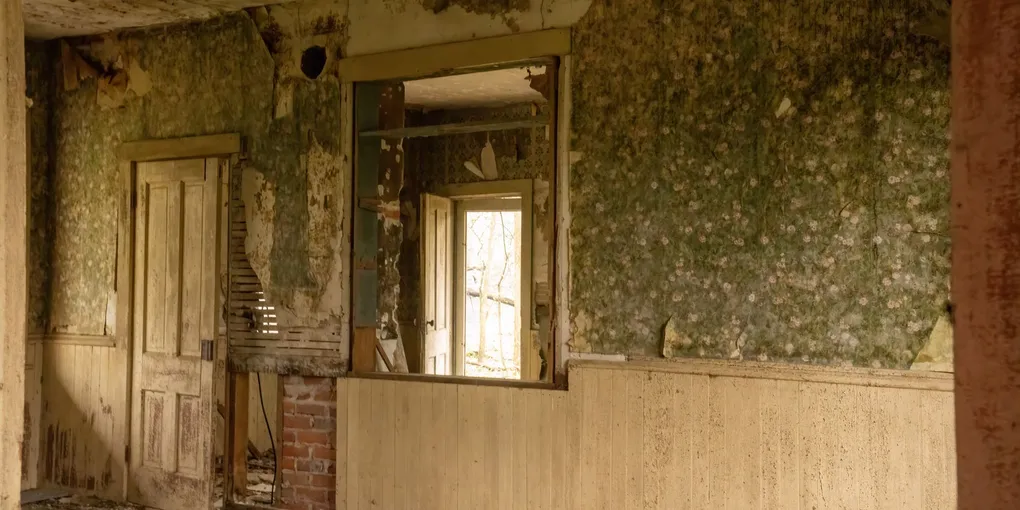
Wallpaper removal costs $1–$3 per square foot professionally removed. A standard 12×12 ft room (480 sq ft of walls) runs $480–$1,440. DIY wallpaper removal is feasible but labor-intensive — materials cost $20–$50 (scoring tool, spray bottle, remover solution). Add $200–$600 for drywall repair and skim coating after removal on older drywall.
Frequently Asked Questions
How much does wallpaper removal cost?
Wallpaper removal costs: $1–$3/sq ft professionally removed; typical bedroom (400–500 sq ft of wall) $400–$1,500; typical kitchen (350–450 sq ft) $350–$1,350; entire house (2,000–4,000 sq ft of wall) $2,000–$12,000. Factors that increase cost: multiple layers of wallpaper (+$0.50–$1.50/sq ft per additional layer); wallpaper glued to unprimed drywall (paper face tears with wallpaper — requires skim coat before painting, +$0.50–$1.00/sq ft); plaster walls (more durable substrate, easier removal); wallpaper with fabric backing (harder to remove than vinyl); age of wallpaper and adhesive (pre-1980 adhesive is often stronger and harder to dissolve).
Can I remove wallpaper myself?
Yes — DIY wallpaper removal is feasible for most homeowners with patience and the right tools. Required: wallpaper scoring tool ($10–$15 — creates small perforations so water penetrates the paper); spray bottle or garden sprayer (for applying removal solution); plastic drop cloths; removal solution (DIF wallpaper stripper, Chomp, or a 1:1 mix of hot water and fabric softener). Technique: score the wallpaper, spray solution, wait 5–10 minutes, peel from corners in large sections. DIY time: 1–3 hours per average-sized room, depending on wallpaper type and how well it releases. DIY saves $400–$1,000 per room in labor. The catch: DIY removal frequently damages drywall paper facing, requiring skim coat repair before painting.
What happens to the drywall after wallpaper is removed?
Drywall damage is the primary wallpaper removal complication. Pre-1990 homes often have wallpaper applied directly over unprimed drywall — the drywall paper face bonds with the wallpaper adhesive, so removal tears the drywall face regardless of technique. Result: rough, torn paper facing that appears smooth after painting (until the light rakes across it and reveals every tear). Fix: skim coat the entire surface ($0.50–$1.00/sq ft by drywall contractor) before painting. Plaster walls (1940s and earlier) don't have this problem — wallpaper releases cleanly from plaster. Newer homes where the drywall was properly primed before wallpaper application also release more cleanly.
What is the fastest way to remove wallpaper?
Fastest wallpaper removal method: score the wallpaper thoroughly with a scorer (Tiger Claw or Paper Tiger — don't overscore or you damage the drywall underneath), apply hot DIF solution liberally with a pump sprayer, wait 10 minutes, then peel in large sections from the top down. A steamer ($30/day rental) is the fastest approach for stubborn or fabric-backed wallpaper — the steam penetrates quickly and loosens adhesive without over-wetting the drywall. Steam works better than chemical removers on thicker or older wallpaper. For very large or stubborn jobs: professional wallpaper removal with a hot-water commercial steamer is the most efficient approach.
What should I do after wallpaper is removed before painting?
Post-removal prep before painting: (1) Clean adhesive residue from walls — use a sponge with TSP solution to dissolve remaining glue; adhesive left on the wall shows through paint. (2) Repair drywall damage — torn paper facing, dings, gouges require joint compound skim coat. (3) Let walls dry completely — 24–48 hours; moisture in the drywall causes paint bubbles. (4) Sand smooth any ridges or skim coat areas. (5) Prime with a high-build oil-based primer (Gardz, BIN, or Zinsser Bulls Eye 1-2-3) — this seals the repaired surfaces and prevents remaining adhesive from 'bleeding' through latex paint (very common with water-based primers on post-wallpaper surfaces).
How do I remove wallpaper that was glued directly to drywall?
Wallpaper glued to unprimed drywall is the most difficult removal scenario. Options in order of damage: (1) Skim coat over the wallpaper — if the wallpaper is tightly adhered, flat, and in good condition, skim coat and paint over it (avoids drywall damage); (2) Careful removal using minimal water and DIF solution (avoid over-wetting which causes drywall to swell and fall apart), accept that the paper face will tear and require skim coat; (3) Replace the drywall — if the wallpaper is badly damaged or multiple layers thick, replacing the drywall ($1.50–$3.00/sq ft) can be cheaper than repairing the damaged existing drywall. Option 1 (skim-over) is the fastest and least damaging — many professionals recommend it when wallpaper is tightly adhered.
Wallpaper removal costs $1–$3 per square foot professionally removed. A standard 12×12 ft room (480 sq ft of walls) runs $480–$1,440.
Wallpaper removal is labor-intensive and almost always reveals drywall repair needs — budget for both removal and the post-removal prep if you want a paintable surface. Professional removal costs $400–$1,500 per room; DIY removes the labor cost but requires a full weekend and adds the skim coat and priming steps.
Cost by Room Size
| Room | Wall Square Footage | Professional Cost | DIY Materials |
|---|---|---|---|
| Bathroom | 200–300 sq ft | $200–$900 | $30–$60 |
| Bedroom | 400–500 sq ft | $400–$1,500 | $40–$80 |
| Living room | 600–800 sq ft | $600–$2,400 | $60–$120 |
| Entire house | 2,000–4,000 sq ft | $2,000–$12,000 | $100–$250 |
What Affects Price
| Factor | Price Impact |
|---|---|
| Second wallpaper layer | +$0.50–$1.50/sq ft |
| Wallpaper over unprimed drywall | +$0.50–$1.00/sq ft (skim coat required) |
| Fabric-backed or commercial wallpaper | +25–50% |
| Plaster walls (good condition) | No premium — easier removal |
| Pre-1960 home with lead paint concern | +$200–$500 (test and precautions) |
Cost by City
Wallpaper removal is a labor-intensive service — prices track local labor rates closely.
| City | Per Sq Ft (Professional) | Single Bedroom |
|---|---|---|
| New York City, NY | $2.00–$4.00 | $900–$2,000 |
| Los Angeles, CA | $1.75–$3.50 | $800–$1,750 |
| Chicago, IL | $1.50–$3.00 | $650–$1,500 |
| Dallas/Houston, TX | $1.00–$2.50 | $450–$1,250 |
| Atlanta, GA | $1.00–$2.50 | $450–$1,250 |
| Phoenix, AZ | $1.00–$2.25 | $400–$1,100 |
| Minneapolis, MN | $1.25–$2.75 | $550–$1,400 |
| Seattle, WA | $1.75–$3.50 | $800–$1,750 |
Multiple Layers: Cost Impact
Homes built in the 1960s–1990s sometimes have two or three layers of wallpaper — each new owner papered over the existing rather than removing it.
| Layers | Professional Cost Multiplier |
|---|---|
| 1 layer | Baseline |
| 2 layers | 1.5–2× baseline |
| 3+ layers | 2–3× baseline |
Testing for multiple layers: peel back a corner near a seam. If you see a different pattern or color beneath, there are multiple layers. Professional removal quotes should specify per-layer pricing — get this in writing.
Skim Coating: The Hidden Cost
Drywall skim coating after wallpaper removal is the most commonly underestimated line item.
| Scenario | Skim Coat Needed? | Additional Cost |
|---|---|---|
| Plaster walls (pre-1950) | Usually no | $0 |
| Drywall, properly primed before wallpaper | Sometimes | $0.25–$0.50/sq ft |
| Drywall, unprimed before wallpaper | Almost always | $0.50–$1.00/sq ft |
| Heavy drywall damage during removal | Always | $1.00–$2.00/sq ft |
Rule of thumb: if the home was built before 1995 and you don’t know whether the drywall was primed, budget for skim coating. It’s nearly always needed and adds 30–50% to the total project cost.
DIY vs. Professional Wallpaper Removal
| Factor | DIY | Professional |
|---|---|---|
| Labor cost | $0 | $400–$2,000/room |
| Materials | $30–$75 | Included |
| Time | 6–15 hours/room | 3–8 hours/room |
| Drywall damage risk | Higher (slower technique) | Lower (experienced) |
| Skim coat needed? | Usually yes | Usually yes |
| Best for | Motivated DIYers, budget projects | Multiple rooms, large homes, tight timelines |
The honest DIY assessment: most homeowners underestimate the labor involved. A 12×12 bedroom takes 6–10 hours of work spread over 2 days (removal day 1, skim coat + prime day 2). For a single bedroom, DIY is worth it. For a whole house, professional removal is usually worth the cost in time savings.
Removing Wallpaper vs. Painting Over It
Some homeowners consider painting over wallpaper rather than removing it. This is almost always a mistake — but here’s the full comparison:
| Approach | Cost | Result |
|---|---|---|
| Remove and paint | $800–$3,000/room (professional) | Best long-term result |
| Paint over (flat areas, tight adhesion) | $200–$500/room | Acceptable short-term |
| Skim over (smooth and paint) | $300–$600/room | Good medium-term option |
When painting over wallpaper is acceptable: if the wallpaper is completely flat, tightly adhered, has no seams separating, and is in one layer only. Test a section with latex paint first — if it bubbles or seams curl within 24 hours, you cannot paint over it.
When to skim over instead of remove: if wallpaper is in perfect condition and was applied over unprimed drywall, skim coating over the wallpaper (rather than risking drywall damage by removing it) can be the best outcome. Many professional painters recommend this when the removal risk is high.
What Professional Quotes Should Include
Ask contractors to itemize the following before hiring:
- Removal: price per sq ft or per room, including all layers
- Adhesive cleanup: TSP wash after removal (often billed separately)
- Drywall repair: any skim coat work, patched sections
- Primer coat: oil-based primer after repair (required — latex primer alone won’t work)
- Disposal: wet wallpaper strips and debris
- Paint: some quote removal-only; others include the painting
Red flags in quotes: a wallpaper removal quote that doesn’t mention skim coat/drywall repair or priming is missing the most important steps — the finished paint job will show the damage if prep is skipped.
Questions to Ask When Hiring
- Do you include skim coating in the quote or is it extra? — most contractors quote removal only; repair is additional
- What primer do you use after removal? — should be oil-based or shellac (Zinsser BIN); latex primer alone is insufficient
- How do you handle multiple wallpaper layers? — should have a per-layer additional rate
- Do you repair the drywall after removal? — some painting contractors subcontract this
- What do you do if the drywall face tears? — should have a clear procedure and pricing for extensive skim coat
DIY supplies (if you tackle it yourself)
- Wallpaper scorer/perforator
- Wallpaper removal solution
- Garden sprayer (for solution)
- Wide putty knife/scraper
Related Reading
- How to Remove Wallpaper
- Interior Painting Cost
- Popcorn Ceiling Removal Cost
- Drywall Repair Cost
- Annual Home Maintenance Schedule
- Test a small section before committing to a full room removal
Before buying materials or hiring a contractor, test removal in a 2×2 ft section in a hidden area (behind a door, inside a closet). Score lightly, apply warm water or DIF solution, wait 10 minutes, and attempt to peel. What the test tells you: (1) Does the top layer peel in large pieces (good) or tiny bits (difficult, slower)? (2) Does the backing come off cleanly or does the drywall paper tear? (3) Is there a second layer of older wallpaper underneath? Each layer adds $0.50–$1.50/sq ft to professional cost and 30–60 minutes per room to DIY time. The test prevents surprises that double the project cost.
- Protect floors and remove outlets and switch plates before starting
Pre-removal prep: lay plastic sheeting or drop cloths across the entire floor (wallpaper removal is extremely messy — wet strips and glue fall everywhere); tape plastic to the base of walls; remove all outlet covers, switch plates, and light fixtures (don't work wet around live electrical — turn off the circuit breaker for the room); remove furniture from the room. Water used in removal saturates baseboards — lay cardboard behind the plastic at the base of walls to absorb moisture and prevent baseboard warping. This prep takes 20 minutes but saves 60 minutes of cleanup.
- Score lightly — over-scoring damages the drywall
A wallpaper scoring tool makes small perforations that allow water to reach the adhesive layer. Scoring technique: light, even pressure; don't gouge. The Tiger Claw scorer ($15–$20) is more controlled than the circular Paper Tiger for flat wall surfaces. Score in multiple directions (horizontal, then diagonal) for complete coverage. Then apply DIF wallpaper remover (dilute per label — 1:1 to 1:6 depending on adhesive thickness) with a pump sprayer or sponge. Work in sections of 4×8 ft — apply, wait 10 minutes, peel while the second section soaks. Don't let solution dry before peeling.
- Skim coat the walls before painting — don't skip this step
Post-removal, walls nearly always require skim coating before paint — even professional removal leaves adhesive, torn paper, and slight ridges. Budget for skim coating as a line item: $0.50–$1.00/sq ft professionally or $50–$100 in materials (setting compound) DIY. Skim coat application: thin coat of joint compound applied with a 12-inch knife, feathered to the wall surface, let dry, sand lightly, apply second coat if needed. Then prime with oil-based or shellac-based primer (Zinsser BIN or Bulls Eye 123) before painting — water-based primers over joint compound and adhesive residue cause adhesion problems and 'flashing' in the final paint finish.
- Prime with oil-based primer before painting post-wallpaper walls
Skipping the primer step is the most common post-wallpaper painting mistake. Latex primer over repaired drywall and adhesive residue causes flashing (spots where paint absorbs differently, visible as sheen variations in the final coat). Oil-based primer (Zinsser BIN shellac-based, $30–$45/gal) seals everything — adhesive residue, joint compound, and torn paper face — into a uniform surface that accepts topcoat paint evenly. Alternatively, Gardz problem surface sealer ($15–$20/gal) works specifically for post-wallpaper applications. Apply one primer coat, let dry 4 hours, then proceed with latex paint as normal.
Free: 10-Point Home Maintenance Checklist
Prevent costly repairs with this seasonal checklist. Save hundreds every year by catching problems early.
Your checklist is ready!
Open Checklist →Something went wrong. View the checklist here.