Drywall Repair Cost 2026: $50–$400 by Hole Size + DIY vs Pro
Drywall repair costs $50-400+ depending on damage size and whether you DIY or hire a pro. Full cost breakdown for every type of drywall damage.
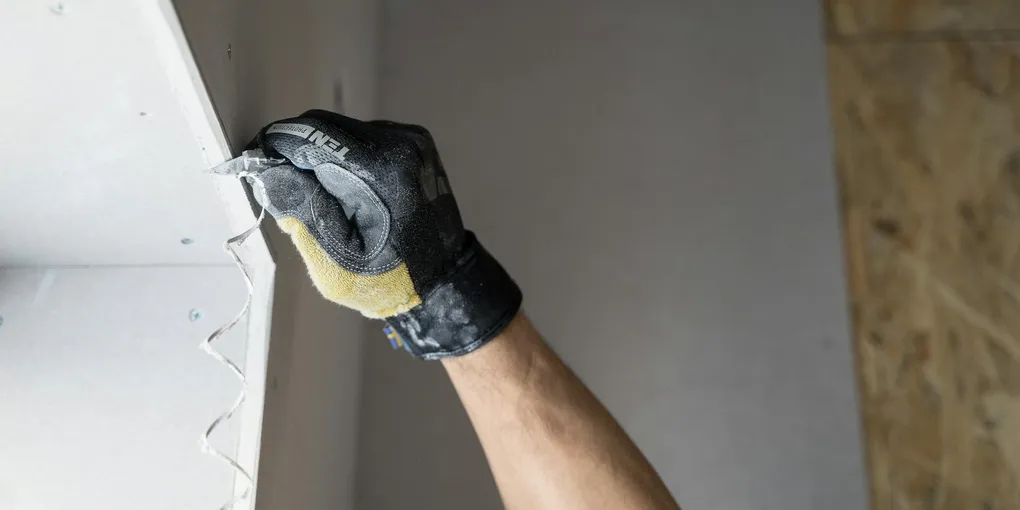
Most drywall repairs cost $50-400 if you hire a professional, or $10-60 in materials for DIY. Small nail holes need just spackling compound and cost under $20. Medium fist-sized holes run $100-200 with a pro. Large holes and water damage cost $200-500+. Texture matching and ceiling repairs add 25-50% to the price.
Frequently Asked Questions
Can I fix drywall holes myself?
Yes, for small nail holes and medium patches on smooth walls. A drywall patch kit and joint compound cost $20-40 and the learning curve is low. Large holes, water damage, and textured walls are better left to a professional.
How much does a handyman charge to patch drywall?
Expect $50-75 for small nail holes (minimum service call), $100-200 for a fist-sized hole, and $200-400 for large holes. Texture matching and painting are usually extra. Ceiling repairs cost 25-50% more than wall repairs.
How long does drywall repair take to dry?
Joint compound needs 24 hours to dry between coats. Most repairs require two to three coats, so budget two to three days from start to paint-ready. High humidity slows drying time.
Does drywall repair include painting?
Usually not. Most contractors prime the patch and stop there. For an invisible repair, you will need to repaint at least the full wall from corner to corner. Factor in $100-300 extra for a painter or buy a quart of matching paint for DIY.
Should I repair or replace water-damaged drywall?
Water-damaged drywall should be replaced, not patched, and the job should go to a professional. The moisture source must be fixed first, the area checked for mold, and the wall cavity confirmed dry with a moisture meter before new drywall goes in.
How do I match existing wall texture for a drywall patch?
The hardest part of drywall repair is often texture matching. Common textures and how to replicate them: orange peel (light stipple) — use an aerosol orange peel texture spray; knockdown — apply a thin skim of compound, let set slightly, then knock down peaks with a drywall knife; popcorn — spray or brush-apply texture compound, practice on cardboard first. Always prime before texturing and feather the edges 12–18 inches for a seamless blend. Professional painters charge $100–$300 extra just for texture work.
What tools do I need to patch drywall myself?
For nail holes and small dings: lightweight spackling compound, a putty knife, and fine-grit sandpaper. For fist-sized holes: a drywall patch kit with metal mesh backer, joint compound, a 6-inch drywall knife, and sandpaper. For large holes: a drywall saw, replacement piece of 1/2-inch drywall, backing boards, 3-inch and 6-inch joint knives, joint compound, corner bead if needed, and primer. Total cost for materials: $20–$60 per patch.
How do I know if there is mold behind my drywall?
Warning signs that mold is likely behind drywall: musty or earthy smell that doesn't go away, dark staining near the floor or corners (often appears as black, green, or gray spots bleeding through paint), paint or wallpaper bubbling or peeling without an obvious cause, and soft or spongy drywall when pressed. To confirm, cut a 6-inch test patch in the suspected area and inspect the back of the drywall and the wall cavity with a flashlight. If you find mold, stop: do not sand or disturb the material further. Mold remediation requires a separate contractor and must be completed before new drywall goes in. Remediation for a small area (under 10 sq ft) typically costs $500–$1,500; larger infestations cost $2,000–$6,000+.
What is the difference between joint compound and spackling compound?
Use spackling for small nail holes and minor dings — it dries fast (1-2 hours), shrinks minimally, and sands to a hard finish. Use joint compound (mud) for everything larger: patches, feathering seams, skim coating. Joint compound is more workable, easier to feather over large areas, and available in lightweight and all-purpose formulas. Lightweight all-purpose joint compound is the best choice for most repairs — it dries in 24 hours, sands easily, and feathers smoothly to invisible seams. The most common DIY mistake is using spackling on a 4-inch or larger hole — it cracks as it dries because it is not formulated for thick applications.
Drywall repair costs $50–$400 hired out or $10–$60 in DIY materials in 2026. Small holes (nail pops, doorknob dings under 4 inches): $75–$175 pro, or $10–$20 DIY. Large holes requiring a patch: $150–$400 pro. Water-damaged drywall with texture matching: $200–$600. Most homeowners can DIY repairs under 6 inches with a $15 patch kit.
Most drywall repairs cost between $50 and $400 if you hire a professional, or $10 to $60 in materials if you do it yourself. Small nail holes and dings are weekend DIY projects that cost almost nothing. Large holes, water damage, or anything requiring a texture match are a different story — expect to pay $200 to $500 or more for a contractor, and budget extra if painting is involved.
Here is what you will actually pay depending on what you are dealing with.
Drywall Repair Cost by Damage Type
| Damage Type | DIY Materials | Pro Labor + Materials |
|---|---|---|
| Small nail holes (under 1 inch) | $10 – $20 | $50 – $75 |
| Medium holes (fist-sized, 1–6 inches) | $20 – $40 | $100 – $200 |
| Large holes (over 6 inches) | $30 – $60 | $200 – $400 |
| Water-damaged drywall | Not recommended | $150 – $500+ |
| Full sheet replacement (4x8 panel) | $50 – $100 | $300 – $500 |
These ranges reflect typical residential work in most U.S. markets. Costs run higher in expensive metro areas like New York, San Francisco, or Boston — sometimes 30 to 50 percent above these figures.
Small Nail Holes and Dings
Nail holes, picture hooks, and minor dings are the easiest fixes in home repair. A tube of spackling compound costs $5 to $10 and will fill dozens of holes. You apply it with a putty knife, let it dry, sand it smooth, and paint. Total materials: $10 to $20 if you need to buy anything at all.
If you call a handyman or drywall contractor for this, expect a minimum service call fee of $50 to $75. Most won’t come out for just a few nail holes unless you bundle it with other work.
Medium Holes (Fist-Sized, 1 to 6 Inches)
Holes in this range — from a doorknob punching through drywall to an accidental elbow — need more than spackling. You will use a drywall patch kit with mesh tape or a California patch cut from scrap drywall. Materials run $20 to $40 for a decent patch kit, joint compound, sandpaper, and primer.
A pro will charge $100 to $200 for a single hole in this range. If they have to match texture, that pushes toward the higher end. If you have multiple holes in the same room, ask for a flat rate — most contractors price a room visit, not individual holes.
Large Holes (Over 6 Inches)
Large holes require cutting out a section of drywall back to the studs and installing a backing board or new piece of drywall. DIY materials — a small sheet of drywall, screws, joint compound, tape, and primer — run $30 to $60. The repair itself takes more skill, especially when it comes to feathering out the joint compound so the repair blends with the surrounding wall.
Professionally, expect $200 to $400 depending on size, location, and whether texture matching is needed. If you have multiple large holes or damage spread across a significant wall area, the contractor may quote by the square foot instead.
Water-Damaged Drywall
Water damage is the one situation where DIY is generally a bad idea unless you already know what you are doing. The issue is not just replacing the drywall — it is making sure the moisture source is fixed first (roof leak, plumbing leak, condensation problem), checking whether mold has developed behind the wall, and ensuring the structure behind the drywall is sound.
Professional repair for water damage runs $150 to $500 for a typical wall section, but that number climbs fast if mold remediation is needed, structural repairs are required, or the damage covers a large area. Drywall damage from plumbing issues is especially common in bathrooms — if yours needs broader work, see our bathroom remodel cost breakdown. Do not skip the source-of-moisture investigation. Replacing drywall over an active leak just means doing it again in six months.
Full Sheet Replacement
Replacing an entire 4x8 sheet of drywall costs $50 to $100 in materials — the sheet itself runs $15 to $20, and the rest goes toward joint compound, tape, corner bead if needed, sandpaper, and primer. The labor-intensive part is finishing the seams and getting them smooth enough to paint.
A contractor will charge $300 to $500 for a full sheet replacement, with the bulk of that cost being labor. Drywall installation is fast; finishing and matching the existing texture takes most of the time.
What Affects the Final Price
Location in the House
Ceiling repairs cost more than wall repairs — usually 25 to 50 percent more. Working overhead is slower, harder, and requires more setup. If you are dealing with a ceiling repair, expect any contractor estimate to reflect that.
Texture Matching
Smooth walls are forgiving. Textured walls — orange peel, knockdown, popcorn, skip trowel — are not. Matching an existing texture is a skill that takes practice, and even experienced contractors sometimes need a few attempts to get it right. If texture matching is required, add $50 to $150 to a typical repair estimate.
Popcorn ceilings (acoustic texture) add complexity because the texture is often original to the home, discontinued, and may contain asbestos in houses built before 1980. If your home is older and you have popcorn ceilings, get the texture tested before disturbing it. Asbestos abatement is a separate line item and a different contractor.
Painting
Most drywall repair quotes do not include painting. The contractor will prime the patch and call it done. If you want the repair to be invisible, the wall usually needs to be repainted — at minimum the full wall from corner to corner, sometimes the entire room if the existing paint has faded or the sheen does not match.
Factor in $100 to $300 extra if you need a painter, or buy a quart of matching paint and do it yourself. See our full guide on how much it costs to paint a room for budgeting details.
Geographic Location
Labor costs vary significantly by region. The same repair that costs $150 in a mid-size Midwestern city might run $250 to $300 in a coastal metro. If the estimates you are getting seem high compared to these ranges, that is likely why.
DIY vs. Hiring a Pro
Do It Yourself When
You are dealing with small holes, nail pops, or minor dings on smooth walls. The learning curve for basic drywall patching is low, the materials are cheap, and a bad first attempt is easy to sand down and redo. If your walls are smooth and painted a standard flat or eggshell finish, matching the repair is straightforward.
Also DIY if you have multiple small repairs across the house. Paying a minimum service call fee for five nail holes in different rooms adds up fast.
Hire a Pro When
The damage is large, involves water, or requires texture matching on a visible surface. Ceiling repairs are also worth hiring out — doing it yourself is physically awkward and the results are very obvious if done poorly.
If you are selling the house, hire a pro. Buyers and inspectors notice patchy, rough repairs. A professionally finished repair is invisible; a DIY repair done without enough patience to properly feather the compound usually is not.
Also consider hiring out if you have never done drywall work and the repair is in a prominent location. Practice on a closet wall first.
DIY Materials Cost Breakdown
For a medium hole repair, here is what you will spend:
- Drywall patch kit (mesh patch or California patch): $8 – $15
- Pre-mixed joint compound (small tub): $8 – $12
- Putty knife set (if you do not own one): $10 – $15
- Sandpaper (120 and 220 grit): $5 – $8
- Primer (spray can or small can): $8 – $12
- Paint (quart to match): $15 – $25
Total for a one-time medium hole repair: $54 – $87, assuming you need to buy everything. If you already own a putty knife and sandpaper, the cost drops to $30 to $50. And leftover joint compound will handle a dozen more repairs.
For large holes where you are cutting back to studs, add a small piece of drywall ($10 to $15 for a partial sheet), 1x3 or 1x4 furring strips for backing ($5 to $10), and drywall screws ($5 to $8).
How to Find a Good Drywall Contractor
For large or complex repairs, here is how to avoid hiring someone who makes the problem worse.
Ask for photos of finished work. Anyone can say they do good drywall. Ask to see photos specifically of finished, painted repairs — not raw drywall installs, but finished patches. Texture matching and feathering are where quality separates.
Get at least two estimates. For a repair over $200, it is worth a second opinion on scope and price. Descriptions of what the job requires should be consistent between contractors. If one person says it is a two-hour job and another says it is a full day, ask why.
Check that they include primer. A contractor who patches and skips primer is skipping a step. Unprimed joint compound will flash (look different) through the finish paint coat.
Clarify what is not included. Get it in writing whether painting is included, whether texture matching is included, and who is responsible if the repair is visible after painting.
For water damage, insist on a moisture reading before closing up the wall. A reputable contractor will use a moisture meter to confirm the wall cavity is dry before installing new drywall. Anyone who skips this step is cutting corners.
Frequently Asked Questions
Can I repair drywall myself with no experience? For nail holes and small patches on smooth walls, yes. Watch a couple of tutorial videos, buy a patch kit, and take your time with the sanding. Large holes or textured walls require more skill — consider practicing in a utility room or closet first.
How long does drywall repair take to dry? Joint compound needs 24 hours to dry between coats under normal conditions. Most repairs require two to three coats, so budget two to three days from start to paint-ready. High humidity slows drying time.
Is drywall repair the same as plaster repair? No. Older homes (generally pre-1950s) have plaster walls, which repair differently and require different materials. If your walls feel rock-hard and very thick, or if you see a brown fibrous layer under the white finish, you likely have plaster. Plaster repairs typically cost more and require a contractor with specific experience.
Does homeowners insurance cover drywall damage? It depends on the cause. Sudden damage from a burst pipe or storm is usually covered after your deductible. Damage from a slow leak, deferred maintenance, or normal wear is typically not. Check your policy and call your insurer before filing a claim — small claims can affect your rates.
How do I match existing wall texture? Orange peel and knockdown textures can be applied with a hopper gun or aerosol texture cans. Aerosol texture spray cans cost $10 to $15 and work reasonably well for small repairs. The key is feathering the edges and matching the density of the existing texture. Test on a scrap piece of drywall before spraying the wall.
Regional Drywall Repair Cost Variations
| Region | Small Patch (under 6”) | Medium Repair (1–4 sq ft) | Water Damage Section |
|---|---|---|---|
| Northeast (NY, MA, NJ) | $175–$375 | $350–$700 | $500–$1,500 |
| Mid-Atlantic (DC, MD, VA) | $150–$325 | $300–$650 | $450–$1,400 |
| Southeast (FL, GA, TX) | $100–$250 | $225–$500 | $350–$1,100 |
| Midwest | $110–$265 | $240–$525 | $375–$1,150 |
| Pacific (CA, WA, OR) | $165–$350 | $325–$675 | $475–$1,450 |
Minimum service call fees ($125–$200) apply in most markets — small repairs near the minimum charge often make DIY the better value, while multi-repair visits are cost-effective.
Drywall Repair Service Provider Comparison
| Service Type | Best For | Cost Level | Notes |
|---|---|---|---|
| Local drywall contractor | Quality repairs, full-room work, texture matching | Moderate | Specialists who tape and mud daily produce the smoothest results |
| Local handyman | Minor patches, single holes, touchup work | Low–Moderate | Practical for simple repairs; texture matching is a skill gap for many handymen |
| Interior painting contractor | Repairs bundled with painting | Moderate | Painters routinely patch drywall before painting — cost-effective to bundle |
| Neighbor/local repair specialist | Quick small-job response | Low | Good for simple patches if reviewed; no accountability for quality |
| ServiceMaster / restoration company | Water damage only | High | Best for insurance-covered water damage requiring drying, mold testing, and reconstruction |
| DIY (patch kit) | Holes under 4 inches | $10–$30 materials | All-in-one patch kits work well for simple holes; texture matching remains the hard part |
For repairs where texture matching matters — visible living spaces, ceilings — hire a drywall contractor rather than a general handyman. Texture matching is a skill that takes years to develop.
Questions to Ask Your Drywall Contractor
-
Will you match the existing wall texture, and what is your process for identifying and replicating the texture type? — Drywall repair is complete only when the patch is invisible after painting. The texture is the hard part — orange peel, knockdown, skip trowel, and smooth all require different techniques and tools. Ask: “How will you match my texture?” and “Can I see photos of recent texture-matching repairs?” A contractor who says “close enough” without a clear process is warning you that the patch will be visible. The best approach: they test a small section, you approve, then they proceed.
-
Is the quote for finishing only, or does it include priming and painting the repaired area? — Drywall repair leaves raw joint compound that must be primed and painted to be invisible. Many repair quotes cover only the drywall work, leaving you to arrange painting separately — at which point the paint never quite matches and the repair remains visible. Ask: “Does your quote include priming and painting?” If not, ask for the cost to add it. Bundling repair and painting in one visit ensures color matching is handled by the person who can see both the repair and the surrounding wall.
-
What is the cause of the damage, and is there any moisture, mold, or structural issue that should be addressed before patching? — Patching drywall over an unresolved water source, active mold, or structural movement is a temporary repair that will fail again. Before any patch, ask: “What caused this damage, and is the underlying cause resolved?” Water stains require identifying and fixing the leak source first; cracks in corners or around windows may indicate structural movement; mold requires remediation, not just replacement of the drywall face. A contractor who patches without investigating the cause is collecting payment twice — once for the first repair and once for the repair after the cause reappears.
-
How many coats of joint compound will you apply, and how long between coats? — Professional drywall finishing requires 3 coats of joint compound (coat, tape, finish coat) with adequate drying time between each — typically 24 hours per coat in normal humidity. Shortcuts (one heavy coat, heat gun drying) produce patches that crack and show texture irregularities within months. Ask: “How many coats of compound do you apply, and what’s the drying process?” Any contractor who promises same-day completion on a textured finish larger than a 4-inch patch is either rushing or using a single thick coat that will fail.
-
What is your minimum service call fee, and at what size repair does it become cost-effective to hire you vs. DIY? — Drywall contractors typically have a minimum visit fee of $125–$200 for small jobs. For a single 3-inch hole, DIY with a $15 patch kit may be more economical. For multiple repairs, a single contractor visit becomes progressively more cost-effective. Ask: “What’s your minimum, and would you recommend I DIY the small repairs and just bring you in for the larger or more visible ones?” A contractor who engages honestly with this question is being a fair advisor; one who pushes to take every job regardless of size may not be looking out for your interest.
Related Reading
- How to Patch a Drywall Hole — DIY walkthrough for small holes
- Handyman Cost — drywall patching is a common handyman job; know what fair pricing looks like before hiring
- How to Remove Popcorn Ceiling — the ceiling version of a drywall refresh
- How to Remove Wallpaper — strip wallpaper first if damage is underneath
- How Much Does It Cost to Paint a Room — next step after repair
- How to Install Crown Molding — hide ceiling-to-wall seams with trim
- How to Fix a Broken Interior Wall Texture — match wall texture after any drywall repair so the patch blends seamlessly
Free: 10-Point Home Maintenance Checklist
Prevent costly repairs with this seasonal checklist. Save hundreds every year by catching problems early.
Your checklist is ready!
Open Checklist →Something went wrong. View the checklist here.