Cabinet Refacing Cost 2026: $4,000–$12,000 Kitchen
Kitchen cabinet refacing cost: $4,000–$12,000 for a medium kitchen — new doors ($50–$400/door), drawer fronts, and veneer on existing boxes. Cost of refacing vs. painting ($1,200–$4,000) vs. full replacement ($8,000–$30,000+): which delivers the best value?
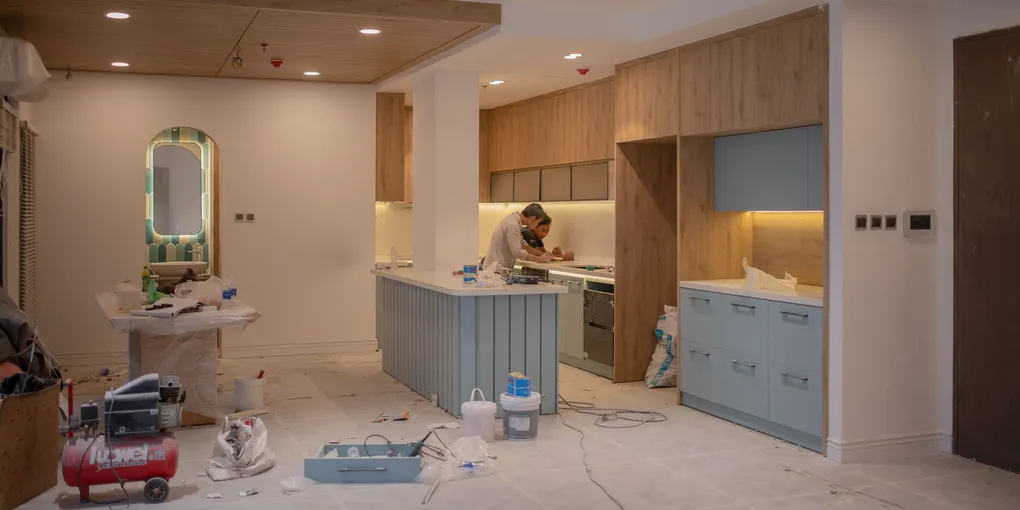
Cabinet refacing costs $4,000–$12,000 for a typical kitchen (replacing doors, drawer fronts, and veneer on cabinet boxes). Full cabinet replacement costs $8,000–$30,000+. Cabinet painting costs $1,200–$4,000. Refacing makes sense when the cabinet boxes are structurally sound but doors and style are outdated — it delivers 80–90% of the visual impact of replacement at 40–60% of the cost.
Frequently Asked Questions
How much does cabinet refacing cost?
Professional kitchen cabinet refacing costs $4,000–$12,000 for a medium kitchen (10–25 linear feet). The cost breaks down as: new doors ($1,500–$5,000), new drawer fronts ($500–$1,500), veneer for cabinet face frames and sides ($500–$2,000), and installation labor ($1,500–$4,000). Door style and material drive cost: thermofoil and RTF doors are the cheapest ($50–$150/door); solid wood doors are most expensive ($150–$400/door). A national refacing chain (Sears Kitchen Refacing, IKEA, local companies) typically charges $5,000–$9,000 for a standard kitchen.
Is it cheaper to reface or replace kitchen cabinets?
Refacing is typically 40–60% cheaper than full replacement: refacing $4,000–$12,000 vs. cabinet replacement $8,000–$30,000 for a similar kitchen. Refacing keeps the existing cabinet boxes (carcasses) and only replaces the visible components — doors, drawer fronts, and veneer over face frames. The 40% savings is real, but comes with a constraint: the existing layout doesn't change. If you want to move the dishwasher, add an island, or change any configuration, you need replacement. If the layout works and the boxes are sound, refacing is the smart economic choice.
What is included in a cabinet refacing job?
Professional refacing includes: removal and disposal of old doors and drawer fronts, sanding and cleaning cabinet boxes, applying veneer or rigid thermofoil to all exposed cabinet sides and face frames, installing new doors (hinges included), installing new drawer fronts, and a hardware upgrade (new knobs and pulls are usually an optional add-on at $150–$500). Countertops, appliances, and the interior of cabinet boxes are not part of refacing. If the interiors need upgrading, add rollout trays, soft-close hinges, or lazy susans as separate additions ($200–$800).
How long does cabinet refacing last?
Quality cabinet refacing with wood veneer or solid wood doors lasts 15–25 years — roughly the same lifespan as the original cabinets. Thermofoil and RTF doors on a painted MDF core can peel or delaminate near heat and steam sources (dishwasher, cooktop) within 5–10 years. Solid wood or plywood-core doors with quality finish hold up better in kitchen environments. If your original cabinets are 30+ years old with failing boxes, refacing them extends their life another 15–20 years; on 10–15 year old boxes in good shape, refacing essentially resets the kitchen appearance timeline.
Can I reface kitchen cabinets myself?
DIY cabinet refacing is possible with the right materials and skills: veneer sheets ($50–$150 for a standard kitchen), iron-on or contact cement veneer, and new doors (available from IKEA, home centers, or online from CabinetNow, Cabinetdoors.com). DIY material cost: $800–$2,500 for a medium kitchen. The challenges: getting clean, consistent veneer application (air bubbles and edge failures are common for first-timers), correctly fitting doors to existing openings, and managing the volume of material handling. Expect 20–40 hours of work. DIY saves $2,000–$5,000 vs. professional, but quality of finish varies significantly with skill level.
Refacing vs. painting vs. replacing: which is best?
Cabinet painting ($1,200–$4,000): cheapest option, same doors and drawer fronts, only color changes. Best when the door style is fine and only color refresh is needed. Takes 3–5 days. Cabinet refacing ($4,000–$12,000): new doors, new drawer fronts, new veneer. Transforms the look completely while keeping existing layout and boxes. Cabinet replacement ($8,000–$30,000+): everything new, including boxes. Allows layout changes. Best when boxes are failing, layout needs to change, or full renovation is underway. For most kitchens in good structural shape needing a style update: refacing delivers the most visual change per dollar spent.
Cabinet refacing costs $4,000–$12,000 for a typical kitchen (replacing doors, drawer fronts, and veneer on cabinet boxes). Full cabinet replacement costs $8,000–$30,000+.
Cabinet refacing sits between painting and replacement — it changes the visual identity of a kitchen completely while avoiding the cost and disruption of full replacement. The math works clearly in its favor when the existing box structure is sound.
Cabinet Update Option Comparison
| Option | Typical Cost | Visual Change | Layout Change | Duration |
|---|---|---|---|---|
| Cabinet painting | $1,200–$4,000 | Color only | No | 3–5 days |
| Cabinet refacing | $4,000–$12,000 | Complete | No | 3–5 days |
| Cabinet replacement | $8,000–$30,000+ | Complete | Yes | 1–3 weeks |
Refacing Cost by Kitchen Size
| Kitchen Size | Linear Feet | Estimated Cost |
|---|---|---|
| Small (galley) | 8–14 LF | $2,500–$6,000 |
| Medium (standard) | 15–25 LF | $4,500–$10,000 |
| Large | 26–35 LF | $7,000–$14,000 |
| Very large / custom | 35+ LF | $10,000–$20,000+ |
Door Material Price Comparison
| Material | Per Door | Durability | Best For |
|---|---|---|---|
| Thermofoil/RTF | $50–$130 | 5–10 yr | Low-use kitchens, away from heat/steam |
| Painted MDF | $80–$180 | 10–15 yr | Most kitchens |
| Solid wood (maple, oak) | $150–$350 | 15–25 yr | High-use, humid environments |
| Plywood core + veneer | $120–$280 | 15–25 yr | Best durability balance |
When Replacement Beats Refacing
- Cabinet boxes are particleboard showing swelling or delamination
- More than 30% of cabinet bottoms have moisture damage
- Layout needs to change (dishwasher location, island addition)
- Full kitchen renovation with new countertops, appliances, flooring — replacement integrates better
- Kitchen hasn’t been updated in 30+ years and the original construction was low-quality
Regional Cost Variations
Cabinet refacing labor tracks local kitchen remodeling market rates:
| Region | Medium Kitchen (15–25 LF) |
|---|---|
| New York City, NY | $7,000–$15,000 |
| Los Angeles, CA | $6,500–$14,000 |
| Chicago, IL | $5,500–$12,000 |
| Dallas/Houston, TX | $4,500–$10,000 |
| Atlanta, GA | $4,500–$10,000 |
| Phoenix, AZ | $4,000–$9,500 |
| Seattle, WA | $6,000–$13,000 |
National Cabinet Refacing Companies vs. Local
| Option | Price | Pros | Cons |
|---|---|---|---|
| Cabinet IQ | Mid-high | Professional system, national warranty | Higher price |
| N-Hance | Mid | Wood renewal focus, franchise model | Variable quality by franchise |
| Miracle Method (cabinets) | Mid | Spray-application system | Not traditional refacing |
| Local kitchen remodeler | Wide range | Best value, most flexibility | Quality varies |
| IKEA new doors (DIY) | Low | Inexpensive, standard sizes | Only fits IKEA cabinets |
| CabinetNow.com (doors) | Low-mid | Order custom doors, DIY install | Requires DIY skill |
The best value approach: for homeowners with time and basic skills, ordering custom doors from an online door company (CabinetNow, Barker Door, Cabinetdoors.com) and DIY-installing them saves $2,000–$5,000 vs. a professional refacing service. The doors arrive measured to your specs, pre-drilled for hinges, in your chosen finish.
Cabinet Refacing vs. Cabinet Painting: Which Is Right?
| Factor | Painting | Refacing |
|---|---|---|
| Cost | $1,200–$4,000 | $4,000–$12,000 |
| Door style change | No (same doors painted) | Yes (new door style) |
| Visual impact | Color change only | Complete transformation |
| Durability | Paint chips/yellows over 5–10 yr | 15–25 yr with quality doors |
| Speed | 3–5 days | 3–5 days |
| Best when | Door style is fine, just want new color | Door style is dated, want new look |
Cabinet painting is often underrated: professional paint spraying with primer + 2 finish coats on well-prepared cabinets can last 10–12 years. Many kitchens that “feel dated” just need a fresh color — if the door profiles are fine, painting is the right answer. Refacing is the move when both the style and color need to change.
Questions to Ask Before Hiring a Refacing Company
- What’s the door material? — should specify exactly (plywood core, MDF, thermofoil, solid wood)
- What veneer is used on the face frames? — should be a real wood veneer, not a printed paper product
- What hinge system? — Blum or Grass soft-close concealed hinges are the quality standard
- What happens if they find damaged boxes? — should have a written per-box repair cost rather than a surprise add-on
- What’s the warranty? — 5–10 year on doors, 1–2 year on labor is standard for reputable companies
DIY supplies (if you tackle it yourself)
- Cabinet door hinges (soft-close)
- Cabinet hardware pulls/knobs
- Cabinet veneer/peel-and-stick
- Contact cement (laminate)
Related Reading
- Kitchen Cabinet Painting Cost
- Kitchen Remodel Cost
- How to Paint Kitchen Cabinets
- Kitchen Countertop Cost
- Kitchen Backsplash Cost
- How to Fix a Warped Kitchen Cabinet Door
- How to Fix a Broken Drawer Knob — replace stripped or missing drawer knobs before or after refacing
- How to Fix a Broken Drawer Bottom — replace a sagging or damaged drawer bottom panel when refacing exposes the interior
- How to Fix a Broken Kitchen Cabinet Hinge Cup — replace a cracked or stripped European hinge cup before or after refacing
- Inspect cabinet boxes for structural integrity before choosing refacing
Open every cabinet and check: (1) Box corners — are joints tight or separating? Loose staples or delaminating particleboard sides indicate box failure. (2) Bottom panels — soft, swollen, or water-damaged bottoms (common under sinks) indicate moisture damage that refacing won't fix. (3) Interior faces — if the face frame (the front of the box) is warped or delaminated, veneer won't adhere properly. If more than 20% of boxes show structural issues, replacement becomes more cost-effective. Refacing works best on quality original cabinets (plywood or solid wood construction) not on cheap particleboard boxes that are failing.
- Measure and document every door and drawer front before getting quotes
Create a door inventory: count every door and drawer front, measure each (width × height), and note whether hinges are overlay or inset. Provide this list to every company quoting the job — it's the basis for the price. Overlay doors (the most common — door covers the face frame) are simpler to replace. Inset doors (the door sits flush inside the frame) require more precise fitting and cost 30–50% more to source. Photographing every cabinet from the front before any work helps verify completeness after installation.
- Choose door material based on how the kitchen is actually used
Thermofoil/RTF (a plastic film over MDF): cheapest ($50–$130/door), available in many colors and smooth profiles, but delaminates near heat and moisture. Not recommended near dishwashers or above cooktops. Painted MDF: smooth finish, consistent color, more durable than thermofoil, moderate price ($80–$180/door). Solid wood: most durable, shows grain, higher cost ($150–$400/door), susceptible to expansion/contraction in humid kitchens but handles heat better. Plywood core with wood veneer: best durability balance ($120–$300/door). For kitchens with steam exposure, avoid thermofoil; for high-use families, invest in plywood core doors.
- Get at least three quotes and ask about what happens if boxes are damaged
Cabinet refacing quotes should itemize: number of doors, drawer fronts, veneer coverage in square feet, door material, hinge type, and installation labor. Ask each contractor: 'What do you do if you find damaged cabinet boxes once work starts?' Quality contractors include a per-box repair or replacement fee in the contract rather than adding surprise charges. Also ask about door lead time — many door suppliers have 2–6 week lead times, so a professional refacing job is scheduled 4–8 weeks after signing the contract. Rush orders typically add $200–$600.
- Plan hardware and interior upgrades alongside refacing
Cabinet refacing is the natural time to add: soft-close hinges ($5–$15/door, worth doing on every door — eliminates slamming for 15+ years), pull-out base cabinet organizers ($75–$200 each, dramatically improves usability), rollout tray upgrades ($50–$150/cabinet), and lazy Susan systems ($100–$300). These interior upgrades add $500–$1,500 to the project but would require separate service calls later. New hardware (knobs and pulls) is usually $150–$500 for a full kitchen — do it at the same time since the doors are off and installer is already on site.
Free: 10-Point Home Maintenance Checklist
Prevent costly repairs with this seasonal checklist. Save hundreds every year by catching problems early.
Your checklist is ready!
Open Checklist →Something went wrong. View the checklist here.