How to Fix a Broken Drawer Bottom
Repair a sagging, cracked, or fallen drawer bottom panel with simple tools and a few dollars in materials — no need to replace the whole drawer.
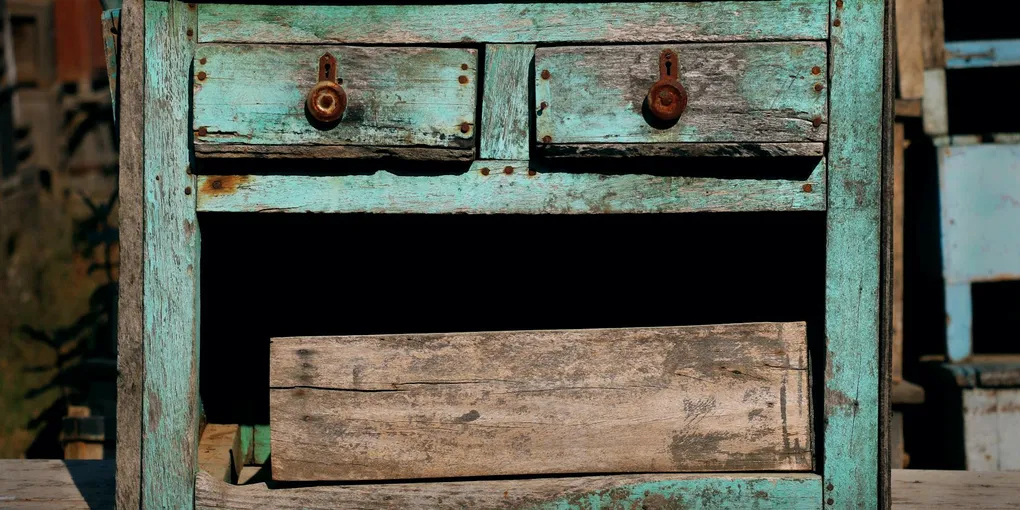
Fixing a broken or sagging drawer bottom: (1) Remove the drawer completely. Most drawer bottoms are 1/4-inch plywood or hardboard that slides into grooves on the front, back, and side pieces. (2) If the bottom has popped out of the groove: apply wood glue to the groove edges, re-seat the panel, and clamp or weight overnight. (3) If the bottom is warped or cracked: cut a replacement from 1/4-inch plywood to the same dimensions. Router or table saw a groove in the replacement to match the existing groove depth if needed. (4) Re-assemble: slide the new bottom into the grooves from the back. Some drawers have a staple or brad nail through the bottom into the back piece — add a few finish nails or staples to secure. (5) For kitchen drawers carrying heavy items: reinforce with a strip of 1/2-inch plywood glued and screwed to the underside. Total repair cost: $5 to $15 in materials.
Frequently Asked Questions
What causes a drawer bottom to sag or crack?
Drawer bottoms are usually made from thin plywood or hardboard and are not designed to support heavy loads over time. Overloading the drawer with heavy items like canned goods or tools is the most common cause of sagging. Moisture from a nearby sink or humid environment can also cause the panel to swell, warp, or delaminate.
Can I fix a drawer bottom without removing the drawer from the cabinet?
You need to remove the drawer from the cabinet to properly repair the bottom. Working with the drawer on a flat surface gives you room to disassemble the corner joints if needed, remove the old panel, cut a new one, and reassemble everything cleanly. Trying to do this work in place leads to poor results.
What thickness material should I use for a replacement drawer bottom?
Most factory drawer bottoms are 1/4-inch thick plywood or hardboard. Measure the thickness of your old panel (or the groove it sits in) before buying material. Using a panel that is too thick will not fit in the grooves; too thin and it will flex and sag again quickly. Standard 1/4-inch cabinet plywood is the right choice for most kitchen drawers.
Do I need to glue the drawer bottom into the groove?
For a standard groove-mounted drawer bottom, glue is generally not needed or recommended. The panel is designed to float slightly in the grooves so the wood can expand and contract with humidity changes without splitting. However, if the panel was originally stapled or nailed, you should re-secure it the same way using new staples or small finish nails along the back edge only.
My drawer corners are coming apart along with the bottom. Should I fix both at once?
Yes. If the corner joints are loose, fix them at the same time you replace the bottom. Apply wood glue to any loose joints, clamp them square, and let them cure fully before reinstalling the drawer bottom. Reinstalling a tight new bottom in a drawer with weak corners just means the whole drawer fails again soon.
How do I cut a new drawer bottom panel without a table saw?
A circular saw with a straightedge guide works well for cutting sheet material accurately. Score the cut line first with a utility knife to prevent splintering on the face side. A jigsaw also works for straight cuts if you use a fine-tooth blade and go slowly. Many home improvement stores will cut a small piece of plywood to size for free or a small fee if you bring measurements.
Fixing a broken or sagging drawer bottom: (1) Remove the drawer completely. Most drawer bottoms are 1/4-inch plywood or hardboard that slides into grooves on the front, back, and side pieces.
A drawer bottom that sags, bows, or has completely fallen through is one of the most frustrating cabinet problems in a kitchen — and one of the easiest to fix. The bottom panel is usually just a thin sheet of plywood or hardboard sitting in a groove, and replacing it takes a few basic tools, a small piece of sheet material, and about an hour of your time. Here is exactly how to do it.
What You Need
Gather your tools and materials before pulling the drawer:
- 1/4-inch cabinet plywood or hardboard sheet — a single 2x4-foot panel is enough for most kitchen drawers
- Wood glue — for regluing any loose corner joints
- Utility knife and straightedge — for scoring the cut line
- Circular saw or jigsaw with a fine-tooth blade
- Tape measure and pencil
- Rubber mallet or hammer with a scrap-wood block
- Sandpaper (120-grit)
- Clamps (optional but helpful for corner joint repairs)
- Small finish nails or staple gun for the back edge
Step 1 — Remove the Drawer
Pull the drawer fully out of the cabinet. Most modern drawers with soft-close slides have a release tab or lever on each slide — press or lift them to disengage the drawer from the slides and lift it free. Older drawers often just pull straight out.
Set the drawer upside down on a workbench or table so you can see the bottom panel and the way it is attached.
Step 2 — Assess the Damage
Inspect the bottom panel and the drawer box itself. Common scenarios you will encounter:
The panel is sagging but intact. The panel is still in the grooves but has flexed under load. In this case you may be able to add a support cleat across the center of the drawer bottom from below, but full replacement is cleaner and more durable.
The panel is cracked or splintered. The panel needs to come out and be replaced. Take measurements now before disassembly.
The panel has popped completely out of the grooves. This happens when the groove is damaged or the panel swelled and then shrank unevenly. Replace the panel and check whether the grooves themselves are damaged.
The drawer corners are also loose. Mark them so you remember to reglue when you reassemble.
Step 3 — Remove the Old Panel
Most drawer bottoms are held in by sliding into grooves cut into the four sides of the drawer box, with the back edge either stapled, nailed, or left floating with just a small tack. Look for staples or nails along the underside of the back rail and remove them with pliers or a pry bar.
If the drawer box is assembled with screws or nails at the corners (not glued), you may be able to remove one back corner to slide the panel out of the grooves without full disassembly. If the drawer box is glued at the corners, use a rubber mallet and a scrap wood block to gently tap the back rail downward and off its corner joints, then slide the panel free.
Once the panel is out, use it as a template for cutting the replacement.
Step 4 — Cut the New Panel
Trace around the old panel onto your new sheet of cabinet plywood, or measure the opening directly (length x width) and add the depth of both grooves to get the panel dimensions. A standard groove is about 1/4 inch deep on each side, so add 1/2 inch to both the length and the width of the opening.
Score the cut line on the face side with a utility knife before sawing to prevent splintering. Cut carefully and test-fit the panel in the grooves before final assembly. The panel should slide smoothly in the grooves with just a little resistance — not so tight that it forces the drawer box sides apart, not so loose that it rattles.
Sand any rough edges lightly with 120-grit sandpaper.
Step 5 — Reassemble the Drawer
If you removed corner joints to extract the old panel, apply fresh wood glue to the joints now. Slide the new bottom panel into the grooves from the back before fully seating the back rail. Once the panel is in the grooves, press the back rail back into its joints.
Use a rubber mallet and a scrap block to seat all the joints firmly. Check that the drawer box is square by measuring diagonally corner to corner — both diagonal measurements should be equal. If the drawer is out of square, clamp it and adjust before the glue dries.
Secure the back edge of the bottom panel with two or three small finish nails or staples driven up through the bottom of the back rail and into the edge of the panel. This keeps the panel from sliding forward over time.
Let the glue cure for at least an hour before reinstalling the drawer.
Step 6 — Reinstall and Test
Slide the repaired drawer back onto its slides, engage the release tabs, and test it fully — push it in, pull it out, and load it with the items it normally holds. The bottom should be flat and rigid.
If the drawer was overloaded before, consider distributing heavy items to a lower drawer or cabinet shelf to prevent repeat damage.
Related Reading
- Step 1 — Remove the Drawer
Pull the drawer fully out of the cabinet. Most modern drawers with soft-close slides have a release tab or lever on each slide — press or lift them to disengage the drawer from the slides and lift it free. Older drawers often just pull straight out.
- Step 2 — Assess the Damage
Inspect the bottom panel and the drawer box itself. Common scenarios you will encounter:
- Step 3 — Remove the Old Panel
Most drawer bottoms are held in by sliding into grooves cut into the four sides of the drawer box, with the back edge either stapled, nailed, or left floating with just a small tack.
- Step 4 — Cut the New Panel
Trace around the old panel onto your new sheet of cabinet plywood, or measure the opening directly (length x width) and add the depth of both grooves to get the panel dimensions.
- Step 5 — Reassemble the Drawer
If you removed corner joints to extract the old panel, apply fresh wood glue to the joints now. Slide the new bottom panel into the grooves from the back before fully seating the back rail.
- Step 6 — Reinstall and Test
Slide the repaired drawer back onto its slides, engage the release tabs, and test it fully — push it in, pull it out, and load it with the items it normally holds. The bottom should be flat and rigid.
Free: 10-Point Home Maintenance Checklist
Prevent costly repairs with this seasonal checklist. Save hundreds every year by catching problems early.
Your checklist is ready!
Open Checklist →Something went wrong. View the checklist here.