How to Fix a Broken Kitchen Cabinet Hinge Cup
Learn how to repair a stripped or blown-out European hinge cup hole in a cabinet door by re-drilling and installing a repair insert.
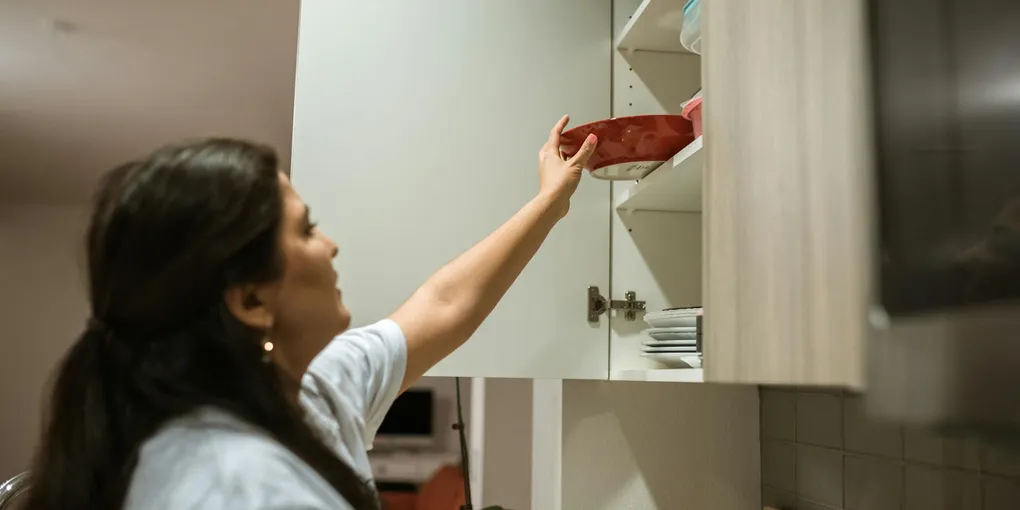
European cup hinges are one of the best inventions in cabinet design — fully adjustable, invisible when closed, and easy to install. But the 35mm cup hole drilled into the door can strip out over time, especially on particleboard or MDF doors, leaving you with a sagging door that no amount of screw-tightening will fix.
European cup hinges are one of the best inventions in cabinet design — fully adjustable, invisible when closed, and easy to install. But the 35mm cup hole drilled into the door can strip out over time, especially on particleboard or MDF doors, leaving you with a sagging door that no amount of screw-tightening will fix. The right repair is fast, inexpensive, and gives you a hole that is stronger than the original.
Understanding the Problem
When a hinge cup hole strips, the wood fibers or particleboard around the edge of the hole compress and lose the ability to hold the hinge barrel in place. Simply filling the old hole with wood glue and toothpicks works for screw holes but not for the large 35mm cup — you need a dedicated repair insert.
Tools and Materials
- Cordless drill
- 35mm and 40mm Forstner bits (or a hinge cup hole saw set)
- Hinge cup repair inserts (35mm)
- Two-part epoxy or PVA wood glue
- Clamps or painter’s tape
- Sandpaper (120-grit)
- Replacement 35mm European hinge (if the old one is damaged)
- Small chisel or utility knife
A 35mm Forstner bit is essential for clean cup holes. KOWOOD Forstner Bit Set includes the 35mm and 40mm sizes you need for this repair and handles both fresh holes and enlarging for inserts. For hinge cup repair inserts, Hettich 35mm Hinge Cup Repair Inserts press firmly into a 40mm hole and restore the original hinge mounting depth.
Step 1: Remove the Cabinet Door
Unclip the door from the hinge mounting plates — most European hinges have a clip or screw that allows the door to pop off without removing the plate from the cabinet box. Set the door on a padded work surface with the interior face up.
Step 2: Remove the Old Hinge
Unscrew the hinge from the cup hole. Inspect the hole: if the sides are crumbling or the hole has oblong edges from the hinge spinning, a repair insert is definitely needed.
Step 3: Enlarge the Hole for the Insert
Using a 40mm Forstner bit in your cordless drill, carefully center the bit on the existing 35mm hole and drill to the same depth as the original cup — typically 12 to 13mm. Drill slowly and use a backer board beneath the door to prevent blowout.
If the original hole is still clean and round and you only need to refill stripped screw holes beside it, skip this step and use toothpicks plus wood glue for just the screw holes, then reinstall the hinge.
Step 4: Clean and Prep the Hole
Use a utility knife or small chisel to clear any loose material from the enlarged hole. Lightly sand the inside of the hole with folded 120-grit sandpaper to remove any glaze left by the Forstner bit, which helps adhesive bond.
Step 5: Apply Adhesive and Install the Insert
Mix a small amount of two-part epoxy or apply PVA wood glue to the outside of the repair insert. Press the insert firmly into the 40mm hole until it seats flush with the door surface. Wipe away any squeeze-out immediately.
Clamp the insert in place with a small F-clamp, or press a flat block against it and secure with painter’s tape. Allow to cure per the adhesive instructions before proceeding.
Step 6: Rehang the Hinge and Door
Once the adhesive is fully cured, press the European hinge barrel back into the repair insert — it should snap or screw in securely just like a new hole. Re-clip the door onto the cabinet mounting plates.
Use the hinge’s built-in adjustment screws to fine-tune the door alignment: the side screw moves the door left and right, the depth screw moves it in and out, and the height screw (on three-way adjustable hinges) moves it up and down.
Step 7: Check All Hinges on the Door
While the door is off, inspect every hinge cup hole. If one is failing, others often show early wear. Repairing them all at once saves you from repeating this job in six months.
BLUM 110-Degree Clip Top Hinges are a professional-grade replacement if the original hinges are also bent or corroded — they include built-in soft-close and are fully adjustable in three directions.
Tips for Success
- Always mark the original hole depth on your Forstner bit with masking tape before drilling so you do not go too deep
- On thin doors under 18mm, test drill on a scrap piece of the same material first
- If the insert does not sit flush, lightly sand the rim rather than forcing it — a proud insert prevents the door from closing properly
With the right insert and a little patience, a stripped European hinge cup hole is a ten-minute fix that makes a cabinet door feel factory-new again.
- Remove the Cabinet Door
Unclip the door from the hinge mounting plates — most European hinges have a clip or screw that allows the door to pop off without removing the plate from the cabinet box. Set the door on a padded work surface with the interior face up.
- Remove the Old Hinge
Unscrew the hinge from the cup hole. Inspect the hole: if the sides are crumbling or the hole has oblong edges from the hinge spinning, a repair insert is definitely needed.
- Enlarge the Hole for the Insert
Using a 40mm Forstner bit in your cordless drill, carefully center the bit on the existing 35mm hole and drill to the same depth as the original cup — typically 12 to 13mm. Drill slowly and use a backer board beneath the door to prevent blowout.
- Clean and Prep the Hole
Use a utility knife or small chisel to clear any loose material from the enlarged hole. Lightly sand the inside of the hole with folded 120-grit sandpaper to remove any glaze left by the Forstner bit, which helps adhesive bond.
- Apply Adhesive and Install the Insert
Mix a small amount of two-part epoxy or apply PVA wood glue to the outside of the repair insert. Press the insert firmly into the 40mm hole until it seats flush with the door surface. Wipe away any squeeze-out immediately.
- Rehang the Hinge and Door
Once the adhesive is fully cured, press the European hinge barrel back into the repair insert — it should snap or screw in securely just like a new hole. Re-clip the door onto the cabinet mounting plates.
Free: 10-Point Home Maintenance Checklist
Prevent costly repairs with this seasonal checklist. Save hundreds every year by catching problems early.
Your checklist is ready!
Open Checklist →Something went wrong. View the checklist here.