Kitchen Cabinet Painting Cost 2026: $1,200–$7,000 Full Kitchen
Kitchen cabinet painting costs $1,200–$7,000 for a full kitchen professionally. DIY materials run $200–$600. Compare painting vs. refacing vs. replacing before committing.
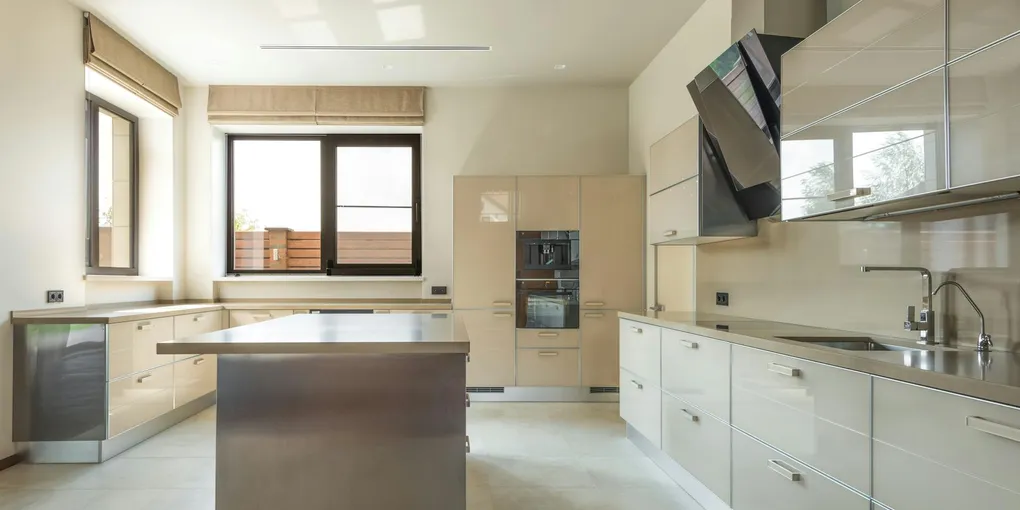
Professional kitchen cabinet painting costs $1,200–$7,000, with most homeowners paying $2,000–$4,500 for a full kitchen. The wide range reflects kitchen size, number of cabinet boxes and doors, prep work needed, finish type (brushed vs. sprayed), and whether new hardware is included. DIY cabinet painting costs $200–$600 in materials but requires significant prep work for lasting results. Cabinet painting costs 60–80% less than cabinet replacement ($8,000–$25,000+) and can look new for 5–10 years with a quality finish.
Frequently Asked Questions
How much does it cost to have kitchen cabinets professionally painted?
Professional kitchen cabinet painting costs $1,200–$7,000 with a national average of $2,000–$4,500. The price is primarily driven by the number of cabinet doors and drawers (most contractors price per door/drawer face at $50–$120 each), the amount of prep and repair work, and whether the cabinets are sprayed (smoother finish, higher cost) or brush/rolled. A typical kitchen with 20–30 cabinet fronts runs $2,000–$4,000 for spray-applied professional work.
Is it worth painting kitchen cabinets instead of replacing them?
Yes, in most cases. Cabinet painting costs $2,000–$4,500 vs. $8,000–$25,000+ for new cabinets. If your cabinet boxes are structurally sound, doors are flat (not warped), and you want to keep your layout, painting delivers 70–80% of the visual impact of new cabinets at 20–25% of the cost. Painting makes the most sense when: the kitchen layout works, boxes and hinges are in good condition, and the wood is paintable (not thermofoil wrap or high-gloss laminate that won't bond).
How long does cabinet paint last?
A professionally sprayed cabinet job using cabinet-specific enamel (Benjamin Moore Advance, Sherwin-Williams Emerald Urethane, or similar alkyd-hybrid paints) lasts 8–15 years with normal kitchen use. Brush-rolled finishes using standard latex paint last 3–7 years before showing wear at high-contact areas (around handles, lower doors). Longevity depends heavily on: paint quality, proper primer adhesion, and surface prep including degreasing. Cheap latex paint over unprimed cabinets may look rough within 1–2 years.
Can I paint over thermofoil or laminate cabinets?
Thermofoil (vinyl-wrapped MDF) is not recommended for painting — the surface must be scuff-sanded and primed with a bonding primer, and results are unpredictable. If the thermofoil is already peeling, paint will accelerate the failure. High-gloss laminate can be painted with a bonding primer (Zinsser BIN shellac or Kilz Adhesion) but requires heavy prep. Most painting contractors charge an upcharge or decline thermofoil entirely. Solid wood or MDF (medium-density fiberboard) with a factory paint finish are the ideal candidates for repainting.
What paint is best for kitchen cabinets?
Cabinet-specific alkyd-hybrid paints outperform standard latex for durability: Benjamin Moore Advance ($75–$95/gallon), Sherwin-Williams Emerald Urethane Trim Enamel ($100–$115/gallon), and PPG Breakthrough ($85–$100/gallon) are the professional standard. These paints cure to a hard, washable surface. Avoid standard wall latex — it stays soft and marks easily on cabinet surfaces. For color, whites and light grays dominate (white oak cabinets + Sherwin Williams Alabaster or Classic French Gray are among the most searched combinations in 2026).
What is the process for painting kitchen cabinets professionally?
A proper cabinet painting job takes 2–5 days and includes: (1) Remove all doors, drawers, and hardware. (2) Degrease all surfaces with TSP or cabinet cleaner — grease contamination causes paint adhesion failure. (3) Sand all surfaces (120 grit) to scuff the existing finish. (4) Fill dents, holes, and visible grain (grain filling on oak is often charged extra). (5) Apply oil or shellac primer (2 coats). (6) Spray paint doors and drawers in a controlled environment (dusty kitchen = orange peel texture). (7) Spray or brush cabinet boxes in place. (8) Light sand between coats. (9) Reinstall hardware and rehang doors.
Professional kitchen cabinet painting costs $1,200–$7,000, with most homeowners paying $2,000–$4,500 for a full kitchen. The wide range reflects kitchen size, number of cabinet boxes and doors, prep work needed, finish type (brushed vs.
Painting kitchen cabinets is the highest-ROI kitchen refresh most homeowners can do. For $2,000–$4,500, a professionally painted kitchen can look completely transformed — the same visual impact as a $20,000+ cabinet replacement for a fraction of the cost.
Kitchen Cabinet Painting Cost by Kitchen Size
| Kitchen Size | Cabinet Count (approx.) | Professional Cost |
|---|---|---|
| Small kitchen | 15–20 doors/drawers | $1,200–$2,500 |
| Medium kitchen | 25–35 doors/drawers | $2,500–$4,500 |
| Large kitchen | 40–55 doors/drawers | $4,000–$7,000 |
| Extra large / open kitchen | 55+ doors/drawers | $5,500–$10,000+ |
These ranges assume spray-applied cabinet enamel, proper prep and priming, and a 2-color job (upper cabinets one color, lower cabinets another is now common).
Pricing Breakdown: What You’re Actually Paying For
Per-Piece Labor
Most cabinet painters charge per door and drawer front:
| Surface | Cost per Piece |
|---|---|
| Cabinet door (standard) | $50–$120 |
| Drawer front | $40–$80 |
| Cabinet box (painted in place) | $75–$150 each |
| Glass-front door | $60–$100 (no sanding on glass) |
| Lazy Susan or specialty piece | $100–$200 |
A kitchen with 22 doors + 12 drawer fronts at the national average ($75 doors, $55 drawers) = $1,650 in door/drawer labor alone. Add box painting and the total climbs to $2,200–$3,500.
Paint and Materials
| Item | Cost |
|---|---|
| Premium cabinet enamel (1–2 gal) | $75–$200 |
| Primer (oil or shellac, 1–2 gal) | $50–$100 |
| Grain filler (oak cabinets) | $25–$60 |
| Sandpaper, tack cloths, masking | $25–$75 |
| Total materials | $175–$435 |
Materials are typically 15–25% of total job cost. Contractors who “include” paint often use cheaper products to maintain margin — ask which specific product is specified.
Prep Work Upcharges
- Grain filling on oak: $200–$600 to fill open grain for a smooth finish. Oak grain telegraphs through paint without it.
- Thermofoil cabinets: $100–$400 upcharge (if accepted at all) for bonding primer and additional prep.
- Damaged or water-stained doors: $15–$50 per door for extra filler/sanding.
- New hardware installation: $1–$5 per piece labor (if included at all).
Professional vs. DIY: True Cost Comparison
Professional Cabinet Painting
- Cost: $2,000–$4,500 average
- Finish quality: Factory-smooth spray, professional-grade enamel
- Timeline: 2–5 days
- Durability: 8–15 years with quality paint
DIY Cabinet Painting
- Materials cost: $200–$600
- Equipment rental (HVLP sprayer): $50–$100/day (or $150–$350 to buy)
- Your time: 20–40 hours over 2–3 weekends
- Finish quality: Highly variable — brush/roll marks are common without spray equipment
- Common failures: Peeling from improper degreasing, brush marks, runs from over-application
DIY saves $1,500–$3,500 but the learning curve is steep. The most common DIY failure is insufficient degreasing — kitchen cabinets accumulate cooking grease that prevents paint adhesion even through a primer coat.
Cabinet Painting vs. Cabinet Replacement
| Option | Cost | Timeline | Result |
|---|---|---|---|
| Paint existing cabinets | $2,000–$4,500 | 3–5 days | Same layout, fresh look |
| Reface cabinets (new doors, keep boxes) | $4,000–$10,000 | 3–7 days | New doors, same layout |
| Replace with stock cabinets | $8,000–$18,000 | 1–3 weeks | New everything |
| Replace with semi-custom | $15,000–$35,000 | 4–8 weeks | Custom sizing/features |
| Replace with full custom | $25,000–$75,000+ | 6–16 weeks | Fully custom |
The Right Paint Matters More Than Almost Anything
The single biggest quality determinant in a cabinet paint job — more than brush vs. spray, more than number of coats — is the paint product.
Cabinet-specific alkyd-hybrid enamels cure hard. Standard latex paint stays slightly soft and marks with the first dish towel wipe. These products are worth the premium:
- Benjamin Moore Advance ($75–$95/gal): Industry standard, slow dry time (allow 16+ hours between coats), extremely hard cure
- Sherwin-Williams Emerald Urethane Trim Enamel ($100–$115/gal): Faster dry time than Advance, similar durability
- PPG Breakthrough ($85–$100/gal): Good flow and leveling, less commonly specified
What to avoid:
- Standard latex wall paint (Behr, generic store brands)
- “Cabinet Transformations” kit paint (Rust-Oleum) — works for DIY but not contractor-grade
- Any paint described as “cabinet paint” without specifying the brand and formula
Color Trends for 2026 Cabinet Painting
White remains dominant (~40% of jobs) but the palette has shifted toward warmer whites and two-tone combinations:
Most popular single-color choices:
- Benjamin Moore White Dove (OC-17) — warm, creamy white
- Sherwin-Williams Alabaster (SW 7008) — the most searched white in 2025–2026
- Benjamin Moore Classic Gray (OC-23) — greige neutral
- Sherwin-Williams Urbane Bronze (SW 7048) — dark accent islands
Two-tone combinations (uppers/lowers):
- White uppers + navy or forest green lowers
- Off-white uppers + black or charcoal lowers (bold contrast)
- Light gray uppers + white oak-tone lowers (mixed painted/stained)
Two-tone quotes typically add $300–$800 vs. single color for the additional masking, color changes, and labor.
When Cabinet Painting Doesn’t Make Sense
Pass on painting if:
- Thermofoil is delaminating: If the vinyl is peeling at edges or bubbling, paint accelerates the failure. Replacement is the right call.
- Boxes are water-damaged: Paint can’t structurally fix soft or swollen MDF from a past leak. Replacement needed.
- Doors are warped: Warped doors don’t hang true after painting — in fact, moisture from paint can worsen warp. Replace warped doors before painting the rest.
- The layout is the real problem: Painting fixes appearance but not function. If you hate the layout, the money is better spent toward replacement.
Finding a Qualified Cabinet Painter
Cabinet painting is specialized work — most general painters don’t have spray equipment or experience with the prep level required. Look for:
- Dedicated cabinet refinishing companies (often listed as “cabinet painters” or “kitchen cabinet refinishing” — different from general house painters)
- References showing cabinet-specific work (not just interior painting)
- Spray application as standard (not an upcharge)
- Written specification of paint product in the quote
Get three quotes. Pricing varies 40–70% between contractors in the same market. The lowest bid almost always reflects a cheaper paint product or skipped prep steps.
Regional Kitchen Cabinet Painting Cost Variations
| Region | Small Kitchen (10 cabinets) | Full Kitchen (20 cabinets) | Large Kitchen (30+ cabinets) |
|---|---|---|---|
| Northeast (NY, MA, NJ) | $1,500–$3,200 | $2,800–$5,500 | $4,500–$8,500 |
| Mid-Atlantic (DC, MD, VA) | $1,400–$2,900 | $2,600–$5,000 | $4,200–$8,000 |
| Southeast (FL, GA, TX) | $1,000–$2,300 | $1,900–$3,900 | $3,200–$6,500 |
| Midwest | $1,100–$2,500 | $2,000–$4,200 | $3,400–$6,800 |
| Pacific (CA, WA, OR) | $1,500–$3,200 | $2,800–$5,500 | $4,500–$8,500 |
Prices include door removal, thorough deglossing and sanding, primer, and 2 finish coats. Hardware removal and reinstallation typically included; cabinet box interiors are usually not painted.
Cabinet Painting Company Comparison
| Service Type | Best For | Cost Level | Notes |
|---|---|---|---|
| Dedicated cabinet refinishing company | Best quality finish; longest durability | Moderate–High | Specialists in cabinet prep and spray finishing; best guarantee of professional results |
| N-Hance Wood Renewal | Mid-range cabinet renewal; national franchise | Moderate | National franchise; renewal process (not full strip); variable quality by location |
| General interior painter | Budget-conscious; simple kitchens | Low–Moderate | Painters who do cabinets often skip spray application and thorough prep — ask specifically |
| Miracle Method | Kitchen resurfacing + cabinet refresh as package | Moderate | Better known for countertop refinishing; cabinet service quality varies |
| Wow 1 Day Painting | Speed-focused; single-day completion | Moderate | Franchise model; quick turnaround but compressed prep time raises durability questions |
| DIY (brush/roller + proper prep) | Significant savings; patient DIYers | Materials only ($200–$600) | 80% of professional results are achievable with proper prep; spray is the gap |
Dedicated cabinet refinishing companies produce the most durable results — they invest in proper surface prep and spray equipment that general painters often skip. Ask any contractor whether they spray (required) or brush and roll (not appropriate for a factory-smooth finish).
Questions to Ask Your Cabinet Painter
-
Will you spray the cabinet doors, or brush and roll? And will the doors be removed from the cabinets for painting? — Spray application is the only method that produces a smooth, factory-quality finish on cabinet doors. Brushing and rolling leaves texture marks visible in raking light. Ask: “Do you spray the doors, and do you remove them from the hinges?” Professional cabinet painters remove all doors, paint them off-cabinet (in a shop or on sawhorses), and reinstall after curing. An affirmative answer on both questions is the baseline for professional-quality work. Any contractor who proposes brushing doors in place is producing a result that will look noticeably amateur.
-
What is the prep process — deglossing, sanding, and priming — and how many prep steps are included before the finish coat? — Cabinet durability is 80% prep. Original finishes are typically a baked-on lacquer or conversion varnish that needs to be scuffed and deglossed before new paint can adhere. The correct sequence: thorough cleaning (TSP or degreaser), deglossing, light sanding with 150–220 grit, spot putty for any nicks, a bonding primer, light sanding again, then finish coats. Ask: “What is your prep sequence?” Contractors who go straight to paint with minimal prep are producing a finish that will peel within 2–3 years. Prep takes more time than painting — it’s where quality contractors differentiate.
-
What specific paint product will you use — brand, product line, and sheen level — and is it appropriate for cabinets? — Not all paints are appropriate for cabinets. Cabinet finishes need to withstand moisture, grease, frequent cleaning, and impact — standard wall paint fails within a year. Ask: “What specific product are you using?” Acceptable products include: Sherwin-Williams Emerald Urethane Trim Enamel, Benjamin Moore Advance, or Sherwin-Williams Extreme Bond Primer with a topcoat. Avoid proposals for standard latex wall paint or “cabinet paint” from an unknown brand. Get the product name in writing.
-
How many finish coats are included, and what is the cure time before the cabinets can be used normally? — Professional cabinet painting requires at minimum 2 finish coats with sanding between. Some high-quality finishes need 3. The cure time is different from dry time — paint can feel dry in 4 hours but not fully cure (reach maximum hardness) for 30 days. During that 30-day period, the finish is more vulnerable to damage from cleaning products and impact. Ask: “How many finish coats are included?” and “What is the full cure time, and what cleaning products are safe to use during the cure period?”
-
Is there a warranty on the finish, and what causes warrant a warranty service call vs. normal wear? — Cabinet painting warranties vary from none to 5 years. Ask: “What does your warranty cover, and for how long?” Get specific: chipping or peeling at door edges (workmanship issue) vs. scratching from abrasive cleaners (maintenance issue) should be distinguished clearly. A company that offers a 2-year workmanship warranty and will return to address peeling or delamination is providing real assurance. One that offers no warranty on a $3,000 paint job is signaling that they’re not confident the work will hold up — a red flag worth weighing in the selection decision.
Related Reading
- Kitchen Remodel Cost
- Interior Painting Cost
- How to Paint a Room Like a Pro
- Cabinet Hardware Installation Cost
- Countertop Replacement Cost
- Cabinet Refacing Cost — when you want new doors without full replacement
- How to Fix a Broken Drawer Knob — replace stripped or missing hardware while the cabinets are freshly painted
- Get cabinet count and condition assessment before requesting quotes
Count your cabinet doors, drawer fronts, and cabinet boxes (upper and lower). Most contractors price per door/drawer face at $50–$120 each. Note any damage: peeling thermofoil, water damage at sink base, missing hinges, warped doors, or visible grain you want filled. A 40-item kitchen (20 doors + 15 drawer fronts + 5 open-box ends) at $75/item = $3,000 in surfaces alone before box painting.
- Identify your cabinet material before hiring
Solid wood (oak, maple, cherry) and MDF with factory paint are the best candidates. Thermofoil wrap (vinyl over MDF) is risky — if it's delaminating, painting accelerates failure. Test by peeling a corner edge: if vinyl peels easily, the cabinets may not be worth painting. High-gloss laminate requires a bonding primer and upcharge. Tell contractors the material upfront; some decline thermofoil entirely.
- Request a spray-applied finish quote, not brush-rolled
Spray application produces a factory-smooth finish that brushing cannot match. Legitimate cabinet painters spray doors and drawer fronts off-cabinet in a dedicated spray area, then spray or cut-in the cabinet boxes in the kitchen. Ask specifically: 'Are the doors sprayed off-cabinet or painted in place?' In-place painting typically means brushed or rolled, which shows brush marks on flat surfaces.
- Choose the paint before the contractor, not after
Specify the paint product in the quote: Benjamin Moore Advance, Sherwin-Williams Emerald Urethane, or Rust-Oleum Cabinet Transformations are the credible options. Contractors who use generic latex paint and call it 'cabinet paint' are cutting corners. The paint product is 20–30% of total cost on a job done right. Confirm which primer is being used (shellac-based or oil primer, not latex primer, for best adhesion).
- Plan for 2–5 days without kitchen cabinet access
Doors and drawers are removed and painted offsite or in the garage. Allow 2–3 days for paint to cure enough for reinstallation, plus 30 days for full cure (avoid scrubbing or cleaning during this window). Schedule the project during a week where temporary kitchen disruption is manageable. Having the work done in spring or fall avoids high heat/humidity that slows dry time and can cause sagging.
Free: 10-Point Home Maintenance Checklist
Prevent costly repairs with this seasonal checklist. Save hundreds every year by catching problems early.
Your checklist is ready!
Open Checklist →Something went wrong. View the checklist here.