How to Fix a Warped Kitchen Cabinet Door
Learn how to flatten a warped kitchen cabinet door using clamping, moisture, and weight techniques so it hangs straight and closes properly again.
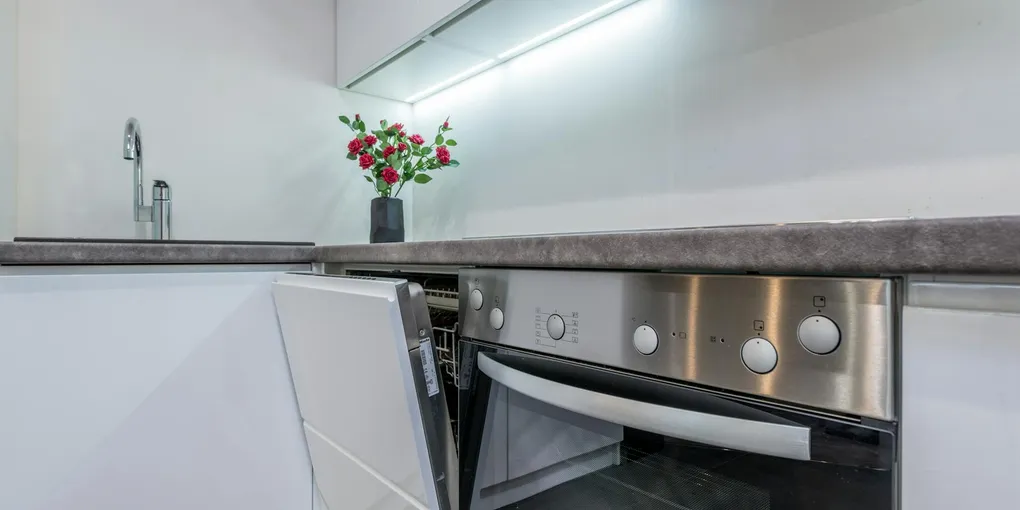
A bowed or twisted kitchen cabinet door is both functional and cosmetic problem. It creates gaps that let grease and steam in, it looks misaligned, and it often will not stay latched.
A bowed or twisted kitchen cabinet door is both functional and cosmetic problem. It creates gaps that let grease and steam in, it looks misaligned, and it often will not stay latched. Fortunately, wood warping is reversible in most cases using controlled moisture and clamping to reshape the door over 24 to 72 hours. This guide covers the complete fix from diagnosis through prevention.
What You Need
- Bar clamps or pipe clamps (at least 4, longer than the door width)
- Straight 2x4 lumber boards (2 pieces, same length as the door)
- Damp cloths or sponges
- Plastic sheeting or plastic bags
- Wood conditioner or penetrating finish sealer
- Sandpaper (150 grit and 220 grit)
- Paint or polyurethane for sealing (matching existing finish)
- Screwdriver (for hinge removal)
- Flat surface — concrete floor, workbench, or garage floor
Step 1: Remove the Cabinet Door
Use a screwdriver to remove the hinge screws from the cabinet box side (the screws inside the cabinet frame, not the ones on the door face). Lift the door free and carry it to a flat work area — a concrete garage floor or workbench works well.
Examine the door on all faces. Determine the direction of the warp:
Cup warp: The door bows across its width, like a shallow U shape when viewed from the end. Usually caused by moisture imbalance between the front and back face.
Bow warp: The door bends along its length, with the center higher or lower than the ends. Less common, but corrected by the same method.
Twist warp: Two diagonal corners are raised while the other two are low. This is the most difficult warp to correct and may require multiple treatment cycles.
Step 2: Apply Controlled Moisture to the Concave Face
Wood straightens by equalizing moisture content on both faces. To accelerate this, add moisture to the concave (cupped inward) face — the face that has dried out more than the other.
- Dampen 2 to 3 cloths with warm water and wring them out until they are moist but not dripping.
- Lay the cloths over the concave face of the door.
- Cover the cloths with plastic sheeting to hold the moisture against the wood surface and slow evaporation.
- Leave the convex (bowed outward) face exposed to room air. This face needs to dry and contract while the concave face expands.
Allow the moisture treatment to work for 2 to 4 hours before clamping.
Step 3: Clamp the Door Flat
This is the core step. The goal is to hold the door in an over-corrected position (slightly past flat) while the wood fibers reset.
- Place two straight 2x4 boards on a flat surface. These serve as clamping cauls — they distribute clamping pressure evenly across the door width without crushing the wood.
- Lay the door concave-face-down (convex face up) on the lower 2x4 boards, so the bow is pointing upward.
- Place the second set of 2x4 boards on top of the door.
- Apply bar clamps across the door width, spacing them every 12 to 16 inches along the door height. Tighten the clamps progressively and evenly — do not crank one clamp tight before the others are snug.
- Tighten until the door is flat and, if possible, slightly over-bent in the opposite direction of the original warp. Wood has memory and will spring back slightly when clamps are released, so a slight over-correction produces a flat result.
Leave the clamps in place for a minimum of 24 hours. For severe warps, 48 to 72 hours produces a more durable correction.
Step 4: Release the Clamps and Assess
Remove the clamps and lift the door free. Lay it on a flat surface and observe:
- Fully flat: The repair is complete. Proceed to sealing (Step 5).
- Improved but still bowed: Repeat the moisture and clamping process, this time increasing the over-correction angle and leaving the clamps on for a longer period.
- No improvement or new warp direction: The wood may be too far gone for reshaping, or the door core material (MDF) is not responding to moisture treatment. Consider replacement.
Most solid wood doors with moderate warps flatten successfully after one or two clamping cycles.
Step 5: Seal All Surfaces Before Reinstalling
This step is essential to prevent the door from warping again. An unfinished or poorly sealed wood surface is the primary cause of recurring warp.
- Sand the back face of the door lightly with 150-grit sandpaper to remove any roughness from the moisture treatment. Follow with 220-grit for a smooth surface.
- Apply a coat of penetrating wood sealer, polyurethane, or the same paint or finish used on the door front.
- Pay particular attention to sealing all four door edges — end grain absorbs moisture the fastest and is the most overlooked area.
- Allow to dry fully per the product directions before reinstalling.
Step 6: Reinstall the Door and Adjust the Hinges
Hang the door back on the cabinet using the hinge screws you removed in Step 1. Check the door alignment:
- The gap around the door should be even on all sides (typically 1/8 inch).
- The door should close flush with adjacent doors without rubbing.
- The door latch or magnetic catch should engage positively.
If the door hangs slightly out of alignment after flattening, use the hinge adjustment screws (on European cup hinges) or shim the hinge leaves (on surface-mount butt hinges) to fine-tune the position.
When to Replace Instead of Repair
Replace the door if:
- The MDF core is swollen or delaminated — this is permanent damage.
- The warp is a twist in two directions that does not respond to two clamping cycles.
- The door face veneer is bubbling, peeling, or cracked.
- The door is more than 20 years old and the cabinet line has been updated — a replacement door improves the kitchen aesthetics.
Related Reading
- How to Fix a Broken Cabinet Hinge — address hinge problems at the same time the door is off
- How to Paint Kitchen Cabinets — refinish the sealed door to match the rest of the kitchen
- How to Fix a Cabinet Door That Will Not Close — related alignment and latch issues
- How to Fix a Broken Kitchen Cabinet Door — repair or replace a cracked or structurally damaged door when flattening isn’t enough
- Remove the Cabinet Door
Use a screwdriver to remove the hinge screws from the cabinet box side (the screws inside the cabinet frame, not the ones on the door face). Lift the door free and carry it to a flat work area — a concrete garage floor or workbench works well.
- Apply Controlled Moisture to the Concave Face
Wood straightens by equalizing moisture content on both faces. To accelerate this, add moisture to the concave (cupped inward) face — the face that has dried out more than the other.
- Clamp the Door Flat
This is the core step. The goal is to hold the door in an over-corrected position (slightly past flat) while the wood fibers reset.
- Release the Clamps and Assess
Remove the clamps and lift the door free. Lay it on a flat surface and observe:
- Seal All Surfaces Before Reinstalling
This step is essential to prevent the door from warping again. An unfinished or poorly sealed wood surface is the primary cause of recurring warp.
- Reinstall the Door and Adjust the Hinges
Hang the door back on the cabinet using the hinge screws you removed in Step 1. Check the door alignment:
Free: 10-Point Home Maintenance Checklist
Prevent costly repairs with this seasonal checklist. Save hundreds every year by catching problems early.
Your checklist is ready!
Open Checklist →Something went wrong. View the checklist here.