How to Fix a Broken Medicine Cabinet Door
Learn how to repair or replace a medicine cabinet door that is sagging, off its hinges, or damaged with simple tools and inexpensive parts.
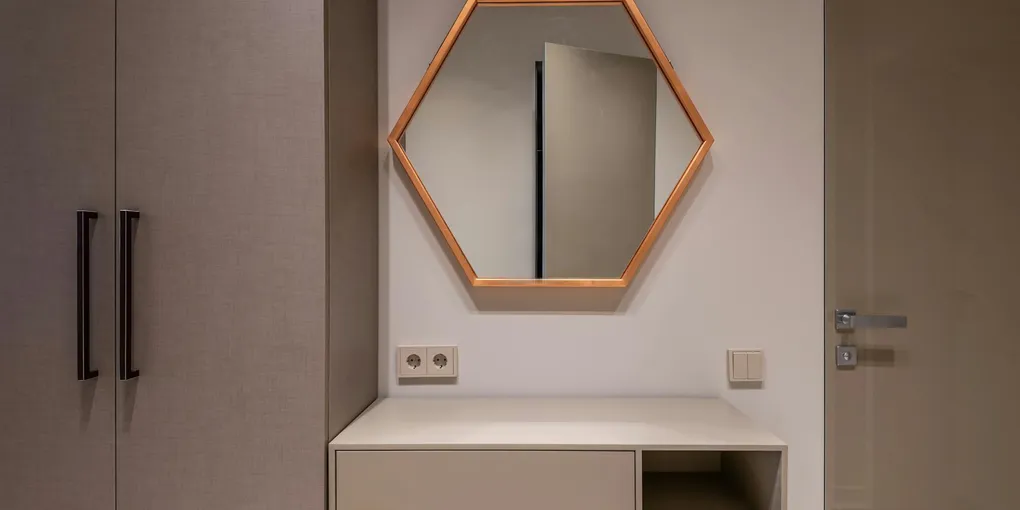
A medicine cabinet door that sags, sticks, or refuses to stay closed is one of those small annoyances that feels bigger every time you open it.
A medicine cabinet door that sags, sticks, or refuses to stay closed is one of those small annoyances that feels bigger every time you open it. The good news is that nearly every medicine cabinet door problem is fixable with basic tools and parts that cost under $20.
What You Need
- Phillips and flat-head screwdriver set — for hinge screws and strike plate adjustment
- Replacement hinges for medicine cabinets — match the style and screw hole spacing to your existing hardware
- Magnetic door catches — to fix doors that will not stay closed
- Wood toothpicks and wood glue — for repairing stripped screw holes
- Touch-up paint or primer — for wooden cabinet frames with chips or rust
- Replacement mirror door panel — if the door itself is cracked or beyond repair
Diagnose the Problem First
Before ordering parts, spend two minutes figuring out what is actually wrong. Open and close the door slowly while watching these four things:
Sagging or rubbing. If the door hangs lower on one side and drags across the bottom of the cabinet frame, the hinge screws have stripped out of the cabinet wall. The fix is to reinforce the screw holes, not to buy new hinges.
Door swings open on its own. The magnetic catch is weak or the strike plate is misaligned. The magnet itself costs about $3 and takes five minutes to swap.
Door will not close fully. The frame may be warped, or a hinge may be bent. Check whether the cabinet box itself is square by measuring corner to corner diagonally — if the measurements differ, the box is racked and you may need to adjust the mounting.
Cracked mirror or damaged door panel. If the glass is broken, the door needs to be replaced or the mirror reglazed. Everything else on the door can be repaired.
Fix 1: Tighten or Repair Loose Hinge Screws
This is the most common medicine cabinet door problem and the easiest to fix.
Tighten the screws first. Use a Phillips screwdriver to snug up every hinge screw on both the door and the cabinet frame side. Do not overtighten — stop when you feel firm resistance. Test the door. If it hangs straight and opens smoothly, you are done.
Fill stripped screw holes. If a screw spins freely and will not tighten, the wood behind it has stripped. Here is the most reliable fix: Remove the screw. Dip two or three wooden toothpicks in wood glue and pack them into the hole. Break the toothpicks off flush with the surface. Let the glue dry for at least one hour, preferably overnight. The hardened toothpick-and-glue fill gives the screw fresh wood to grip. Drive the original screw back in — it should feel snug immediately.
Replace a bent hinge. If a hinge is visibly twisted or the knuckle (the barrel in the center) is cracked, buy a replacement hinge with identical screw hole spacing. Remove the damaged hinge, hold the new one in place, and drive the screws in. No drilling required if the hole pattern matches.
Fix 2: Align the Door So It Hangs Straight
After tightening or replacing hinges, check the door alignment.
Close the door and look at the gap along all four edges. A consistent gap of about 1/8 inch on each side means the door is square. An uneven gap means the door needs adjustment.
For wrap-around or pivot hinges. Loosen (do not remove) the screws on the hinge leaf that attaches to the cabinet frame. Shift the hinge up, down, or sideways by a small amount, then retighten and test. Repeat until the gaps are even.
For euro cup hinges. These have two adjustment screws built into the mounting plate. The side-to-side screw moves the door left or right. The depth screw moves it in or out. Turn each screw a quarter turn at a time and close the door after each adjustment to check progress.
Fix 3: Replace a Worn Magnetic Catch
A magnetic catch has two parts: a magnet mounted inside the cabinet frame and a metal strike plate mounted on the door. When the catch stops holding the door closed, one of those parts has failed.
Test the magnet. Remove the catch from the cabinet frame (usually two screws) and hold it near a metal tool or the strike plate. If the pull is weak, the magnet is worn out and the catch should be replaced entirely.
Reposition a misaligned strike plate. If the magnet is strong, the strike plate may be slightly off-center. Loosen the strike plate screws and move it toward the magnet. Retighten and test the door. You may need to try two or three positions before the door holds firmly without requiring a hard push to close.
Install the new catch. Magnetic catches come with a paper template. Hold the magnet in position inside the cabinet frame with the door closed and mark the hole locations. Drive the screws in and test. Most catches hold 5 to 8 pounds of force, which is plenty for a medicine cabinet door.
Fix 4: Replace a Damaged Door
If the mirror is cracked, the door panel is warped, or the frame is broken, a full door replacement is the cleanest solution.
Measure the opening. Measure the height and width of the cabinet opening (the empty space, not the door itself). Also measure the hinge spacing — the distance between the center of the top hinge and the center of the bottom hinge.
Order a replacement door. Check the manufacturer’s website first using any model number printed on the back of the cabinet. If no match is available, search for a universal replacement mirror door in the same dimensions. Frameless mirror replacement panels are available from glass shops if you only need the mirror glass and not the frame.
Install the new door. Remove the old door by unscrewing the hinges from the cabinet frame. Hold the new door in place, align the hinges to the original hole positions (or mark new positions if the hinge style changed), and drive the screws in. Adjust alignment as described in Fix 2 above.
Preventive Maintenance
Medicine cabinet hinges last longer when you wipe them clean once a year and apply a drop of 3-in-1 oil to the knuckle. Avoid hanging heavy items on the door that shift the weight load onto the hinge screws. If the cabinet is in a high-humidity bathroom, check the frame annually for swelling or rust — catching it early prevents the stripped-screw problem entirely.
Related Reading
- How to Recaulk a Bathtub — seal gaps before water gets behind the walls
- How to Fix a Running Toilet — another common bathroom fix you can handle yourself
- Small Bathroom Organization Tips — make the most of limited cabinet space
- How to Fix a Broken Bathroom Mirror — replace or repair a cracked bathroom mirror while you have the medicine cabinet open
- How to Fix a Broken Medicine Cabinet Hinge — repair or replace a hinge that causes the door to sag or fall open
- Fix 1: Tighten or Repair Loose Hinge Screws
This is the most common medicine cabinet door problem and the easiest to fix.
- Fix 2: Align the Door So It Hangs Straight
After tightening or replacing hinges, check the door alignment.
- Fix 3: Replace a Worn Magnetic Catch
A magnetic catch has two parts: a magnet mounted inside the cabinet frame and a metal strike plate mounted on the door. When the catch stops holding the door closed, one of those parts has failed.
- Fix 4: Replace a Damaged Door
If the mirror is cracked, the door panel is warped, or the frame is broken, a full door replacement is the cleanest solution.
Free: 10-Point Home Maintenance Checklist
Prevent costly repairs with this seasonal checklist. Save hundreds every year by catching problems early.
Your checklist is ready!
Open Checklist →Something went wrong. View the checklist here.