Driveway Repair Cost 2026: $100–$2,000 by Damage Type
Driveway repair costs $100–$600 for minor patching, $300–$2,000 for moderate damage (resurfacing, section repair). Full replacement $3,500–$7,800. Pricing by material and damage type.
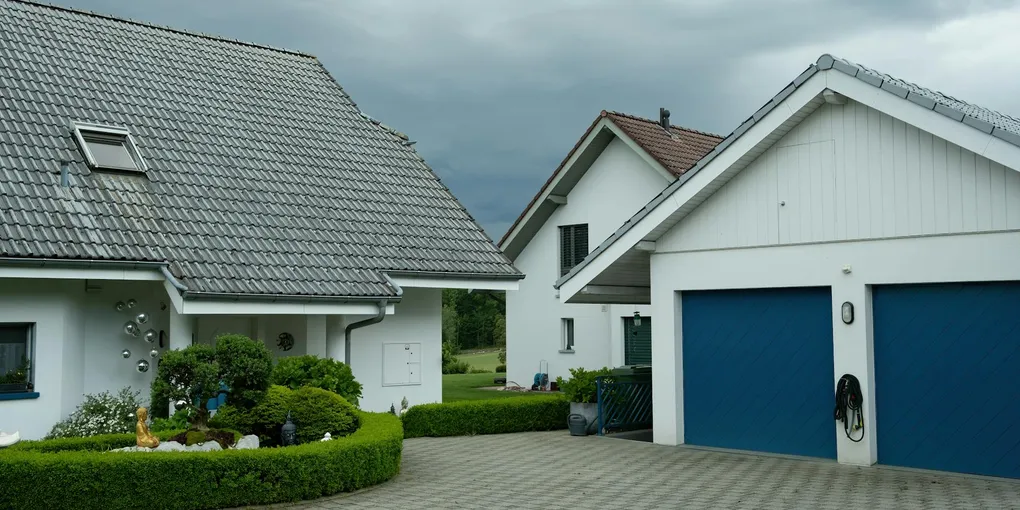
Driveway repair costs $100–$600 for minor repairs (crack filling, pothole patching, spot sealing), $300–$2,000 for moderate repairs (large section resurfacing, edge repair, drainage correction), and $1,500–$6,000+ for major repairs approaching full resurfacing or replacement. Asphalt repairs are generally 40–60% cheaper than concrete for the same scope. Most homeowners pay $300–$900 for a professional repair visit.
Frequently Asked Questions
How much does it cost to repair an asphalt driveway?
Asphalt driveway repairs cost $100–$400 for crack filling and sealing a standard 2-car driveway (600 sq ft). Patching a single pothole runs $100–$250. Full driveway resurfacing (asphalt overlay over existing base) costs $1,500–$4,000 for a 600 sq ft driveway. Crack filling every 2–3 years and sealcoating every 3–5 years extends asphalt life from 15 to 25+ years and delays the $5,000–$10,000 full replacement.
How much does it cost to repair a concrete driveway?
Concrete driveway repairs cost $300–$800 for crack injection and surface patching. Lifting a sunken concrete panel with mudjacking costs $500–$1,500 per panel. Full concrete grinding and resurfacing runs $3–$7/sq ft. Concrete crack repair is less forgiving than asphalt — repaired cracks remain visible and concrete resurfacing has a shorter aesthetic life than new concrete. Concrete replacement costs $6–$12/sq ft installed.
How much does it cost to fill a pothole in a driveway?
Patching a pothole in an asphalt driveway costs $100–$250 for a single pothole (0–4 sq ft) by a contractor, or $15–$40 DIY using cold-patch asphalt repair compound. DIY cold patch works but may need annual reapplication — hot-mix asphalt or infrared repair (done by contractors) lasts 3–10x longer. Infrared pothole repair costs $150–$350 per area and bonds to existing asphalt for a near-seamless result.
How much does driveway crack repair cost?
Crack filling costs $0.50–$2.00 per linear foot for most contractors, with a minimum service call of $100–$200. A 200-foot run of cracks on a residential driveway runs $100–$400 depending on crack width and depth. DIY crack filler products (Rust-Oleum, Latex-ite, Bluestar) run $15–$35 per container and fill 30–100 linear feet. Cracks under 1/4-inch wide are DIY-fillable; cracks over 1/2-inch wide indicate base movement that needs contractor evaluation.
How often should I sealcoat my asphalt driveway?
Seal asphalt driveways every 3–5 years. Wait 6–12 months after new asphalt installation before first sealing (new asphalt needs to cure and off-gas oils). Sealcoating costs $0.15–$0.25/sq ft for a contractor, or $100–$200 for 1-car to 2-car driveways (600–1,000 sq ft). DIY sealcoating costs $50–$120 for materials. Sealcoating protects against UV damage, gasoline/oil penetration, and water intrusion — the three primary causes of asphalt degradation.
Should I repair or replace my driveway?
Repair if: asphalt is under 20 years old with localized damage (less than 25% of surface), the base is stable (no widespread alligator cracking or sinking), and total repair cost is under 40% of replacement. Replace if: asphalt is over 20–25 years old with widespread cracking, the base has failed (soft spots, widespread sinking), or alligator cracking (web-like cracks across large areas) covers more than 25% of the surface. Alligator cracking means base failure — no surface repair lasts. Concrete replacement makes sense when multiple slabs are cracked through or sunken.
Driveway repair costs $100–$600 for minor repairs (crack filling, pothole patching, spot sealing), $300–$2,000 for moderate repairs (large section resurfacing, edge repair, drainage correction), and $1,500–$6,000+ for major repairs approaching full resurfacing or replacement. Asphalt repairs are generally 40–60% cheaper than concrete for the same scope.
Most driveway damage is repairable for a few hundred dollars — and the repairs that seem minor (crack filling, sealing) are the ones that prevent the expensive ones (pothole patching, resurfacing, base repair). The key is understanding when surface repair is appropriate and when base failure has made it a money pit.
Driveway Repair Costs by Damage Type
Asphalt Driveway Repairs
| Repair Type | DIY Cost | Professional Cost |
|---|---|---|
| Crack fill (per linear foot) | $0.10–$0.30 | $0.50–$2.00 |
| Full driveway crack fill | $30–$80 | $100–$400 |
| Pothole patch (1–4 sq ft) | $15–$40 | $100–$250 |
| Driveway sealcoating (600 sq ft) | $50–$120 | $150–$350 |
| Edge repair (per linear foot) | $1–$3 | $5–$15 |
| Surface resurfacing (overlay) | — | $1,500–$4,000 |
| Full replacement (600 sq ft) | — | $3,500–$8,000 |
Concrete Driveway Repairs
| Repair Type | DIY Cost | Professional Cost |
|---|---|---|
| Hairline crack fill | $15–$30 | $100–$250 |
| Structural crack injection | $20–$60/crack | $150–$400/crack |
| Sunken panel mudjacking | — | $500–$1,500 |
| Surface grinding + resurfacing | — | $1,500–$5,000 |
| Joint resealing | $15–$40 | $100–$300 |
| Full replacement (600 sq ft) | — | $4,000–$10,000 |
Asphalt vs. Concrete: Repair Cost Comparison
Asphalt is cheaper to repair and maintain but requires more frequent maintenance. Concrete is more expensive to repair but lasts longer with less maintenance.
| Factor | Asphalt | Concrete |
|---|---|---|
| Install cost | $3–$7/sq ft | $6–$12/sq ft |
| Repair cost | Low (flexible material) | High (brittle, shows repairs) |
| Maintenance frequency | Every 3–5 years (seal) | Every 10–15 years (joint seal) |
| Lifespan | 20–30 years with maintenance | 30–50 years |
| DIY repair ease | Easy (cold patch available) | Moderate (epoxy injection) |
| Repaired appearance | Matching with care | Visible patch lines |
The Most Cost-Effective Driveway Maintenance Schedule
For asphalt:
- Year 1: Let cure, no sealcoating
- Year 2: First sealcoat ($50–$150 DIY)
- Years 3–5: Fill any cracks as they appear ($30–$80 DIY)
- Year 5: Second sealcoat
- Years 8–12: Evaluate for contractor resurfacing if widespread surface cracking
- Years 20–30: Full replacement
This cadence extends asphalt life from a typical 15 years (unmaintained) to 25+ years, deferring the $5,000–$8,000 full replacement for a decade with $200–$400 in maintenance per cycle.
When Resurfacing Makes Sense
Asphalt resurfacing (overlay) installs 1.5–2 inches of new asphalt over the existing surface. It’s appropriate when:
- The existing surface is 10–20 years old
- Cracking is widespread but not deep
- The base is stable (no sinking or soft spots)
- Edge condition allows for an overlay without creating a raised lip
Not appropriate when:
- The base has failed (alligator cracking, soft spots)
- Drainage issues haven’t been corrected
- The existing asphalt is already an overlay from a prior resurfacing
Resurfacing costs $1,500–$4,000 for a standard 2-car driveway vs. $5,000–$10,000 for full replacement — a meaningful savings when conditions warrant it.
Concrete Driveway-Specific Repairs
Mudjacking (Slab Lifting)
Sunken concrete panels are lifted by pumping a mud slurry (cement + soil) under the slab through drilled holes. Mudjacking costs $500–$1,500 per slab (2–4 hours of work). A newer alternative — polyurethane foam injection (PolyLevel, Slabjacking) — costs $800–$2,000 per slab but uses lighter material that won’t compress again.
Mudjacking makes sense when the slab itself is structurally intact but has settled. If the slab is cracked through, lifting it won’t help — replacement is the right answer.
Control Joint Resealing
Concrete driveways have expansion/control joints (the saw-cut lines every 10–15 feet). These joints fill with debris and allow water infiltration as the old sealant degrades. Resealing joints costs $100–$300 for a contractor, or $30–$60 DIY with a self-leveling polyurethane sealant. Do it every 10–15 years to prevent water from undermining the slab base.
DIY Driveway Products Worth Knowing
Rust-Oleum 301012 Blacktop Filler and Sealer — Combined crack fill + sealer for cracks under 1/4-inch. One product, one pass. $25–$35, covers 250–300 sq ft.
Latex-ite Airport Grade Filler — Commercial-grade sealer, better durability than box-store standard. $25–$40/bucket.
Quikrete Asphalt Cold Patch — Pre-mixed cold patch for potholes. $15–$20 for a 50-lb bag. Apply, tamp, and drive over to compact.
Sashco Slab Concrete Crack Repair — Flexible polyurethane sealant for concrete cracks. Flexes with seasonal movement better than rigid epoxy for surface cracks. $10–$15/tube, covers 30–40 LF.
Regional Driveway Repair Cost Variations
Driveway repair labor tracks local construction labor rates. Asphalt availability and climate (freeze-thaw cycles driving demand) also affect pricing:
| Region | Crack Fill + Seal (600 sq ft) | Pothole Patch (single) | Asphalt Resurfacing (600 sq ft) | Mudjacking (per slab) |
|---|---|---|---|---|
| Northeast (NY, MA, NJ) | $200–$450 | $175–$300 | $2,000–$4,500 | $700–$1,800 |
| Mid-Atlantic (DC, MD, VA) | $175–$400 | $150–$275 | $1,800–$4,000 | $650–$1,600 |
| Southeast (FL, GA, TX) | $130–$300 | $100–$225 | $1,400–$3,200 | $450–$1,200 |
| Midwest | $140–$320 | $110–$230 | $1,500–$3,500 | $500–$1,400 |
| Pacific (CA, WA, OR) | $190–$420 | $160–$280 | $1,900–$4,200 | $650–$1,700 |
Northern climates with severe freeze-thaw cycles have higher demand for repair contractors in spring — schedule in fall or late summer for best availability and pricing. Florida and Gulf Coast driveways rarely see freeze damage but sustain more UV/heat oxidation damage, making sealcoating more critical.
Driveway Repair Contractor Comparison
| Contractor Type | Typical Cost vs. Baseline | Best For | Watch Out For |
|---|---|---|---|
| Paving specialist (asphalt-only) | Baseline | Resurfacing, major pothole repair, new asphalt | May not handle concrete |
| Concrete contractor | +10–20% | Structural crack injection, mudjacking, slab replacement | Few also do asphalt |
| Sealcoating company | Lowest for sealing | Crack fill + sealcoat visits | Typically surface-repair only, won’t diagnose base issues |
| General contractor | +20–40% | When driveway repair is part of a larger project | Paving is not their core specialty |
| Mudjacking/lifting specialist | Baseline for slab lift | Sunken concrete slabs | PolyLevel foam lifting costs more but uses lighter material |
| Infrared repair specialist | +30–50% vs. cold patch | Seamless pothole repair on high-traffic surfaces | Overkill for residential one-time potholes |
Sealcoating companies are the right call for annual maintenance (crack fill + seal) but shouldn’t be trusted to assess whether base failure is occurring — they have an incentive to treat the surface rather than recommend a costlier base repair. For significant damage, use a paving specialist who can core-sample the base.
Questions to Ask Your Driveway Repair Contractor
- Will you assess the base before recommending a surface repair? — resurfacing or patching over a failed base wastes money; ask whether they’ll probe for soft spots or alligator cracking that signals base failure
- What repair method will you use — cold patch, hot-mix, or infrared? — hot-mix and infrared repairs last 5–10x longer than cold patch; cold patch is only acceptable for temporary fixes
- Does the quote include drainage assessment? — repairs on driveways with pooling water recur within 3–5 years without drainage correction; get a drainage recommendation alongside the surface repair
- What’s the warranty on the repair? — reputable contractors warrant patch work for 1–2 years and resurfacing for 3–5 years; no warranty is a red flag
- Who will be on-site doing the work — your crew or a subcontractor? — sealcoating and repair work is frequently subcontracted; quality is less predictable; ask who specifically shows up
Related Reading
- Asphalt Driveway Cost
- Driveway Sealing Cost — seal after repair to lock in the work and extend lifespan; $0.14–$0.25/sq ft
- Concrete Driveway Cost
- How to Seal a Driveway
- Pressure Washing Cost
- Fence Repair Cost
- Deck Repair Cost
- How to Fix a Garage Floor Crack — DIY crack repair for the garage slab using the same fillers as driveway repair
- How to Fix a Crack in Asphalt Driveway — fill a hairline asphalt crack before it expands into a pothole
- How to Fix a Cracked Asphalt Driveway — repair wider asphalt cracks and alligator cracking with patching compound
- How to Fix a Cracked Concrete Sidewalk Panel — repair a cracked concrete sidewalk slab before settlement causes a trip hazard
- How to Fix a Cracked Driveway Concrete — fill and repair cracks in a concrete driveway before water erosion widens them
- How to Fix a Cracked Driveway Sealer — re-apply or patch a failed sealer coat that lets water into the driveway surface
- How to Fix a Cracked Concrete Step Edge — repair a chipped step edge with concrete patching material before it becomes a tripping hazard
- How to Fix a Cracked Garage Floor — fill garage slab cracks with the same epoxy or polyurea fillers used for driveway repair
- How to Fix a Cracked Brick Wall — repoint and repair cracked brick mortar joints using the same masonry patching techniques as concrete driveway repair
- How to Fix a Broken Garage Floor Drain — repair or replace a clogged or cracked garage floor drain using the same concrete cutting and patching approach as driveway repair
- How to Fix a Broken Driveway Gate Hinge — repair or replace a sagging driveway gate hinge during the same outdoor repair visit as driveway work
- How to Fix a Broken Garage Floor Epoxy Coating — repair peeling or bubbling garage floor epoxy coating using the same surface prep and patching skills as driveway resurfacing
- How to Fix a Cracked Concrete Block Wall — repair a cracked concrete block retaining wall or garden wall using the same masonry patching compound as driveway repair
- How to Fix a Cracked Stone Veneer Wall — repair a cracked stone veneer panel on a retaining wall or exterior using the same masonry adhesive and patching approach
- How to Fix a Cracked Vinyl Fence — repair or replace a cracked vinyl fence section adjacent to the driveway to maintain curb appeal
- How to Fix a Cracked Walkway — repair a cracked concrete or asphalt walkway using the same patching and sealing approach as driveway repair
- How to Fix a Dented Garage Door Panel — repair a dented garage door panel before it warps further and affects the door’s operation near the driveway
- Categorize the damage before getting repair quotes
Different damage types require different repairs. Hairline cracks (<1/4-inch): DIY sealant. Working cracks (1/4 to 1/2-inch, moving seasonally): contractor crack fill. Edge crumbling: edge repair/tamping. Potholes (surface failed to base layer): patching. Alligator cracking (web pattern): base failure — surface repair won't hold. Sinking sections: drainage issue or base compaction failure. Taking photos and describing which of these applies gets you more accurate quotes.
- Test the base before committing to asphalt resurfacing
Resurfacing over a failed base is the most expensive mistake in driveway repair. Press firmly in cracked areas — if the surface flexes or feels soft underfoot, the base aggregate has shifted or washed out. A solid base is required for any lasting repair. Base repair (removing the asphalt, re-grading and compacting aggregate, relaying asphalt) costs $8–$15/sq ft — more than full replacement in some markets. Get a base assessment before approving a surface-only repair quote.
- Fill cracks before water gets in and winter comes
Water entering cracks freezes, expands, and widens the crack by 15–30% per freeze cycle. Fall is the ideal time for crack filling and sealing — before winter but with temperatures above 50°F for proper adhesion. Pourable crack filler ($15–$25 at hardware stores) works for cracks up to 1/2-inch wide; backer rod + sealant is the correct approach for wider cracks. DIY crack repair done every 2–3 years prevents small cracks from becoming large ones.
- Get quotes from contractors who specify the repair method
Asphalt repair quality varies dramatically by method. Cold patch (bag material) is the cheapest but lasts 1–3 years. Hot-mix patch (delivered in a truck, same material as new asphalt) lasts 10–20 years but requires a minimum truck quantity. Infrared repair (heating existing asphalt, reworking, and compacting) lasts 5–15 years and creates a seamless bond. Ask specifically: 'What material and method will you use?' Cold patch for a large pothole is not worth paying a contractor for — DIY it.
- Address drainage before any repair work
Driveway damage from poor drainage recurs regardless of how well it's repaired. If water pools in a low spot, runs along the edge, or the driveway slopes toward the house, drainage correction is required alongside the surface repair. Options: adjust slope during resurfacing (adds $300–$800), add a strip drain or channel drain ($600–$2,000 installed), or regrade the surrounding landscape. Surface repairs without drainage correction have a 3–5 year lifespan vs. 15–20 years with proper drainage.
Free: 10-Point Home Maintenance Checklist
Prevent costly repairs with this seasonal checklist. Save hundreds every year by catching problems early.
Your checklist is ready!
Open Checklist →Something went wrong. View the checklist here.