Driveway Sealing Cost 2026: $80–$400 by Surface Type
Driveway sealing costs $80–$300 professionally for a 2-car asphalt driveway. Concrete sealing $100–$400. DIY asphalt sealer costs $20–$60. How often to seal and what quality means.
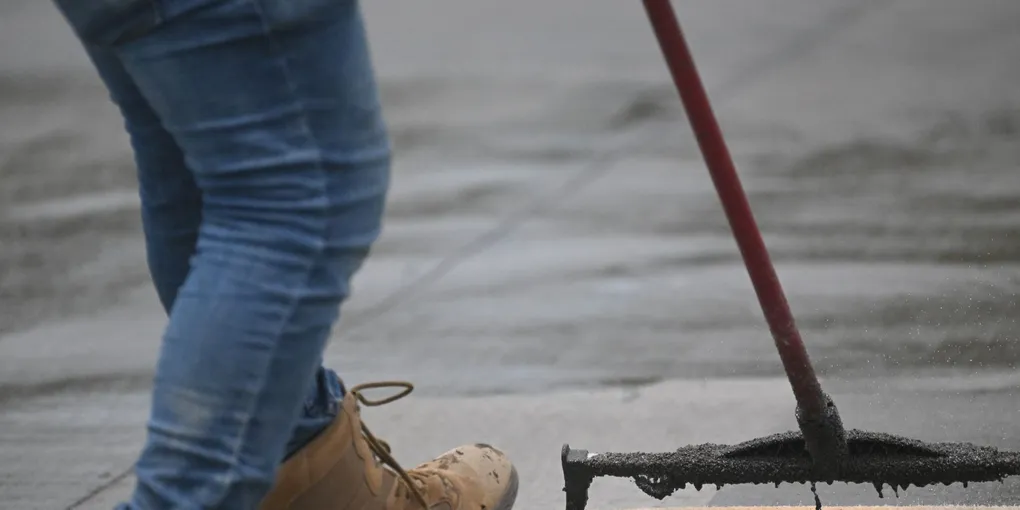
Driveway sealing costs $80–$300 for a typical 2-car asphalt driveway (600–800 sq ft) professionally applied. Concrete driveway sealing costs $100–$400 for a similar size. DIY asphalt sealer costs $20–$60 for a 5-gallon bucket covering 250–400 sq ft. Seal asphalt driveways every 2–3 years; concrete driveways every 3–5 years.
Frequently Asked Questions
How much does driveway sealing cost?
Driveway sealing costs by type: asphalt driveway sealing (contractor) $0.14–$0.25/sq ft, or $80–$200 for a 600 sq ft driveway; premium asphalt seal coat with crack filling $0.20–$0.40/sq ft; concrete driveway sealing $0.15–$0.30/sq ft; paver sealing (brick or concrete pavers) $0.25–$0.50/sq ft; exposed aggregate sealing $0.20–$0.40/sq ft. DIY materials: 5-gallon asphalt sealer $20–$50 (covers 250–400 sq ft); 5-gallon concrete sealer $30–$80 (covers 200–400 sq ft). Most contractors have minimum charges of $75–$150 regardless of driveway size.
How often should you seal an asphalt driveway?
Asphalt driveways: seal every 2–3 years for standard traffic. New asphalt should not be sealed until 6–12 months after installation — new asphalt needs to cure and off-gas before sealing. Wait until the driveway darkens slightly and the surface is firm before first seal. Signs it's time to reseal: the surface looks gray rather than black (UV oxidation of the binder); small hairline cracks are appearing; water doesn't bead on the surface. Sealing too frequently (every year) can actually cause buildup problems — alternating sealers from different manufacturers can delaminate. Two coats from the same product every 2–3 years is better than one coat every year.
What is the difference between driveway sealer and resurfacing?
Sealing: applies a protective coating to the existing surface — fills small surface pores, protects against oil and water, restores appearance. Sealing does not repair structural cracks or holes. Crack filling: fills cracks up to 1/2 inch wide with rubberized crack filler before sealing — this is often included in professional sealing quotes. Resurfacing: applies a 1.5–2 inch layer of new asphalt over the existing surface — appropriate for driveways with widespread surface deterioration but a sound base. Costs $3–$7/sq ft vs. $0.20–$0.40 for sealing. Replacement: removes the full asphalt layer (2–4 inches) and the gravel base, and installs new — the most expensive option ($4–$8/sq ft) and only necessary when the base is compromised.
Can I seal my own driveway?
DIY asphalt sealing is one of the most accessible home maintenance tasks. Tools needed: 5-gallon asphalt sealer ($20–$50 per bucket), squeegee or push broom applicator, and a crack filler for any cracks over 1/4 inch. Process: clean the driveway thoroughly (blow off debris, degrease oil spots with TSP or Simple Green), fill cracks, let dry, apply sealer with a squeegee in a back-and-forth pattern. DIY saves $50–$150 for a typical driveway. Limitations: DIY products are generally lower-quality than professional-grade coal-tar or asphalt emulsion sealers used by contractors. Professional results last 2–4 years; consumer-grade products last 1–2 years before reapplication.
Should I use a coal-tar or asphalt emulsion sealer?
Coal-tar sealer: superior durability (3–5 year lifespan), outstanding oil resistance, very dark black appearance. Environmental concern: coal-tar runoff contains polycyclic aromatic hydrocarbons (PAHs) — banned in some municipalities (Washington DC, some Minnesota cities, other locales). Check local regulations. Asphalt emulsion sealer: most common consumer product, lower PAH concern, acceptable durability (2–3 years), slightly lighter black. Petroleum-based sealer (Gilsonite): similar chemistry to asphalt emulsion, marketed as more durable. For most homeowners: use asphalt emulsion (Blacktop Sealer, Henry 887) where coal-tar is allowed; use asphalt emulsion everywhere if coal-tar is restricted. Avoid latex/acrylic 'all-purpose' sealers marketed as driveway products — they perform poorly in the asphalt application.
What causes asphalt driveways to crack?
Asphalt cracks from four mechanisms: (1) UV oxidation — sunlight breaks down the asphalt binder, making the surface brittle; sealing annually prevents this. (2) Freeze-thaw cycling — water enters micro-cracks, freezes, expands, and widens them; proper sealing prevents water entry. (3) Tree root intrusion — roots grow under the driveway and lift sections; roots must be cut and sections replaced (sealing cannot fix root damage). (4) Sub-base failure — the gravel and soil base under the asphalt settles, washes out, or becomes saturated, causing depressions and alligator cracking. Sub-base failure requires resurfacing or replacement; sealing cannot fix structural cracks from sub-base problems.
Driveway sealing costs $80–$300 for a typical 2-car asphalt driveway (600–800 sq ft) professionally applied. Concrete driveway sealing costs $100–$400 for a similar size.
Driveway sealing is one of the few home maintenance tasks where the cost of not doing it dwarfs the cost of doing it. An unsealed asphalt driveway in a freeze-thaw climate deteriorates 3–5× faster than a properly maintained one — crack prevention through regular sealing extends driveway life from 15–20 years to 25–30+ years.
Driveway Sealing Cost by Surface Type
| Surface | DIY Cost | Professional Cost |
|---|---|---|
| Asphalt (600 sq ft) | $40–$80 | $100–$250 |
| Asphalt (1,200 sq ft) | $80–$160 | $180–$400 |
| Concrete (600 sq ft) | $60–$150 | $120–$300 |
| Paver (600 sq ft) | $80–$200 | $150–$400 |
| Exposed aggregate | $80–$200 | $150–$400 |
Sealing vs. Crack Filling vs. Resurfacing
| Service | Cost | When It’s Right |
|---|---|---|
| Sealing only | $0.15–$0.25/sq ft | Surface intact, preventive maintenance |
| Crack fill + seal | $0.20–$0.40/sq ft | Hairline to 1/2-inch cracks present |
| Resurfacing | $3–$7/sq ft | Widespread deterioration, sound base |
| Replacement | $4–$12/sq ft | Base failure, alligator cracking throughout |
Regional Cost Variations
Driveway sealing prices are lower in the South and higher in northern markets where the season is shorter.
| Region | 600 sq ft Asphalt | 1,200 sq ft Asphalt |
|---|---|---|
| Northeast (NY, NJ, MA) | $150–$350 | $250–$600 |
| Southeast (FL, GA) | $80–$175 | $150–$320 |
| Midwest | $90–$200 | $160–$360 |
| Southwest | $85–$185 | $155–$340 |
| Pacific Northwest | $110–$240 | $200–$420 |
Northern premium: driveway sealing season in northern states is only May–September. Higher demand, shorter season, and professional-grade materials designed for freeze-thaw performance contribute to higher regional prices.
Asphalt Sealer Product Comparison
| Product Type | Cost (5-gal) | Lifespan | Notes |
|---|---|---|---|
| Coal-tar emulsion (contractor-grade) | $30–$50 | 3–5 yr | Best durability; environmental concerns |
| Asphalt emulsion (Blacktop Sealer, Henry 887) | $20–$40 | 2–3 yr | Standard consumer product |
| Petroleum-based (Gilsonite, BREWER) | $35–$55 | 2–4 yr | Better UV resistance than basic asphalt emulsion |
| Latex/acrylic (multi-surface) | $15–$30 | 1–2 yr | Avoid — not designed for asphalt |
| Concrete sealer (penetrating silane-siloxane) | $25–$60 | 3–5 yr | For concrete only — wrong product for asphalt |
Consumer vs. contractor product: sealers sold at big-box stores (Behr, Rust-Oleum, Latex-ite) are diluted compared to the coal-tar or high-solids asphalt emulsion products contractors apply. DIY sealing gets good results for 1–2 seasons; professional sealing with contractor-grade material holds for 3–5 years.
Concrete Driveway Sealing
Concrete requires different sealer chemistry than asphalt:
| Sealer Type | Cost/Gal | Effect | Use Case |
|---|---|---|---|
| Penetrating silane-siloxane | $20–$40 | Invisible, vapor-permeable | Best general protection, decorative concrete |
| Acrylic wet-look | $15–$30 | Glossy sheen | Enhances color, lower durability |
| Epoxy-polyurethane | $40–$80 | Hard film, high gloss | Decorative finishes, high-traffic |
| Sodium silicate (densifier) | $15–$25 | Hardens surface | Industrial; good for garage floors |
Penetrating silane-siloxane sealers are the best choice for most residential concrete driveways — they repel water without changing appearance, allow vapor transmission (important to prevent spalling in freeze-thaw), and last 3–5 years.
DIY vs. Professional Asphalt Sealing
| Factor | DIY | Professional |
|---|---|---|
| Product quality | Consumer grade | Contractor grade |
| Application method | Squeegee/broom | Squeegee or power sprayer |
| Typical lifespan | 1–2 seasons | 3–5 seasons |
| Crack filling included | Optional (DIY extra) | Usually included |
| Cost (600 sq ft) | $40–$80 | $100–$250 |
| Time commitment | 3–4 hours | 1–2 hours on-site |
When DIY is worth it: new or recently sealed driveway in good condition with no significant cracks. One bucket of consumer sealer applied well can last 2 seasons.
When to hire: driveway with multiple cracks (crack filling is important and tedious); large driveway over 1,000 sq ft (significant squeegee labor); or if you want 3–5 year durability.
Questions to Ask a Sealing Contractor
- What product do you use? — should name the brand; coal-tar or high-solids asphalt emulsion are good answers
- Is crack filling included? — any cracks over 1/4 inch should be filled before sealing
- How do you prepare the surface? — should include blowing clean and degreasing oil spots
- How many coats? — one coat is standard; two coats on older driveways is better
- How long until I can drive on it? — 24–48 hours minimum for standard sealers
Red flag: a contractor who quotes per driveway without measuring. Legitimate quotes are per square foot or include a measurement verification. Contractors who “eyeball it” often underquote large driveways and then add charges.
DIY supplies (if you tackle it yourself)
- Asphalt driveway sealer (5 gal)
- Crack filler for asphalt
- Driveway squeegee applicator
- Concrete driveway sealer
Related Reading
- How to Seal a Driveway
- Driveway Repair Cost
- Asphalt Driveway Cost
- Concrete Driveway Cost
- Annual Home Maintenance Schedule
- How to Fix a Cracked Driveway Sealer — repair a cracked or peeling sealer coat before resealing the driveway
- Clean the driveway thoroughly before any sealing — dirty surface = premature failure
The most important step in driveway sealing is surface prep. Sealer applied to dirt, oil, or debris simply bonds to the contamination instead of the asphalt — and comes off with the contamination within a season. Cleaning steps: blow off all loose debris with a leaf blower; spot-treat any oil stains with degreaser (TSP, Zout, or Simple Green Pro HD) and scrub with a stiff brush; rinse with a garden hose or pressure washer at 1,200–1,500 PSI (lower pressure on older/softer asphalt); allow to dry completely (minimum 24 hours in warm weather, 48+ hours in humid conditions). A power washer leaves cleaner results than hand-scrubbing alone — rent one for $50/day if you don't own one.
- Fill cracks over 1/8 inch before sealing
Sealer does not fill cracks — it bridges surface pores and micro-cracking only. Cracks wider than 1/8 inch require crack filler before sealing. Products: rubberized asphalt crack filler (liquid or caulk-tube, $5–$15) for cracks up to 1/2 inch wide; cold-patch asphalt filler for cracks wider than 1/2 inch or potholes. Apply crack filler per product instructions (most must dry/cure 24 hours before sealing). Do not overfill cracks — flush to the surface is correct; proud (raised above surface) filler creates tire noise and looks patched. Seal over the crack filler once fully cured.
- Apply sealer in two thin coats — never one thick coat
Thin coats penetrate and adhere properly; thick coats peel and delaminate. Coverage rate: most asphalt sealers cover 250–400 sq ft per 5-gallon bucket — follow manufacturer's coverage rates, not the 'one coat' tendency to make product go further. Application tools: squeegee applicator (most common, gives controlled film thickness); brush-roller (for detailed areas around edges); sprayer (fastest but harder to control film thickness). First coat: thin, let dry until it changes from wet black to dull gray-black (typically 4–8 hours depending on temperature and humidity). Second coat: covers any thin spots, ensures even protection. Do not drive on a freshly sealed driveway for 24–48 hours.
- Edge the lawn and block traffic while sealer cures
Professional driveway sealers tape off the edges with painter's tape and mask any adjacent surfaces (sidewalks, garage floor) before application — sealer on concrete splatters are difficult to remove. DIY tip: use a 4-inch brush to cut in the edges of the driveway first before applying the main coat with a squeegee. Keep vehicles and foot traffic off the sealed surface for a full 24 hours minimum (48 hours in humid conditions) — driving on uncured sealer leaves tire marks that won't smooth out. If you must park on the driveway before full cure, lay plywood over tire contact areas to distribute weight and prevent marks.
- Choose the right time of year — warm, dry weather is required
Ideal sealing conditions: air temperature 50°F and rising (not falling); no rain in the forecast for 24–48 hours; surface temperature 60°F or higher. Avoid sealing in direct midday sun on hot days (80°F+) — the sealer dries too fast and doesn't penetrate properly, causing a surface film. Best timing: overcast day with temperatures in the 65–80°F range. In northern climates: spring or early summer after any freeze-thaw damage can be assessed and repaired; fall application before winter gives protection against freeze-thaw cycling. Never apply sealer when overnight temps will drop below 40°F — sealer won't cure properly in cold temperatures.
Free: 10-Point Home Maintenance Checklist
Prevent costly repairs with this seasonal checklist. Save hundreds every year by catching problems early.
Your checklist is ready!
Open Checklist →Something went wrong. View the checklist here.