How to Seal an Asphalt Driveway: A Full DIY Guide
Step-by-step DIY guide to sealing an asphalt driveway — when to seal, picking the right sealer, prep work, application technique, drying time, and how to avoid the streaky finish.
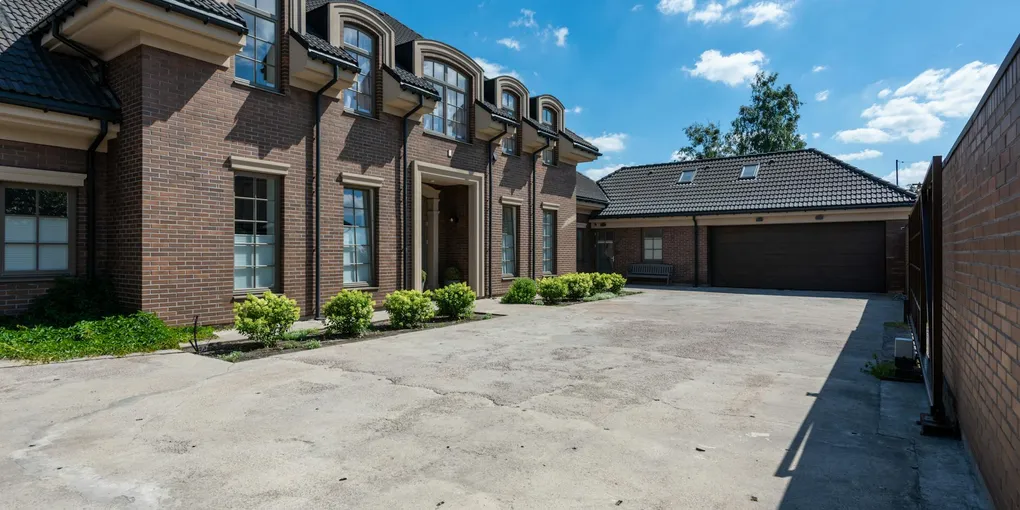
Sealing an asphalt driveway takes 4–6 hours of active work plus 24–48 hours of drying time. Materials cost $50–$200 for a standard two-car driveway. Clean the surface thoroughly, patch cracks and potholes, wait for two consecutive dry days with temps above 55°F, then apply sealer with a squeegee-and-brush combo. Most asphalt driveways need resealing every 2–3 years.
Frequently Asked Questions
How often should I seal my asphalt driveway?
A new asphalt driveway should be sealed 6–12 months after installation (never sooner — fresh asphalt needs to cure). After that, reseal every 2–3 years in most climates. In harsh northern winters, every 2 years is wise. In mild southern climates, every 3–4 years is enough. A driveway that sheds water in beads doesn't need sealing yet; one that absorbs water and looks grey is overdue.
What is the best asphalt driveway sealer?
Coal-tar sealers are the most durable (7–10 year life) but are banned in many states and release strong fumes. Asphalt-emulsion sealers are lower-toxicity, easier to apply, and common at home centers ($0.15–$0.25 per sq ft). Fast-dry acrylic sealers cost more ($0.30–$0.50 per sq ft) but dry in 2–4 hours instead of overnight. For most DIYers, a mid-tier asphalt-emulsion from a trusted brand like Latex-ite or Gardner is the right choice.
How much sealer do I need?
One 5-gallon pail of asphalt sealer covers approximately 350–500 square feet with two coats. A standard two-car driveway (500–700 sq ft) needs 2–3 pails. Buying an extra pail is cheaper than running out mid-job — most big-box stores accept returns on unopened pails.
Can I seal my driveway if it has cracks?
You must patch cracks first. Sealer is a coating, not a filler — it cannot bridge even 1/8-inch cracks. Use a rubberized crack filler for cracks under 1/2 inch wide and cold-patch asphalt repair for potholes. Let the patches cure per the manufacturer's instructions (typically 24–48 hours) before applying sealer over them.
What's the ideal weather for driveway sealing?
Two consecutive dry days with daytime temps above 55°F and nighttime lows above 50°F. No rain in the 48-hour forecast. No dew expected overnight. Ideal conditions are dry, cloudy days in the 65–75°F range — direct sun dries the top layer too fast and causes uneven curing. Early fall and late spring are usually best.
Seal an asphalt driveway by cleaning thoroughly, filling cracks with crack filler, then applying sealant with a squeegee applicator — one coat covers about 500 sq ft per 5-gallon bucket ($25–$35). Wait for 48 hours of dry weather before and after. Apply every 3–5 years; over-sealing (annually) causes product buildup and peeling. Fill cracks over 1/4 inch wide with crack filler ($6–$10/tube) before sealing for best results.
A properly sealed asphalt driveway looks new, sheds water, resists gasoline and oil, and lasts 20–30 years. A neglected driveway cracks, crumbles at the edges, and gets replaced at $8,000–$15,000 for a typical two-car driveway. Sealing is the single best bang-for-your-buck maintenance project in homeownership — under $200 and a weekend of work can extend a driveway’s life by a decade or more.
This guide covers the full process, including the prep work most homeowners skip and the technique tricks that separate a streaky amateur job from one that looks professional.
When to Seal (and When Not To)
Do seal when:
- The driveway is dry, above 55°F, and will stay that way for 48 hours
- The surface has turned from black to grey (oxidation)
- Water soaks into the surface instead of beading
- Hairline cracks are starting to appear
Don’t seal when:
- The driveway was installed less than 6 months ago (fresh asphalt needs to cure and outgas)
- Rain is forecast within 48 hours
- Overnight temperatures will drop below 50°F
- The driveway is already severely cracked or crumbling (sealer won’t fix structural problems)
Seasonal timing matters. Early fall (September–October in most climates) is ideal because summer’s intense sun has broken down the prior seal coat, temps are moderate, and you get a fully cured seal before winter. Late spring (May–June) is second best.
Picking the Right Sealer
The three main types of asphalt driveway sealer:
Coal-Tar Sealers
- Pros: most durable (7–10 year life), excellent oil and gas resistance, deepest black finish
- Cons: banned in many states (EPA concerns), strong fumes, not pet-safe during application and cure
- Typical cost: $0.15–$0.20 per sq ft
Asphalt-Emulsion Sealers
- Pros: lower toxicity, available everywhere, straightforward to apply
- Cons: slightly shorter life (3–5 years), less resistant to heavy oil stains
- Typical cost: $0.15–$0.25 per sq ft
Fast-Dry Acrylic Sealers
- Pros: dry in 2–4 hours, excellent for busy driveways, lowest odor
- Cons: more expensive, shorter lifespan than coal-tar
- Typical cost: $0.30–$0.50 per sq ft
For most DIYers, a premium asphalt-emulsion sealer from a known brand is the right choice — good durability, reasonable cost, and available at every home center.
How Much Sealer to Buy
A standard two-car driveway is about 600 sq ft. Figure two coats at roughly 350–450 sq ft per 5-gallon pail per coat, so:
- Single-car driveway (300–400 sq ft): 1–2 pails
- Two-car driveway (500–700 sq ft): 2–3 pails
- Long rural driveway (1,000+ sq ft): 4–6 pails
Always buy one extra pail — running out 80% of the way through is miserable.
The Tools You Need
- Stiff push broom
- Pressure washer (2,500–3,000 PSI) — see our best budget power washers roundup
- Sealer squeegee/brush combo tool (18–24 inches wide)
- 4-inch nylon paintbrush
- Paint-mixing paddle for a drill
- Cordless drill — our best cordless drills for homeowners guide
- Painter’s tape and plastic sheeting
- Rubberized crack filler (pourable for small cracks, trowelable for larger)
- Cold-patch asphalt for potholes
- Oil-stain remover
- Bucket of water and rags (for cleanup)
- Old clothes and shoes you’re willing to throw away (sealer doesn’t come out)
- Rubber gloves and safety glasses
- Traffic cones or caution tape
The Prep Work Nobody Wants to Do
90% of bad driveway sealing jobs come down to prep shortcuts. The sealer is the easy part. Prep is the hard part.
Step 1: Clear and Sweep
Remove everything: cars, bikes, planters, the kids’ basketball hoop. Then sweep the entire driveway with a stiff push broom, paying extra attention to the edges where dirt accumulates. Every bit of dirt or grit left on the surface will get sealed under the coating and cause texture issues.
Step 2: Power Wash Everything
A pressure washer is non-negotiable. Garden hose spray is not enough. Run a 25-degree tip at 2,500–3,000 PSI in overlapping passes, moving from one end of the driveway to the other. On oil stains, get close (6–8 inches) and work the stain until it visibly lightens.
Let the driveway dry for 24–48 hours after pressure washing. Sealer over damp asphalt fails quickly. If you’re unsure, tape a plastic garbage bag to the driveway, weigh it with a brick, and check in 2 hours — condensation means not dry yet.
Step 3: Treat Oil Stains
Even after pressure washing, old oil stains may still be visible. Apply an asphalt-safe degreaser or oil-stain remover per the label directions, scrub with a stiff nylon brush, and rinse. Repeat on stubborn stains.
Step 4: Patch Cracks and Potholes
- Cracks under 1/4 inch: ignore them — most sealers handle hairline cracks
- Cracks 1/4 to 1/2 inch: pour rubberized crack filler, flush with the surface
- Cracks 1/2 to 2 inches: trowelable rubberized filler, tooled smooth
- Potholes and missing asphalt: cold-patch asphalt, tamped firm with a hand tamper or the flat end of a sledgehammer
Let all patches cure 24–48 hours before sealing. A fresh patch bleeds oils that prevent sealer adhesion.
Application: The Technique That Matters
Driveway sealer is not paint. Don’t apply it like paint. The correct tool is a sealer squeegee — a rubber blade on one side, stiff bristles on the other — mounted on a long handle.
The Pattern
- Stir the sealer 3–5 minutes per pail with a paint-mixing paddle on a drill
- Cut in the edges with a 4-inch brush — a 4–6-inch strip along the perimeter and any taped areas
- Pour sealer in a line about 3 feet wide across the driveway, a few feet in front of your starting position
- Pull the squeegee toward you with firm, even pressure — the rubber blade spreads the sealer into an even coat
- Flip to the bristle side and brush back across the same area to break up squeegee lines
- Keep a wet edge — always work toward previously-sealed area, never start a new section once the previous section has started to dry
The Streak Prevention Trick
Streaks happen when:
- The squeegee leaves a ridge of thicker sealer at the edge of each pass
- The top layer dries before the next pass overlaps it
- Pressure on the squeegee is uneven across its width
Two techniques eliminate streaks:
- The bristle-side second pass — after pulling with the rubber blade, immediately brush the same area lightly with the bristle side in the perpendicular direction
- Working in overcast weather — direct sun dries the top layer too fast, locking streaks in place
The Second Coat
Most sealers specify two coats for full protection. Apply the second coat 4–8 hours after the first (when the first is tack-free but not fully cured), and apply it at 90 degrees to the first coat. If the first coat ran lengthwise down the driveway, pull the second coat crosswise. This eliminates any streaks or thin spots from the first coat.
Drying and Cure Time
| Time | What You Can Do |
|---|---|
| 0–4 hrs | Nothing — wet sealer |
| 4–8 hrs | Light foot traffic (dogs, kids) at your own risk |
| 24 hrs | Vehicle traffic at moderate temps |
| 48 hrs | Full vehicle use including hot-day parking |
| 30 days | Full cure — can handle heavy loads and sharp turns |
Avoid these for 30 days after sealing:
- Power-steering turns while stopped (rips the fresh surface)
- Parking a motorhome, dumpster, or trailer (imprints the sealer)
- Dragging heavy objects across the surface
Common Mistakes
- Sealing over wet asphalt — sealer fails in weeks
- Skipping the pressure wash — dirt gets sealed under the coating
- Not patching cracks first — sealer can’t fill cracks, just coats them
- Applying too thick — a thick coat cures unevenly and alligators (cracks in a pattern)
- Ignoring the weather forecast — rain within 24 hours ruins everything
- Stopping mid-driveway — always finish a coat in one session, never stop and come back tomorrow
- Forgetting to tape off the garage door threshold — sealer on concrete is extremely hard to remove
Cost Breakdown
For a typical 600 sq ft two-car asphalt driveway:
- 3 pails of mid-grade asphalt-emulsion sealer: $90–$150
- 2 tubes rubberized crack filler: $15–$25
- 1 bag cold-patch asphalt: $15–$25
- Oil-stain remover: $10–$15
- Painter’s tape and plastic: $10
- Squeegee tool rental or purchase: $25–$40
- Total: $165–$265
Compared to $350–$600 for a professional seal-coat job, DIY saves you 50–65% for one afternoon of work.
When to Call a Pro
- Driveways over 2,000 sq ft (sealer sets up too fast to cover alone)
- Structural problems: heaved sections, alligatoring, large crumbling areas (need resurfacing, not sealing)
- Very hot climates where you can’t work during the day and must use a specialty low-temp formulation
- If you’re physically unable to spend a full day squeegeeing
Related Reading
- How to Power Wash Your House — clean the driveway before sealing
- Asphalt Driveway Cost
- Concrete Driveway Cost
- Spring home maintenance checklist
- Driveway Sealing Cost — professional pricing, sealer types, and sealing vs. resurfacing vs. replacement guide
- Annual home maintenance schedule
- Best budget power washers
- How to build a fire pit
- Best cordless drills for homeowners
The Bottom Line
Asphalt driveway sealing is a genuinely high-ROI DIY project: a weekend of work, under $200 in materials, and you extend the life of a driveway that costs thousands to replace. The real skill is in the prep — pressure wash, dry fully, patch every crack, treat oil stains — and in the application technique: work in overcast weather, keep a wet edge, pull with the squeegee and brush with the bristles, and always apply two coats at 90 degrees to each other. Get those fundamentals right and the result will look professional and last 2–3 years before your next sealing.
- Check the weather forecast and driveway condition
Confirm 48 hours of dry weather with temps above 55°F day and night. Walk the driveway and note every crack, pothole, oil stain, and patch of loose gravel. Photograph the driveway — before photos help judge progress and are useful if you ever sell the home.
- Clear and sweep the driveway
Remove all vehicles, toys, planters, and anything else that might be in the way. Sweep the entire surface with a stiff push broom to remove leaves, dirt, and loose gravel. Pay special attention to the edges where debris accumulates.
- Pressure wash the entire surface
Use a pressure washer at 2,500–3,000 PSI with a 25-degree tip. Work from one end to the other in overlapping passes. Pay extra attention to oil stains — blast them until they visibly lighten. Let the driveway dry completely (24–48 hours) before moving to the next step.
- Treat oil and grease stains
Apply an oil-stain remover or asphalt-specific degreaser to remaining stains. Scrub with a stiff nylon brush, let sit for the dwell time on the product label, then rinse. Untreated oil stains prevent the sealer from bonding, causing flaking and peeling within weeks.
- Patch cracks with rubberized crack filler
For cracks under 1/2 inch, use a pourable rubberized crack filler. Fill the crack flush with the surface. For cracks 1/2 to 2 inches, use a thicker rubberized filler and tool it with a putty knife. For cracks or holes over 2 inches, use cold-patch asphalt, tamp it firm, and let it cure 24–48 hours.
- Tape off edges and protect adjacent surfaces
Use painter's tape and plastic sheeting to protect garage door thresholds, concrete walkways, brick edging, and anything else the sealer shouldn't touch. Asphalt sealer is permanent once dried — a 10-minute prep step saves an afternoon of scrubbing.
- Stir the sealer thoroughly
Sealer settles during shipping and storage. Stir each pail for 3–5 minutes with a paint-mixing paddle on a drill until the consistency is uniform. Do not thin with water unless the product label explicitly allows it. Pour a small amount into a paint tray for cutting in along edges.
- Cut in the edges with a brush
Using a 4-inch nylon brush, cut in a 4–6-inch-wide strip along the perimeter, garage door threshold, and any taped-off areas. Work 10–20 feet at a time so the cut-in strip stays wet when you come back with the squeegee.
- Apply sealer with a squeegee
Pour a line of sealer across the driveway, roughly 3 feet wide. Pull the squeegee toward you to spread the sealer in an even coat. Then flip the squeegee to the bristled side and brush back across the same area in the opposite direction to eliminate squeegee lines. Work in 3–4-foot-wide sections, always pulling toward the previously-sealed area to blend.
- Apply a second coat if the product recommends it
Most high-quality sealers require two coats for full protection. Let the first coat dry 4–8 hours until tack-free (a finger test — you shouldn't leave a print). Apply the second coat 90 degrees to the first coat's direction to ensure full coverage and eliminate streaks.
- Block off the driveway and let it cure
Place cones, sawhorses, or caution tape at the driveway entrance. Light foot traffic is OK after 4–8 hours; vehicles after 24–48 hours depending on temperature. Full cure (maximum hardness) takes 30 days, during which you should avoid power steering turns while stopped and avoid parking anything heavy like a dumpster or motorhome.
Free: 10-Point Home Maintenance Checklist
Prevent costly repairs with this seasonal checklist. Save hundreds every year by catching problems early.
Your checklist is ready!
Open Checklist →Something went wrong. View the checklist here.