How to Power Wash Your House (2026): Siding, Driveway, and Deck Without Damage
Use 1,200–1,500 PSI and the green (25°) nozzle for painted siding, 12–18 inches away. Always spray downward — never up under siding laps. Covers vinyl, wood, stucco, concrete, and decks. The 4 mistakes that strip paint and drive water behind panels.
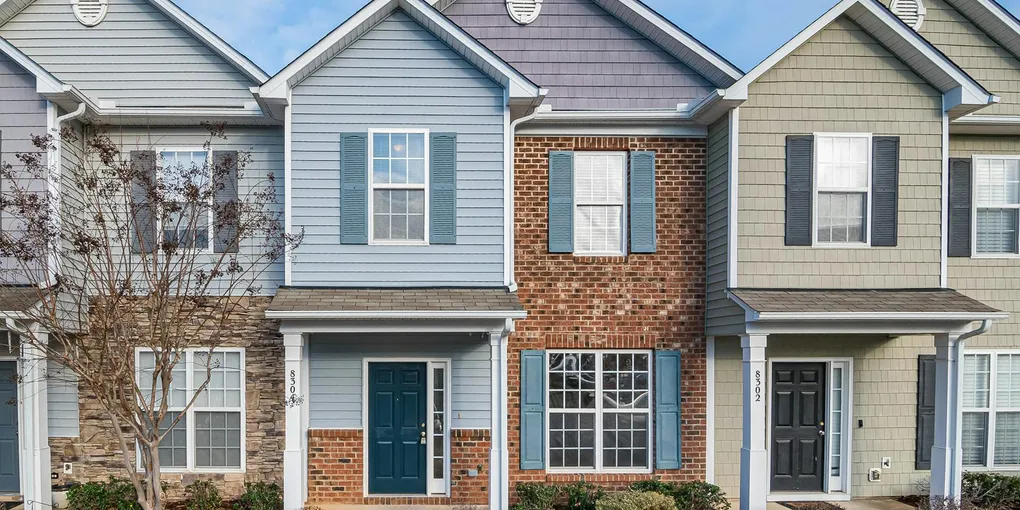
Power wash a house in spring once a year using a pressure washer set to 1,200-1,500 PSI for painted siding and up to 2,800 PSI for concrete. Use the 25-degree (green) nozzle for most surfaces, maintain 12-18 inches of distance on painted wood, and always spray downward — never up under siding laps where water drives behind panels. Work top-down, pre-wet plants around the house, and add a dedicated house-wash detergent for mildew. Expect 3-5 hours for a 2,000 sq ft home. Rental cost $40-$80/day, or buy a quality electric unit for $150-$350.
Frequently Asked Questions
What PSI should I use to power wash a house?
1,200-1,500 PSI for painted wood or vinyl siding, 1,800-2,500 PSI for brick or stucco, and up to 2,800 PSI for concrete driveways and patios. Higher PSI strips paint, gouges wood, and drives water behind siding. When in doubt, start at the lowest setting and test a small hidden area first.
What nozzle do I use for power washing my house?
Use the 25-degree (green) nozzle for most siding, the 40-degree (white) nozzle for painted wood and windows, and the 15-degree (yellow) or turbo/rotary nozzle for concrete. Never use the 0-degree red tip on a house — it is pencil-stream pressure that strips paint and gouges wood instantly.
Can I power wash my house myself?
Yes, most homeowners can power wash a single-story house in 3-5 hours with a rented or owned pressure washer. Two-story houses and very high gables are better hired out at $250-$500 because of ladder risk and reach. Never stand on a ladder while holding a pressure washer wand — the kickback is stronger than expected.
How often should I power wash my house?
Once a year in spring is enough for most homes. Homes in humid climates or under tree cover may need a second cleaning in early fall for algae and mildew. More frequent washing shortens siding and paint life — a gentle soft-wash detergent is better for routine maintenance than aggressive pressure.
How much does it cost to power wash a house?
DIY cost is $40-$80 for a pressure washer rental plus $15-$30 for house-wash detergent. Buying a quality electric pressure washer runs $150-$350 and pays for itself in 2-3 cleanings. Professional power washing services cost $250-$500 for a typical single-story home and $400-$800 for two-story.
Can power washing damage my house?
Yes — using too much PSI, the wrong nozzle, or spraying upward under siding are the top causes of damage. Symptoms include stripped paint, water behind siding leading to rot, cracked window seals, and damaged electrical fixtures. Always spray at a downward angle, maintain proper distance, and cover outlets and fixtures before starting.
What is the difference between pressure washing and soft washing?
Pressure washing uses high PSI water alone to blast away dirt. Soft washing uses low pressure (under 500 PSI) combined with a cleaning solution (diluted bleach plus surfactant) to kill mold, algae, and mildew at the source. Soft washing is preferred for painted wood siding, stucco, cedar shakes, and roofs — high pressure strips paint and gouges these materials. Pressure washing is appropriate for concrete driveways, brick, and stone patios.
Should I pressure wash my house before painting?
Yes — washing is one of the most important paint prep steps. Remove all chalk, mildew, and loose paint before priming. Let the surface dry completely — at least 48–72 hours in warm weather — before applying primer or paint. Painting over a damp surface traps moisture beneath the film and causes early peeling. For mildew-heavy areas, add a TSP substitute or oxygen bleach to the wash water and let it dwell 10 minutes before rinsing.
Never point the wand at anyone — pressure washer spray can cause serious injury and embed debris in skin. Wear safety glasses and closed-toe shoes. Do not stand on a ladder while spraying — kickback is stronger than expected. Keep hands, pets, and children 20 feet away from the spray path.
Power wash a house using a 1,500–2,000 PSI electric pressure washer with a 25° or 40° nozzle — work top to bottom, keeping the wand 12–18 inches from siding to avoid damage. Vinyl and fiber cement siding: use 1,200–1,500 PSI. Wood siding: 1,200 PSI max, always with the grain. Never use a 0° or 15° nozzle on siding (will gouge or delaminate). Rent a pressure washer for $50–$80/day or hire out for $150–$400 for a whole house.
Power washing a house is one of the most dramatic visual upgrades you can do in a single day. Years of pollen, algae, mildew, and road grime come off painted siding, brick, and concrete in minutes. Done wrong, it’s also one of the fastest ways to strip paint, crack windows, and drive water behind siding. This guide covers the safe approach, the nozzles and PSI that actually work, and the four mistakes that cause real damage.
What You Need
Pressure Washer
For a house, you need at least 1,500 PSI with roughly 1.2 GPM flow. Higher-flow gas units (2,500+ PSI at 2.3+ GPM) clean faster but require more care near painted surfaces.
- Rent: $40-$80/day at Home Depot, Lowe’s, or United Rentals. Fine for once-a-year cleaning.
- Buy budget electric: $150-$220 for a quality 2,000 PSI unit like the Greenworks GPW2000-1. Pays for itself after 2-3 cleanings.
- Buy mid-range electric: $300-$380 for a 2,300 PSI unit like the Ryobi RY142300 — see our best pressure washers roundup for full picks.
- Gas for large homes: $500+ for a Simpson MegaShot 3,400 PSI. Faster but harder on paint — keep your distance.
Nozzles
Color-coded nozzles control the spray pattern. Knowing which to use is the single biggest skill in pressure washing:
- Red (0°): Never use on a house. Pencil stream strips paint in one pass.
- Yellow (15°): Concrete driveways, unpainted fence posts, heavy stains.
- Green (25°): The default for siding, brick, and most hard surfaces.
- White (40°): Painted wood, windows, cars, delicate surfaces.
- Black (65° / soap): Low pressure for applying detergent.
- Turbo / rotary (0° spinning): Fast concrete cleaning. Never use on siding.
House-Wash Detergent
House-specific detergent makes the job faster and gives better mildew control than water alone. Look for concentrated sodium hypochlorite-based cleaners (“house wash” or “siding wash”). Mix per the label — most dilute 1:10 with water.
Brands worth buying: Krud Kutter House Wash, Mold Armor House Wash, or an O2 Clean oxygen-based product if you want to be gentler on plants.
Protective Gear
- Safety glasses — debris flies back
- Closed-toe shoes (waterproof preferred)
- Old clothes that can get wet
- Work gloves for handling hoses
Ladder Alternative
For second-story siding and high gables, use a telescoping pressure washer extension wand ($40-$80) instead of standing on a ladder. Pressure washer kickback is dangerous on ladders.
The Four Mistakes That Cause Damage
1. Spraying Upward Under Siding Laps
Vinyl and wood siding panels overlap like shingles. Spraying upward drives water behind the panels, which then soaks insulation and sheathing. Damage may not show for months. Always spray at a downward angle.
2. Too Much PSI on Painted Wood
Anything above 1,800 PSI on painted wood will eventually strip the paint. If your pressure washer can’t dial down, switch to the 40-degree (white) nozzle and increase your distance to 2+ feet.
3. Too Close to Windows and Fixtures
A 1,500 PSI stream 6 inches from a window can crack the glass seal. Maintain 2-3 feet from windows and never spray directly at electrical fixtures or light globes. Cover outlets with plastic before starting.
4. Not Wetting Plants First
House-wash detergent kills plants if concentrated. Pre-wet shrubs and flower beds with a garden hose — wet foliage absorbs less detergent. Rinse again after the job.
The Process: Step by Step
Step 1: Prep the Area
- Close all windows and doors
- Cover outdoor outlets and light fixtures with plastic and painter’s tape
- Pre-wet landscaping around the house
- Move grills, furniture, and hoses at least 10 feet from the walls
- Sweep the driveway and patio to clear loose debris
Step 2: Set Up the Pressure Washer
Connect the garden hose to the pump inlet. Attach the high-pressure hose and wand. Select the 25-degree (green) nozzle as a safe default for most siding.
Turn on the garden hose. Trigger the wand with the motor off to flush air from the line for 30 seconds. Then start the pressure washer motor — pump runs dry for only a second or two before water arrives.
Step 3: Apply House-Wash Detergent
Switch to the black (soap) nozzle. Fill the onboard detergent tank, or draw from a bucket via the dip tube. Spray the house from bottom to top in overlapping 4-foot sections, keeping the wand 3-4 feet from the wall.
Starting from the bottom is counterintuitive but important — wet siding above dry siding shows streaks. Bottom-up application covers evenly.
Let the detergent dwell 5-10 minutes. Don’t let it dry. If you’re working in direct sun on a hot day, wet the section with plain water first, then apply detergent.
Step 4: Rinse Top-Down
Switch back to the green (25°) nozzle. Starting at the top and working down in 4-foot sections:
- Hold the wand 12-18 inches from painted siding
- 8-12 inches from brick or stucco
- Spray at a slight downward angle — never upward
- Move the wand in a steady, overlapping pattern
Working in vertical 4-foot sections top-to-bottom keeps runoff flowing downward off clean siding, not across dirty siding.
Step 5: Handle Trouble Spots
Mildew or algae that won’t come off: Re-apply detergent, let it sit 15 minutes, scrub with a soft-bristle brush on a telescoping pole, rinse.
Soffit and overhang areas: Be extra careful — water intrusion here is the most common cause of attic water stains. Keep the wand angle pointing down and out, not up.
Gutters: Power washing gutters from above can work, but an extension wand with a gutter attachment is safer and more effective. See our how to clean gutters guide for a dedicated process.
Step 6: Clean the Driveway
Switch to the yellow (15°) or turbo/rotary nozzle. For large concrete areas, a surface cleaner attachment ($60-$150) cleans 3-5x faster with no streaks. Match its PSI rating to your machine.
Work in overlapping 4-foot passes. For oil stains, pre-treat with concrete degreaser and a scrub brush, then rinse.
Rinse the final panels of driveway first so clean runoff doesn’t flow across dirty concrete.
Step 7: Clean the Deck (Optional)
Decks need extra care:
- Maximum 1,500 PSI on wood
- Use the 40-degree (white) nozzle
- Hold the wand 12-18 inches from the boards
- Move with the grain, not across it
- Stop immediately if you see board fibers lifting — that means you’re stripping the finish
For stained or heavily weathered decks, power washing is the prep step before staining the deck. Let the deck dry 48-72 hours before applying new stain.
Step 8: Power Down and Store
Release residual pressure by triggering the wand with the motor off. Disconnect the garden hose and drain the pump. If storing below freezing, run a cup of RV antifreeze or pump saver through the machine.
Coil the high-pressure hose loosely — tight coils damage the internal reinforcement over time.
When to Call a Pro
Power washing is DIY-friendly for most single-story homes. Hire a pro when:
- Two stories or taller. Ladder risk is real. Pros use specialized telescoping equipment.
- Stucco or EIFS siding. These are pressure-sensitive and damage easily.
- Very large houses (over 3,500 sq ft). Rental units run out of steam. Pros bring commercial gas units.
- Visible paint peeling. You’ll strip more than you clean — address with soft-wash techniques instead.
- Historic wood siding. Soft-wash chemical cleaning is safer than pressure.
Expect to pay $250-$500 for a typical single-story home and $400-$800 for two-story power washing. Include deck and driveway for $100-$250 more each.
What It Costs
| Line Item | DIY | Pro |
|---|---|---|
| Pressure washer | $40-80/day rental or $150-$600 buy | Included |
| House-wash detergent | $15-$30 | Included |
| Labor (single-story) | Your 3-5 hours | $250-$500 |
| Labor (two-story) | DIY risky — hire | $400-$800 |
| Driveway/patio add-on | +1-2 hours | +$100-$200 |
| Deck add-on | +1-2 hours | +$100-$250 |
Soft-Wash vs Pressure Wash
For routine annual cleaning, many pros now use “soft wash” techniques — low-pressure detergent application followed by low-pressure rinse. It’s gentler on siding and more effective on mildew because the cleaner does the work, not the pressure.
DIY soft wash is basically: apply detergent with the black (soap) nozzle, let it dwell, rinse with the 40-degree (white) nozzle at a low PSI setting. Use this approach for delicate surfaces, painted wood, and annual maintenance.
Reserve full pressure washing for concrete driveways, heavy mildew jobs, and deeply embedded stains.
Signs You Need to Stop
Pressure washing should never cause visible damage. Stop immediately if you see:
- Paint flaking off — switch to a wider nozzle and increase distance, or stop and plan for a paint job
- Wood fibers lifting — you’re stripping wood; switch to soft wash
- Water getting into the house — a window seal or siding gap is failing
- Gouges or etching — you’re too close or using the wrong nozzle
Timing: When to Power Wash
Best time: Spring, after pollen season peaks (late April to early June in most climates). Air temperature 50-80°F, no rain in the next 24 hours.
Avoid:
- Direct sun on hot days (detergent dries too fast)
- Temperatures below 40°F (residual water can freeze in cracks)
- Windy days (overspray lands on neighbors, cars)
- Just before rain (rain leaves its own streaks on fresh-washed siding)
Many homeowners pair power washing with the broader spring home maintenance checklist — get it all done in one weekend.
Related Reading
- Best Pressure Washers for Homeowners — our full gas + electric pick list
- Best Budget Power Washers — picks under $200
- How to Seal a Driveway — do this after power washing concrete
- How to Stain a Deck — deck finishing after cleaning
- How to Clean Gutters — another spring exterior task
- Spring Home Maintenance Checklist — full seasonal prep guide
- Exterior House Paint Cost — when power washing reveals the need for repaint
- Pressure Washing Cost — what to budget if you hire a pro
- Prep the area
Close all windows and doors. Cover outdoor outlets and light fixtures with plastic and painter's tape. Pre-wet landscaping with a garden hose — plants take up detergent less if already saturated. Move grills, furniture, and anything that would be damaged by overspray at least 10 feet from the house.
- Set up the pressure washer
Connect the garden hose to the inlet, attach the high-pressure hose and wand, and select the correct nozzle (green 25-degree is the safe default for most siding). Start with the lowest PSI setting you can adjust to. Run water through the wand for 30 seconds before starting the motor — running the pump dry destroys the seals.
- Apply house-wash detergent
Use the black (soap) nozzle for detergent application. Mix a dedicated house-wash cleaner per the label (most dilute 1:10 with water). Spray from bottom to top in 4-foot-wide sections. Let the detergent dwell 5-10 minutes — do not let it dry on the siding. Keep the wand 3-4 feet from the wall during soap application.
- Rinse top-down
Switch to the 25-degree nozzle. Starting at the top and working down in sections, hold the wand 12-18 inches from painted surfaces and 8-12 inches from brick or stucco. Spray at a downward angle — never up under siding laps, where water drives behind panels and causes rot.
- Handle trouble spots
For stubborn mildew or algae, re-apply detergent, let it sit longer, and scrub with a soft-bristle brush on a telescoping pole before rinsing. For oil stains on concrete driveways, switch to the turbo/rotary nozzle and hold 6-8 inches from the surface. For deck boards with peeling finish, stop immediately — further pressure strips the boards, and you need to strip and refinish instead.
- Clean the driveway and patio
Switch to the yellow (15-degree) or turbo nozzle for concrete. Work in overlapping 4-foot sections, moving at a steady walking pace. A surface cleaner attachment cleans 3-5x faster and leaves no streaks. Rinse the final panels first to avoid dirty runoff flowing across clean sections.
- Power down and store
Trigger the wand with the motor off to release residual pressure, then disconnect hoses. Drain the pump — run a cup of RV antifreeze or pump saver through if storing below freezing. Coil hoses loosely. Total time for a 2,000 sq ft home: 3-5 hours including setup and cleanup.
Free: 10-Point Home Maintenance Checklist
Prevent costly repairs with this seasonal checklist. Save hundreds every year by catching problems early.
Your checklist is ready!
Open Checklist →Something went wrong. View the checklist here.