How to Fix a Cracked Concrete Block Wall
Diagnose and repair cracks in concrete block (CMU) walls using hydraulic cement, masonry caulk, or epoxy injection for a durable, waterproof fix.
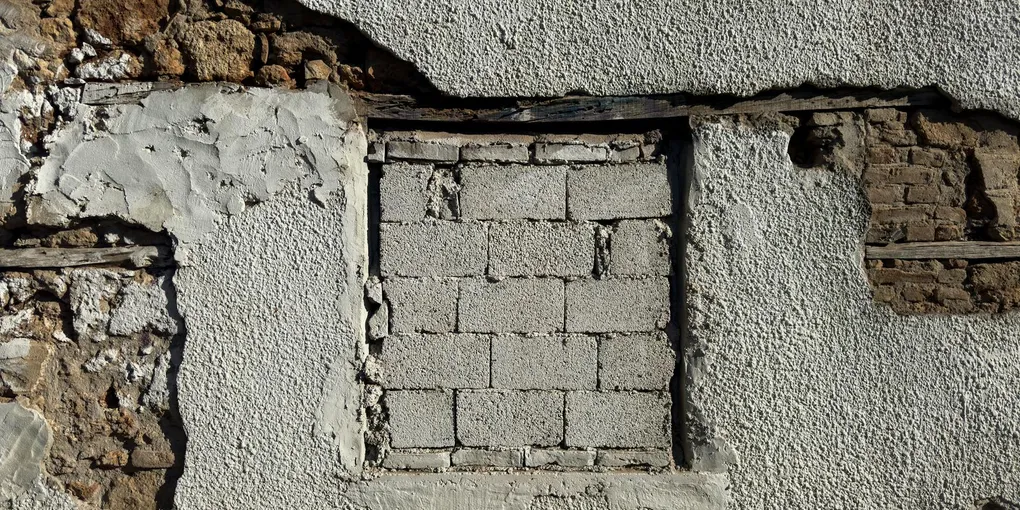
Concrete block walls in basements, foundations, and retaining walls develop cracks for many reasons: settling, soil pressure, moisture cycling, or just age. Most cracks are cosmetic or minor and can be repaired in an afternoon.
Concrete block walls in basements, foundations, and retaining walls develop cracks for many reasons: settling, soil pressure, moisture cycling, or just age. Most cracks are cosmetic or minor and can be repaired in an afternoon. Knowing which type of crack you have and choosing the right repair material makes the difference between a fix that holds for decades and one that reopens in a year.
What You Need
- Hydraulic cement — The go-to material for concrete block wall crack repair, especially where water seepage is present. Quikrete Hydraulic Water-Stop Cement is a widely available option.
- Masonry chisel and hammer — Used to widen the crack into a proper “key” shape that holds repair material mechanically, not just by adhesion.
- Wire brush — Cleans loose debris, dust, and crumbling mortar from the crack before filling.
- Stiff-bristle brush
- Safety glasses and work gloves
- Shop vacuum
- Cold water and a mixing bucket
- Masonry trowel or putty knife
- Waterproofing masonry sealer (for finishing coats)
Step 1: Assess the Crack
Before picking up a chisel, classify the crack:
Hairline mortar joint crack: Less than 1/16-inch wide, running along a mortar joint. Likely cosmetic — caused by minor settling or thermal cycling. Repair with masonry caulk.
Open crack through a block: Wider than 1/16-inch but less than 1/4-inch, passing through the block face (not just the joint). Repair with hydraulic cement or epoxy injection.
Horizontal crack: Running horizontally across multiple blocks — often a sign of soil pressure pushing on the wall. Have a structural engineer evaluate before repairing.
Stair-step crack: Zigzagging diagonally through mortar joints. May indicate differential foundation settling. Small, stable stair-step cracks can be repaired; actively growing ones need engineering review.
Active water seepage: Water actively entering through the crack. Repair immediately with hydraulic cement; then address exterior drainage.
For any crack showing wall displacement or active widening, consult a structural engineer before proceeding.
Step 2: Prepare the Crack
Proper preparation is the most important step. Repair material needs a clean, mechanically sound surface to bond to.
- Put on safety glasses and work gloves before using the chisel.
- Use a masonry chisel and hammer to widen and undercut the crack into a “dovetail” or “key” shape — wider at the back than at the surface. This mechanical shape locks the repair material in place. Aim for at least 1 inch deep and 3/4 inch wide.
- Remove all loose material, dust, old mortar, and crumbling concrete from inside the crack.
- Scrub the interior of the crack vigorously with a wire brush.
- Vacuum out all debris with a shop vacuum. Any loose material left in the crack will prevent bonding.
- Dampen the crack with clean water using a brush or spray bottle. The concrete should be damp but not have standing water puddled inside (unless you are using hydraulic cement for an active leak).
Step 3: Mix and Apply the Repair Material
For Dry or Damp Cracks — Hydraulic Cement
- Mix hydraulic cement with cold water according to the package directions. Cold water slows the set time slightly, giving you more working time. The consistency should be like stiff putty — not soupy.
- Shape the mixed cement into a cone or plug in your gloved hand.
- Press the material firmly into the crack, starting at the deepest point. Pack it tightly with your thumb or a trowel, working out any air pockets.
- Hold firm pressure for 3–5 minutes while the cement begins to set. Hydraulic cement sets fast — you typically have only 3–5 minutes of working time once mixed.
- Smooth the surface flush with the wall using a trowel. Feather the edges so the patch blends with the surrounding block face.
For Active Water Leaks — Hydraulic Cement Plug Method
- Widen the crack to at least 1 inch deep and 3/4 inch wide.
- Mix a small batch of hydraulic cement to a stiff, clay-like consistency.
- Form it into a cone. When you feel it beginning to warm (it generates heat as it sets), press it firmly into the crack and hold it in place against the water pressure for a full 5 minutes.
- The expanding cement will seal against the flow as it cures.
Step 4: Finish and Seal
Once the initial repair has cured for at least 24 hours:
- Inspect the repair. There should be no voids, and the patch should be flush with the surrounding wall.
- For basement or below-grade walls, apply a coat of waterproofing masonry sealer over the entire repaired area, extending 6 inches onto the undamaged wall in all directions. Apply with a brush, working the sealer into the surface.
- Allow the sealer to cure per manufacturer directions before exposing the surface to water.
- For above-grade or interior walls, finish with masonry paint or a color-matched mortar joint patch if aesthetics matter.
Step 5: Monitor and Address Root Causes
A crack repair is only as good as your effort to stop it from recurring. Check these potential root causes:
- Poor exterior drainage: Grade soil away from the foundation at a slope of at least 1 inch per foot for the first 6 feet. Extend downspouts 6 feet from the house.
- Hydrostatic pressure: If water is consistently pushing through the wall, a French drain or interior drainage system may be needed for a permanent solution.
- Freeze-thaw damage: If you are in a cold climate, seal exterior masonry surfaces with a penetrating masonry sealer every few years to reduce water absorption that causes freeze-thaw spalling.
Mark the ends of repaired cracks with pencil marks and the date. Recheck in 6 months and again after the first freeze-thaw cycle to confirm the repair has held and the crack has not extended.
Related Reading
- Assess the Crack
Before picking up a chisel, classify the crack:
- Prepare the Crack
Proper preparation is the most important step. Repair material needs a clean, mechanically sound surface to bond to.
- Finish and Seal
Once the initial repair has cured for at least 24 hours:
- Monitor and Address Root Causes
A crack repair is only as good as your effort to stop it from recurring. Check these potential root causes:
Free: 10-Point Home Maintenance Checklist
Prevent costly repairs with this seasonal checklist. Save hundreds every year by catching problems early.
Your checklist is ready!
Open Checklist →Something went wrong. View the checklist here.