Fence Repair Cost 2026: $150–$1,500 by Damage Type
Fence repair costs $150–$600 for minor repairs (boards, one post), $500–$1,500 for moderate damage (sections, gate overhaul). Pricing by fence material and damage extent.
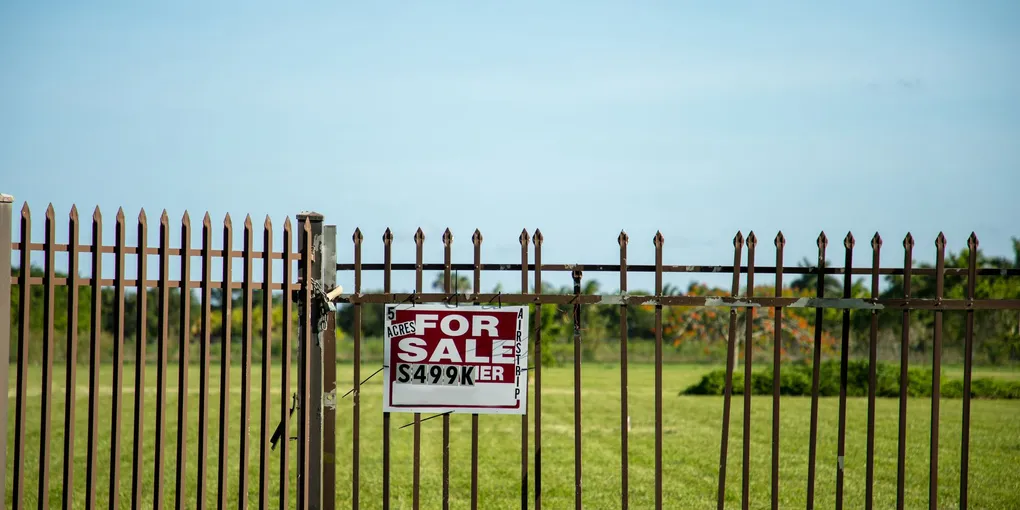
Fence repair costs $150–$600 for minor repairs (a few boards, one leaning post), $500–$1,500 for moderate damage (section replacement, multiple posts, gate overhaul), and $1,500–$4,000+ for major damage (storm damage across large sections, full post replacement). The average homeowner spends $300–$800 on a single repair visit. Wood fence repairs are most common; vinyl and aluminum are more expensive per panel but require less maintenance long-term.
Frequently Asked Questions
How much does it cost to repair a wood fence?
Wood fence repair costs $150–$500 for minor work (replacing 3–5 pickets, re-nailing a loose section, replacing one rotted post). A leaning or rotted post replacement runs $200–$400 per post including labor and materials. Replacing a full 8-foot panel section costs $150–$350 in materials plus $100–$200 labor. Storm damage affecting 20–40 feet of fence costs $800–$2,500 to repair.
How much does it cost to repair a vinyl fence?
Vinyl fence panel repair costs $200–$600 per section, plus labor. Vinyl can't be patched — damaged panels must be replaced completely, which requires matching the original manufacturer's profile (not always available for older fences). A single cracked vinyl post replacement runs $150–$400. If the manufacturer is out of business or the profile is discontinued, full section or full fence replacement may be required.
How much does it cost to fix a leaning fence post?
Fixing a leaning or rotted fence post costs $200–$400 per post, including removal, new pressure-treated post, concrete resetting, and labor. The main cost driver is whether the old post needs to be pulled and reset (full repair) vs. sistered with a post mender bracket driven alongside the existing post ($60–$120 in materials + 30 minutes labor). Post menders work on posts that are leaning but not fully rotted; rotted posts need full replacement.
How much does it cost to repair a fence gate?
Fence gate repair costs $75–$300 for hardware replacement (hinges, latch, spring) and minor adjustments. Gate rebuilds (replacing gate frame and boards while keeping hardware) cost $150–$400 in materials plus labor. Full gate replacement costs $300–$800 for a wood gate, $400–$1,200 for a vinyl gate, and $600–$2,000 for a wrought iron or aluminum gate. Gate problems are often caused by post movement — fix the post before replacing the gate hardware.
Should I repair or replace my fence?
Repair if: damage is limited to 25% or less of the fence, the posts are in good condition (post rot is the primary failure mode), the fence is under 10 years old, and repair cost is under 50% of replacement. Replace if: over 30% of the fence has issues, most posts are rotted, the fence is over 15–20 years old (wood) or 25–30 years old (vinyl/aluminum), or if multiple repair visits are adding up. Also replace if repair requires matching discontinued materials that can't be sourced.
Does homeowner's insurance cover fence repair?
Insurance covers sudden, accidental damage from covered perils (wind, fallen trees, hail, vehicle impact). Normal deterioration, rot, and termite damage are not covered. File a claim for storm damage immediately and photograph the damage before repairs. Most fence claims fall under the dwelling or other structures coverage (typically 10% of dwelling coverage limit). Deductibles often exceed fence repair costs — compare the repair estimate to your deductible before filing.
Fence repair costs $150–$600 for minor repairs (a few boards, one leaning post), $500–$1,500 for moderate damage (section replacement, multiple posts, gate overhaul), and $1,500–$4,000+ for major damage (storm damage across large sections, full post replacement). The average homeowner spends $300–$800 on a single repair visit.
A leaning post or a few rotted boards doesn’t mean a full fence replacement — most fence damage is repairable for a few hundred dollars. The key is catching post rot early before it compromises the entire fence structure.
Fence Repair Costs by Type
Wood Fence Repair
| Repair | Average Cost |
|---|---|
| Replace 1–5 pickets | $100–$250 |
| Replace 6–15 pickets | $200–$500 |
| Re-nail/re-attach loose section | $75–$200 |
| Replace one rotted post | $200–$400 |
| Replace 2–4 rotted posts | $500–$1,200 |
| Replace one 8-ft panel section | $250–$500 |
| Replace 20–40 ft of fencing | $800–$2,500 |
| Gate hardware replacement | $75–$250 |
| Gate rebuild | $300–$700 |
Vinyl Fence Repair
| Repair | Average Cost |
|---|---|
| Replace single cracked panel | $200–$600 |
| Replace vinyl post | $150–$400 |
| Reattach loose rails | $100–$250 |
| Cap replacement (post tops) | $50–$150 |
| Full section replacement (8 ft) | $400–$900 |
Chain Link Fence Repair
| Repair | Average Cost |
|---|---|
| Patch torn or bent mesh | $150–$350 |
| Replace fence post | $150–$300 |
| Tension bar replacement | $75–$200 |
| Full section replacement (10 ft) | $200–$500 |
| Chain link gate repair | $100–$300 |
Aluminum / Wrought Iron Fence Repair
| Repair | Average Cost |
|---|---|
| Re-weld broken section | $150–$400 |
| Replace damaged panel | $300–$800 |
| Fix leaning post | $200–$400 |
| Repaint (rust treatment + paint) | $200–$600 for a 50-ft run |
The Real Issue: Post Rot
The most common reason fences fail isn’t the boards — it’s the posts. Posts are set in the ground, where moisture and soil contact rot untreated wood in 5–10 years. Even pressure-treated posts eventually rot if the grade drains poorly around the base.
Signs of a failing post:
- Post rocks when pushed (above-grade break at soil level)
- Visible rot or soft wood at or below ground level
- Post leans more than 5 degrees from vertical
- Fence sags between posts or rails separate from posts
When to use a post mender vs. full replacement:
Post menders (galvanized steel brackets driven alongside the existing post) work when the post is leaning but not fully rotted — the above-grade wood is still structurally sound but the below-grade portion has failed. Products like the Oz-Post Rotted Post Repair are a $40–$80 fix vs. $200–$400 for full replacement. The trade-off: the original rotted stub remains in the ground and the repair may only last 5–8 years before the same problem recurs.
Full post replacement is right when the post is actively rotted, has broken at ground level, or the below-grade portion has completely failed. Set the replacement in concrete — packed dirt alone will have the same post leaning again within a few years.
DIY Fence Repair: What’s Realistic
Easy DIY (under 2 hours each)
- Replacing individual pickets (nail or screw removal, new board, renail)
- Re-attaching loose boards or rails
- Gate hinge tightening or hardware replacement
- Painting or staining fence sections
DIY material costs: $30–$100 for minor board replacement; $10–$40 for gate hardware
Moderate DIY (half-day projects)
- Section replacement (8–16 feet)
- Post mender installation
- Full gate rebuild
Hire a Pro For:
- Full post replacement with concrete resetting (requires post auger, heavy lifting)
- Vinyl panel replacement (manufacturer-specific parts sourcing is complex)
- Iron/aluminum welding repairs
- Storm damage affecting multiple sections
Renting a post hole auger: $60–$100/day from Home Depot or Sunbelt Rentals. Required for 6+ post replacements — hand digging in compacted soil is exhausting and slow.
Storm Damage and Insurance Claims
Wind and storm damage is the most common fence insurance claim. Before filing:
- Photograph everything before starting any cleanup or repairs
- Document the cause — fallen tree, wind, etc.
- Call your insurer first before authorizing permanent repairs (temporary protection like bracing is OK)
- Compare to your deductible — many fence repairs fall below the $1,000–$2,000 standard deductible
Most fence claims are covered under “other structures” coverage (typically 10% of dwelling coverage). On a $300,000 home, that’s $30,000 — more than enough for any fence repair.
Watch for storm-chaser contractors who canvass after high-wind events. Get a written estimate from a licensed local contractor rather than a door-to-door solicitor.
Repair vs. Replace: Decision Guide
| Factor | Favors Repair | Favors Replacement |
|---|---|---|
| Fence age | Under 10 years | Over 15–20 years |
| Post condition | Posts solid, <2 leaning | 3+ posts rotted or leaning |
| Damage extent | <25% of fence affected | >30–40% affected |
| Material availability | Standard materials match | Discontinued vinyl/style |
| Repair cost | <50% of replacement cost | >60% of replacement cost |
| HOA/style change | Keep current style | Want to upgrade style |
The 50% rule: If the estimate to repair exceeds 50% of the cost to replace the entire fence, get a full replacement quote before committing to repairs. A full replacement on a standard 150-foot wood privacy fence runs $4,500–$9,000 — so if repair estimates are approaching $2,500–$3,000, replacement is worth comparing.
Getting Accurate Repair Quotes
Fence contractors vary widely in pricing — 40–60% differences between quotes for the same job are common. Getting three quotes for any job over $500 is worth the time.
On-site estimates only: Phone or email quotes without an in-person inspection are guesses. Post condition, concrete removal difficulty, and material matching all require seeing the fence in person.
Ask these questions:
- What’s the condition of all the posts, not just the ones you can see are leaning?
- Is post concrete removal included in the price if needed?
- Are materials (boards, posts) specified as pressure-treated ground-contact rated?
- What’s the labor warranty?
Regional Fence Repair Cost Variations
| Region | Post Replacement (per post) | Section Repair (8 ft) | Storm Damage (20–40 ft) |
|---|---|---|---|
| Northeast (NY, MA, NJ) | $275–$500 | $350–$700 | $1,000–$3,500 |
| Mid-Atlantic (DC, MD, VA) | $250–$475 | $325–$650 | $900–$3,200 |
| Southeast (FL, GA, TX) | $175–$375 | $250–$550 | $700–$2,500 |
| Midwest | $200–$400 | $275–$575 | $750–$2,600 |
| Pacific (CA, WA, OR) | $275–$500 | $350–$700 | $1,000–$3,500 |
Prices for pressure-treated wood fence. Vinyl and aluminum repairs run 20–40% higher than wood in all regions.
Fence Repair Contractor Comparison
| Contractor Type | Best For | Cost Level | Notes |
|---|---|---|---|
| Local fencing specialist | Any repair — most cost-effective for full repairs | Moderate | Specialized tools (post auger), knows local material suppliers; best all-around choice |
| General handyman | Minor repairs (pickets, boards, gate hardware) | Low | OK for surface repairs; typically won’t own post-pulling equipment |
| Home Depot / Lowe’s installation service | Large repairs or replacement sections | Moderate–High | Convenient but higher markup; uses third-party contractors |
| National fence company (AmericanFence, Fence Workshop) | Large jobs, commercial properties | Moderate | More standardized pricing; better for new installations than repairs |
| Storm-chaser contractor | Avoid — post-storm door-to-door solicitation | Variable | Often unlicensed, no local accountability; wait and get local bids |
| DIY | Picket replacement, painting, gate hardware | Materials only ($50–$200) | Realistic for surface repairs; post replacement requires post auger rental and concrete work |
Get 3 on-site quotes from local fencing specialists for any job over $400. Fencing is highly price-variable by local market — online estimates are unreliable without a post-condition inspection.
Questions to Ask Your Fence Repair Contractor
-
Will you inspect every post in the repair area — not just the visibly damaged ones — and report the condition of each? — Post rot is the silent fence killer: surface damage (loose boards, broken pickets) is easy to see, but rotted posts below grade aren’t visible without probing. A contractor who quotes a repair without checking every post in the run may fix the visible damage and leave you with a fence that fails again within a year because adjacent posts were already compromised. Ask specifically: “Will you probe every post in this section?” A contractor who says yes and does it is giving you an honest repair.
-
Is the replacement lumber rated for ground contact (UC4B pressure-treated), and what brand of concrete will you use for post resetting? — Ground-contact fence posts must be UC4B pressure-treated lumber (look for the green tint and the treatment stamp on the end). Standard dimensional lumber rots in 3–7 years in most climates. For concrete: fast-setting concrete (Quikrete Fast-Setting, Sakrete) poured dry into the hole with water added is the standard method; packed dirt or gravel fill is not acceptable for any post that needs to hold structure.
-
Is post concrete removal included in the price? — Replacing a fence post set in concrete is significantly more labor-intensive than setting a post in open soil. Many contractors quote “post replacement” without including concrete removal — then add $50–$150 per post on the day of the job. Ask upfront: “If there’s concrete around the existing posts, is removal included in this price?” Get the answer in writing before the job begins.
-
For vinyl fence repairs: what manufacturer makes my fence panels, and can you confirm matching replacement panels are available before I commit? — Vinyl fence panels are manufacturer-specific — panels from different brands don’t fit together even when they look similar, because the channel locking systems vary. If the original manufacturer is out of business or has discontinued the profile, repair may be impossible without replacing the entire section. Ask the contractor: “What brand is my fence?” and “Can you confirm panel availability before I pay a deposit?”
-
What is the labor warranty, and does it specifically cover post resetting? — A quality fence repair warranty covers the specific items repaired for at least 1 year. Ask: “If a post I paid you to reset starts leaning in 6 months, is that covered?” and “Does the warranty cover the concrete resetting, or just the wood above grade?” Post-repair warranty claims are common when contractors skip the concrete step or under-depth the hole. Any contractor who offers no labor warranty is telling you something about their confidence in the work.
Related Reading
- Fence Installation Cost
- How to Fix a Rotting Fence Post
- Wood Fence Staining Cost
- Deck Repair Cost
- Landscaping Cost
- How Much Does a Handyman Cost?
- How to Stain a Deck — the same stain and prep technique used on wood decks applies to wood fences
- How to Fix a Broken Fence Picket — DIY picket replacement costs under $20 and takes under an hour per board
- How to Fix a Broken Fence Rail — replace a cracked or rotted fence rail before the pickets it supports fail
- How to Fix a Broken Fence Gate Latch — repair or replace a gate latch that no longer catches or holds
- How to Fix a Broken Mailbox Post — reset a leaning or rotted mailbox post while you have fence repair materials out
- How to Fix a Broken Fence Post Cap — reattach or replace a missing or cracked post cap to keep water out of the post end grain
- How to Fix a Cracked Vinyl Fence — repair or replace a cracked vinyl fence panel using the same repair approach as fence section replacement
- How to Fix a Cracked Vinyl Fence Post — repair or replace a cracked vinyl post before it fails and requires a full post replacement
- How to Fix a Cracked Wood Fence Post — repair or sister a split wood post to extend its life before a full post replacement is needed
- Diagnose post condition before any other repair
Posts are the skeleton of any fence — surface damage (loose boards, broken pickets) is cheap to fix, but rotted posts make any repair temporary. Test each post by pushing firmly at waist height. A post that rocks or makes a cracking sound at ground level is rotted below grade. Probe the base with a screwdriver — if it sinks easily, the post is gone. A fence with 3+ rotted posts in a 30-foot run is a replacement candidate, not a repair candidate.
- Match materials before ordering parts
Board dimensions matter: a standard privacy fence uses 1×6 dog-eared pickets, but some fences use 1×4 or scalloped profiles. Vinyl fence panels are manufacturer-specific — the same height and color from a different brand won't match the interlocking channel system. Measure the existing boards/rails and bring a sample to the lumber yard. For vinyl, check the back of the panel for a manufacturer stamp and call them directly to confirm availability before getting repair quotes.
- Use pressure-treated lumber for any post replacement
Ground-contact posts must be pressure-treated lumber rated UC4B or better (look for the green-tinted wood and the stamp on the end). Standard dimensional lumber rots at ground level in 3–7 years in most climates. Composite or steel post menders are an alternative to full post replacement for posts that are leaning but not fully rotted — they cost $30–$80 and can be driven alongside the existing post without digging. Products like the Oz-Post or Metabo-Redi post repair bracket extend post life 5–10 years.
- Reset posts in concrete, not just packed dirt
Posts replaced without concrete will lean again within 1–3 years. The standard method: dig or auger the hole 1/3 of post length deep (a 6-foot fence needs a 2-foot hole), set the post, add concrete mix (dry-set or Sakrete fast-setting), add water, brace temporarily, and allow 24 hours to cure. Foam post bases (like Sika Post Fix) are a newer option that set in 3–5 minutes and are moisture-resistant. Do not use gravel-only fill for fence posts in any climate with freeze-thaw cycles.
- Get repair bids in person, not over the phone
Fence repair pricing varies enormously based on what's actually wrong. Phone quotes are unreliable — contractors can't see how rotted the posts are or how much concrete needs to come out. Request an on-site estimate. Ask specifically: 'What's the condition of the posts along this run?' A contractor who doesn't check every post before quoting is guessing on the hardest part of the job.
Free: 10-Point Home Maintenance Checklist
Prevent costly repairs with this seasonal checklist. Save hundreds every year by catching problems early.
Your checklist is ready!
Open Checklist →Something went wrong. View the checklist here.