Deck Repair Cost 2026: $150–$2,000 by Damage Type
Deck repair costs $150–$500 for minor repairs (boards, loose posts), $500–$2,000 for moderate damage. Full deck rebuild $5,000–$15,000. Pricing by damage type and material.
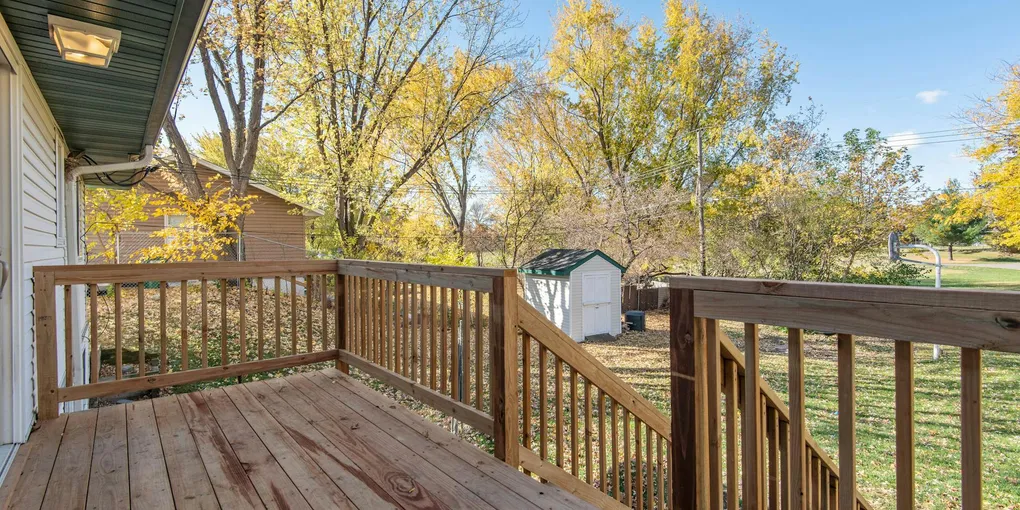
Deck repair costs $150–$500 for minor repairs (a few rotted boards, loose railing posts), $500–$2,000 for moderate damage (section of decking, several joists, stair repair), and $2,000–$6,000+ for major structural work (ledger board replacement, post replacement, multiple joist repairs). The median homeowner pays $400–$1,500 for a single repair visit. Decks with multiple structural issues often warrant full replacement ($8,000–$25,000) rather than piecemeal repair.
Frequently Asked Questions
How much does it cost to repair a deck?
Deck repair costs $150–$500 for surface repairs (replacing 3–10 boards, re-nailing popped boards, tightening loose railing posts). Structural repairs run $500–$3,000 — a single joist replacement costs $150–$400, a post replacement $200–$500, and a ledger board replacement $800–$2,000. Storm damage to a 10x12-foot deck section typically costs $1,000–$3,000 to repair. If more than 30–40% of the structure needs work, get a full replacement quote.
How much does it cost to replace deck boards?
Replacing deck boards costs $3–$8 per linear foot for pressure-treated lumber plus $2–$5 per linear foot in labor. Replacing all deck boards on a 300 sq ft deck runs $1,500–$4,000 for a full re-decking, often less expensive than a tear-down when the frame is sound. Individual board replacement (5–10 boards) costs $200–$600 depending on board count and accessibility.
How much does it cost to replace deck railings?
Deck railing replacement costs $25–$100 per linear foot installed, depending on material. Pressure-treated wood railings run $25–$45/linear ft; composite railings (Trex, TimberTech) cost $40–$80/linear ft; aluminum balusters + composite top rail systems run $50–$90/linear ft; cable railing runs $75–$150/linear ft. A 40-foot railing run on a typical deck costs $1,000–$4,000 installed.
How do I know if my deck is structurally unsafe?
Unsafe deck warning signs: (1) Ledger board pulling away from the house wall — this is the most dangerous failure point and causes most deck collapses. (2) Posts that rock or have visible rot at ground level. (3) Joists that are visibly cracked, sagging, or springy underfoot. (4) Decking boards that crack underfoot rather than flex. (5) Stair stringers that are cracked or rot-soft. If you notice any of these, stop using the deck until a contractor evaluates the structure.
Should I repair or replace a deck?
Repair if: the frame (joists, posts, ledger) is sound and damage is limited to surface boards and railings, the deck is under 10 years old, and repair cost is under 40% of replacement. Replace if: the structure is over 20 years old with widespread rot, the ledger board is failing, multiple posts and joists need work, the deck doesn't meet current code (guard heights, baluster spacing), or repair estimates exceed $3,000–$4,000 on a 200 sq ft deck. A structural inspection by a contractor or home inspector ($100–$300) clarifies which path makes sense.
How much does it cost to replace a deck post?
Replacing a single deck post costs $200–$500 installed, including the new post, post base hardware, temporary bracing, and labor. Posts set in concrete (older decks) require concrete breaking to remove — add $100–$200 for concrete work. Posts set with metal post bases (current code practice) are easier to replace. Multiple post replacements run $500–$1,500 for 3–5 posts.
Deck repair costs $500–$3,500 for most projects in 2026 — replacing rotted boards $15–$40/linear ft, replacing posts or structural members $200–$600 each, full deck resurfacing $1,500–$4,000. Surface board replacement is DIY-friendly; post and beam repairs require assessing structural load. Pressure-treated lumber is standard ($1–$3/linear ft); composite decking ($4–$12/linear ft) lasts 25–30 years without staining.
A well-maintained deck adds $10,000–$20,000 to home value. A structurally compromised deck is a liability. Knowing which repairs are surface-level cosmetics vs. structural emergencies helps you prioritize spending and stay safe.
Deck Repair Costs by Component
| Repair | Cost Range |
|---|---|
| Replace 5–10 deck boards | $200–$600 |
| Re-deck entire surface (boards only, keep frame) | $1,500–$5,000 |
| Replace single deck joist | $150–$400 |
| Replace 3–5 joists | $500–$1,200 |
| Replace deck post (above-grade) | $200–$400 |
| Replace deck post (in concrete) | $300–$600 |
| Replace ledger board | $800–$2,500 |
| Repair stair stringers (1 set) | $300–$700 |
| Replace 40 LF wood railing | $1,000–$1,800 |
| Replace 40 LF composite railing | $1,600–$3,200 |
| Tighten/reinforce loose railing | $100–$300 |
| Re-nail popped deck boards | $100–$250 |
| Seal/stain after repairs | $300–$900 |
The Most Common Deck Failures (by Age)
0–5 Years: Fastener and Coating Issues
- Popped nails (switch to screws: $100–$250)
- Surface cracking from drying (cosmetic, seal it: $200–$400)
- Railing loose from post bases (re-torque: $75–$200)
5–15 Years: Decking Surface Deterioration
- Individual board rot at low spots / water collection points ($150–$400 per section)
- End-grain checking and splitting (cosmetic + maintenance issue)
- Stair tread rot (stringers usually OK: $200–$600 for treads)
15–25 Years: Structural Concerns
- Post rot at ground contact or post base
- Joist rot at cantilever ends and under deck boards in wet zones
- Ledger flashing failure — water entering house framing
- Railing system at end-of-life (fails load testing)
25+ Years: Deck Replacement Territory
- Multiple structural members compromised
- Framing doesn’t meet current code (spans, connections, guard heights)
- Cost to restore exceeds 50% of replacement cost
Wood Deck vs. Composite: Repair Cost Difference
| Aspect | Wood (PT) | Composite (Trex/Fiberon) |
|---|---|---|
| Board replacement cost | $3–$6/LF | $8–$20/LF |
| Color matching | Difficult after weathering | Very difficult if color discontinued |
| Structural repairs | Same (frame is always PT) | Same (frame is always PT) |
| Staining required | Yes, every 2–3 years | No (UV-stable surface) |
| Long-term maintenance | Higher | Lower |
Note: Composite deck boards sit on a structural frame that’s always pressure-treated lumber. Structural repairs (posts, joists, ledger) cost the same regardless of whether you have composite or wood decking.
Deck Inspection: DIY Before You Call
A 30-minute inspection before calling contractors gives you a baseline and prevents scope creep on repairs you didn’t know about:
Tools needed: Flathead screwdriver, flashlight, level
- Walk the deck — feel for flex, soft spots, or boards that crack underfoot
- Probe all posts at ground level and post base — screwdriver should meet hard resistance
- Probe the ledger from below if accessible — look for soft spots and check that ledger bolts are tight
- Check rim joists at the perimeter — these are often the first to rot (water running off the deck hits the rim)
- Shake every railing post — code requires guard rails resist 200 lb lateral force; if a post moves noticeably, it’s a safety issue
- Inspect under stairs — stair stringers are exposed on three sides and rot faster than main deck framing
Document with photos. Your written scope description gets more accurate quotes and prevents contractors from adding “discovered damage” charges for problems you already knew about.
Ledger Board: The Critical Repair
The ledger board is the single most important structural element on an attached deck. It’s a 2×10 or 2×12 board bolted through the house sheathing to the band joist or rim joist of the floor structure — every deck joist hangs from it.
Why ledgers fail:
- Missing or improperly installed flashing allows water to infiltrate behind the board
- Water trapped between the ledger and house sheathing rots both the ledger and the house framing it’s attached to
- This is the cause of virtually all catastrophic deck collapses
Ledger inspection: From ground level, look for: staining or rot visible along the bottom edge, gaps between ledger and siding, siding in contact with or below the deck surface (should be 1+ inches clear), and any visible rust from the lag bolts.
Ledger replacement cost: $800–$2,000 depending on length, accessibility, and whether house framing also needs repair. This is a structural repair that requires a permit in most jurisdictions. Do not defer it — a failed ledger causes a full deck collapse, typically when the deck is loaded with people.
Repair vs. Replace: The Decision Matrix
| Condition | Recommendation |
|---|---|
| Frame sound, surface boards worn | Re-deck ($1,500–$5,000) |
| 1–3 joists soft, rest sound | Repair ($500–$1,200) |
| Ledger compromised, joists good | Repair ($1,000–$2,500) |
| 4+ joists failing, multiple posts soft | Full replacement |
| Over 25 years old, multiple issues | Full replacement ($8,000–$25,000) |
| Deck doesn’t meet current code | Upgrade or replace |
The 40% rule: If repairs cost more than 40% of what full deck replacement would cost, replacement is usually the better investment — you get a new product warranty, current code compliance, and a structure with a full 25+ year life expectancy.
Deck Staining After Repairs
New PT lumber must dry 6–12 months before staining (fresh PT has high moisture content that resists penetrating stains). However, if you’re staining existing boards and only replaced a section:
- New boards: seal with a water repellent and wait a year before staining
- Existing boards: clean, sand lightly, apply fresh stain now
For a complete post-repair maintenance job, see our deck staining guide and deck waterproofing cost guide.
Regional Deck Repair Cost Variations
Carpentry and decking labor rates vary by market:
| Region | Board Replacement (10 boards) | Ledger/Joist Repair | Full Deck Reseal + Boards | Structural Repair (post/beam) |
|---|---|---|---|---|
| Northeast (NY, MA, NJ) | $500–$1,400 | $600–$1,800 | $800–$2,200 | $1,200–$3,500 |
| Mid-Atlantic (DC, MD, VA) | $450–$1,200 | $550–$1,600 | $750–$2,000 | $1,100–$3,200 |
| Southeast (FL, GA, TX) | $350–$950 | $400–$1,300 | $575–$1,600 | $850–$2,600 |
| Midwest | $375–$1,000 | $425–$1,350 | $600–$1,700 | $900–$2,700 |
| Pacific (CA, WA, OR) | $450–$1,250 | $550–$1,650 | $750–$2,100 | $1,100–$3,300 |
Prices for professional labor and standard materials (pressure-treated or composite for boards). Cedar, redwood, or exotic hardwood boards add 30–80% to material cost.
Deck Material and Contractor Comparison
| Material / Type | Cost per Linear Foot | Lifespan | Best For | Notes |
|---|---|---|---|---|
| Pressure-treated pine (replacement boards) | $1.50–$4/LF | 15–20 years with maintenance | Budget repairs; structural components | Most affordable; requires staining; available everywhere |
| Cedar (replacement boards) | $3–$7/LF | 20–30 years with maintenance | Appearance upgrade; low chemical treatment | Naturally rot-resistant; holds stain well; good mid-range choice |
| Composite (Trex/TimberTech) | $5–$14/LF | 25–30 years | Low-maintenance replacement; matches existing composite | No staining required; higher upfront cost pays back over time |
| Ipe/hardwood (exotic) | $10–$20/LF | 40–75 years | Premium appearance; high-traffic | Extremely durable; requires specialized fasteners and sealing |
| Local deck contractor | $35–$75/hr | — | Board replacement; general repairs | Verify they carry liability insurance and understand ledger code compliance |
| Deck specialist / builder | $40–$85/hr | — | Structural repairs; larger scopes | Better structural expertise; worth it for post/beam work |
Pressure-treated lumber remains the most cost-effective material for structural repair work. For visible deck boards where appearance matters, composite offers the best long-term value when factoring in zero maintenance and 25+ year lifespan.
Questions to Ask Your Deck Contractor
- Will you inspect the ledger board, joists, and posts for rot and structural integrity before starting board replacement? — surface board replacement without addressing underlying rot is money wasted; ask the contractor to probe joists, inspect the ledger flashing, and examine post bases before pricing the job — a $500 board replacement job can become a $3,000 structural repair if rot has spread beyond the visible surface
- Are the deck boards you’re quoting the same material as the existing deck, and what is the specific species or product? — pressure-treated boards vary in wood species and treatment level; composite boards have dozens of brands and price tiers; ask for the specific product specification so the repair blends with existing boards and matches the expected lifespan
- Does this repair require a permit, and will you pull it? — structural repairs to decks (post replacement, new ledger, beam work) typically require a permit; many jurisdictions require decks attached to the house to meet current code for ledger attachment and rail height even on repair work; a contractor who avoids permits on structural work is creating liability if the deck ever fails
- Is the flashing at the ledger board intact and properly installed? — the most common source of serious deck and house rot is improper or failed flashing where the ledger attaches to the house; if the deck is being repaired for rot and the ledger is not explicitly checked and reflashed if needed, the rot problem will return within a few years
- What does the price include — labor only, or materials and labor — and will you seal or stain the repaired area to match? — confirm whether materials (boards, fasteners, hardware) are included in the quote or billed separately; ask whether the repaired section will be stained or sealed to blend with the existing deck, or whether that’s a separate scope — a mismatched repair is unsightly and suggests different weathering rates
DIY supplies (if you tackle it yourself)
- Deck screws (composite/wood)
- Pressure-treated deck boards
- Wood hardener for rot repair
- Joist tape (waterproof)
Related Reading
- Deck Building Cost Per Square Foot
- How to Fix a Broken Deck Board — step-by-step for removing and replacing individual damaged boards
- How to Stain a Deck
- Deck Staining Cost — professional staining cost if you’d rather hire out; $2–$5/sq ft
- How to Waterproof a Deck
- Fence Repair Cost
- Pressure Washing Cost
- How to Build a Deck
- Tree Removal Cost — remove trees damaging the deck or dropping debris before repairing boards
- How to Fix a Cracked Composite Deck Board — repair a split or cracked composite board before deciding whether replacement is needed
- How to Fix a Cracked Pool Deck — repair cracks in a concrete or cool-deck pool surround before water infiltration widens them
- How to Fix a Cracked Exterior Stucco — patch stucco cracks on exterior walls during the same outdoor repair visit as deck work
- How to Fix a Broken Fence Post Cap — reattach or replace a cracked fence post cap while you have outdoor lumber repair materials out for deck work
- How to Fix a Cracked Porch Column — repair a split or rotted porch column using the same wood patching and structural techniques as deck post repair
- How to Fix a Cracked Porch Railing Cap — repair or replace a cracked porch railing cap using the same wood patch or composite filler as deck board repair
- How to Fix a Cracked Stair Tread Nose — repair a chipped or split stair tread nosing on deck or exterior stairs before it becomes a trip hazard
- How to Fix a Cracked Swimming Pool Step — repair a cracked pool step using the same concrete patching compound used for deck ledger and post footing repair
- How to Fix a Cracked Vinyl Fence Post — repair or replace a cracked vinyl fence post adjacent to the deck using the same post replacement approach as deck post repair
- How to Fix a Cracked Wood Deck Board — repair a split or checked wood deck board before it splinters and requires full board replacement
- How to Fix a Cracked Wood Fence Post — repair or sister a cracked fence post using the same pressure-treated lumber and concrete as deck post repair
- Probe all structural members before calling a contractor
Walk the deck and probe all exposed wood with a screwdriver or awl: posts at ground level and at the post base, the ledger board behind the house siding, the rim joist at the deck perimeter, and the stair stringers. The screwdriver should hit solid wood with resistance. Easy penetration, spongy feel, or crumbling wood means rot — map each location so you can describe it accurately to contractors and verify their scope covers the full damage.
- Pull back siding at the ledger board if you can
The ledger board — the horizontal board bolted to the house that supports one end of all joists — is the most critical structural element and the most prone to hidden failure. Moisture trapped behind siding at the ledger causes rot that isn't visible until you probe. If possible, lift the first course of siding above the deck surface and inspect the ledger flashing. Missing flashing is a water problem waiting to happen. Ledger replacement is $800–$2,000 but avoids a deck collapse.
- Use pressure-treated lumber rated for ground contact on any post replacement
Posts that contact the ground or concrete must use pressure-treated lumber rated UC4B or UC4C for ground contact. Standard framing lumber or even standard PT (rated UC3B for above-ground use) rots quickly at grade. Check the end-grain stamp on any replacement post your contractor uses — it should read .40 or .60 UC4B/UC4C. Posts with AC2 Green or UC2 stamps are not ground-contact rated and are a shortcut that causes early failure.
- Check that new decking will match existing if you're doing partial replacement
New pressure-treated boards are visibly lighter and will weather to a different tone than 5-year-old boards. If you're replacing 20% of the deck surface, the patch will be visible for 1–3 years. Options: replace all deck boards (re-decking) for a uniform look, accept visible mismatching, or use a deck stain/sealer after the new wood acclimates (6–12 months) to color-match. Composite deck boards (Trex, Fiberon) can be more difficult to match — discontinued colors and texture changes between generations cause obvious patches.
- Get a permit for structural repairs, not just surface work
Surface board replacement rarely needs a permit. Post replacement, ledger work, and joist work often do — check with your local building department. Permitted structural repairs get an inspection that verifies load path and ledger connection details. Unpermitted structural work creates disclosure issues at resale and may not be covered by homeowner's insurance if a collapse occurs. Most contractors handle permit applications; confirm it's included in the quote.
Free: 10-Point Home Maintenance Checklist
Prevent costly repairs with this seasonal checklist. Save hundreds every year by catching problems early.
Your checklist is ready!
Open Checklist →Something went wrong. View the checklist here.