How to Fix a Cracked Porch Railing Cap
Repair or replace a cracked, split, or rotted porch railing top cap to restore curb appeal and keep your railing structurally sound.
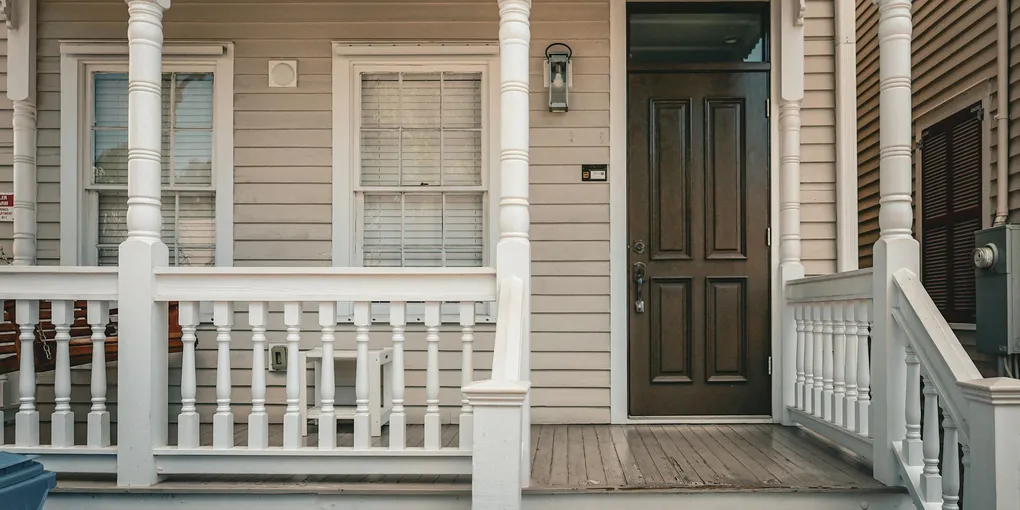
The top cap of a porch railing takes a beating from weather year-round, and cracks are almost inevitable over time. Beyond looking shabby, a cracked cap lets water into the railing post below, accelerating rot and undermining the structural integrity of the entire railing.
The top cap of a porch railing takes a beating from weather year-round, and cracks are almost inevitable over time. Beyond looking shabby, a cracked cap lets water into the railing post below, accelerating rot and undermining the structural integrity of the entire railing. Whether you need a quick patch or a full replacement, this guide walks you through the complete repair.
Assess the Damage First
Before buying materials, run your hand along the full length of the railing cap. Press firmly at the crack location — if the wood flexes or feels spongy, the damage has penetrated deeper than the surface. Probe suspicious spots with a screwdriver tip: sound wood resists penetration, while rotted wood yields easily. A cap that passes both tests is a good patch candidate. One that fails either test should be replaced.
Tools and Materials
- Pry bar or flat bar
- Hammer
- Drill and bits
- Tape measure and pencil
- Miter saw or circular saw
- Exterior wood filler or polyurethane caulk (for patches)
- Replacement cap stock or PVC cap profile (for replacement)
- Exterior primer and paint, or exterior stain/sealer
- Stainless steel or coated screws
For patching a wood cap, Minwax High Performance Wood Filler sands cleanly and takes paint well. For new cap material, AZEK PVC trim boards are a popular low-maintenance alternative to wood.
Option A: Patching a Cracked Cap
Step 1: Clean the crack. Use a stiff brush or compressed air to remove dirt, loose wood fibers, and any old paint from the crack. If mildew is present, wipe with a diluted bleach solution and let it dry completely.
Step 2: Apply filler. Work exterior wood filler or a bead of polyurethane caulk firmly into the crack with a putty knife, slightly overfilling. For cracks wider than 1/4 inch, press a strip of fiberglass mesh tape into the wet filler first to bridge the gap and prevent re-cracking.
Step 3: Sand and prime. Once fully cured, sand flush with 80-grit, then 120-grit sandpaper. Apply a coat of exterior primer. Let it dry, spot-check for any low areas, and apply a second thin skim of filler if needed.
Step 4: Paint or stain. Apply two coats of exterior paint or a penetrating stain-sealer, feathering into the surrounding surface so the repair blends in. Pay extra attention to end grain if the cap butts up against a post.
Option B: Full Cap Replacement
Step 1: Remove the old cap. Slide a flat bar under one end and work slowly along the cap’s length, lifting gently to avoid cracking the balusters or top rail below. On face-nailed caps, extract nails with a nail puller as you go. On screwed caps, back out every screw before prying.
Step 2: Measure and cut the new cap. Measure the run from post face to post face. If the cap wraps a corner, plan your miter cuts now — a 45-degree miter at each corner joint. Cut the new cap slightly long and test-fit before final cuts. Remember: measure twice, cut once.
Step 3: Treat or prime cut ends. If using wood, apply a generous coat of exterior primer or end-grain sealer to every cut before installation. This single step dramatically extends the life of any wood cap outdoors.
Step 4: Fasten the new cap. Set the cap in place and fasten with stainless steel exterior screws driven at a slight angle through the top and into the rail below, one every 16 inches. Countersink the heads and fill with exterior wood filler or color-matched composite filler.
Step 5: Caulk the joints. Apply a bead of paintable exterior caulk at every butt joint, miter, and where the cap meets a post. Smooth with a wet finger. This is your water seal — do not skip it.
Step 6: Finish. Prime and paint or stain to match the rest of the railing. Two coats minimum for outdoor durability.
Long-Term Maintenance
Inspect your railing cap every spring. Look for new cracks, paint failures, and soft spots at post connections. Touch up any bare wood with primer and paint before the wet season arrives. A coat of penetrating sealer every two to three years does wonders for wood caps. Keeping the cap sealed means water sheds off the surface rather than soaking in, and you can expect decades of service from even a modest softwood cap.
- Assess the Damage First
Before buying materials, run your hand along the full length of the railing cap. Press firmly at the crack location — if the wood flexes or feels spongy, the damage has penetrated deeper than the surface.
- Long-Term Maintenance
Inspect your railing cap every spring. Look for new cracks, paint failures, and soft spots at post connections. Touch up any bare wood with primer and paint before the wet season arrives.
Free: 10-Point Home Maintenance Checklist
Prevent costly repairs with this seasonal checklist. Save hundreds every year by catching problems early.
Your checklist is ready!
Open Checklist →Something went wrong. View the checklist here.