How to Fix a Cracked Swimming Pool Step
Learn how to repair cracks in concrete or fiberglass swimming pool steps using the right materials and techniques to restore a safe, watertight surface.
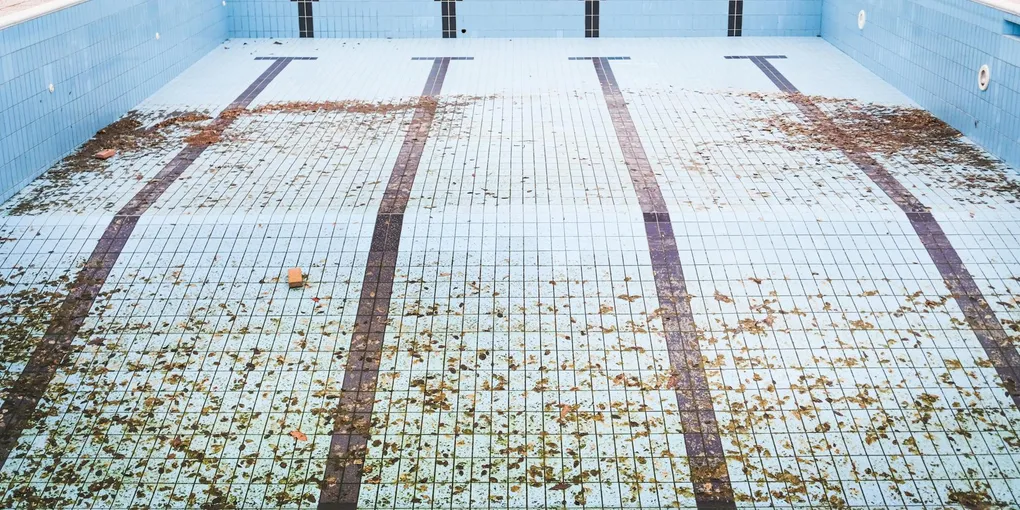
Cracked swimming pool steps are both a safety concern and a source of ongoing water loss. Left unaddressed, even a small crack can expand through freeze-thaw cycles or ground movement, eventually requiring expensive reconstruction.
Cracked swimming pool steps are both a safety concern and a source of ongoing water loss. Left unaddressed, even a small crack can expand through freeze-thaw cycles or ground movement, eventually requiring expensive reconstruction. Catching and repairing cracks early is always the better path.
Identify the Crack Type and Step Material
Before buying repair products, you need to know two things: how severe the crack is and what the step is made of.
Concrete or gunite steps are the most common in in-ground pools. They can develop surface cracks (plaster crazing) or deeper structural cracks. Fiberglass steps are found in fiberglass-shell pools and require gel coat or fiberglass-specific repair products — standard concrete patching compounds will not bond to fiberglass.
Run your fingernail across the crack. If it catches significantly, the edges are raised and the crack is more than cosmetic. Check whether water is visibly seeping through.
Tools and Materials
- Wire brush or angle grinder with masonry wheel
- Cold chisel and hammer (for concrete step prep)
- Shop vacuum
- Pool-safe hydraulic or epoxy patching compound (concrete steps) OR fiberglass pool repair kit (fiberglass steps)
- Pool plaster or white Portland cement for color match (optional finish coat)
- Rubber gloves and eye protection
- Trowel or putty knife
For concrete steps, a pool repair epoxy putty works both wet and dry and is a reliable choice for cracks up to about 1/2 inch wide. For fiberglass, a fiberglass pool step repair kit includes the resin, hardener, and application materials you need.
Step 1: Lower the Water Level
For the best repair, lower the pool water below the cracked step. This lets you work on a dry surface and use stronger patching compounds. Drain to approximately 2 inches below the lowest crack. If you are using an underwater repair product, you can skip this step for hairline cracks.
Step 2: Prepare the Crack
Use a cold chisel and hammer (for concrete) or a rotary tool with a cutting wheel (for fiberglass) to widen the crack slightly into a “V” shape — about 1/4 inch wide and 1/4 inch deep. This keyed profile gives the patching compound much more surface area to grip. Clean out all dust, loose material, and algae with a wire brush, then vacuum the crack thoroughly.
If the step surface has algae staining, scrub with a pool-safe tile and surface cleaner and rinse before patching. Patching compounds will not adhere to dirty or slick surfaces.
Step 3: Mix and Apply the Patch
Follow the manufacturer’s mixing instructions exactly — epoxy and hydraulic cement have specific working times and mix ratios. Over-mixing or under-mixing affects curing strength.
For concrete steps, press the patch compound firmly into the crack with a gloved finger or trowel, slightly overfilling the crack. Smooth it level with the surrounding surface. Hydraulic cement generates heat as it sets and can be shaped for about 3–5 minutes, so work quickly.
For fiberglass steps, apply the resin-and-hardener mix with a brush, then lay fiberglass mat over the area if the crack is wide, pressing out air bubbles. Once cured, sand smooth and apply gelcoat to match the original color.
Step 4: Cure and Finish
Allow the patch to cure fully before refilling — typically 24 to 48 hours for epoxy compounds, or as directed on the product label. For concrete steps, a thin skim coat of white plaster or pool-finish compound over the patch after curing creates a smoother color match. A pool plaster repair mix is sold in small quantities for exactly this type of touch-up.
Step 5: Refill and Monitor
Refill the pool slowly and watch the repaired area for the first 24 hours after water returns. Mark the water level with tape and check it 24 hours later — a drop of more than 1/4 inch per day beyond normal evaporation may indicate the crack is deeper than addressed. If water loss continues, consult a pool professional for pressure testing.
Check repaired steps each spring before the swim season starts, and re-seal any minor surface deterioration before it grows.
- Lower the Water Level
For the best repair, lower the pool water below the cracked step. This lets you work on a dry surface and use stronger patching compounds. Drain to approximately 2 inches below the lowest crack.
- Prepare the Crack
Use a cold chisel and hammer (for concrete) or a rotary tool with a cutting wheel (for fiberglass) to widen the crack slightly into a "V" shape — about 1/4 inch wide and 1/4 inch deep.
- Mix and Apply the Patch
Follow the manufacturer's mixing instructions exactly — epoxy and hydraulic cement have specific working times and mix ratios. Over-mixing or under-mixing affects curing strength.
- Cure and Finish
Allow the patch to cure fully before refilling — typically 24 to 48 hours for epoxy compounds, or as directed on the product label.
- Refill and Monitor
Refill the pool slowly and watch the repaired area for the first 24 hours after water returns. Mark the water level with tape and check it 24 hours later — a drop of more than 1/4 inch per day beyond normal evaporation may indicate the crack is deepe...
Free: 10-Point Home Maintenance Checklist
Prevent costly repairs with this seasonal checklist. Save hundreds every year by catching problems early.
Your checklist is ready!
Open Checklist →Something went wrong. View the checklist here.