How to Fix a Broken Deck Board: Remove, Sister, Fasten, and Seal
A split, rotting, or popped deck board is a trip hazard and a structural starting point for bigger decay. This guide covers prying out old boards, sistering joist support, choosing the right fasteners, and matching stain and sealant.
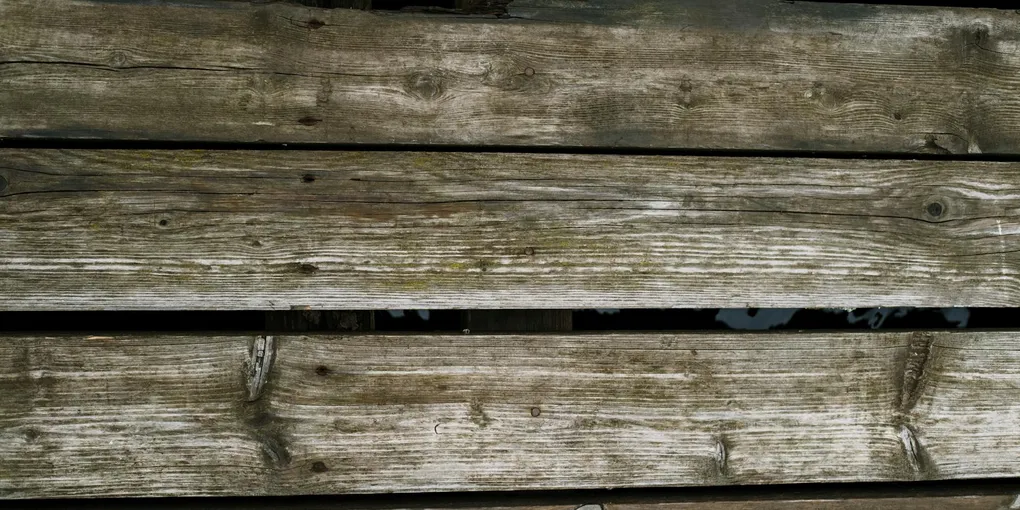
Replacing a deck board: (1) Probe the board with a screwdriver — if it sinks in, there is rot; if solid, it may just be split or cupped. Check the joist below for rot too. (2) Remove the board: pry up nails with a flat bar, or unscrew screws. Cut the board in the middle of joist bays on both sides if needed to free it. (3) If the joist is rotted at the attachment point: screw a sister board (same width, full length) alongside the damaged joist. (4) Cut the replacement board to length from the same species (or compatible lumber). Pressure-treated for ground contact areas; cedar or composite to match the deck. (5) Pre-drill screw holes to prevent splitting. Use stainless or coated screws — galvanized screws rust stain treated lumber. (6) Space boards with a 1/4-inch gap for drainage. (7) Seal cut ends with wood preservative. Match the stain if the deck is finished.
Frequently Asked Questions
How do I tell if a deck board needs to be replaced or just refinished?
Press a screwdriver firmly into the center of the board and along its edges. Wood that is structurally sound will resist the screwdriver tip — you should not be able to push more than 1/8 inch into the wood without significant force. Soft, spongy spots where the screwdriver sinks in easily indicate rot, and that section of board needs replacement regardless of how it looks on the surface. Surface checking (shallow cracks running with the grain), gray weathering, and raised grain are cosmetic issues that can be addressed with sanding and refinishing.
What causes deck boards to pop up or cup?
Deck boards move with changes in moisture content. When a board absorbs water and swells, then dries and shrinks, the edges can cup upward if the wood shrinks faster on one face than the other. Boards also pop up when their fasteners — nails or short screws — pull out of the joists below, often because the wood around the fastener has degraded from years of moisture cycling. Boards installed with the bark side down are more likely to cup; the correct installation is bark side up, but this is often ignored in practice.
Can I sister a new joist block without removing the entire deck?
Yes. Sistering a short joist block — also called blocking or a nailer — alongside an existing joist is a standard repair technique that does not require removing healthy surrounding boards. Remove only the damaged board and the boards on either side if necessary for access, then cut a short section of the same lumber as the existing joists and fasten it alongside the original joist at the repair location. This gives the new board a solid, full-depth nailing surface even if the original joist edge has softened.
Should I use nails or screws for deck board replacement?
Use exterior-rated screws, not nails. Screws resist withdrawal forces (boards pulling away from joists) far better than nails and allow the board to be removed cleanly if future repairs are needed. Use stainless steel or hot-dipped galvanized deck screws rated for ground contact — not standard zinc-plated screws, which corrode quickly in outdoor conditions and stain the wood. For pressure-treated lumber, stainless steel screws are preferred because ACQ and CA pressure treatments are corrosive to regular galvanized hardware.
How do I match the stain color on a repaired deck board?
New wood and weathered wood absorb stain differently, so an exact color match is unlikely until the deck weathers uniformly. The best approach is to apply a semi-transparent stain to the new board in the same color as the deck's existing stain — a semi-transparent product shows some wood grain variation that helps the board blend in over time. If you plan to refinish the entire deck section, strip and clean the existing boards before staining so all boards start from a similar baseline. Full deck refinishing produces a much more uniform result than patching individual boards.
What is the difference between pressure-treated lumber and composite decking for a board replacement?
Pressure-treated lumber is natural wood impregnated with preservatives to resist rot and insects. It is the standard material for deck structure (posts, beams, joists) and is also used for deck boards — it costs less than composite but requires periodic sealing and staining and will eventually need replacement. Composite decking is made from wood fiber and plastic and does not rot, cup, or require sealing. However, composite boards are typically thicker than standard 5/4 deck boards and may not match the height of adjacent pressure-treated boards without shimming. For a single-board repair, pressure-treated lumber in the same dimensions as the existing deck is the easiest match.
Replacing a deck board: (1) Probe the board with a screwdriver — if it sinks in, there is rot; if solid, it may just be split or cupped. Check the joist below for rot too.
A single broken, cracked, or rotted deck board is almost always fixable in an afternoon. The key is not to just slap a new board in place — it is to make sure the support structure under the board is sound, use the right fasteners, and seal the new wood so the repair lasts as long as the original deck was supposed to.
This guide covers the complete repair: prying out the old board, assessing and fixing the joist, installing the new board correctly, and matching the finish.
What You Need
- Deck board pry bar — flat pry bar or cat’s paw for pulling boards without splitting
- Exterior deck screws stainless steel — stainless or hot-dipped galvanized, 3-inch length
- Pressure-treated deck lumber 5/4x6 — match the existing board dimensions
- Wood preservative end-cut solution — treat cut ends of pressure-treated boards
- Semi-transparent deck stain — for matching and sealing the new board
- Deck cleaner and brightener — clean existing boards before staining
Step 1: Assess the Damage and the Joist Below
Before removing the board, understand what you are dealing with.
Probe the board. Drive a screwdriver tip firmly into the board at several points along its length — center, edges, and both ends. Solid wood resists firmly. Soft spots that accept the screwdriver easily indicate rot. Mark all soft spots with chalk so you know the extent of the damage before you start prying.
Look underneath the deck. From below, inspect the joists under the damaged board. Look for dark staining, soft spots (probe with the screwdriver tip), or visible fungal growth. A joist that has stayed wet under a damaged board is often partially rotted itself and will not hold fasteners well — this is what sistering corrects.
Check adjacent boards. The boards on both sides of a rotted board often have early-stage decay at their edges. Probe them too. If they probe soft at the edges but firm in the middle, they may last longer, but note their condition for the next deck refresh.
Document the board dimensions. Measure the width, thickness, and length of the board you are replacing before you go to the lumber yard. Standard deck boards are 5/4 x 6 (which actually measures about 1 inch thick and 5.5 inches wide), but some decks use 2x6 framing lumber laid flat. Getting the wrong thickness creates a trip hazard.
Step 2: Remove the Old Board
Remove fasteners first. If the board was installed with screws, back them out with a drill/driver. Old screws may be corroded — use a screw extractor bit if they strip. If the board was installed with nails, use a cat’s paw pry bar to pull each nail individually.
Pry the board up. Use a flat pry bar positioned over a joist. Insert the bar under the edge of the board and apply gradual upward pressure — work slowly so you don’t split adjacent boards or lever against the joist in a way that damages it. Move the pry bar every 12-18 inches along the board’s length rather than prying from one end.
Remove all old fasteners from the joists. Any nail or screw stub left sticking up from the joist will prevent the new board from seating flat. Use a cat’s paw or nail puller to remove them flush.
Step 3: Assess and Sister the Joist
With the board out, you have clear access to the joists.
Probe both joists at the board locations. The ends of boards, where water pools in the end grain, are the most common rot initiation points. Probe the top of each joist at the board’s former position.
If the joist is firm: Proceed to installing the new board.
If the joist edge is soft but the bulk of the joist is solid: Cut a joist sister — a piece of the same lumber as the existing joist, cut to span at least two joist bays (to the nearest support on each side). Position the sister alongside the compromised joist, crown (slight upward bow) facing up, and fasten it with 3-inch structural screws or 16d galvanized nails staggered in pairs every 12 inches. The new board screws go into both the sister and the existing joist.
If the joist is severely rotted through most of its depth: A full sister running the length of the joist span is needed, or the joist needs replacement. This is a larger repair — if the joist is failing, consult a contractor if you are not comfortable with structural framing work. Fastenin a new board over a failed joist creates an unsafe surface.
Apply wood preservative to exposed joist areas. If the joist showed any softening or staining, treat the wood with a penetrating wood preservative before closing up. This extends the service life of the existing wood.
Step 4: Prepare and Cut the New Board
Measure the opening carefully — measure twice, and account for the 1/8-inch gap you should leave at each end between the board and any adjacent framing (this allows water to drain and the wood to expand without buckling).
Cut the board to length. Make a clean, square cut with a circular saw. If the board end will be exposed (at the deck’s perimeter), treat the cut end immediately with wood preservative end-cut solution — cut ends of pressure-treated lumber have exposed wood fibers that are not protected by the original treatment.
Pre-drill screw holes. Pre-drilling prevents the wood from splitting at the ends, which are the most vulnerable points. Use a bit slightly smaller than the screw shank. Drill two holes per joist crossing, angled slightly toward each other in a “V” pattern to provide better holding power.
Maintain consistent spacing. Use a screw, a nail, or a commercial deck board spacer to maintain uniform gaps between the boards — typically 1/8 to 3/16 inch. Consistent gaps allow water to drain and give the deck a clean, professional appearance.
Step 5: Install the New Board
Lower the new board into position with the crown (if any) facing up and the bark side facing up. On pressure-treated lumber, one side typically has a slightly rougher texture — that side up provides better traction and sheds water better.
Drive screws at a slight angle toward each other over each joist (the same pre-drilled pattern). Do not overdrive screws — the head should sit just below the wood surface in a shallow countersink, not driven so deep that the wood crushes around the head, which creates a cup that retains water.
Check the board height against adjacent boards at both ends and in the middle. It should be flush or within 1/16 inch. A board that sits proud of its neighbors is a trip hazard. A board that sits low will collect water at its edges.
Step 6: Stain and Seal the New Board
New pressure-treated lumber should dry before staining — most manufacturers recommend 3–6 months. However, the exposed end grain should be sealed immediately with end-cut preservative or a penetrating oil to prevent rapid moisture uptake during the waiting period.
When the board is ready to finish, clean both the new board and the adjacent existing boards with a deck cleaner and brightener solution. The brightener neutralizes tannins and mill scale that block stain penetration on new wood and removes the gray oxidation on weathered boards, bringing both closer to a similar baseline color before staining.
Apply semi-transparent stain in the closest available color match to the existing deck. Semi-transparent stain shows wood grain variation, which helps disguise the fact that the new board is slightly different in color and texture from the weathered boards around it. Apply two coats, following the product’s recoat window and allowing full drying between coats.
If the color difference is still noticeable after staining the new board, consider stripping and restaining the entire deck section at the same time. A full-section refinish costs more time but eliminates the patchwork appearance.
Related Reading
- How to Build a Deck
- How to Stain and Seal a Deck
- How to Fix Deck Rot
- How to Stain a Deck — restain the entire deck after board replacement for a uniform finish
- Assess the Damage and the Joist Below
Before removing the board, understand what you are dealing with.
- Remove the Old Board
Remove fasteners first. If the board was installed with screws, back them out with a drill/driver. Old screws may be corroded — use a screw extractor bit if they strip.
- Assess and Sister the Joist
With the board out, you have clear access to the joists.
- Prepare and Cut the New Board
Measure the opening carefully — measure twice, and account for the 1/8-inch gap you should leave at each end between the board and any adjacent framing (this allows water to drain and the wood to expand without buckling).
- Install the New Board
Lower the new board into position with the crown (if any) facing up and the bark side facing up. On pressure-treated lumber, one side typically has a slightly rougher texture — that side up provides better traction and sheds water better.
- Stain and Seal the New Board
New pressure-treated lumber should dry before staining — most manufacturers recommend 3–6 months. However, the exposed end grain should be sealed immediately with end-cut preservative or a penetrating oil to prevent rapid moisture uptake during the w...
Free: 10-Point Home Maintenance Checklist
Prevent costly repairs with this seasonal checklist. Save hundreds every year by catching problems early.
Your checklist is ready!
Open Checklist →Something went wrong. View the checklist here.