How to Fix a Cracked Pool Deck
Repair hairline, structural, and heaving cracks in a concrete pool deck yourself with this complete guide covering crack prep, filler selection, resurfacing, and sealing.
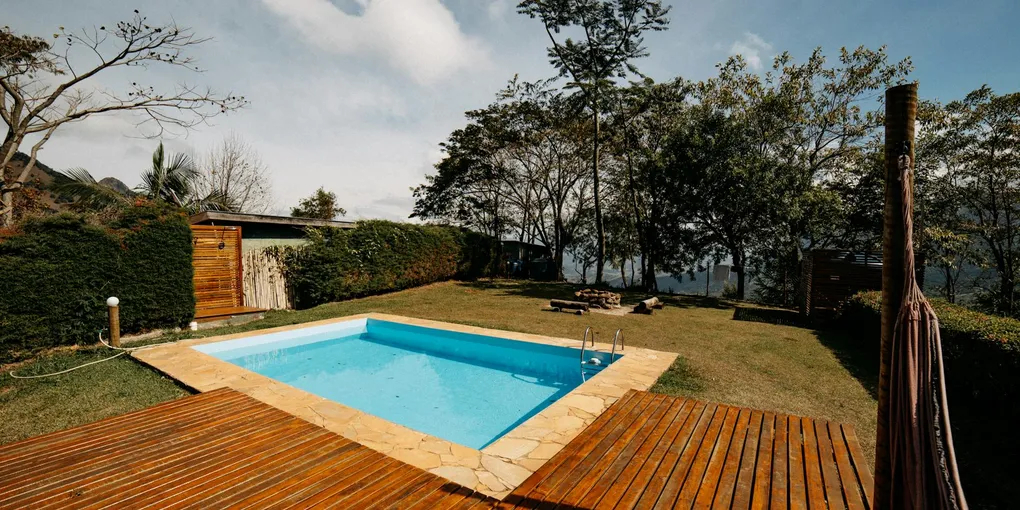
Pool deck cracks are almost inevitable. The combination of constant wet-dry cycling, pool chemicals, seasonal temperature shifts, and the weight of foot traffic around a pool puts concrete through enormous stress.
Pool deck cracks are almost inevitable. The combination of constant wet-dry cycling, pool chemicals, seasonal temperature shifts, and the weight of foot traffic around a pool puts concrete through enormous stress. A single winter freeze can open a hairline crack wide enough to let water infiltrate — and water under a pool deck erodes the substrate, enlarges the crack, and eventually causes sections to heave or settle.
The good news is that most pool deck cracks are fixable with a weekend afternoon and the right materials. This guide walks you through assessment, crack preparation, filler selection, and final sealing for a durable, watertight repair.
What You Need
- Polyurethane self-leveling concrete crack sealant — The correct product for most pool deck cracks up to half an inch wide. It flows into the crack under gravity and cures flexible, accommodating slab movement without re-cracking.
- Hydraulic cement (quick-setting) — For active leaks or cracks where water is weeping through from below. Sets in minutes even in the presence of water.
- Concrete resurfacer (for widespread surface crazing) — When the entire deck surface shows a network of shallow cracks (crazing), a resurfacer coat repairs and beautifies the whole surface in one step.
- Angle grinder with diamond crack chasing blade — For widening hairline cracks into a clean U-shape that holds filler better. Hairline cracks are too narrow for sealant to penetrate adequately without this preparation step.
- Wire brush and stiff-bristle broom — For scrubbing debris, loose concrete, and algae out of cracks before filling.
- Electric pressure washer (1600 to 2000 PSI) — For cleaning the entire deck surface before repairs. Pool decks accumulate algae, calcium deposits, and dirt that must be removed for sealant to bond.
- Penetrating concrete sealer rated for pool decks — Applied over the entire deck after crack repairs are complete to protect the surface and unify the appearance.
- Backer rod foam (3/8 inch and 1/2 inch diameter) — Pressed into cracks deeper than half an inch before applying sealant. Prevents sealant from running through a deep crack and gives the sealant a proper depth-to-width ratio for long-term performance.
Step 1: Assess the Cracks Before Starting
Not all pool deck cracks are equal. Before you buy a single product, walk the entire deck and categorize what you see:
Hairline cracks (less than 1/8 inch wide): Surface shrinkage or age. Very common, usually cosmetic. Repair with crack sealant after widening with a crack chaser blade.
Moderate cracks (1/8 to 1/2 inch wide, edges level with each other): Structurally stable movement cracks. Excellent candidates for polyurethane self-leveling sealant with backer rod below.
Heaving cracks (one side higher than the other): Indicates active soil movement, root pressure, or frost heave. The cause must be addressed before repair — otherwise, the repair will fail within one season. Call a concrete contractor to evaluate whether the affected section can be mud-jacked (lifted and re-leveled) or must be replaced.
Wide cracks with crumbling edges: The edges of the crack are spalling and loose. Clean all loose material back to solid concrete before filling.
Surface crazing (a network of shallow cracks covering wide areas): A concrete resurfacer product addresses this more effectively than individual crack filling.
Step 2: Power Wash the Entire Deck
A clean surface is mandatory for sealant adhesion. Trying to apply crack filler over a dirty or algae-covered deck is one of the most common reasons DIY pool deck repairs fail.
- Remove all furniture, toys, and accessories from the deck.
- Apply a concrete cleaner or diluted pool deck cleaner to the surface and let it dwell for 10 minutes.
- Power wash at 1600 to 2000 PSI. Run the wand along the crack lines to flush out debris deep in the crack. Do not exceed 3000 PSI on an older or pitted deck — high pressure can damage soft concrete.
- Allow the deck to dry fully — at least 24 to 48 hours in warm weather, longer if humidity is high. Sealant will not bond to wet concrete.
Step 3: Prepare the Cracks
After drying:
- Chase hairline cracks. Attach a diamond crack chasing blade to an angle grinder and run it along the length of any crack narrower than an eighth of an inch. This widens and deepens the crack into a consistent V or U shape that sealant can penetrate and grip. Aim for a channel about 3/16 inch wide and 1/4 inch deep.
- Clean all cracks with a wire brush. Scrub the inside walls of every crack to remove all dust, loose concrete, and organic material. A shop vacuum works well to remove the loosened debris after wire brushing.
- Blow out with compressed air if available, or flush with water and allow to dry again. The crack interior must be clean, dry, and free of dust.
- Install backer rod in deep cracks. For any crack deeper than half an inch, press backer rod foam into the crack using a putty knife or screwdriver. The backer rod should sit approximately a quarter inch below the surface — this gives the sealant proper support and depth.
Step 4: Apply Crack Sealant
For cracks up to 1/2 inch wide:
- Cut the nozzle of the self-leveling polyurethane sealant tube at a 45-degree angle to match the crack width.
- Load the tube into a caulk gun.
- Run a steady bead of sealant along the entire crack, slightly overfilling to account for settling as the sealant flows into the crack.
- Allow the sealant to self-level for several minutes — it will flow to fill the crack uniformly.
- Do not tool or smooth the surface if using a self-leveling product — smoothing disturbs the leveling and can trap air bubbles.
- Allow to cure per the manufacturer specification before foot traffic (typically 24 to 48 hours for polyurethane sealants).
For cracks where water is actively seeping:
- Mix hydraulic cement per package instructions to a putty-like consistency.
- Wear gloves — hydraulic cement generates heat during curing.
- Pack the cement firmly into the wet crack with a gloved hand or putty knife, holding it in place for 3 to 5 minutes until initial set occurs.
- Hydraulic cement sets in 3 to 5 minutes and can be finished with a trowel once it loses its initial plasticity.
Step 5: Resurface the Deck (Optional but Recommended)
If your deck has widespread surface crazing or you want to unify the appearance of old and repaired areas, apply a concrete resurfacer after all crack repairs have cured.
- Dampen the entire deck surface with clean water until it is dark but not puddled.
- Mix the concrete resurfacer per package instructions to a pourable consistency.
- Pour onto the wet deck and spread with a squeegee in smooth, overlapping passes. Work in sections of 100 to 150 square feet to keep a wet edge.
- For a non-slip texture (important on a pool deck), drag a broom lightly across the surface before the resurfacer begins to set.
- Allow to cure 24 hours before foot traffic, 72 hours before moving heavy furniture back.
Step 6: Seal the Entire Deck
Sealing is the step that makes your repairs last.
- Allow all sealant and any resurfacer to cure fully before applying sealer — typically 72 hours minimum, longer in cool or humid conditions.
- Apply a penetrating concrete sealer formulated for pool decks using a paint roller with a 3/8-inch nap.
- Work in manageable sections and maintain a wet edge to prevent lap marks.
- Apply two coats for better protection, allowing the first coat to absorb fully before applying the second.
- Keep foot traffic off the sealed surface for at least 24 hours and keep the pool water off the deck for 48 to 72 hours.
Maintenance to Prevent Future Cracking
- Reseal every 2 to 3 years using a penetrating sealer to prevent water infiltration
- Keep expansion joints flexible — the control joints between deck sections should be filled with flexible sealant, not caulked rigid
- Trim tree roots early if trees near the pool are showing surface roots near the deck perimeter
- Fix small cracks immediately — a two-hour repair done the season a crack appears prevents a full slab replacement five years later
Related Reading
- Assess the Cracks Before Starting
Not all pool deck cracks are equal. Before you buy a single product, walk the entire deck and categorize what you see:
- Power Wash the Entire Deck
A clean surface is mandatory for sealant adhesion. Trying to apply crack filler over a dirty or algae-covered deck is one of the most common reasons DIY pool deck repairs fail.
- Prepare the Cracks
Chase hairline cracks. Attach a diamond crack chasing blade to an angle grinder and run it along the length of any crack narrower than an eighth of an inch.
- Apply Crack Sealant
For cracks up to 1/2 inch wide:
- Resurface the Deck (Optional but Recommended)
If your deck has widespread surface crazing or you want to unify the appearance of old and repaired areas, apply a concrete resurfacer after all crack repairs have cured.
- Seal the Entire Deck
Sealing is the step that makes your repairs last.
Free: 10-Point Home Maintenance Checklist
Prevent costly repairs with this seasonal checklist. Save hundreds every year by catching problems early.
Your checklist is ready!
Open Checklist →Something went wrong. View the checklist here.