How to Fix a Cracked Concrete Patio
Learn how to fill and seal hairline cracks, medium cracks, and larger spalled areas in a concrete patio to stop water infiltration and prevent further damage.
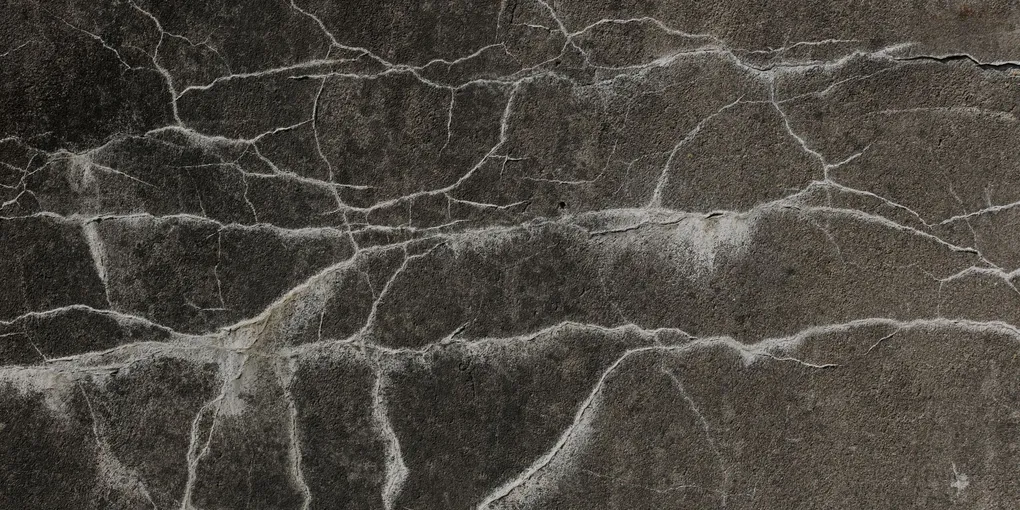
Concrete cracks are inevitable, but left untreated they let in water that expands with each freeze cycle, turning small cracks into large ones fast.
Concrete cracks are inevitable, but left untreated they let in water that expands with each freeze cycle, turning small cracks into large ones fast. The right repair materials and a clean surface are the keys to a long-lasting fix.
What You Need
- Pressure washer or stiff wire brush and garden hose
- Cold chisel and hammer (for cleaning crack edges on larger cracks)
- Shop vac
- Concrete crack filler / self-leveling sealant (for narrow cracks under 1/2 inch)
- Concrete patching compound (for wider cracks and spalled areas)
- Concrete penetrating sealer (for post-repair protection)
- Putty knife or margin trowel
- Paintbrush or pump sprayer (for sealer application)
- Safety glasses and gloves
Step 1: Clean the Crack Thoroughly
This is the most important step — crack filler bonds to clean concrete, not to dirt and debris.
Pressure wash the entire patio, paying special attention to the crack. Force water directly into the crack to flush out loose material. If you do not have a pressure washer, use a stiff wire brush to clean the crack walls, then flush with a garden hose.
For cracks wider than 1/4 inch, use a cold chisel and hammer to undercut the crack edges slightly — this creates a dovetail profile that mechanically locks the patch in place and prevents it from popping out.
Vacuum out all remaining debris with a shop vac. Let the crack dry completely — at least 24 hours in warm weather.
Step 2: Choose the Right Repair Product
Hairline and narrow cracks (under 1/4 inch): Use a self-leveling polyurethane or epoxy crack filler. These come in caulk tubes and flow into the crack. They remain slightly flexible after curing, which is important for outdoor concrete that moves with temperature changes.
Medium cracks (1/4 inch to 1/2 inch wide): Use a concrete crack filler or a vinyl concrete patching compound. For cracks that are shallow, you can also use backer rod foam to fill the depth before applying the surface filler.
Wide cracks and spalled areas: Use a vinyl concrete patching compound mixed to a stiff consistency, or a hydraulic cement for areas where water is actively seeping. Trowel it in layers if filling deep voids.
Step 3: Apply the Filler
Self-leveling fillers: Cut the tip of the caulk tube and apply filler directly into the crack, slightly overfilling. The product levels itself. Smooth the surface with a putty knife if needed. Keep foot traffic off for at least 4 hours.
Patching compound: Dampen the crack slightly with water — this prevents the dry concrete from pulling moisture out of the patch too quickly and causing it to cure weak. Mix the patching compound per the package directions. Press it firmly into the crack with a putty knife or margin trowel, forcing it into all voids. Smooth flush with the surrounding slab. Feather the edges outward rather than creating an abrupt edge, which can chip.
Step 4: Cure the Repair
Keep the repaired area damp for the first 24 hours by misting with water and covering with plastic sheeting. This slows the cure and produces a stronger repair. Avoid allowing the patch to dry out rapidly in hot sun or wind.
Most concrete patch products reach working strength in 24–72 hours. Wait the full cure time before sealing.
Step 5: Seal the Entire Patio
Once repairs are fully cured, apply a concrete penetrating sealer to the entire patio surface. A penetrating sealer soaks into the concrete rather than forming a surface film — it waterproofs without making the surface slippery or changing the appearance significantly.
Apply with a paintbrush, roller, or pump sprayer. Work in sections, keeping a wet edge to avoid lap marks. Two thin coats are better than one heavy coat. Allow the first coat to absorb for 30 minutes before applying the second.
Step 6: Ongoing Maintenance
Inspect the patio each spring after winter. Catch new cracks early — a small sealed crack costs minutes to fix. A neglected crack that has allowed water infiltration over several winters may require full slab replacement.
Reapply concrete sealer every 2–3 years to maintain protection.
Related Guides
- How to Power Wash a Patio — deep cleaning before sealing
- How to Build a Patio — full slab installation for severe damage replacement
- How to Fix Concrete Steps — step edge and nosing repair using the same patching techniques
- How to Fix a Broken Concrete Stoop — repair a crumbling front stoop using the same crack-fill and resurfacing approach
- Concrete Driveway Cost — if the patio damage is severe, replacement costs are similar to a new driveway
- Clean the Crack Thoroughly
This is the most important step — crack filler bonds to clean concrete, not to dirt and debris.
- Choose the Right Repair Product
Hairline and narrow cracks (under 1/4 inch): Use a self-leveling polyurethane or epoxy crack filler. These come in caulk tubes and flow into the crack.
- Apply the Filler
Self-leveling fillers: Cut the tip of the caulk tube and apply filler directly into the crack, slightly overfilling. The product levels itself. Smooth the surface with a putty knife if needed. Keep foot traffic off for at least 4 hours.
- Cure the Repair
Keep the repaired area damp for the first 24 hours by misting with water and covering with plastic sheeting. This slows the cure and produces a stronger repair. Avoid allowing the patch to dry out rapidly in hot sun or wind.
- Seal the Entire Patio
Once repairs are fully cured, apply a concrete penetrating sealer to the entire patio surface. A penetrating sealer soaks into the concrete rather than forming a surface film — it waterproofs without making the surface slippery or changing the appear...
- Ongoing Maintenance
Inspect the patio each spring after winter. Catch new cracks early — a small sealed crack costs minutes to fix. A neglected crack that has allowed water infiltration over several winters may require full slab replacement.
Free: 10-Point Home Maintenance Checklist
Prevent costly repairs with this seasonal checklist. Save hundreds every year by catching problems early.
Your checklist is ready!
Open Checklist →Something went wrong. View the checklist here.