How to Waterproof and Seal a Deck: Products, Timing, and Application (2026)
Sealing or waterproofing a deck protects wood from UV damage, moisture, and mildew. This guide covers the difference between sealers, stains, and waterproofers, how to prep the deck surface, and application technique.
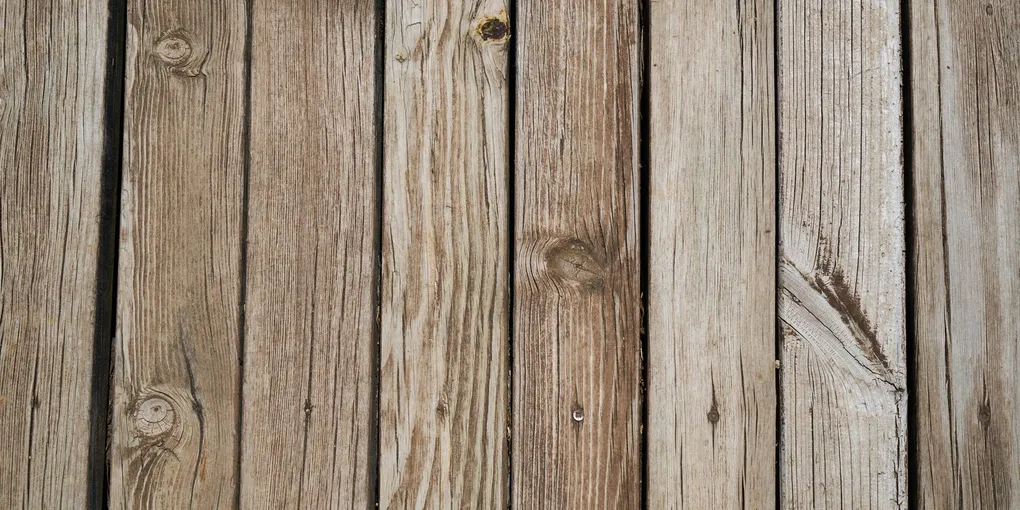
Seal or stain a new deck within the first year and every 2–3 years after. The water bead test tells you if a deck needs sealing: sprinkle water on the deck boards. If the water beads up, the existing sealer is still working. If it soaks in immediately, the wood is unprotected and needs sealing. Clean the deck first (deck cleaner and brightener), let dry 48–72 hours, and apply a penetrating sealer or semi-transparent stain with a brush, roller, or pump sprayer.
Frequently Asked Questions
What is the difference between a sealer, stain, and waterproofer?
Sealer (clear): penetrates wood to repel water but adds little UV protection or color. Fades in 1–2 years. Best for new cedar or redwood where you want to maintain the natural look. Semi-transparent stain: adds color while allowing wood grain to show through. Provides UV protection and water resistance. Lasts 2–4 years. Most popular choice. Solid stain or paint: opaque, covers the grain entirely. Longest-lasting (4–6 years) but looks like paint — peels rather than fades, harder to recoat. Waterproofer with UV protection: typically a combination product — penetrating resin plus UV blockers. Works well in high-sun climates.
How do I know when my deck needs to be re-sealed?
Do the water bead test: sprinkle water on the deck. If water forms beads and rolls off, the sealer is active. If water soaks in immediately (darkens the wood), the deck needs resealing. Also look for: gray weathering (UV damage), cracking or checking of the wood surface, or mildew stains. Gray wood that has been weathered without sealing needs to be cleaned with a brightener before sealing — sealer over gray wood seals in the weathered surface without restoring it.
Can I apply new stain over old stain?
For penetrating stains: yes, if the old stain is compatible (oil-over-oil, water-over-water, or re-coat with the same product). The old stain must be worn and faded, not peeling or flaking — peeling means the old stain has failed on the surface and must be stripped or sanded. For solid stain: if the old solid stain is peeling, strip it completely before applying new solid stain. For switching from oil to water-based stain: clean thoroughly and test compatibility in a small area.
When is the best time of year to seal a deck?
Spring or fall in most climates — temperatures 50–90°F with low humidity and no rain in the forecast for 24–48 hours after application. Avoid: applying in full summer sun (product dries too fast, leaving lap marks), in temperatures below 50°F (product won't cure properly), or when rain is expected within 24 hours. New pressure-treated lumber should dry for 60–90 days after installation before sealing — test by sprinkling water; if it beads, the wood is too wet.
My deck has green algae or mold. Do I need to clean it before sealing?
Yes — sealing over mold seals the mold in and causes premature failure of the sealer. Clean with: a deck cleaner (oxygen bleach-based, like OxiClean, is gentler on wood than chlorine bleach) or a dedicated mold-killing deck wash. Let the cleaner dwell, scrub, rinse thoroughly. Then apply a deck brightener (dilute oxalic acid) to restore the wood's natural color and open the pores for better sealer penetration. Let dry fully (48–72 hours minimum) before sealing.
Seal or stain a new deck within the first year and every 2–3 years after. The water bead test tells you if a deck needs sealing: sprinkle water on the deck boards.
Sealing a deck right extends its life significantly. Here is the full process from prep to finish coat.
What you need
- Deck cleaner (oxygen bleach-based)
- Deck brightener (oxalic acid-based)
- Pressure washer (1,200–1,500 PSI) or stiff-bristle scrub brush
- Deck sealer or semi-transparent stain
- 4-inch synthetic bristle brush (for detailed work)
- Roller or pump-up sprayer
- Paint tray
- Rubber gloves and eye protection
Step 1: Clear and inspect the deck
Remove all furniture, planters, and rugs. Sweep off debris. Inspect the boards and structure:
- Check for soft, punky, or rotted boards (probe with a screwdriver — it should not penetrate easily)
- Check for popped fasteners — hammer in any raised nails or replace with deck screws
- Check the ledger board and post connections for rot or movement
Repair or replace damaged boards before cleaning.
Step 2: Clean the deck
Mix deck cleaner per instructions. Apply with a brush or pump sprayer. Let dwell 10–15 minutes.
Scrub with a stiff brush or use a pressure washer (1,200–1,500 PSI, 25-degree nozzle). Rinse thoroughly.
Apply brightener: After cleaning, apply deck brightener and scrub in. Rinse. The brightener neutralizes the cleaner and restores the wood’s natural tone. It opens wood pores for better sealer penetration.
Let dry 48–72 hours in warm, dry weather. The wood must be completely dry before sealing.
Step 3: Apply sealer or stain
Read the product label — most deck sealers specify application temperature, coverage rate, and number of coats.
Start with the railings and vertical surfaces before doing the deck boards. Gravity pulls product down onto the boards below — easier to work with than against it.
Apply deck boards: Work across the boards with a brush (following the grain) or use a roller for large fields and back-brush immediately with a brush to work product into the grain and end joints. Don’t let product pool in the joints — it dries without penetrating and peels.
Second coat: Most penetrating stains and sealers benefit from a second coat applied while the first is still tacky (within 2 hours). Check product label. Oil-based products: apply second coat while first is wet for maximum penetration.
Step 4: Let cure
Stay off the deck for 24 hours. Avoid getting it wet for 48 hours. Keep furniture off for 72 hours.
Related guides
- How to Clean a Deck — full deck cleaning guide before sealing
- How to Stain a Deck — color application technique
- How to Repair a Deck — fix boards before sealing
- How to Fix a Broken Deck Railing Post — repair wobbly or rotted railing posts before applying sealer
- Annual Home Maintenance Schedule — when to schedule deck sealing
- Clear and inspect the deck
Remove all furniture, planters, and rugs. Sweep off debris. Probe boards with a screwdriver — soft or punky spots indicate rot requiring board replacement before sealing. Hammer in popped nails or replace with deck screws. Check the ledger board and post connections for movement or rot.
- Clean with deck cleaner and brightener
Apply oxygen bleach-based deck cleaner per instructions. Let dwell 10–15 minutes, scrub with a stiff brush or pressure washer at 1,200–1,500 PSI (25-degree nozzle), and rinse thoroughly. Then apply deck brightener (oxalic acid-based), scrub in, and rinse. The brightener neutralizes the cleaner and opens wood pores for better sealer penetration. Let dry 48–72 hours in warm weather — the wood must be completely dry before sealing.
- Apply sealer or stain
Start with railings and vertical surfaces — gravity pulls product down onto the boards below. Apply deck boards with a brush following the grain, or roll with a roller and immediately back-brush to work product into the grain and end joints. Do not let product pool in the board joints. Most penetrating stains benefit from a second coat applied while the first is still tacky (within 2 hours).
- Let cure before use
Stay off the deck for 24 hours. Keep the deck dry for 48 hours after application. Keep furniture off for 72 hours. In cool or humid weather, extend cure times — product applied in shade or below 60°F cures much more slowly.
Free: 10-Point Home Maintenance Checklist
Prevent costly repairs with this seasonal checklist. Save hundreds every year by catching problems early.
Your checklist is ready!
Open Checklist →Something went wrong. View the checklist here.