How to Clean a Deck: Power Wash vs. Scrub, and What to Do Next (2026)
Clean a wood or composite deck before sealing, staining, or painting. This guide covers power washing technique, deck cleaners vs. brighteners, and how to tell if your deck needs more than cleaning.
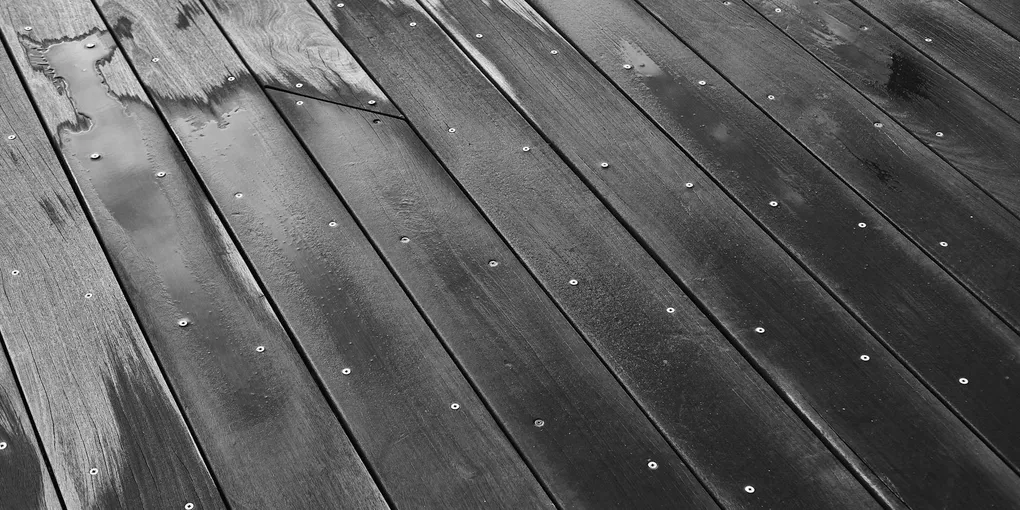
Cleaning a deck before sealing or staining takes 2–4 hours. Use a deck cleaner (oxygen-bleach-based, not chlorine bleach) and a stiff-bristle brush, or a pressure washer at 600–1,200 PSI with a 25-40 degree tip. After cleaning, apply a deck brightener to restore the wood's pH before staining — skipping the brightener is why stain looks gray-brown instead of rich and even. Let dry 48–72 hours before applying any sealer or stain.
Frequently Asked Questions
Should I power wash or hand scrub my deck?
Power washing is faster and works well for heavily soiled decks, mold, and mildew. Use 600–1,200 PSI (lower than general pressure washing) with a 25 or 40-degree tip. Never use a 0-degree or 15-degree tip — it damages wood fibers and raises the grain badly. Hand scrubbing with a deck cleaner gives more control and is better for older, softer wood. Composite decking: use a brush and cleaner only — some manufacturers void warranties for pressure washing.
What is the difference between deck cleaner and deck brightener?
Deck cleaner removes dirt, mildew, algae, and old gray wood fibers (the oxidized surface). Deck brightener (also called wood brightener) is a dilute acid (typically oxalic acid) that neutralizes the alkalinity left by cleaners and restores the wood's natural tan/amber color. Skipping the brightener after using an alkaline cleaner is why stain looks dull — the stain won't penetrate and bond properly to high-pH wood. Use both in sequence: clean, rinse, brighten, rinse, dry.
Can I clean my deck without power washing?
Yes. Mix an oxygen-bleach deck cleaner (Defy Deck Cleaner, Behr Wood Cleaner) according to directions and apply with a brush or pump sprayer. Let dwell 10–15 minutes, scrub with a stiff-bristle brush, and rinse with a garden hose on jet or shower setting. This method is gentler on older or softer wood and works well for regular maintenance cleaning. Reserve power washing for heavily neglected decks.
How do I know if my deck has mold or mildew?
Black or gray staining, especially in shaded or low-airflow areas. Green tinge is algae. Mold and mildew are surface conditions on weathered wood — clean them with an oxygen-bleach cleaner, not chlorine bleach. Chlorine bleach kills the mold but also removes lignin (the wood's natural binding agent), leaving the wood fibers gray and weakened over time. Never use undiluted chlorine bleach on a wood deck.
How long after cleaning can I stain or seal my deck?
48–72 hours minimum after cleaning and brightening, assuming good drying weather (above 50°F, no rain forecast). The wood must be fully dry — test by dropping water on the surface. If it beads up, the wood is too wet for stain. If it absorbs within 30 seconds, the deck is ready. Trying to stain damp wood is the most common cause of stain failure.
What PSI should I use to pressure wash a deck?
600–1,200 PSI for wood decks. This is significantly lower than pressure washing driveways or siding. Use a 25- or 40-degree fan tip — never a 0- or 15-degree tip, which concentrates force enough to damage wood fibers and raise the grain badly. Hold the nozzle 8–12 inches from the surface and keep it moving in long, even strokes with the grain. Composite decking: stay under 1,500 PSI and hold the nozzle at least 12 inches away — check your manufacturer's warranty before pressure washing composite, as some void coverage for pressure washing damage.
How do I remove black stains from a deck?
Black staining on a deck is almost always mold, mildew, or algae — not a stain in the wood grain. Clean it with an oxygen-bleach deck cleaner (Defy, Behr, Olympic), not chlorine bleach. Apply the cleaner, let it dwell 10–15 minutes, then scrub with a stiff-bristle brush. For persistent black spots in heavily shaded areas, a second application often removes what the first pass missed. After cleaning, apply a deck brightener (oxalic acid-based) to neutralize alkaline residue and restore the wood's natural color. If black staining returns within one season, the area has a moisture or drainage problem — improving airflow under the deck and addressing the water source is more effective than repeated cleaning.
Cleaning a deck before sealing or staining takes 2–4 hours. Use a deck cleaner (oxygen-bleach-based, not chlorine bleach) and a stiff-bristle brush, or a pressure washer at 600–1,200 PSI with a 25-40 degree tip.
A dirty deck holds stain and sealer poorly and accelerates wood rot. Clean it before any refinishing work.
What you need
- Oxygen-bleach deck cleaner (or similar — avoid chlorine bleach)
- Deck brightener (wood brightener)
- Stiff-bristle deck brush with extension handle
- Pump garden sprayer or garden hose with spray nozzle
- Pressure washer (optional, 600–1,200 PSI)
- Protective eyewear and gloves
- Plastic sheeting to protect plants and siding
Step 1: Prep
- Remove all furniture, plants, and rugs.
- Sweep off all loose debris with a stiff broom.
- Wet down surrounding plants and cover the base of shrubs with plastic sheeting — deck cleaner runoff can damage vegetation.
- Rinse the deck surface lightly with a hose to pre-wet.
Step 2: Apply deck cleaner
Mix the deck cleaner according to the product directions. Apply with a pump sprayer or garden hose applicator, working in sections.
Let the cleaner dwell for 10–15 minutes — don’t let it dry on the surface. Work in the shade if possible.
Scrub with the stiff-bristle brush, working with the grain of the wood. For heavy mold or gray oxidation, scrub firmly. You’ll see the water run darker as the surface grime lifts.
Rinse thoroughly with a hose or pressure washer. Rinse in the direction of the wood grain.
Step 3: Pressure washing (optional, for neglected decks)
If the deck has been neglected for several years:
- Set the pressure washer to 600–1,200 PSI. Use a 25- or 40-degree fan tip — never a 0 or 15-degree tip.
- Hold the nozzle 8–12 inches from the surface.
- Work with the grain in long, even strokes. Overlap each pass by 2–3 inches.
- Keep the nozzle moving — stopping in one place raises the wood grain badly and can gouge soft wood.
For composite decking: use a fan tip at under 1,500 PSI and hold the nozzle at least 12 inches away. Check your composite manufacturer’s guidelines.
Step 4: Apply deck brightener
After rinsing and while the wood is still damp (but not sitting in puddles), apply deck brightener.
The brightener neutralizes the alkaline residue from the cleaner and opens the wood fibers to accept stain evenly. Without this step, stain often appears blotchy or grayish.
Mix according to directions and apply with a brush or sprayer. Let dwell 5–10 minutes. Scrub lightly and rinse.
Step 5: Dry before finishing
Let the deck dry completely — 48–72 hours minimum.
Moisture test: Drop a few drops of water on the surface. If the water beads up (sits on the surface for more than 30 seconds), the wood is still too wet. If the water absorbs quickly, the deck is ready for stain or sealer.
What to look for while the deck is wet
A soaking-wet, freshly cleaned deck reveals problems invisible when dry:
- Soft boards: Probe suspicious areas with an awl. A board that accepts the awl tip with light pressure is beginning to rot — replace before sealing.
- Raised fasteners: Nail heads or screws that have backed out — re-drive or replace with longer screws.
- Splinter hazards: Sand rough areas with 80-grit.
- Wide gaps between boards: Under 1/4 inch is fine. Larger gaps can be addressed with deck gap filler.
After cleaning: seal, stain, or paint?
| Goal | Product | When to use |
|---|---|---|
| Preserve natural wood color + repel water | Clear sealer | New or recently stripped wood in good condition |
| Add color + UV protection | Semi-transparent stain | Shows some wood grain, best for new/lightly weathered |
| Maximum coverage + new color | Solid stain or deck paint | Old wood with gray discoloration or imperfections |
| Restore weathered gray wood | Deck restore product | Weather-checked surfaces — not a substitute for repairs |
Related guides
- How to Stain a Deck — applying semi-transparent or solid stain
- How to Repair a Deck — fix boards and railings before refinishing
- Deck Building Cost per Square Foot — when repair turns into rebuild
- How to Power Wash Your House — extend cleaning to the rest of the exterior
- Annual Home Maintenance Schedule — when deck cleaning fits in seasonal upkeep
- Best Budget Power Washers — top picks under $200 for deck and patio cleaning
- Prep the deck
Remove all furniture and potted plants. Sweep loose debris off the surface. Wet down any surrounding plants and grass with water to protect them from the cleaner. Pre-wet the deck surface lightly with a hose.
- Apply deck cleaner
Mix oxygen-bleach deck cleaner per label directions. Apply with a pump sprayer in manageable sections. Let dwell 10–15 minutes (do not let it dry on the surface). Scrub with a stiff-bristle brush working with the grain. Rinse each section thoroughly before moving to the next.
- Pressure wash if needed
Optional for heavily soiled or neglected decks: set pressure washer to 600–1,200 PSI with a 25- or 40-degree tip. Hold nozzle 8–12 inches from the surface. Work with the grain in long even strokes. Never use a 0- or 15-degree tip on wood — it damages fibers and raises the grain. Composite decking: use a brush only or check manufacturer warranty before pressure washing.
- Apply deck brightener
Apply deck brightener (oxalic-acid-based) while the wood is still damp from rinsing. Let dwell 5–10 minutes. Scrub lightly and rinse thoroughly. The brightener neutralizes the alkaline residue from the cleaner and restores the wood's natural amber color — skipping it causes stain to look dull and gray.
- Dry completely before sealing or staining
Wait 48–72 hours in good drying weather (above 50°F, no rain forecast). Test dryness by dropping water on the surface — if it absorbs within 30 seconds, the deck is ready. If it beads up, wait longer. Applying stain to damp wood is the most common cause of stain failure.
Free: 10-Point Home Maintenance Checklist
Prevent costly repairs with this seasonal checklist. Save hundreds every year by catching problems early.
Your checklist is ready!
Open Checklist →Something went wrong. View the checklist here.