How to Fix a Broken Fence Picket
Learn how to remove and replace a cracked or rotted wood fence picket quickly using basic tools so your fence looks solid and uniform again.
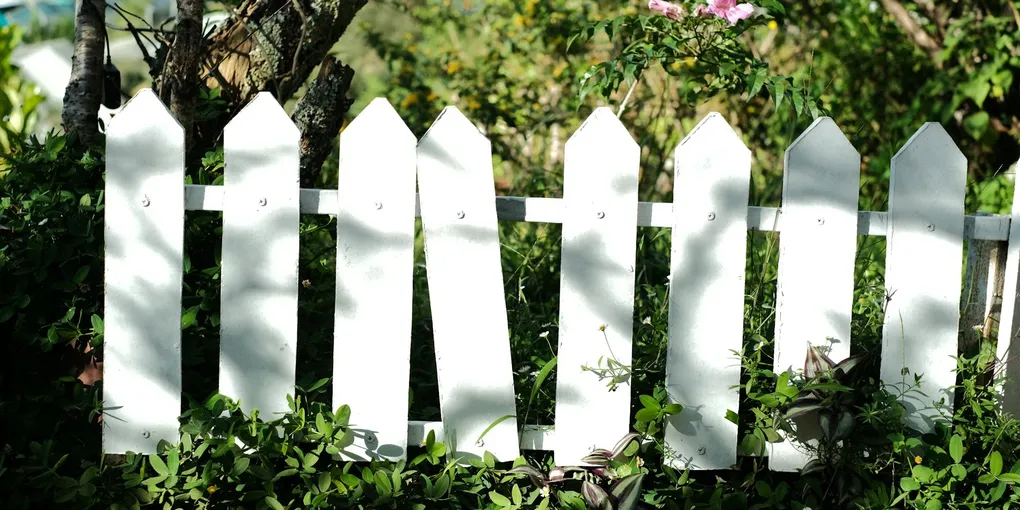
Replacing a broken fence picket: (1) Remove the damaged picket: use a pry bar to pop off nails, or unscrew screws. For a picket nailed from behind through the rail, use a reciprocating saw to cut the nails at the back. (2) Check the rails for rot while you have the picket off — if the rail is soft or crumbling, fix it before adding new pickets. (3) Buy a matching replacement picket (same width, thickness, and profile). Cut to the same height as adjacent pickets using a circular saw or miter saw. (4) Pre-drill through the top and bottom of the picket to prevent splitting. (5) Secure with two screws or ring-shank nails into each rail. Galvanized or stainless fasteners resist rust staining on cedar and PT wood. (6) If the fence is stained or painted: apply a stain-blocking primer to the cut ends and faces of the new picket before installing; then touch up with matching stain after installation.
Frequently Asked Questions
Can I replace just one fence picket or do I need to replace the whole section?
You can replace individual pickets without touching the rails or posts. As long as the rails are solid, a single picket swap is straightforward.
What type of wood should I use to replace a fence picket?
Pressure-treated pine is the most durable and rot-resistant option for ground-adjacent pickets. Cedar and redwood are naturally rot-resistant and take stain well.
How do I match the picket style on my existing fence?
Bring a photo or the old picket to the lumber yard. Common profiles include dog-ear (clipped top corners), flat top, and pointed Gothic. Most home centers stock all three.
What screws should I use for fence pickets?
Use exterior-rated or deck screws at least 1.5 inches long. Stainless steel or hot-dipped galvanized screws resist rust and will not stain the wood.
How do I keep the new picket at the right height?
Set a scrap board on the ground below the bottom rail as a spacer to hold the picket at a consistent height while you drive the screws.
Should I seal or paint the new picket before installing it?
Yes. Applying a coat of exterior wood sealer or primer to all four sides and the cut ends before installation dramatically extends the life of the picket.
Replacing a broken fence picket: (1) Remove the damaged picket: use a pry bar to pop off nails, or unscrew screws. For a picket nailed from behind through the rail, use a reciprocating saw to cut the nails at the back.
A single broken fence picket stands out immediately — it makes the whole fence look neglected and can invite pests through the gap. The fix is simpler than most homeowners expect. You do not need to dismantle any posts or rails. With a pry bar, a drill, and a matching replacement picket, you can have the fence looking solid again in under an hour.
What You Will Need
- Replacement fence picket (matching profile and width)
- Drill or impact driver
- Exterior screws (1-5/8 inch or 2 inch, coated or stainless)
- Pry bar or cat’s paw nail puller
- Hammer
- Tape measure
- Pencil
- Exterior wood sealer, stain, or paint
- Paintbrush
- Sandpaper (80 and 120 grit)
- Safety glasses
Head to your local home center for a matching picket. For longevity, pressure-treated fence pickets resist rot and insect damage better than untreated lumber. Pick up a box of exterior coated deck screws if you do not have them on hand.
Step 1: Remove the Damaged Picket
Examine how the old picket is fastened. Most wood fences use nails; newer installations often use screws. For nails, work a cat’s paw behind the picket at each nail location and lever forward gently. Apply steady, controlled pressure rather than sharp blows to avoid splitting the adjacent pickets.
If the picket is screwed, use a drill with a screw tip to back them out. If screws are stripped, angle the pry bar over the screw head and lever. Once the fasteners are free, pull the picket away from the rails and set it aside.
Step 2: Inspect the Rails
With the old picket removed, look at the two horizontal rails it was attached to. Check for soft spots, cracks, or rot by pressing firmly with your thumb. If a rail is solid, proceed. If it feels spongy or crumbles, that rail needs attention before you install the new picket — a rotted rail will not hold fasteners.
Use a stiff brush to knock away any debris, cobwebs, or loose wood from the rail faces where the new picket will contact them.
Step 3: Cut and Prepare the Replacement Picket
Measure the height of the neighboring pickets from the ground to their tops. Transfer that measurement to your replacement picket and cut to length if needed using a circular saw or handsaw. Sand any rough cut ends with 80-grit sandpaper, then finish with 120-grit.
Apply a coat of exterior wood sealer or primer to all four sides and especially the freshly cut ends. End-grain soaks up moisture fastest and is where rot starts. Let the sealer dry according to the product label before installation.
Step 4: Position and Fasten the New Picket
Set a scrap piece of 2x4 or a brick flat on the ground directly below where the picket will sit. Rest the new picket on top of this spacer — it keeps the picket at a uniform height above the ground and holds it in place while you work hands-free.
Align the picket so the gap on each side matches the gaps between the neighboring pickets. Drive two screws through the face of the picket into the top rail, then two more into the bottom rail. Pre-drill pilot holes first if using hardwood or pressure-treated lumber to prevent splitting.
Remove the ground spacer.
Step 5: Finish to Match
If your fence is painted or stained, apply a matching finish to the new picket now. Feather the paint or stain slightly onto the adjacent pickets and the rail faces for a seamless look. An exterior wood stain and sealer combo is the most efficient one-step finish for bare wood fences.
Tips for Long-Lasting Fence Pickets
Keep the bottom of pickets at least 2 inches above soil level to prevent wicking moisture. Trim back any plants or grass that press against the fence. Reapply a UV-blocking exterior sealer every 2 to 3 years to the entire fence to maintain color and repel water.
Catching and replacing a single broken picket early prevents the damage from spreading to the rails — and keeps the repair a quick DIY job rather than a full fence overhaul.
- Remove the Damaged Picket
Examine how the old picket is fastened. Most wood fences use nails; newer installations often use screws. For nails, work a cat's paw behind the picket at each nail location and lever forward gently.
- Inspect the Rails
With the old picket removed, look at the two horizontal rails it was attached to. Check for soft spots, cracks, or rot by pressing firmly with your thumb. If a rail is solid, proceed.
- Cut and Prepare the Replacement Picket
Measure the height of the neighboring pickets from the ground to their tops. Transfer that measurement to your replacement picket and cut to length if needed using a circular saw or handsaw.
- Position and Fasten the New Picket
Set a scrap piece of 2x4 or a brick flat on the ground directly below where the picket will sit. Rest the new picket on top of this spacer — it keeps the picket at a uniform height above the ground and holds it in place while you work hands-free.
- Finish to Match
If your fence is painted or stained, apply a matching finish to the new picket now. Feather the paint or stain slightly onto the adjacent pickets and the rail faces for a seamless look.
Free: 10-Point Home Maintenance Checklist
Prevent costly repairs with this seasonal checklist. Save hundreds every year by catching problems early.
Your checklist is ready!
Open Checklist →Something went wrong. View the checklist here.