How to Fix a Cracked Brick Wall
Learn how to identify crack types, repoint damaged mortar joints, and repair cracked bricks in interior and exterior walls with professional results.
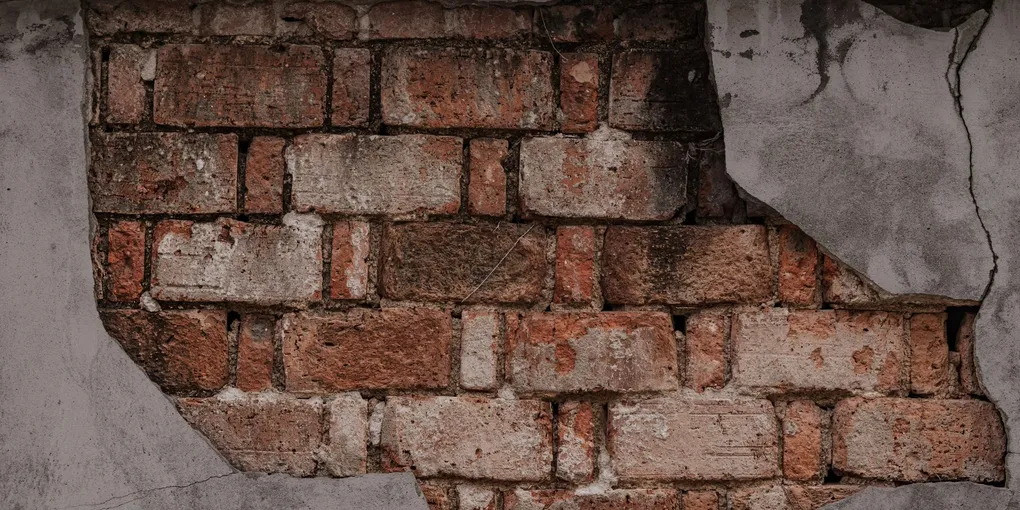
A cracked brick wall is not something to ignore, but it is also not an automatic reason to panic. Most brick wall cracks are cosmetic or the result of normal settling, and they are very fixable with basic masonry tools and the right technique.
A cracked brick wall is not something to ignore, but it is also not an automatic reason to panic. Most brick wall cracks are cosmetic or the result of normal settling, and they are very fixable with basic masonry tools and the right technique. This guide teaches you how to assess the damage, remove failing mortar, and repoint or replace bricks like a pro.
Tools and Materials You Will Need
- Cold chisel and brick chisel
- Angle grinder with masonry cutting wheel (optional but faster)
- Wire brush and stiff nylon brush
- Pointing trowel and margin trowel
- Mortar mix (Type N for interior, Type S for exterior)
- Masonry caulk or epoxy (for hairline cracks)
- Bucket and water
- Safety glasses and work gloves
- Spray bottle
- Concrete bonding adhesive (for deep repairs)
A quality angle grinder with a diamond masonry blade makes mortar removal far easier and more precise than a chisel alone. The DEWALT 4.5-Inch Angle Grinder paired with a masonry cutting wheel is worth renting or buying if you have more than a few linear feet to repoint.
Step 1: Assess the Crack Pattern
Before reaching for tools, study the crack carefully. Crack patterns tell you a lot about the cause.
- Hairline cracks in mortar joints only — normal settling, easily repaired by repointing
- Stair-step cracks following mortar joints diagonally — possible differential foundation settlement; monitor for growth before repairing
- Horizontal cracks running across bricks — can indicate wall thrust or bowing; consult a structural engineer
- Cracks that widen more than one-quarter inch or are actively growing — mark the ends with pencil and date them; if they grow, get a structural inspection
For stair-step or horizontal cracks, mark the ends with a pencil and date them. If the crack extends over the next few weeks, get a professional assessment before doing cosmetic repairs.
Step 2: Remove Damaged Mortar
Use a cold chisel and hammer or an angle grinder with a masonry wheel to remove deteriorated mortar to a depth of at least three-quarters of an inch. Work carefully to avoid chipping the face of the bricks.
Hold the chisel at an angle and tap firmly but not aggressively. The goal is to remove crumbly, hollow, or cracked mortar while leaving sound mortar in place.
After mechanical removal, use a stiff wire brush to clean out dust and loose particles from the joint. Then blow out the joint with compressed air or vacuum it clean.
Step 3: Wet the Repair Area
Dry brick and old mortar will pull moisture out of fresh mortar too quickly, causing it to cure weak and crack again. Use a spray bottle or damp brush to wet the cleaned joint area thoroughly. The bricks should be damp but not dripping wet when you apply new mortar.
Step 4: Mix and Apply Mortar
Mix your mortar according to package directions — it should have the consistency of peanut butter, holding its shape without slumping. For exterior work, use Type S mortar. For interior decorative brick, Type N is appropriate.
Load mortar onto the back of a pointing trowel and press it firmly into the cleaned joint. Work in small sections of two to three feet at a time. Pack the mortar in layers if the joint is deep, allowing each layer to stiffen slightly (about 30 minutes) before adding the next.
The Marshalltown Pointing Trowel is the go-to tool for clean, professional mortar work — the angled blade lets you pack joints without smearing the brick faces.
Step 5: Tool the Joint
Once the mortar has stiffened to the point where a thumb impression holds its shape without sticking, use a jointing tool or the edge of the trowel to compress and shape the joint to match the original profile.
Common joint profiles include:
- Concave (most common, excellent for weather resistance)
- Flush (flat to the face of the brick)
- Weathered (angled to shed water)
Match the existing joint profile on surrounding undamaged sections of the wall for a consistent appearance.
Step 6: Clean the Brick Faces
Before the mortar fully hardens, use a damp sponge or stiff brush to remove any mortar smeared on the brick faces. This is much easier now than after full cure. Change rinse water frequently so you are not just spreading mortar residue around.
For stubborn mortar stains on brick faces, a diluted muriatic acid solution (one part acid to ten parts water) can be applied after curing is complete — wear gloves and eye protection and rinse thoroughly.
Step 7: Cure the Repair Properly
Mist the repaired section lightly with water twice a day for the first three days. This slow curing produces stronger, more crack-resistant mortar. Avoid painting or sealing the repair for at least 28 days to allow full carbonation of the mortar.
Repairing a Cracked Brick Face
If the brick itself has a visible crack but is otherwise sound, fill it with a color-matched masonry caulk or two-part epoxy. For deeply spalled or broken bricks, the best fix is replacement.
To replace a brick, chisel out the surrounding mortar on all sides, work the damaged brick free, clean the cavity, apply fresh mortar to the base and sides, set the new brick, and repoint the joints.
Sealing After Repair
For exterior walls, apply a breathable masonry sealer after the mortar has fully cured to protect against water infiltration. Avoid non-breathable sealers — they trap moisture inside the wall and cause accelerated damage.
A penetrating masonry sealer soaks into the pores and repels water without changing the appearance of the brick — the right product for most residential exterior applications.
Done right, a repointed brick wall can last another 25 to 30 years before needing attention again. Take your time with mortar removal and joint tooling, and the repair will be virtually invisible.
Related Reading
- Masonry Repair Cost — tuckpointing prices, mortar type selection, and contractor hiring guide
- How to Tuckpoint Brick — step-by-step mortar joint repair
- Chimney Repair Cost — costs when masonry issues extend to the chimney
- Assess the Crack Pattern
Before reaching for tools, study the crack carefully. Crack patterns tell you a lot about the cause.
- Remove Damaged Mortar
Use a cold chisel and hammer or an angle grinder with a masonry wheel to remove deteriorated mortar to a depth of at least three-quarters of an inch. Work carefully to avoid chipping the face of the bricks.
- Wet the Repair Area
Dry brick and old mortar will pull moisture out of fresh mortar too quickly, causing it to cure weak and crack again. Use a spray bottle or damp brush to wet the cleaned joint area thoroughly.
- Mix and Apply Mortar
Mix your mortar according to package directions — it should have the consistency of peanut butter, holding its shape without slumping. For exterior work, use Type S mortar. For interior decorative brick, Type N is appropriate.
- Tool the Joint
Once the mortar has stiffened to the point where a thumb impression holds its shape without sticking, use a jointing tool or the edge of the trowel to compress and shape the joint to match the original profile.
- Clean the Brick Faces
Before the mortar fully hardens, use a damp sponge or stiff brush to remove any mortar smeared on the brick faces. This is much easier now than after full cure. Change rinse water frequently so you are not just spreading mortar residue around.
Free: 10-Point Home Maintenance Checklist
Prevent costly repairs with this seasonal checklist. Save hundreds every year by catching problems early.
Your checklist is ready!
Open Checklist →Something went wrong. View the checklist here.