Chimney Repair Cost 2026: $200–$10,000 by Damage Type
Chimney repair costs $200–$700 for tuckpointing, $300–$1,500 for crown repair, $2,500–$7,000 for liner replacement, and $4,000–$10,000+ for major structural work. Pricing by damage type.
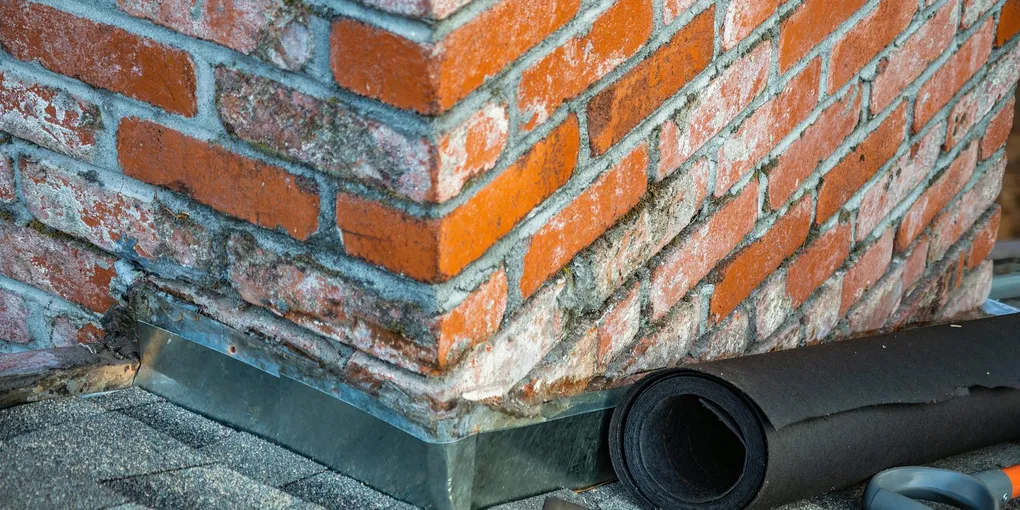
Chimney repair costs $200–$1,500 for minor repairs (tuckpointing, crown patching, flashing) and $1,500–$10,000+ for major work (liner replacement, firebox rebuild, partial or full chimney rebuild). A chimney inspection costs $150–$300 and should precede any repair quote. Chimney repairs are safety-critical — a damaged chimney liner, flashing, or crown can cause house fires or carbon monoxide infiltration.
Frequently Asked Questions
How much does chimney repair cost?
Chimney repair costs by type: tuckpointing (mortar joint repair) $500–$2,500 depending on extent; chimney crown repair or replacement $300–$1,500; flashing repair $200–$500; chimney liner repair $1,000–$5,000; firebox rebuild $2,000–$8,000; partial chimney rebuild $3,000–$10,000; full chimney rebuild $10,000–$30,000+. A CSIA-certified chimney sweep inspection ($150–$300) identifies which repairs are needed and is required before major repair quotes are reliable.
What is tuckpointing and why is it needed?
Tuckpointing is the repair of deteriorating mortar joints between brick or stone. Mortar is softer than brick and weathers faster — it typically needs repair every 25–50 years. Deteriorated mortar allows water infiltration that accelerates brick spalling, interior leaks, and structural failure. Tuckpointing replaces only the outer layer of the joint (not the full depth) at $8–$25/linear foot. Full repointing (removing and replacing the entire joint depth) costs more but is needed when mortar has crumbled through. Tuckpointing is the most common chimney masonry repair.
What is a chimney crown and why does it crack?
The chimney crown is the concrete or mortar cap that covers the top of the chimney masonry (around the flue). It sheds water away from the brick and mortar below. Crown cracking is caused by freeze-thaw cycling (water enters cracks, freezes, expands, widening the crack). A cracked crown allows water into the chimney masonry — the most common source of chimney water damage. Crown repair (patching cracks with elastomeric sealant) costs $200–$500. Crown replacement costs $500–$1,500. CrownCoat and ChimneySaver Crown Coat are the most commonly used professional repair products.
How much does chimney flashing repair cost?
Chimney flashing repair costs $200–$500. The flashing is the metal seal between the chimney and roof that prevents water infiltration at that joint. Flashing fails from corrosion (especially galvanized steel in areas with acidic rain), improper installation (not properly bedded in mortar), and wind uplift. A leaking chimney flashing is often misdiagnosed as a roof leak. Re-flashing with step flashing and counter flashing (lead or copper) costs $500–$1,500. Using caulk only as a flashing repair is a short-term fix — properly installed step flashing lasts 30–50 years.
Do I need a chimney liner and what does it cost to replace?
Yes — building codes require chimney liners for all wood-burning and gas appliances. The liner protects the masonry from heat and combustion gases, contains sparks, and routes exhaust up and out. Liner types: clay tile (original in most homes, lasts 50+ years if undamaged), cast-in-place (poured liner, good for damaged flues), and stainless steel flexible liner (most common repair option). Stainless liner installation costs $1,500–$4,000 for a standard single-story fireplace. A cracked or failed liner is a fire hazard and should be repaired before using the fireplace.
What causes chimney leaks?
Five sources account for most chimney leaks: (1) Cracked crown — water enters at the top and runs down masonry; (2) Failed flashing — water enters at the roof-chimney joint; (3) Deteriorated mortar — water seeps through porous or cracked mortar joints; (4) Damaged cap — the metal cap over the flue opening is missing or damaged, allowing rain in; (5) Spalling brick — face of brick has delaminated, exposing porous substrate. Most chimney water damage appears as staining or efflorescence (white mineral deposits) on the interior wall near the chimney. A Level 2 chimney inspection (video scan) identifies leak source accurately.
Chimney repair costs $200–$1,500 for minor repairs (tuckpointing, crown patching, flashing) and $1,500–$10,000+ for major work (liner replacement, firebox rebuild, partial or full chimney rebuild). A chimney inspection costs $150–$300 and should precede any repair quote.
Chimney repairs are safety-critical and require accurate diagnosis — a $200 crown seal applied to a chimney with a failed liner is money wasted on the wrong problem. Start with an inspection, then prioritize repairs by fire and water risk.
Chimney Repair Cost by Type
| Repair | Cost Range |
|---|---|
| Chimney inspection (Level 1) | $150–$250 |
| Chimney inspection (Level 2, video) | $250–$500 |
| Chimney cleaning (sweep) | $100–$250 |
| Chimney cap replacement | $150–$400 |
| Crown repair (crack sealing) | $200–$500 |
| Crown replacement | $500–$1,500 |
| Flashing repair (re-caulk) | $100–$300 |
| Flashing replacement (step + counter) | $500–$1,500 |
| Tuckpointing (per linear foot) | $8–$25/LF |
| Tuckpointing (full chimney) | $500–$3,000 |
| Spalling brick replacement | $300–$1,500 |
| Chimney liner (stainless flex) | $1,500–$4,000 |
| Firebox rebuild | $2,000–$8,000 |
| Partial chimney rebuild | $3,000–$10,000 |
| Full chimney demolition and rebuild | $10,000–$30,000+ |
The Chimney Anatomy: What Can Fail
| Component | Function | Common Failure | Risk Level |
|---|---|---|---|
| Cap | Covers flue opening | Missing, rust, damage | High (water/animals enter flue) |
| Crown | Seals top of masonry | Cracking from freeze-thaw | Medium-high (water infiltration) |
| Flashing | Roof-chimney joint seal | Corrosion, separation | High (roof leak) |
| Liner | Flue lining | Cracks, spalling | Safety-critical (fire, CO) |
| Mortar joints | Hold masonry together | Weathering, freeze-thaw | Medium (water infiltration) |
| Firebox | Interior combustion chamber | Cracking, spalling | Safety-critical |
| Damper | Controls draft | Rust, mechanical failure | Medium (efficiency, animal entry) |
Chimney Water Damage: The Cascade Effect
Water infiltration is the root cause of most expensive chimney repairs:
- Crown cracks → water enters masonry
- Water freezes in mortar joints → mortar spalls
- Spalled mortar exposes brick → brick absorbs water → brick face spalls
- Water reaches firebox → refractory mortar fails
- Water reaches liner → clay tile cracks
Each stage is more expensive than the last. A $300 crown repair prevents a $3,000 tuckpointing + brick repair job down the road.
Regional Cost Variations
Chimney repair costs track masonry and roofing labor rates. Brick supply costs also vary regionally:
| Region | Tuckpointing (Full Chimney) | Liner Replacement | Crown Replacement |
|---|---|---|---|
| Northeast (NY, MA, NJ) | $800–$4,000 | $2,500–$5,500 | $700–$2,000 |
| Mid-Atlantic (DC, MD, VA) | $700–$3,500 | $2,200–$5,000 | $600–$1,800 |
| Southeast (FL, GA) | $500–$2,500 | $1,500–$3,500 | $400–$1,200 |
| Midwest | $500–$2,800 | $1,600–$3,800 | $450–$1,400 |
| Pacific (CA, WA, OR) | $700–$3,500 | $2,200–$5,000 | $650–$1,800 |
Homes in cold-climate states (New England, upper Midwest) typically see more chimney damage from freeze-thaw cycling — more frequent repairs, but also more local contractors experienced with chimney work.
CSIA-Certified vs. General Contractor: Which to Use?
| Task | CSIA Chimney Sweep | General Mason | Notes |
|---|---|---|---|
| Inspection and cleaning | Best choice | Not qualified | Sweeps have flue cameras; masons do not |
| Tuckpointing | Acceptable | Often better value | Masons specialize in mortar work |
| Crown repair or replacement | Acceptable | Similar quality | Get quotes from both |
| Liner replacement (stainless flex) | Best choice | May not offer | Liner installation is sweep specialty |
| Firebox rebuild | Sweep companies offer | Masonry contractor | Get comparative quotes |
| Full chimney rebuild | May subcontract | Primary choice | Major structural masonry = masonry contractor |
The right sequence: have a CSIA sweep do the inspection, then get quotes for repair work from both sweep companies and local masonry contractors. For structural work (tuckpointing, rebuilds), masonry contractors often deliver better results at lower cost. For liner work and cleaning, chimney sweep companies are the specialists.
Chimney Repair vs. Chimney Replacement Decision Guide
| Condition | Repair or Replace? | Typical Cost |
|---|---|---|
| Mortar joint deterioration, brick intact | Repair — tuckpointing | $500–$3,000 |
| Cracked crown, liner intact | Repair — crown replacement | $500–$1,500 |
| Failed liner, masonry sound | Repair — liner replacement | $1,500–$4,000 |
| Leaning or tilting chimney | Structural evaluation needed | $3,000–$15,000+ |
| Extensive spalling, multiple courses | Partial rebuild | $3,000–$10,000 |
| Foundation failure or full structural failure | Full rebuild | $10,000–$30,000+ |
| Chimney not used, failing | Consider capping vs. rebuilding | $500–$2,000 to cap |
Decommissioning an unused chimney: if the fireplace isn’t used, capping the flue top ($150–$400) and applying water repellent prevents further deterioration at minimal cost. Full removal costs $2,000–$8,000 and requires roof patching.
Questions to Ask a Chimney Repair Contractor
- Are you CSIA-certified? — for inspections and sweep work, CSIA certification ensures standardized training and ethics requirements
- Can I see the video inspection footage? — for liner assessments, any claim of damage should be supported by video evidence you can view
- What mortar type are you using for tuckpointing? — should match the original mortar hardness (Type S or N for most residential chimneys — Type M is too hard for old brick)
- What warranty do you provide on the work? — crown repair should carry 3–5 years; liner installation should carry a manufacturer warranty on the liner itself (often lifetime)
- Do you apply water repellent after masonry work? — silane-siloxane water repellent after tuckpointing is standard practice; if the contractor doesn’t mention it, ask why
DIY supplies (if you tackle it yourself)
- Chimney cap replacement
- Chimney crown sealant
- Masonry waterproofer (Thoroseal)
- Fireplace mortar repair (Rutland)
Related Reading
- Chimney Sweep Cost
- How to Fix a Cracked Chimney Crown
- How to Fix a Cracked Brick Chimney
- How to Fix Chimney Flashing
- Roof Repair Cost
- Water Damage Restoration Cost
- Annual Home Maintenance Schedule
- Get a chimney inspection before authorizing any repair work
A CSIA-certified (Chimney Safety Institute of America) chimney sweep inspection identifies all issues before work begins. Level 1 inspection ($150–$250): visual inspection of accessible areas, suitable for annual maintenance. Level 2 inspection ($250–$500): video scan of the entire flue system, required before buying a home with a fireplace and after any chimney fire or significant storm event. Never authorize major repairs ($1,000+) without a Level 2 inspection — interior flue damage is invisible from outside and changes the repair scope entirely. Many chimney companies offer inspection → quote in a single visit.
- Prioritize repairs by safety impact, not visual appearance
Not all chimney damage is equally urgent. Safety-critical (address before any fireplace use): cracked or failed liner, significant firebox deterioration, missing or open cap, flashing failure with active water infiltration. Important (repair within 1–2 seasons): cracked crown, mortar joint deterioration beyond surface weathering, spalling brick. Cosmetic (repair when budget allows): efflorescence staining on exterior, minor surface tuck-pointing on well-maintained chimney. Deferring safety-critical repairs to save money is the wrong trade — a chimney fire or carbon monoxide event costs far more than the repair.
- Understand the difference between a chimney sweep and a chimney mason
Chimney sweeps clean the flue and do basic inspections. Chimney masons (or masonry contractors) do structural repairs: tuckpointing, crown work, firebox rebuilding. Many companies do both, but the specializations are different. For a liner replacement: a chimney sweep company typically handles stainless flexible liners (their core product). For tuckpointing and brick work: a masonry contractor is often better qualified and priced. Get quotes from both categories for any job over $500 — the same work can vary $500–$2,000 in price between a chimney-specific company and a general masonry contractor.
- Apply chimney water repellent after any masonry repair
Masonry is porous — brick and mortar absorb water, which accelerates deterioration. After any tuckpointing, crown repair, or masonry cleaning, apply a silane-siloxane masonry water repellent (ChimneySaver Water Repellent, $50–$150 for a gallon covering 200–400 sq ft). This penetrates the masonry and blocks water absorption while allowing vapor to escape (vapor-permeable, unlike surface sealers that trap moisture). Properly applied water repellent extends the life of repaired mortar 15–20 years. Most chimney sweep companies offer this as an add-on service ($100–$300) — it's worth it after any masonry investment.
- Schedule chimney inspection and cleaning annually — before heating season
Annual chimney inspection and cleaning prevents small issues from becoming major repairs. Creosote accumulation in wood-burning flues is a fire risk — a Level 1 inspection and cleaning ($150–$300) removes creosote and identifies developing issues at the cosmetic/inexpensive stage. Schedule in late summer or early fall before heating season — sweep companies are fully booked in October and November. Gas fireplace users still need annual inspection for liner cracks and blockages (birds nest in flues). The National Fire Protection Association (NFPA 211) recommends annual inspection for all fireplaces.
Free: 10-Point Home Maintenance Checklist
Prevent costly repairs with this seasonal checklist. Save hundreds every year by catching problems early.
Your checklist is ready!
Open Checklist →Something went wrong. View the checklist here.