How to Fix Chimney Flashing: Sealing Leaks at the Roof-Chimney Junction (2026)
Chimney flashing is the most common source of roof leaks. Failed sealant and lifted step flashing allow water to enter at the chimney-roof junction. This guide covers inspecting chimney flashing, resealing with roofing caulk, and knowing when flashing needs full replacement.
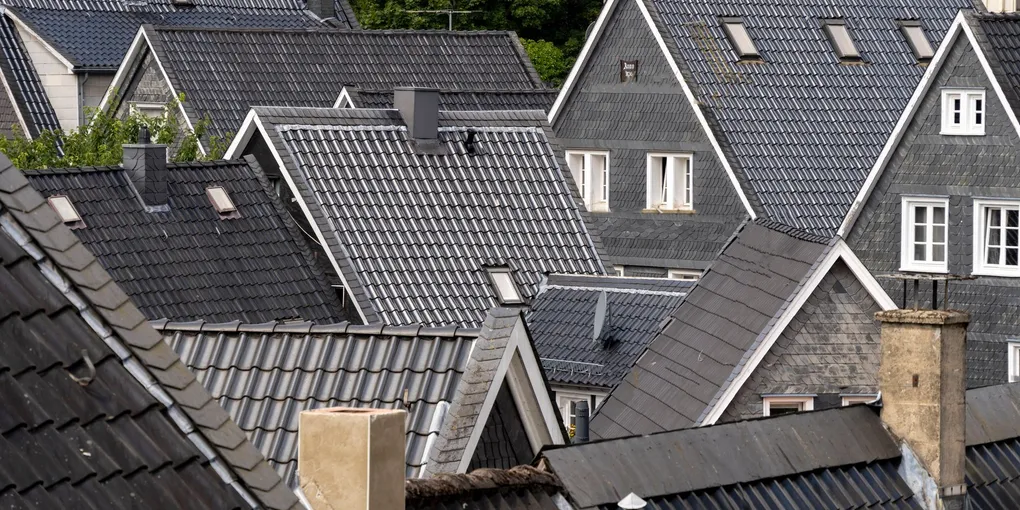
Chimney flashing leak: (1) Inspect from the roof — look for lifted, bent, or corroded flashing at the chimney base on all four sides. (2) Look for gaps in the counter flashing (the flashing embedded in the mortar joint) and step flashing (the pieces tucked under each shingle course). (3) Reseal: apply roofing caulk (GEOCEL Pro Flex, Lexel, or Loctite PL Roofing) to any gap between the flashing and the chimney masonry. Force caulk into cracks in the mortar at the base of the counter flashing. (4) Pulled-out or severely corroded flashing: the flashing must be replaced — not just resealed.
Frequently Asked Questions
What are the different parts of chimney flashing and which leaks most often?
Chimney flashing has four components: (1) Base flashing (or apron flashing) — at the low side of the chimney where the roof meets the chimney base. A continuous piece of metal bent at 90 degrees. (2) Step flashing — pieces of metal woven between each course of shingles along the two sides of the chimney. Each step piece overlaps the one below and is tucked under the shingle above. (3) Counter flashing (cap flashing) — metal strips embedded in the chimney mortar joints that overlap the step and base flashing, preventing water from getting behind them. (4) Saddle (cricket) — a ridge behind the chimney that diverts water away from the uphill side. Counter flashing is the most common failure point: the mortar joint that holds the counter flashing in place deteriorates, the flashing lifts, and water enters the gap.
How do I seal a chimney flashing leak without replacing the flashing?
Temporary/repair sealing: (1) Clean the joint between the counter flashing and the chimney masonry with a wire brush. Remove all loose mortar and old caulk. (2) Apply roofing sealant (Geocel Pro Flex, Loctite PL Roofing, or Henry 208 Wet Patch) to the joint with a caulk gun or putty knife. Force the sealant into any gaps. Feather the edges up the chimney face and down onto the flashing face. (3) For the mortar joint holding the counter flashing: rake out the deteriorated mortar 3/4 inch deep with a cold chisel, fill with roofing sealant or hydraulic cement. (4) For lifted step flashing: apply roofing sealant under the lifted section and press it back down. Seal the seam. This extends flashing life 3–5 years before full replacement is needed.
How do I know if the chimney flashing needs full replacement vs. sealing?
Replace the flashing when: (1) The step flashing has corroded through (holes or missing sections). (2) The counter flashing has pulled completely out of the mortar and cannot be re-embedded. (3) The base flashing is cracked or has separated from the roof deck along a significant length. (4) Multiple repair attempts have failed. Sealants work well for small gaps and hairline cracks, but they cannot bridge missing flashing or bond to severely corroded metal. Signs that sealant repairs will hold: the flashing is intact and just has gaps at the seams or at the mortar joint. Signs that replacement is needed: visible holes, missing sections, or flashing that has been bent and straightened multiple times.
There is a stain on my ceiling below the chimney. Is it definitely the flashing?
Ceiling stains near a chimney have several possible sources: (1) Chimney flashing — the most common. Water enters at the roof-chimney junction and runs down the chimney exterior to the attic framing and through the ceiling. (2) Chimney cap — a cracked or missing chimney cap allows rain to fall directly into the flue, which can overflow and leak at the roof penetration. (3) Mortar joints — deteriorated mortar between the chimney bricks allows water absorption. In freeze-thaw climates, this spalling can open paths for water to enter. (4) Condensation from a poorly lined flue. Diagnosis: inspect the chimney cap first (easiest), then the flashing, then hire a chimney inspector to evaluate the masonry and liner.
Can I use roofing tar or roof cement to seal chimney flashing?
Roofing tar (Henry 208, Karnak 19) can be used to seal flashing gaps and is a traditional method. It works, but has limitations: (1) It is messy and difficult to apply neatly. (2) It becomes brittle in cold climates and can crack. (3) It is difficult to remove cleanly if a proper repair is needed later. Better alternatives: modern flexible roofing sealants (Geocel Pro Flex, Loctite PL Roofing, Lexel) remain flexible over a wider temperature range, bond to both metal and masonry, and are paintable after cure. For a professional-looking repair: use flexible roofing sealant in a caulk gun. For an emergency repair in the rain: wet-surface roofing mastic can be applied to wet surfaces where other sealants won't bond.
Chimney flashing leak: (1) Inspect from the roof — look for lifted, bent, or corroded flashing at the chimney base on all four sides. (2) Look for gaps in the counter flashing (the flashing embedded in the mortar joint) and step flashing (the pieces tucked under each shingle course).
Inspect from the roof after a rain — the water stain inside will be downhill or downwind from the actual entry point.
What you need
- Flexible roofing sealant (Geocel Pro Flex or Lexel)
- Caulk gun
- Wire brush
- Cold chisel and hammer (for mortar joint preparation)
- Putty knife
- Roofing gloves and non-slip footwear
Step 1: Inspect all four sides
Walk around the chimney on the roof and inspect the flashing at the base, both sides, and the back. Look for lifted flashing, gaps in the counter flashing, deteriorated mortar, or corrosion holes.
Step 2: Clean the flashing joints
Use a wire brush to remove all loose mortar, caulk, and rust from the joint between the flashing and the chimney masonry. Remove 3/4 inch of deteriorated mortar from the joint if the mortar is crumbling.
Step 3: Apply roofing sealant
Force flexible roofing sealant into all gaps between the counter flashing and the masonry. Tool with a putty knife to ensure full contact. Seal both the flashing face and the masonry face of the joint. Apply to any lifted step flashing sections.
Step 4: Re-point the mortar joint (if mortar failed)
If the counter flashing was held in a mortar joint that has failed: pack the cleaned joint with fresh mortar (Type N) or hydraulic cement, pressing the counter flashing back into the joint. Let cure 48 hours before exposure to rain.
Related guides
- How to Patch a Roof — related roof leak repairs
- How to Tuckpoint Brick — chimney mortar joint repair
- How to Fix Water Damage on Ceiling — repairing the ceiling stain after fixing the flashing
- Inspect the flashing from the roof
Safely access the roof when it is dry. Examine the chimney flashing: the base flashing (flat pieces that run along the bottom and sides of the chimney at the roof surface), the step flashing (L-shaped pieces that interleave with the shingles up each side of the chimney), and the counter-flashing (the metal embedded in the chimney mortar joints that overlaps the step flashing). Look for: lifted or separated counter-flashing, missing or cracked sealant in the mortar joints, step flashing that has pulled away from the shingles, and any gaps at the uphill saddle or cricket behind the chimney.
- Test with a garden hose to confirm the entry point
Have a helper watch the ceiling inside while you spray water methodically at the chimney. Start at the bottom and work up: base first, then sides, then the uphill (head) side. Spray each area for 2 minutes before moving up. The ceiling location where water appears indoors is usually below the actual entry point — water can travel along rafters before dripping. Confirm which flashing zone is leaking before applying sealant.
- Reseal the flashing joints
Remove all old sealant from the joints using a utility knife and plastic scraper. Clean the surfaces with a rag and mineral spirits. Apply a continuous bead of roofing sealant (use butyl-based or polyurethane — not silicone, which doesn't adhere reliably to metal flashing). Work the sealant into the joint between the counter-flashing and the step flashing, and along the top edge where counter-flashing meets the mortar joint. Also seal the joints where base flashing meets the chimney face. Smooth with a wet finger.
- Repoint deteriorated mortar joints
If the counter-flashing is embedded in mortar joints that have crumbled (common on older brick chimneys): rake out the loose mortar 3/4 inch deep with a cold chisel and wire brush. Mix type S mortar and press it into the joint with a pointing trowel, packing firmly. Tool the surface with a jointing tool to match the existing profile. Let cure 24–48 hours before applying sealant. Tuck-pointing the mortar joint also re-embeds the counter-flashing so it sheds water properly.
- Assess whether full flashing replacement is needed
Sealant repairs last 5–10 years. Full flashing replacement is needed when: the flashing metal is corroded through or torn, the step flashing was not properly interwoven with the shingles (a common installation error), or the counter-flashing has separated from the chimney masonry and cannot be re-embedded without masonry work. Full flashing replacement requires removing shingles along the chimney sides, installing new step flashing interwoven with each course, installing new counter-flashing in cut mortar joints, and re-shingling. This work is best done by a roofing contractor but is DIY-feasible for experienced roofers.
Free: 10-Point Home Maintenance Checklist
Prevent costly repairs with this seasonal checklist. Save hundreds every year by catching problems early.
Your checklist is ready!
Open Checklist →Something went wrong. View the checklist here.