How to Fix Water Damage on a Ceiling: Stop the Leak, Repair the Drywall (2026)
Water stain, sagging, or bubbling ceiling? This guide covers finding and fixing the leak source, assessing drywall damage, cutting out the damaged section, and finishing with stain-blocking primer so the stain does not bleed through.
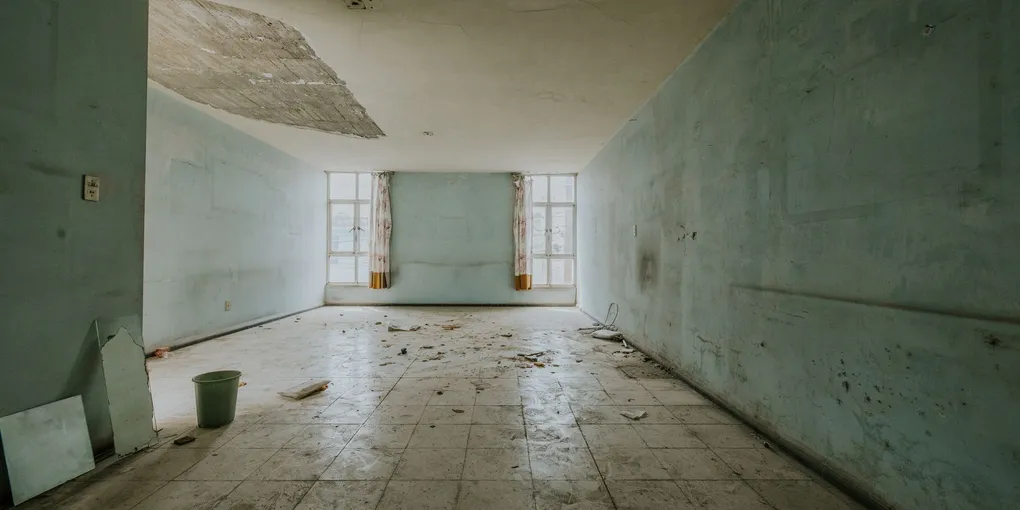
Fix the leak first — always. Repairing a ceiling while the water source is still active is wasted work. For water stains where the drywall is otherwise intact: prime with Zinsser BIN or Bulls Eye 1-2-3, then repaint. For sagging, soft, or crumbling drywall: cut out the damaged section, dry the framing for 48–72 hours, and replace with new drywall. Mold on the back of drywall or on the framing: wear an N95 respirator, clean with undiluted white vinegar or a 1:1 bleach:water spray, and let dry before closing up.
Frequently Asked Questions
How do I find where the water is coming from?
The stain is usually not directly below the leak source — water travels along pipes, joists, and insulation before dripping. For second-floor leaks: check the bathroom directly above (toilet wax ring, supply lines, tub/shower caulk, wax ring). For roof leaks: go into the attic — look for wet insulation, water trails on rafters, or daylight. Wait until rain to trace it actively. For HVAC leaks: check the air handler's condensate drain line — a clogged drain pan overflows onto the ceiling.
Is a water-stained ceiling a sign of mold?
Not necessarily, but if the water damage is more than a few days old, mold may have started on the back of the drywall where you can't see it. Signs of likely mold: musty smell, visible black or green spots on the surface, soft or crumbly drywall texture, or a ceiling that's been wet repeatedly. Any soft or crumbling drywall should be removed regardless — you need to inspect the framing behind it. Do not just prime and paint over a ceiling that smells musty.
Can I paint over a water stain on a ceiling?
Not with regular ceiling paint — the stain bleeds through. You must prime with a stain-blocking primer first. Best options: Zinsser BIN (shellac-based, the most effective) or Zinsser Bulls Eye 1-2-3 (water-based, adequate for light stains). Apply one coat of stain blocker, let dry completely (2 hours minimum), then paint with ceiling paint. Skip the primer and the tan/brown stain will bleed through your paint, often after multiple coats.
How do I know if my ceiling drywall needs to be replaced?
Replace the drywall if: it is soft or crumbles when you press it (water has destroyed the paper facing and gypsum core), it sags or has a visible bubble, there is visible mold on the surface, or it has been wet more than once. A ceiling with only a dry stain (the leak is fixed, the surface is firm) can usually be primed and repainted without replacement.
What size drywall patch should I cut?
Always cut a rectangular patch — square corners are easier to tape and feather than irregular shapes. Cut back to the nearest joist on each side. This gives you solid wood to screw into. If the damage is between joists, cut a rectangle and add wood backing (2x4 scabs screwed between the joists) before installing the patch.
Fix the leak first — always. Repairing a ceiling while the water source is still active is wasted work.
Water-damaged ceilings look terrible and hide worse problems. Here’s how to fix them properly.
Step 1: Find and fix the leak first
Never repair the ceiling before stopping the water source. A new patch over an active leak will fail in weeks.
Common sources by location:
- Directly below a bathroom: wax ring failure (toilet), supply line, tub caulk, shower pan, drain fitting
- Below second-floor living space: HVAC condensate line, supply/drain pipes
- Below the roof: missing shingles, cracked flashing, ice dam, failed valley
- Whole ceiling damp in humid weather: condensation from an uninsulated cold water pipe
Once the source is fixed, let the framing dry completely (48–72 hours minimum) before patching. A moisture meter is helpful if you have one — framing should be below 15% moisture before closing up.
Step 2: Assess the damage
Probe the ceiling with a screwdriver handle. Soft = replace. Firm = may just need priming and repainting.
| Condition | Action |
|---|---|
| Dry stain, firm drywall | Prime + repaint |
| Damp but otherwise firm | Dry completely, then prime + repaint |
| Soft, crumbling, or sagging | Cut out and replace drywall |
| Visible mold on surface | Remove and replace, treat framing |
| Bubbled or blistered | Scrape bubbles, sand, prime + repaint if intact underneath |
Step 3A: Stain only — prime and repaint
If the drywall is firm and dry:
- Sand the stained area lightly with 120-grit to improve adhesion.
- Apply Zinsser BIN shellac primer or Bulls Eye 1-2-3 to the stained area. For large stains, prime the entire ceiling section.
- Let dry completely (2 hours for BIN, 1 hour for Bulls Eye).
- Paint with ceiling paint to match the existing.
Step 3B: Damaged drywall — cut and replace
Cut out the damaged section
Mark a rectangle around the damage that extends to the nearest joist line on each side. Use a drywall saw or oscillating tool to cut on the outside edge of the joist (so the joist face is exposed for screwing).
Remove the damaged section. Check the back of the old drywall — if there is mold on the paper backing, treat the framing before patching.
Treat mold on framing (if present)
Wear N95 respirator and gloves. Spray the framing with undiluted white vinegar or a 1:1 bleach:water solution. Let sit 10 minutes. Wipe clean. Allow to dry fully before patching.
Add backing if needed
If the cut-out doesn’t land on joists on all four sides, cut 2x4 or 1x4 scabs and screw them perpendicular between the joists inside the opening. These give you a solid edge to screw the new drywall into.
Install new drywall
Cut a piece of 1/2-inch drywall to fit the opening. For ceiling work: measure twice, cut once — ceiling patches fall down if they’re too small.
Hold the patch in place and drive drywall screws through it into the joists and backing at 8-inch intervals. Drive until the head dimples slightly below the surface — don’t break the paper face.
Tape and mud the seams
Apply paper drywall tape over each seam with a thin coat of joint compound (mud). Feather the edges. Let dry 24 hours.
Apply a second coat — wider and thinner than the first. Let dry. Sand smooth with 120-grit.
Apply a third skim coat if needed. Sand again.
Prime and paint
Once sanded smooth, apply stain-blocking primer over the entire patch area (the new drywall needs primer to seal the paper). Then paint with ceiling paint to match.
Matching ceiling texture
Most ceilings have some texture. After patching, the smooth patch will stand out:
- Orange peel texture: spray aerosol texture from 12–18 inches, practicing on cardboard first
- Knockdown texture: use a drywall knife to apply and flatten random dollops of thinned joint compound
- Flat ceiling: skip texture
Prime over the new texture before painting.
Related guides
- How to Patch Drywall — same technique for wall repairs
- How to Fix a Leaky Pipe — if the leak was a plumbing issue
- Mold Remediation Cost — when mold extent exceeds DIY
- Water Heater Replacement Cost — if the water heater was the source
- How Much Does Roof Replacement Cost — if the source was a failing roof
- How to Fix Broken Chimney Flashing — stop chimney flashing leaks that cause ceiling water stains
- How to Fix a Peeling Bathroom Ceiling — repair paint that peels from humidity or past water damage
- Find and fix the leak source
Never repair the ceiling while the water source is active — the patch will fail. Trace the leak: for second-floor bathrooms, check the wax ring, supply lines, tub caulk, and drain fittings. For roof leaks: inspect the attic for wet insulation or water trails on rafters. For HVAC leaks: check the condensate drain pan for the air handler. Fix the source completely. Let the framing dry for 48–72 hours minimum before patching — framing should be below 15% moisture content.
- Assess the damage
Press the ceiling with a screwdriver handle. Firm drywall with a dry stain: prime and repaint without replacement. Soft, crumbling, sagging, or visibly molded drywall: cut out and replace. If the ceiling smells musty: remove the drywall regardless of surface appearance — mold may be on the back of the panel where it's not visible.
- Prime and repaint stains on sound drywall
For a stain-only repair where the drywall is intact and dry: sand lightly with 120-grit, then apply Zinsser BIN shellac-based primer or Bulls Eye 1-2-3 to the stained area. Let dry completely (2 hours for BIN). Paint with ceiling paint to match. Do not skip the stain-blocking primer — the brown or tan stain bleeds through regular ceiling paint no matter how many coats are applied.
- Cut out and replace damaged drywall
Mark a rectangle around the damage extending to the nearest joist on each side. Cut with a drywall saw or oscillating tool along the outer edge of each joist. Remove the damaged section. Treat any mold on framing with undiluted white vinegar or a 1:1 bleach-water solution; let dry fully. Add 2x4 backing between joists as needed for sections not landing on joists. Cut 1/2-inch drywall to fit and screw it to joists and backing at 8-inch intervals — dimple the screw heads just below the surface without breaking the paper.
- Tape, finish, and paint the patch
Apply paper drywall tape over each seam with a thin coat of joint compound. Feather the edges and let dry 24 hours. Apply a second wider, thinner coat; let dry, sand with 120-grit. Apply a third skim coat if needed, then sand smooth. Apply stain-blocking primer over the entire patch area before ceiling paint. For textured ceilings: match orange peel texture with aerosol texture spray or knockdown texture with thin joint compound dollops before priming.
Free: 10-Point Home Maintenance Checklist
Prevent costly repairs with this seasonal checklist. Save hundreds every year by catching problems early.
Your checklist is ready!
Open Checklist →Something went wrong. View the checklist here.