Water Heater Replacement Cost 2026: $800–$3,500 Installed
Water heater replacement cost 2026: $800–$1,800 for 40–50 gal tank installed, $1,500–$3,500 for tankless. Rheem vs A.O. Smith prices, heat pump hybrid (30% tax credit), and DIY savings guide.
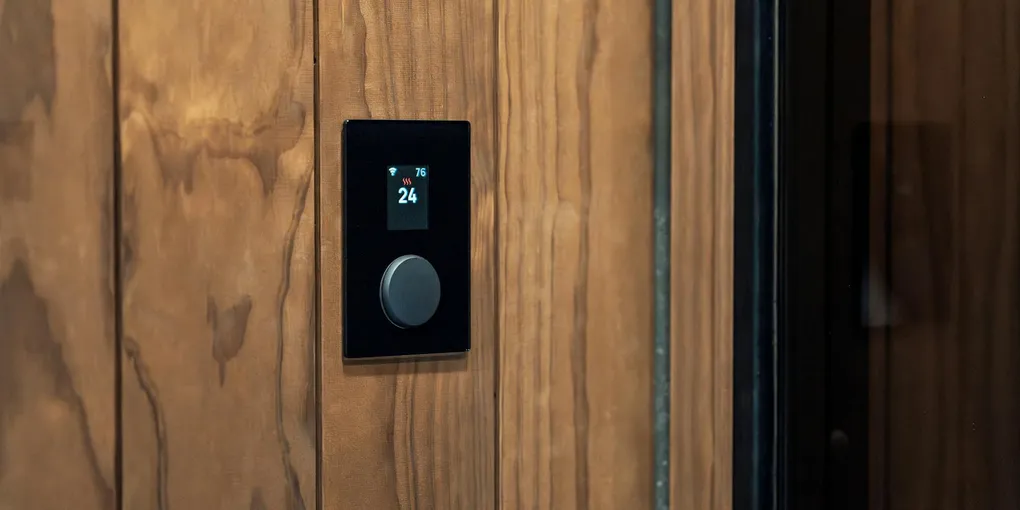
Water heater replacement costs $800-$1,800 for a standard 40-50 gallon tank unit installed by a plumber, or $2,500-$4,500 for a tankless gas unit installed. The heater itself runs $400-$1,500 for tank models and $900-$2,500 for tankless. Labor adds $400-$900 for straight tank-for-tank swaps and $800-$2,500 for conversions (tank-to-tankless) or electrical/gas line upgrades. DIY is possible for electric tank swaps and saves $400-$700, but gas and tankless jobs warrant a licensed pro.
Frequently Asked Questions
How much does a plumber charge to install a water heater?
A plumber typically charges $400-$900 labor for a same-location, like-for-like tank water heater swap. Tankless conversions or relocations run $800-$2,500 because of gas line upsizing, venting changes, and electrical work. Emergency same-day installs add 20-40% to standard pricing.
Is tankless worth the extra cost?
Yes if you stay in the home 10+ years, have natural gas, or have high hot-water demand. Tankless units last 20+ years vs 10-12 for tank units, and they cut water heating costs 25-35%. Upfront cost is $1,500-$2,500 higher, but lifecycle savings usually exceed that.
Can I replace a water heater myself?
Electric tank water heater: yes, if you can safely work with 240V electrical and basic plumbing. Gas tank water heater: possible but risky — incorrect venting causes carbon monoxide leaks. Tankless: no for most DIYers, requires gas line sizing and specialized venting.
What size water heater do I need?
For a tank: 40 gallons for 1-2 people, 50 gallons for 3-4, 75-80 gallons for 5+. For tankless: size by GPM (gallons per minute). A 7-9 GPM tankless runs 2-3 fixtures at once; 10+ GPM handles 4+. Colder climates need higher GPM ratings.
How long does a water heater installation take?
A straight tank-to-tank swap is 2-3 hours. Tank-to-tankless conversion runs 4-8 hours because of venting and gas upgrades. Permits, inspections, and code-required upgrades (expansion tank, sediment trap) can add a day.
Does homeowners insurance cover water heater replacement?
Only if a sudden failure (burst tank, flood) damages the home. Wear-and-tear failure is not covered. After a tank leak, file a claim for the water damage cleanup, not the heater itself. The heater is considered 'expected wear' past 10 years.
What is a heat pump water heater and is it worth it?
A heat pump water heater (also called a hybrid electric water heater) moves heat from the surrounding air into the water rather than generating heat electrically — making it 2–3x more efficient than a standard electric tank. Cost: $1,200–$1,800 for the unit, $2,200–$3,500 installed. Savings: $300–$500/year in electricity vs. a standard electric tank. The federal IRA provides a 30% tax credit up to $2,000. Payback: 4–7 years. Best suited for locations with ambient temperatures above 40°F (a basement, garage, or utility room).
How do I know if my water heater needs replacement or just repair?
Signs that repair is worth considering: minor sediment build-up (flush it), a tripped reset button on an electric unit (replace the upper thermostat, $15–$30), a worn anode rod on a tank that's under 8 years old ($30–$80 DIY). Signs that replacement is better: the tank is over 10 years old, the unit has a persistent pilot light issue on gas models, there is rust-colored water from hot taps, or you see visible corrosion or moisture around the base. A leaking tank cannot be repaired — replace immediately.
Water heater replacement costs $800–$1,800 installed for a standard 40–50 gallon gas or electric tank in 2026. Tankless (on-demand) water heaters run $1,500–$3,500 installed. Heat pump water heaters cost $1,200–$2,500 installed but qualify for a 30% federal tax credit (up to $600). Average lifespan: tank water heaters 8–12 years, tankless 20+ years. Get quotes from 2–3 plumbers — prices vary $300–$500 for the same job.
A water heater replacement is one of the most predictable major home expenses — and one of the most commonly overpriced. This guide breaks down 2026 installed prices by type, brand, and region, so you know what you should actually pay.
Quick Price Summary
| Type | Unit Cost | Installed Total |
|---|---|---|
| Electric tank (40-50 gal) | $400-$900 | $800-$1,600 |
| Gas tank (40-50 gal) | $500-$1,200 | $1,000-$2,000 |
| Heat pump (hybrid electric) | $1,400-$2,500 | $2,500-$4,500 |
| Tankless gas (7-9 GPM) | $1,000-$1,800 | $2,500-$4,500 |
| Tankless gas (10+ GPM) | $1,500-$2,500 | $3,500-$6,000 |
| Tankless electric (point of use) | $300-$800 | $600-$1,500 |
Add $500-$1,500 if you’re converting tank to tankless (gas line upsize, venting changes). Add $200-$600 for permit fees, expansion tank, pan, and code upgrades. Add $200-$500 for haul-away of the old unit.
Cost Breakdown by Type
Electric Tank Water Heater — $800-$1,600 Installed
The baseline option. Reliable, cheap to install, 10-12 year lifespan. Downsides: slow recovery (40-minute reheat after a long shower), higher monthly operating cost than gas.
Typical install: $450-$700 for the tank, $350-$900 labor.
Recommended models:
- Rheem Performance 50 Gallon Electric — $450-$550
- A.O. Smith Signature 50 Gallon Electric — $500-$650
When it’s right: Rentals, starter homes, anyone without gas service. Lowest upfront cost.
Gas Tank Water Heater — $1,000-$2,000 Installed
The most common choice for homes with natural gas. Faster recovery than electric, lower operating cost, similar 10-12 year lifespan.
Typical install: $600-$1,200 for the tank, $400-$800 labor.
Recommended models:
- Rheem Performance 50 Gallon Gas — $650-$800
- Bradford White 50 Gallon Gas — $900-$1,200 (pro-line, better warranty)
When it’s right: Most homes with existing gas service. Best value for families.
Heat Pump (Hybrid Electric) Water Heater — $2,500-$4,500 Installed
Pulls heat from surrounding air, 3-4x more efficient than standard electric. $300-$600/year in operating savings vs. standard electric. Qualifies for a 30% federal tax credit (up to $2,000) in 2026.
Typical install: $1,400-$2,500 for the tank, $800-$1,500 labor (needs condensate drain, more clearance).
Recommended models:
- Rheem ProTerra 50 Gallon Heat Pump — $1,800-$2,200
- A.O. Smith Voltex 50 Gallon Hybrid — $2,100-$2,500
When it’s right: Homes without gas but wanting to cut electric heating costs. Needs 700+ cubic feet of surrounding space (garage or utility room).
Tankless Gas Water Heater — $2,500-$6,000 Installed
Endless hot water, 25-35% lower operating cost, 20+ year lifespan. Higher upfront cost, and most homes need gas line upsizing and new venting.
Typical install: $1,000-$2,500 for the unit, $1,500-$3,500 labor (gas line, venting, electrical).
Recommended models:
- Rinnai RU199iN (11 GPM) — $1,800-$2,200 (whole-house, 4+ bath)
- Rinnai RL75iN (7.5 GPM) — $1,300-$1,600 (2-3 bath)
- Navien NPE-A2 (9 GPM) — $1,500-$2,000
When it’s right: You’ll stay 10+ years, have high hot-water demand (big family, soaking tub), or want to reclaim garage/basement space.
Tankless Electric (Point of Use) — $600-$1,500 Installed
Small, cheap, fast. Only suitable for one fixture (a sink, a remote shower). Can’t heat enough for a whole home on standard 200A residential service.
Use cases: Remote bathroom, guest suite, or outdoor shower. Not a main water heater replacement.
Labor Cost Breakdown
Like-for-Like Tank Swap — $400-$900
The baseline: plumber removes the old unit, sets the new one, reconnects gas/electric and water lines.
Includes:
- Drain and removal of old unit
- Install of new unit
- New flex connectors
- Test for leaks
- Dispose of old unit (usually $75-$150 extra)
Tank-to-Tankless Conversion — $1,500-$3,500
Significant extra labor because:
- Gas line must often be upsized from 1/2-inch to 3/4-inch
- Venting is completely different (direct vent vs. B-vent)
- Electrical outlet needed near unit
- Wall-mount bracket installation
- Condensate drain (for condensing models)
Code Upgrades You’ll Need
Expect at least some of these, added to labor cost:
- Expansion tank ($50-$150 materials, $50-$100 labor): Required in most municipalities when a backflow preventer is present.
- Sediment trap / drip leg ($30-$60 materials, $40-$80 labor): Gas unit requirement.
- Drain pan with drain line ($50-$150): Required if unit is above finished space.
- Earthquake straps ($20-$40 materials): Required in seismic zones.
- Chimney liner replacement ($500-$1,500): Sometimes required when switching to high-efficiency gas.
Permits and Inspection
Permit fees run $75-$250 depending on jurisdiction. Required almost everywhere for new water heater installs. Inspection is usually free, but scheduling can delay completion 2-5 days.
DIY Savings and Risks
What You Can DIY Safely
Electric tank water heater swap (same location, same voltage):
- Savings: $400-$700
- Skills needed: 240V electrical shutoff/reconnect, basic plumbing (soldering or push-fit)
- Tools: wrench set, tubing cutter, Teflon tape, voltage tester
- Time: 4-6 hours first time
What You Shouldn’t DIY
Gas tank water heater: Incorrect venting can cause carbon monoxide poisoning. Gas connections require permit and inspection in most jurisdictions. Unless you’re already a licensed plumber or have done multiple installs, hire out.
Tankless (any fuel): Gas line sizing, venting, and condensate management require specialized knowledge. Mistakes cause premature failure, warranty voiding, and safety hazards.
Heat pump: Condensate drain, electrical work, and proper clearance requirements make these tricky. Also: warranty typically requires professional install.
How to Get Accurate Quotes
Get 3 Quotes
Water heater pricing varies more than almost any other plumbing job. Three quotes typically spread $500-$1,500. Don’t pick the cheapest automatically — ask what’s included.
Always Ask for an Itemized Quote
A good quote separates:
- Unit cost
- Labor
- Permits
- Haul-away
- Code upgrades (expansion tank, pan, etc.)
If a contractor refuses to itemize, walk away.
Red Flags
- “Today-only pricing” pressure tactics
- Refusing to name a specific brand/model
- No permit “because it’s just a swap”
- $200+ “fuel surcharge” or “truck charge”
- Unit cost that’s 2x retail (some contractors mark up hardware 100%)
Brand Cost Markup
Many contractors charge retail + 30-50% on the water heater itself. Going to a big-box store or ordering online and asking the plumber to install “your” unit can save $300-$600 — but the installer won’t warrant the unit. For many, it’s worth it.
Regional Cost Variation
- Northeast (NY, NJ, CT, MA): Highest. $1,500-$2,500 for tank, $4,000-$6,000 for tankless.
- West Coast (CA, WA, OR): Similar, with added seismic strap requirements.
- Midwest (OH, IL, MI): Mid-range. $900-$1,800 for tank, $2,800-$4,500 for tankless.
- South (TX, FL, GA): Lowest. $800-$1,500 for tank, $2,500-$4,000 for tankless.
- Rural areas: Add $100-$300 for trip charge.
Rebates and Tax Credits (2026)
- Federal Inflation Reduction Act: 30% tax credit up to $2,000 for heat pump water heaters
- State rebates: $300-$1,500 depending on state (check your utility and state energy office)
- Utility rebates: Many gas and electric utilities offer $50-$500 rebates on high-efficiency units
- Tankless federal credit: $300 for high-efficiency natural gas tankless (Energy Star Most Efficient)
Ask the installer to provide AHRI certification paperwork — needed for credits.
Signs You Need a Replacement vs. Repair
| Symptom | Usually a Repair | Usually Replace |
|---|---|---|
| No hot water | Yes (heating element / thermocouple) | Only if tank is 10+ yrs |
| Lukewarm water | Yes (thermostat) | Only if symptoms persist after repair |
| Water at base | Sometimes (valve leak) | Yes if tank is leaking |
| Rust-colored water | Rarely (anode rod) | Often — tank corrosion is fatal |
| Rumbling noise | Yes (sediment flush) | Only if flush doesn’t help |
| Unit is 10-12 years old | No | Yes — plan proactive replacement |
A tank leak from the tank wall (not valves or fittings) means the tank is done. Replace immediately — a full burst can cause $2,000-$15,000 in water damage.
See our full water heater troubleshooting guide for diagnosis before replacement.
How Long Water Heaters Actually Last
Manufacturer-rated lifespans vs. realistic:
| Type | Rated | Typical Actual |
|---|---|---|
| Electric tank | 10-12 yrs | 8-12 yrs |
| Gas tank | 10-12 yrs | 10-14 yrs |
| Heat pump hybrid | 12-15 yrs | 10-15 yrs |
| Tankless gas | 20-25 yrs | 15-20 yrs |
| Tankless electric | 15-20 yrs | 10-15 yrs |
Hard-water areas see 30-40% shorter lifespans. Install a water softener or descaler to extend life, especially for tankless units.
Annual Maintenance to Extend Life
All Units
- Flush the tank or heat exchanger annually (removes sediment)
- Check the pressure relief valve (pull the lever, confirm water discharges)
- Inspect for leaks at all fittings
Tank Units Specifically
- Replace the anode rod every 3-5 years ($30-$60 part, DIY with a breaker bar and socket set)
- Adjust temperature to 120°F (balances safety and energy use)
Tankless Units Specifically
- Descale annually with white vinegar or commercial descaler ($40-$80 kit, DIY)
- Clean the inline filter every 6 months
Replacement Checklist
Before the installer arrives:
- Confirm size, fuel type, and model on the quote
- Verify permit is pulled
- Clear a path from driveway to installation spot
- Take a photo of existing gas and water shutoff locations
- Photograph the serial number of the old unit (for warranty/recall claims)
- Know where your main water shutoff is (emergencies happen)
Regional Water Heater Replacement Cost Variations
Plumbing labor rates and material costs vary significantly by market:
| Region | Tank Gas (40 gal) | Tank Electric (40 gal) | Tankless Gas | Heat Pump Water Heater |
|---|---|---|---|---|
| Northeast (NY, MA, NJ) | $1,100–$1,900 | $900–$1,600 | $2,500–$4,500 | $1,800–$3,200 |
| Mid-Atlantic (DC, MD, VA) | $1,000–$1,800 | $850–$1,500 | $2,300–$4,200 | $1,700–$3,000 |
| Southeast (FL, GA, TX) | $800–$1,500 | $700–$1,300 | $1,900–$3,800 | $1,400–$2,600 |
| Midwest | $850–$1,600 | $750–$1,400 | $2,000–$3,900 | $1,500–$2,700 |
| Pacific (CA, WA, OR) | $1,050–$1,900 | $900–$1,600 | $2,400–$4,400 | $1,700–$3,100 |
Prices include equipment and standard installation. Code-required upgrades (expansion tank, seismic straps in earthquake zones, new gas flex connector, drip leg) add $100–$400. California requires heat pump or solar water heaters in new construction; replacement rebates may apply.
Water Heater Brand Comparison
| Brand | Type | Price Range (equipment) | Best For | Notes |
|---|---|---|---|---|
| Rheem (ProTerra/Performance) | Tank, tankless, heat pump | $400–$2,200 | Best overall value; wide availability | Most widely installed residential brand; broad parts network |
| A.O. Smith (ProLine/Signature) | Tank, tankless, heat pump | $450–$2,500 | Premium reliability; extended warranty | Popular with plumbers; excellent heat pump models |
| Bradford White (Defender) | Tank, gas | $500–$1,200 | Plumber-only brand; professional-grade | Not sold retail; widely preferred by licensed plumbers |
| Navien (NPE series) | Tankless combi (condensing) | $1,000–$2,000 | High-efficiency tankless; combo space+water heat | Best condensing efficiency; popular in the Northeast |
| Rinnai (RUC/RUR series) | Tankless | $900–$1,800 | Tankless reliability; widespread service network | Industry standard for tankless; good parts availability |
| Stiebel Eltron (Tempra) | Tankless electric | $400–$700 | Apartments, small spaces; no venting required | Best electric tankless; no gas line needed |
Bradford White is the preferred brand among licensed plumbers (not available at retail) — if your plumber recommends it, that’s a green light. Rheem and A.O. Smith are the retail-accessible equivalents with broad parts availability and competitive quality.
Questions to Ask Your Plumber
- What brand, model, and tank size are you quoting, and why did you choose that capacity? — a 40-gallon tank is standard for 1–2 person households; 3–4 people typically need 50 gallons; get the specific model number and verify it on the manufacturer’s website before accepting the quote — “standard water heater” can range from a $400 builder-grade unit to a $900 mid-range with a significantly better warranty
- Does the quote include all code-required accessories — expansion tank, new flex connectors, drip pan, T&P valve? — most jurisdictions require a thermal expansion tank on closed systems (any home with a backflow preventer), a new T&P relief valve, and a drip pan under the unit; ask for itemized pricing so you know what’s included vs. what gets added after the old unit is out
- Will you pull a permit, and does your quote include the permit fee? — water heater replacement requires a permit in most jurisdictions; an inspection verifies proper venting, gas connections, and code compliance; a plumber who discourages permits is creating risk for your homeowner’s insurance coverage
- What does the quoted warranty cover — parts, labor, or both, and for how long? — tank water heaters typically carry a 6-year warranty on the tank and parts; upgrading to a 9-year or 12-year model often costs only $100–$200 more and is worth it for the peace of mind; ask separately what the plumber’s labor warranty covers if the new unit leaks due to installation error
- For tankless: what is the incoming cold water temperature and maximum simultaneous demand in my house? — undersized tankless water heaters are the most common installation mistake; a proper sizing analysis accounts for your lowest incoming water temperature (critical in cold climates) and your peak demand scenario (two showers + dishwasher simultaneously); ask the contractor to show you their sizing calculation before you accept a model recommendation
Related Reading
- 10 Signs Your Water Heater Is Failing — how to time replacement before disaster
- Water Heater Troubleshooting Guide — diagnose before replacing
- How to Fix Low Water Pressure — related plumbing issue
- How to Shut Off Water to Your House — do this first before any heater work
- How Long Do Home Appliances Last — expected lifespan of every major appliance
- Well Pump Replacement Cost — if you’re on a well, this pairs with the heater lifecycle
- How to Install a Water Softener — softened water extends heater life 2-3x
- Water Softener Installation Cost — budget to add a softener alongside the new heater; $300–$800 installed
- How to Install a Toilet — another plumbing DIY
- How to Fix a Leaky Faucet — plumbing basics
- Kitchen Remodel Cost Breakdown — plan major renovations
- Plumbing Leak Repair Cost — fix corroded connections before or after water heater replacement; $150–$850
- Annual Home Maintenance Schedule — year-round checklist
- Water Heater Repair Cost — common repairs and whether repair vs. replace makes financial sense
- Gas Line Installation Cost — budget for gas line work when switching to or replacing a gas water heater; $250–$800
Rheem Performance 40-Gal Electric Water Heater
Best Value Tank Replacement (1–2 person home)- 9-year warranty on tank and parts
- EcoNet-ready for smart monitoring
- Direct tank replacement for most homes
- Available at major retailers for local pickup
- Electric only — not a gas unit
- 40 gal suits 1–2 people; go 50 gal for families
A.O. Smith 50-Gal Gas Water Heater
Most popular gas tank replacement (3–4 people)- 6-year tank warranty
- Direct replacement for natural gas systems
- Fast recovery rate: 59 gal/hr
- Piezo ignition — no standing pilot
- Gas line and venting must already exist
- Professional installation recommended for gas
EcoSmart ECO 27 Tankless Electric Water Heater
Best Entry Tankless ($450 — qualifies for 30% tax credit)- Endless hot water on demand
- Compact wall-mount, frees up floor space
- Federal 30% tax credit eligible
- Self-modulating — only heats what you use
- Requires 240V/27A (may need panel upgrade)
- GPM varies by incoming water temperature
Camco Anode Rod (Magnesium, 1-Year Maintenance)
Extend tank life 3–5 years ($30 vs $800+ replacement)- Fits most tank water heaters (check specs)
- Magnesium anode — best for soft water areas
- Replace every 3–5 years to prevent tank corrosion
- DIY install: 30 minutes with socket wrench
- Must check tank model compatibility
Free: 10-Point Home Maintenance Checklist
Prevent costly repairs with this seasonal checklist. Save hundreds every year by catching problems early.
Your checklist is ready!
Open Checklist →Something went wrong. View the checklist here.