How to Fix Low Water Pressure in Your House (2026 Troubleshooting Guide)
Low water pressure? Here are the most common causes and DIY fixes, plus when to call a plumber. Covers single fixtures, whole-house issues, and well systems.
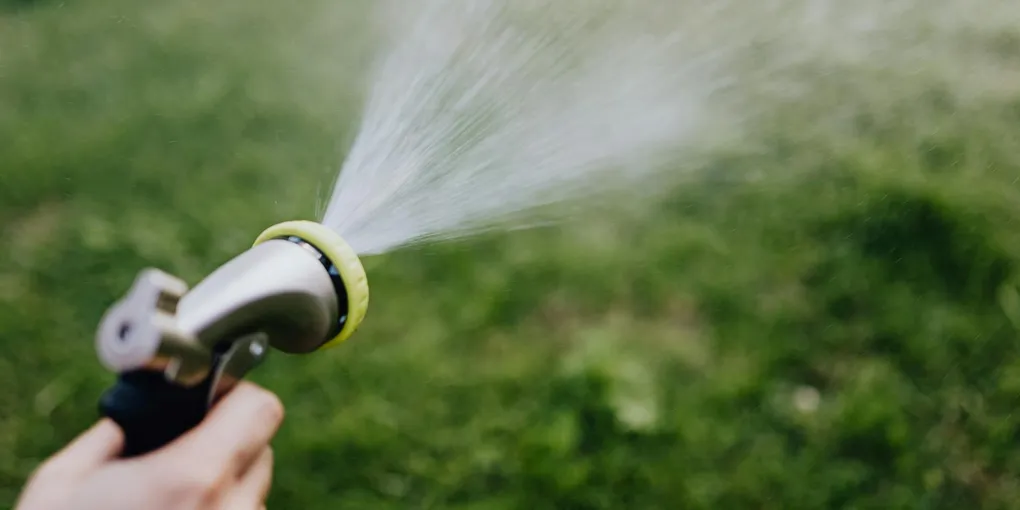
Low water pressure affecting one fixture is usually a clogged aerator or cartridge, fixable in 15 minutes. Whole-house low pressure typically comes from a partially closed main shutoff valve, a failing pressure regulator, or mineral buildup in pipes. Normal residential water pressure is 40-80 PSI. Buy a $10 pressure gauge to test your actual pressure before spending on repairs.
Frequently Asked Questions
What causes low water pressure in the whole house?
The most common causes are a partially closed main shutoff valve, a failing pressure regulator (PRV), municipal supply issues, or mineral buildup in galvanized steel pipes. Check the main shutoff first — it is the easiest fix.
Why is water pressure low in only one faucet?
A single fixture with low pressure is almost always a clogged aerator or faucet cartridge. Unscrew the aerator, rinse out mineral buildup and debris, and reinstall. This fixes 80 percent of single-fixture low pressure problems.
What is normal water pressure for a house?
Normal residential water pressure is 40-80 PSI. Under 40 PSI feels weak and slow. Over 80 PSI damages appliances and shortens the life of plumbing fixtures. Test with a hose bib pressure gauge for 10 dollars.
Can I increase my home water pressure?
If your pressure is below 40 PSI at the meter, you can adjust the pressure regulator valve or install a booster pump. If pressure at the meter is fine but drops inside the house, the problem is pipes or fixtures, not supply pressure.
Do I need to call a plumber for low water pressure?
Call a plumber if you have inspected all fixtures and valves, the pressure regulator is at max setting, and pressure is still below 40 PSI. Also call for suspected slab leaks or hidden pipe corrosion.
Low water pressure affecting one fixture is usually a clogged aerator or cartridge, fixable in 15 minutes. Whole-house low pressure typically comes from a partially closed main shutoff valve, a failing pressure regulator, or mineral buildup in pipes.
Low water pressure turns a 5-minute shower into a 15-minute frustration. It makes the dishwasher take twice as long and washing machines run weak. The good news: most low water pressure problems have cheap DIY fixes. Before you call a plumber, work through this checklist.
Step 1: Is It One Fixture or the Whole House?
This is the most important diagnostic question. The fix depends entirely on the answer.
Test it: Check every faucet, shower, and outdoor hose bib in your home.
- Only one or two fixtures affected → Clogged aerator, cartridge, or supply valve (easy DIY)
- Only hot water affected everywhere → Water heater issue
- Only cold water affected everywhere → Water softener or whole-house filter issue
- All fixtures affected → Main supply, regulator, or municipal issue
Problem 1: Low Pressure at One Fixture
This is the most common scenario and usually the easiest fix.
Fix 1: Clean the Aerator
The aerator is the screen at the end of every faucet spout. Mineral deposits and debris collect here and block water flow.
- Unscrew the aerator by hand (or use pliers wrapped in a rag to avoid scratching).
- Rinse it under running water to clear debris.
- Soak in white vinegar for 30 minutes to dissolve mineral buildup.
- Scrub with an old toothbrush.
- Reinstall and test.
Cost: Free. Time: 10 minutes. Fixes about 80% of single-faucet issues.
If the aerator is corroded beyond cleaning, replacement aerators cost $3-8 each.
Fix 2: Clean the Shower Head
Same principle as the aerator but for showers.
- Unscrew the shower head from the arm.
- Soak it in a bag of white vinegar tied around the arm, or submerge fully for 2-4 hours.
- Use a toothbrush to scrub out debris from the spray holes.
- Reinstall with fresh plumber’s tape on the threads.
Fix 3: Replace the Faucet Cartridge
If cleaning the aerator doesn’t help, the cartridge inside the faucet may be clogged or worn.
- Shut off the water supply valves under the sink.
- Remove the faucet handle (usually a screw hidden under a decorative cap).
- Remove the retaining nut or clip holding the cartridge.
- Pull out the cartridge.
- Inspect for debris, damage, or mineral buildup.
- Clean or replace the cartridge (match the exact model — take the old one to the hardware store).
Cost: $15-40 for a replacement cartridge. Time: 30-45 minutes.
Fix 4: Check the Supply Valves Under the Sink
The shutoff valves under every sink can partially close over time or get stuck with debris.
- Locate the valves under the sink (usually two — hot and cold).
- Turn each one fully counterclockwise to open.
- Check for drips or visible damage.
- If a valve won’t open or is seized, replace it ($8-15 for a quarter-turn ball valve).
Problem 2: Low Pressure Throughout the House
If every fixture has low pressure, the problem is upstream — before water reaches the individual fixtures.
Fix 1: Check the Main Shutoff Valve
The main water shutoff is typically in the basement, crawlspace, or utility room near where the water line enters the house. There’s often a second one at the meter outside.
- Locate both valves.
- Turn each one fully counterclockwise (open).
- If it’s a gate valve (round wheel handle), make sure it’s all the way open.
- If it’s a ball valve (lever handle), the lever should be parallel to the pipe.
Common issue: Someone turned the valve partway off during a repair and never fully reopened it. This is surprisingly common.
Fix 2: Test Your Actual Pressure
Before spending money on fixes, find out what your actual pressure is. A water pressure test gauge is cheap and plugs onto any outdoor hose bib.
- Buy a water pressure gauge ($8-15).
- Screw it onto an outdoor hose bib.
- Open the valve fully.
- Read the pressure.
Normal range: 40-80 PSI Too low: Under 40 PSI — you’ll feel weak flow everywhere Too high: Over 80 PSI — this is actually worse than too low; it damages fixtures, water heaters, and washing machines, and can cause pipes to burst
Fix 3: Adjust the Pressure Regulator (PRV)
If you have city water, your home has a pressure regulator valve (PRV) somewhere near the main shutoff. It looks like a bell-shaped brass or bronze fitting with an adjustment screw on top.
- Locate the PRV (usually within 5 feet of the main shutoff).
- Check the pressure at a hose bib first.
- Loosen the lock nut on top of the regulator.
- Turn the adjustment screw clockwise to increase pressure, counterclockwise to decrease.
- Recheck pressure with the gauge.
- Re-tighten the lock nut.
Target: 50-60 PSI is ideal for most homes.
Signs the PRV is failing:
- Can’t adjust pressure no matter how far you turn the screw
- Pressure fluctuates wildly
- Water hammer (banging pipes) when fixtures close
- Visible leaks or corrosion around the valve
Replacement cost: $40-80 for the valve + $150-300 for plumber installation. DIY requires shutting off main water and cutting pipes.
Fix 4: Check for Mineral Buildup in Pipes
Galvanized steel pipes (common in homes built before 1960) corrode from the inside over time. The buildup narrows the pipe’s diameter, restricting flow.
Signs: Home is 60+ years old, original pipes, all fixtures have gradually worsening pressure over years.
Fix: Pipe replacement. This is a major project — typically $2,000-10,000 for whole-house repiping with PEX or copper. A plumber can give you a quote after a camera inspection.
Temporary workaround: A booster pump ($400-800 installed) can mask the problem while you save for repiping.
Fix 5: Check Your Water Meter and City Supply
- Turn off all water in the house.
- Check that the water meter isn’t moving (no hidden leaks).
- Contact your water utility and ask if they’re doing maintenance.
- Ask neighbors if they have similar issues.
If the whole street has low pressure, it’s a municipal issue — not your fixables. The utility can send a tech to check the connection at the meter.
Problem 3: Low Hot Water Pressure Only
If cold water runs normally but hot water pressure is weak:
Fix 1: Sediment in the Water Heater
Sediment builds up at the bottom of tank water heaters, blocking the outlet.
- Turn off power/gas to the water heater.
- Connect a garden hose to the drain valve at the bottom.
- Run the hose to a drain.
- Open the drain valve and let water flow until it runs clear.
- Close the valve, turn the heater back on.
See our water heater troubleshooting guide for more water heater issues.
Fix 2: Clogged Hot Water Lines
Hot water can accumulate mineral buildup faster than cold because heat accelerates the process. Flushing the lines can help.
- Turn off water supply to a fixture.
- Disconnect the hot supply line.
- Catch water in a bucket, then turn supply back on briefly to flush debris.
- Reconnect.
Problem 4: Well Water Low Pressure
If you have a well instead of city water, the diagnostics change:
Check the Pressure Tank
- Find the pressure tank near the well pump (looks like a large metal cylinder).
- Check the pressure gauge — should be 40-60 PSI when pump is running.
- Listen for the pump cycling on and off rapidly (short-cycling) — this indicates a waterlogged tank or failing bladder.
Check the Pressure Switch
The pressure switch tells the well pump when to turn on. Settings are typically:
- Cut-in (turn on): 30 PSI
- Cut-out (turn off): 50 PSI
Adjust these screws if pressure is consistently low. If adjustment doesn’t help, the switch may need replacement ($25-50).
Check the Well Pump
A failing pump is a bigger problem. Signs:
- Cloudy or sandy water
- Air spitting from faucets
- Pump runs constantly without reaching cut-out pressure
Replacement cost: $800-2,500 installed depending on pump type and well depth — see our well pump replacement cost guide for pump type, depth, and regional pricing.
When to Call a Plumber
Call a licensed plumber if:
- You’ve checked every fixture, valve, and setting with no improvement
- Pressure at the meter is normal but drops somewhere in the house (hidden leak)
- You suspect slab leak (warm spots on floor, sound of running water with no fixtures on)
- Pressure regulator won’t respond to adjustment
- You have galvanized pipes and need a repipe estimate
Typical plumber diagnostic fee: $100-200. Actual repair costs vary widely based on the issue.
Prevention
Maintain consistent pressure long-term with these habits:
- Flush water heater annually to prevent sediment buildup
- Clean aerators and shower heads quarterly in hard water areas — or just replace the shower head if mineral buildup has permanently reduced flow
- Install a whole-house water softener if you have hard water (prevents buildup in pipes and fixtures) — see our water softener installation guide
- Monitor pressure monthly with a hose bib gauge — early detection beats emergency repair
- Keep the PRV and main shutoff exercised — turn them off and on once a year to prevent seizing
For more plumbing fixes you can do yourself, see our guides on fixing a leaky faucet, unclogging drains without chemicals, and annual home maintenance.
- Is It One Fixture or the Whole House?
This is the most important diagnostic question. The fix depends entirely on the answer.
- Problem 1: Low Pressure at One Fixture
This is the most common scenario and usually the easiest fix.
- Problem 2: Low Pressure Throughout the House
If every fixture has low pressure, the problem is upstream — before water reaches the individual fixtures.
- Problem 3: Low Hot Water Pressure Only
If cold water runs normally but hot water pressure is weak:
- Problem 4: Well Water Low Pressure
If you have a well instead of city water, the diagnostics change:
- Prevention
Maintain consistent pressure long-term with these habits:
Free: 10-Point Home Maintenance Checklist
Prevent costly repairs with this seasonal checklist. Save hundreds every year by catching problems early.
Your checklist is ready!
Open Checklist →Something went wrong. View the checklist here.