Chimney Sweep Cost 2026: $150–$400 Cleaning + Repair Pricing
Chimney sweep costs $150–$400 for Level 1 cleaning, $200–$500 for Level 2 with camera. Common repairs: cap ($200–$700), crown ($300–$1,500), liner ($2,500–$5,000). When to hire.
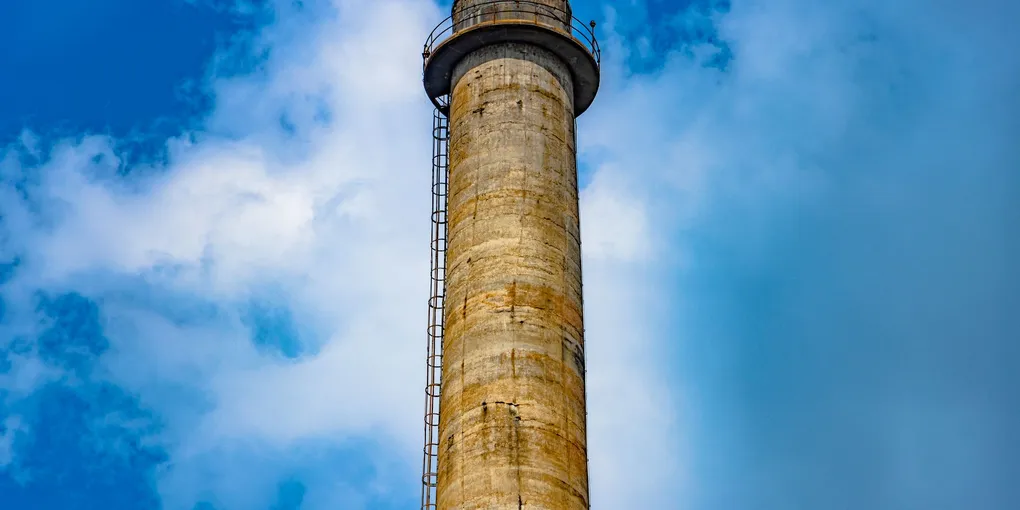
A chimney sweep costs $150-$400 for a standard Level 1 cleaning and inspection. A Level 2 inspection with a camera scan of the flue runs $200-$500. Common repairs: chimney cap $200-$700, crown sealing $250-$700, mortar repointing $400-$1,500, flue liner replacement $2,000-$7,000, full chimney rebuild $5,000-$15,000+. Annual sweeping is recommended for any regularly used wood-burning fireplace.
Frequently Asked Questions
How often should a chimney be swept?
Annually if you burn wood regularly. Every 2-3 years for occasional wood use. Gas fireplaces should be inspected annually but rarely need sweeping. Oil furnaces need annual flue inspection. Wood stoves that produce creosote buildup often need sweeping more frequently — check after every cord of wood burned.
Is chimney sweeping worth it?
Yes. Chimney fires cause thousands of house fires annually. Creosote buildup from wood burning ignites at high temperatures and can burn at 2,000+°F inside the flue, cracking clay tiles and potentially igniting framing. A $250 annual sweep is cheap insurance against a $50,000+ fire claim.
What's the difference between Level 1, 2, and 3 chimney inspections?
Level 1: Standard visual inspection of readily accessible areas. Included with most sweeps. $150-$400. Level 2: Camera scan of the entire flue, plus accessible attic and basement inspection. Required for real estate transactions and after chimney fires. $200-$500. Level 3: Invasive inspection involving demolition when serious concealed damage is suspected. $500-$2,000+.
Can I sweep my chimney myself?
Yes, for a straightforward masonry fireplace with a vertical flue. DIY chimney brush kits ($60-$150) do a serviceable job. But DIY skips the inspection — the bigger value in pro sweeping. If your chimney has an offset (bend), a liner, or you burn a lot of wood, hire a pro. Always get a Level 2 inspection after any chimney fire.
How do I know if my chimney needs repair?
Warning signs: water stains on ceiling near chimney, crumbling mortar (white efflorescence), rusted firebox or damper, strong odors even when not in use, visible cracks in the crown or masonry, missing cap, or animal activity. Any of these warrants a Level 2 inspection before the next burning season.
How do I find a reputable chimney sweep?
Look for CSIA (Chimney Safety Institute of America) certification — it's the industry standard for training and ethics. CSIA-certified sweeps are searchable at csia.org. Also check local reviews on Google and Angi. Avoid door-to-door solicitors (post-storm classic upsell scam), any company that quotes over the phone without seeing the chimney, and any contractor who finds 'urgent' repairs on every inspection. Get a second opinion on any repair exceeding $1,000.
Why is a chimney cap important, and how much does it cost to replace one?
A chimney cap performs four critical functions: (1) Keeps rain out of the flue — water is the leading cause of chimney deterioration, rusting the damper, cracking the flue liner, and deteriorating the mortar crown. (2) Blocks animals — birds, raccoons, and squirrels nest in uncapped chimneys regularly and create blockages that cause carbon monoxide backup. (3) Catches sparks — the mesh screen prevents burning embers from landing on the roof. (4) Reduces downdraft — a properly sized cap reduces wind-driven downdraft that pushes smoke back into the house. Chimney cap replacement costs $200–$700 installed depending on size and material (galvanized steel vs. stainless steel vs. copper). Stainless steel caps last 25+ years; galvanized caps need replacement every 5–10 years. This is one of the highest-value, lowest-cost chimney maintenance items.
What are the stages of creosote buildup, and when is it dangerous?
Creosote deposits progress through three stages: Stage 1 (first-degree) — flaky, sooty deposits that brush off easily during sweeping. Low fire risk if removed annually. Common when burning dry, seasoned hardwood with a properly sized, hot fire. Stage 2 (second-degree) — harder, tar-like deposits that have partially solidified. Harder to remove, requires rotary brush or chemical treatments. Elevated fire risk. Stage 3 (third-degree) — glazed, tar-like deposits that have fully hardened and may have built up thick layers. Very high fire risk — Stage 3 creosote can ignite at lower temperatures and burns intensely. Requires chemical deglazers applied before sweeping and sometimes multiple service visits. Burns cold, wet wood, restricted air supply, or smoldering fires all accelerate progression from Stage 1 to Stage 3.
Chimney sweeping costs $150–$350 for a standard cleaning and Level 1 inspection in 2026 — sweep annually if you burn wood regularly, every 2–3 years for occasional use. A Level 2 inspection (required when selling or after chimney damage) costs $300–$600. Warning signs that need immediate attention: black flakes falling into the firebox, strong smoke smell after a fire, white staining on the exterior brick (efflorescence).
A chimney is one of those house components you ignore until it fails catastrophically — water damage, creosote fire, or carbon monoxide leak. Keeping it swept, inspected, and repaired is cheap relative to the damage a neglected chimney can cause. This guide covers what chimney services cost in 2026, what you’re actually paying for, and when it’s safe to DIY.
Quick Answer on Chimney Sweep Cost
| Service | Cost |
|---|---|
| Standard sweep + Level 1 inspection | $150 - $400 |
| Level 2 inspection (camera scan) | $200 - $500 |
| Level 3 inspection (demolition) | $500 - $2,000+ |
| Wood stove sweep | $175 - $350 |
| Pellet stove sweep | $175 - $325 |
| Oil furnace flue cleaning | $100 - $250 |
| Dryer vent cleaning (bundled) | $75 - $200 |
Common chimney repairs:
| Repair | Cost |
|---|---|
| New chimney cap | $200 - $700 |
| Crown sealing / waterproofing | $150 - $400 |
| New crown (poured concrete) | $500 - $1,500 |
| Flashing repair | $250 - $750 |
| Tuckpointing (mortar repair, sq ft) | $10 - $25 |
| Tuckpointing whole chimney | $400 - $2,000 |
| Damper replacement | $300 - $800 |
| Top-sealing damper (energy-saver) | $400 - $900 |
| Smoke chamber parging | $400 - $1,500 |
| Clay flue tile replacement | $2,000 - $7,000 |
| Stainless steel liner installation | $2,500 - $6,000 |
| Cast-in-place liner (HeatShield) | $2,500 - $5,000 |
| Full chimney rebuild | $5,000 - $15,000+ |
Why Annual Sweeping Matters
Creosote buildup. Burning wood produces creosote — a sticky, tar-like substance that coats the inside of the chimney flue. It accumulates in three stages:
- Stage 1 (flaky): Brushable. Easy to remove.
- Stage 2 (hard, tar-like): Requires mechanical scraping.
- Stage 3 (glazed): Kiln-hardened. Requires chemical treatment or partial demolition.
Creosote at any stage is combustible. In a chimney fire, it can reach 2,000°F — hot enough to crack clay flue tiles and transmit heat to surrounding framing.
Animal activity. Raccoons, squirrels, and birds love chimneys. Nests block airflow, cause carbon monoxide backups, and create fire hazards.
Water damage. A missing cap or cracked crown lets water into the flue, damaging masonry and liner from within.
Structural deterioration. Freeze-thaw cycles, settling, and age slowly crack mortar and masonry. Early detection is cheap; late repair is expensive.
What’s Included in a Standard Sweep
A Level 1 sweep and inspection from a CSIA-certified chimney sweep typically includes:
- Dust protection: Drop cloths around the fireplace and in the room.
- HEPA vacuum staged at the fireplace opening.
- Brushing the flue with rods from the top or bottom.
- Inspection of the firebox, smoke shelf, damper, and flue interior.
- Visual check of the crown, cap, and flashing from outside.
- Ash cleanup from the firebox and smoke shelf.
- Written report noting any concerns or recommended repairs.
Expect 60-120 minutes on-site for a straightforward single-fireplace home.
Level 1 vs. Level 2 vs. Level 3 Inspections
Level 1 (Standard)
Visual inspection of readily accessible portions. No tools beyond a flashlight and mirror. Included with most sweeps. Sufficient if:
- Chimney is in good working condition
- No changes to the system
- No known events (fire, earthquake, severe weather)
Level 2 (Real Estate, Post-Fire, Post-Change)
Includes everything in Level 1 plus:
- Video camera scan of the entire flue
- Inspection of accessible areas in attic, basement, and crawlspace
- Verification that all clearances from combustibles are code-compliant
Required by NFPA 211 for:
- Real estate sales
- After any chimney fire or earthquake
- When changes are made (new appliance, relining, fuel change)
- When issues are suspected
Cost: $200-$500. If buying a home with a chimney, always get a Level 2 before closing. Finding problems before closing gives you negotiation leverage.
Level 3 (Investigative)
Includes Levels 1 and 2 plus demolition to access concealed areas when serious damage is suspected. Example: opening walls or removing sections of masonry to inspect interior damage.
Rare outside of major damage situations.
Common Repairs Explained
Chimney Cap
A metal cover over the flue opening keeps out rain, snow, leaves, and animals. Stainless steel caps last 20+ years; galvanized caps 5-10 years.
- Single-flue cap: $200-$400 installed
- Multi-flue cap (covers entire crown): $400-$700 installed
Missing caps are the #1 source of chimney water damage.
Crown Repair
The crown is the concrete cap at the top of the chimney, sloped away from the flue to shed water. Cracks let water in, which freezes and expands, widening the damage.
- Crown sealing (minor cracks): Apply elastomeric crown sealer. $150-$400.
- Crown rebuild: Demolish and pour new concrete crown. $500-$1,500.
Always seal a cracked crown before the next freeze-thaw season.
Tuckpointing
Replacing deteriorated mortar between bricks. Deterioration is usually visible as crumbling mortar, gaps, or white efflorescence (salt deposits from water migration).
- Spot tuckpointing: $10-$25 per sq ft.
- Whole chimney: $400-$2,000 depending on size.
Tuckpointing is skilled masonry work. Hire a mason experienced with chimneys.
Flashing
The metal strip that seals the chimney to the roof. Flashing leaks are the #1 chimney-related interior water damage issue.
- Re-seal existing flashing: $150-$350.
- Replace flashing: $400-$900.
- Full flashing system (step flashing + counter-flashing + cricket): $600-$1,500.
When reroofing, always replace flashing at the same time.
Damper Replacement
The damper controls airflow. Throat dampers (at the smoke chamber) fail from rust or cracking. Top-sealing dampers (at the top of the flue) are modern upgrades that create a better seal.
- Throat damper replacement: $300-$800.
- Top-sealing damper: $400-$900 installed, saves $50-$150/year in heating.
Flue Liner
Older chimneys (pre-1950) often have no liner. Mid-century chimneys have clay tiles that crack over time. Modern code requires a proper liner for safety.
Types:
- Clay tile replacement: Match existing. $2,000-$7,000. Skilled masons only.
- Stainless steel liner: $2,500-$6,000. Installed inside the existing flue. Common for gas conversions and failed clay liners.
- Cast-in-place (HeatShield): $2,500-$5,000. Ceramic material blown into the existing flue and cured in place.
Relining is a major repair. Always get 2-3 quotes and verify the contractor is NFI- or CSIA-certified.
When to DIY
DIY chimney sweeping works for:
- Straightforward vertical masonry flues
- Occasional wood burning
- Homeowners comfortable on a roof
Tools needed:
- Chimney brush set with flexible rods — match size to flue (usually 6” or 8”)
- Shop vacuum with HEPA filter
- Dust mask or respirator
- Safety goggles
- Drop cloths / plastic sheeting
- Creosote remover logs or granules (optional treatment)
- Ladder and harness if brushing from the top
DIY Steps
- Protect the fireplace area with plastic sheeting and drop cloths.
- Seal the firebox with plastic tape to trap dust.
- Brush from the top (roof access) or from the bottom (through the cleanout or firebox), using rods attached to the brush.
- Work the brush up and down in the flue multiple times. Brush loosens creosote which falls to the bottom.
- Shop-vac the debris from the firebox and smoke shelf.
- Inspect visually with a flashlight. Note any issues for pro follow-up.
- Burn a creosote-remover log as a maintenance treatment.
DIY limits: complex flues with bends, any glazed Stage 3 creosote, structural damage suspected, metal chimneys, appliance-vent chimneys (gas furnace, water heater).
Gas Fireplaces and Stoves
Gas appliances produce very little creosote but require annual inspection:
- Pilot and burner cleaning
- Vent inspection for blockage
- Glass door cleaning (if direct-vent)
- Carbon monoxide testing
- Battery replacement on igniters
Expect $150-$300 for gas fireplace service. Skipping it risks CO leaks and reduced appliance life.
Wood Stoves and Inserts
Wood stoves and inserts create the most creosote due to closed-combustion operation and lower flue temperatures. Recommended service:
- Sweep every cord of wood OR annually, whichever comes first
- Inspect gaskets on door and glass annually
- Check flue cap for blockage
- Verify insert seal to chimney (inserts can leak combustion air)
Budget $200-$400 annually.
Pellet Stoves
Pellet stoves burn cleanly but produce ash buildup in the venting system. Service includes:
- Cleaning the burn pot and auger
- Cleaning the heat exchanger
- Vacuuming the exhaust venting
- Checking the motor and fans
- Replacing gaskets if needed
Expect $175-$350 annually.
Oil Furnaces
Oil furnace flues collect soot that reduces efficiency and creates fire risk. Annual service (usually bundled with the furnace tune-up):
- Cleaning the flue pipe
- Checking the barometric damper
- Smoke testing the exhaust
Cost: $100-$250 as part of furnace maintenance.
Red Flags and Emergencies
Call a sweep immediately if you notice:
- Smoke backing into the room when a fire is lit
- Strong smoke or creosote odor when not in use
- Visible creosote buildup when you look up the flue with a flashlight
- Water stains on the ceiling near the chimney
- Crumbling or falling mortar inside the firebox
- A chimney fire has occurred (rumbling sound, shaking, flames visible from outside)
Stop using the fireplace immediately if:
- Carbon monoxide detector alarm
- Deformed metal damper
- Gas fireplace smells like gas
- Chimney fire occurred (requires Level 2 inspection before reuse)
How to Find a Good Sweep
Certifications
- CSIA Certified Chimney Sweep (CCS) — the industry standard
- NFI Certified Wood Burning Specialist (NFI WS) — for wood-specific expertise
- State licensing where required
Questions to Ask
- Are you CSIA-certified?
- Do you carry insurance?
- What’s included in your standard sweep?
- Do you do repairs, or just inspect and sweep?
- Can you provide references?
- What do you do if you find a problem?
Red Flags
- Door-to-door chimney sweeps (common scam)
- Extremely low prices ($75 or less for full service)
- Pressure to do expensive repairs same-day
- No written report
- Refusal to show certification
How to Budget Chimney Costs
For a typical wood-burning fireplace homeowner in 2026:
- Annual sweep + Level 1: $250
- Level 2 inspection every 3-5 years: $350
- Reserve for repairs: $200/year
Total average: $400-$500 per year over time, though most years you’ll spend only the sweep cost.
Homes using the fireplace rarely can sweep every 2-3 years. Homes with wood stoves as a primary heat source should budget $300-$500 annually for sweep + seasonal inspection.
Related Reading
- Fireplace Installation Cost — cost to add or replace the firebox
- How to Clean a Fireplace — DIY ash removal and firebox cleaning between professional sweeps
- Home Inspection Cost
- Winterize Your Home Checklist
- How to Build a Fire Pit
- Furnace Replacement Cost
- Annual Home Maintenance Schedule
- HVAC Maintenance Checklist
- Chimney Repair Cost — tuckpointing, liner replacement, firebox rebuild pricing
Free: 10-Point Home Maintenance Checklist
Prevent costly repairs with this seasonal checklist. Save hundreds every year by catching problems early.
Your checklist is ready!
Open Checklist →Something went wrong. View the checklist here.