HVAC Maintenance Checklist (Seasonal Guide, 2026)
Complete HVAC maintenance checklist by season. DIY tasks, what to hire pros for, filter schedule, and how to extend system life 5-10 years.
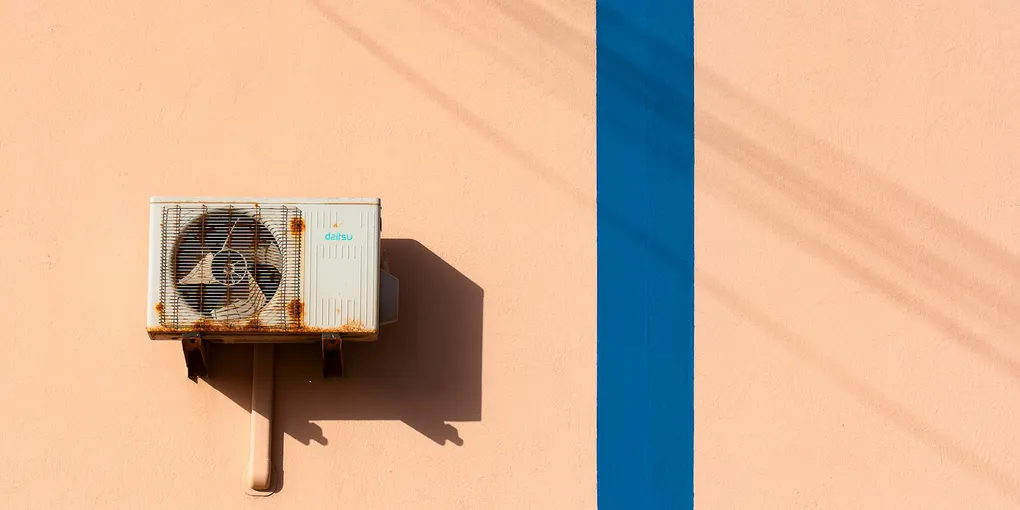
A well-maintained HVAC system lasts 15-20 years vs. 10-12 years for neglected systems. The DIY minimum: change filters every 1-3 months, keep the outdoor condenser clear, and run the system on a schedule. Annual pro tune-ups cost $80-$250 and catch failures early — skipping them voids most manufacturer warranties. Spring AC tune-up and fall heating tune-up are the two critical service visits. Biggest mistakes: running dirty filters (cuts efficiency 15%), ignoring strange noises, and skipping drain line cleaning (causes $2,000-$5,000 water damage).
Frequently Asked Questions
How often should I change my HVAC filter?
Every 1-3 months for standard 1-inch filters. Every 6-12 months for 4-5 inch media filters. More often if you have pets (1 month), allergies (1 month), construction dust (1 month), or a smoker (1 month). Set a calendar reminder — it's the single most impactful DIY maintenance task.
How much does an HVAC tune-up cost?
$80-$250 per visit in 2026. A maintenance contract (2 visits/year — spring AC + fall heat) runs $150-$400. Look for: cleaning outdoor coil, checking refrigerant, testing capacitors and contactors, inspecting electrical connections, cleaning drain line, testing thermostat calibration.
Can I clean my own AC condenser coils?
Yes — turn off power at the breaker, gently straighten bent fins with a fin comb, spray coils with a garden hose from inside out, and let dry. Avoid pressure washers (bends fins) and harsh chemicals (damages metal). Takes 30 minutes and restores 10-20% efficiency.
What are the signs my HVAC system needs repair or replacement?
Replace if: system is 12-15+ years old with a major failure, repair costs exceed 50% of replacement, refrigerant leak requires R-22 (being phased out), or energy bills have climbed 30%+ year-over-year. Repair otherwise. Short-cycling (frequent on/off), warm air from AC, burning smells, and grinding noises need immediate attention.
Should I cover my outdoor AC unit in winter?
No — designed for outdoor use, covers trap moisture and invite rodents. Exception: a breathable mesh top cover to block leaves and debris. Don't wrap sides or wrap in plastic.
How long does HVAC service take?
Annual tune-up: 30-90 minutes per unit. Filter change: 5 minutes. Drain line clean: 10-15 minutes. Coil cleaning: 30-60 minutes. Full system inspection with diagnostics: 1-2 hours. System replacement: 1-2 days.
A well-maintained HVAC system lasts 15-20 years vs. 10-12 years for neglected systems.
HVAC systems are the most expensive thing in your home most homeowners forget about until they fail. A $12,000 system should last 20 years — and with $200/year in maintenance, it usually does. This guide breaks down seasonal maintenance by what you DIY vs. what to leave for pros.
The Core Principle: Filter First, Everything Else Second
The #1 cause of HVAC failure is a dirty filter. A clogged filter:
- Restricts airflow, forcing the blower to work harder
- Overheats components, shortening their life
- Freezes AC coils
- Drives bills up 15-25%
A $15 filter change prevents $500-$2,000 in repairs.
Filter Change Schedule
| Filter Type | Change Every | Cost |
|---|---|---|
| 1-inch fiberglass (basic) | 30 days | $2-$5 |
| 1-inch pleated (MERV 8) | 60-90 days | $10-$25 |
| 1-inch HEPA (MERV 11-13) | 60-90 days | $15-$35 |
| 4-5 inch media filter | 6-12 months | $40-$80 |
Households with:
- Pets: change every 30 days
- Allergies: change every 30-45 days
- Construction or remodeling: change every 30 days
- Smokers: change every 30 days
High-Quality Replacement Filters — Filtrete MPR 1500+ or Nordic Pure MERV 12 are great DIY choices.
Spring Maintenance Checklist (March-May)
Spring is AC tune-up season. Get this done before summer heat hits.
DIY Spring Tasks (1-2 hours)
1. Change the filter — Even if you changed it 2 months ago, check it. Spring pollen clogs filters fast.
2. Clean the outdoor condenser unit
- Turn off power at the disconnect box next to the unit AND at the breaker
- Remove leaves, twigs, grass clippings from around the unit
- Ensure 2+ feet of clearance on all sides
- Straighten bent fins with a fin comb ($8-$15)
- Rinse coils with a garden hose from inside-out (top down)
- Allow to dry completely before restoring power
3. Check the condensate drain line
- Find the PVC pipe exiting the indoor unit (often near the A-coil)
- Pour 1 cup of diluted bleach or vinegar down the cleanout
- This prevents algae blockage that causes water damage
4. Test the system before it’s needed
- Run AC at 68°F for 15 minutes
- Confirm cold air from vents
- Listen for strange noises from outdoor and indoor units
5. Check thermostat batteries
- Change batteries annually (if battery-powered)
- Recalibrate smart thermostat if readings seem off
What to Hire Pros For in Spring — $80-$250
A pro AC tune-up includes:
- Refrigerant level check
- Electrical connection tightening
- Capacitor and contactor testing
- Blower motor inspection
- Coil inspection and cleaning (beyond DIY depth)
- Airflow measurement
- Static pressure test
Book tune-ups in March-April — wait until May and every HVAC company is booked 3 weeks out.
See our best smart thermostats guide for spring thermostat upgrades that pay back in summer savings.
Summer Maintenance (June-August)
During cooling season, focus on keeping things running smoothly.
DIY Summer Tasks
1. Change filter monthly — filters clog faster when the system runs constantly.
2. Listen for sounds that indicate problems:
- Hissing: Refrigerant leak
- Grinding: Blower bearings failing
- Buzzing: Electrical issue (turn off immediately)
- Banging or clanking: Loose part in blower or ductwork
- Short-cycling (frequent on/off): Thermostat issue, oversized unit, or iced coil
3. Check outdoor unit for debris weekly — storms blow debris onto units, grass clippings stick to fins.
4. Keep vegetation trimmed — 2+ feet clearance, 3 feet above ideal.
5. Use ceiling fans — reduces AC load by allowing thermostat to be set 2-4°F higher. See best ceiling fans for large rooms for upgrades.
6. Monitor energy bills — a 15%+ increase vs. same month last year suggests efficiency drop.
Summer Red Flags — Call a Pro
- Warm air from vents when AC is running
- Indoor unit ice-covered (turn off immediately, let thaw, then call)
- AC runs but doesn’t cool below ~78°F on a 90°F day
- Outdoor unit fan isn’t spinning
- Strong burning smell from vents
Fall Maintenance Checklist (September-November)
Fall is heating tune-up season. Schedule September-October before the first freeze.
DIY Fall Tasks (1-2 hours)
1. Change the filter — Entering heating season.
2. Test the heating system before cold weather
- Run heat at 75°F for 20 minutes
- Confirm warm air from vents
- Test at every register
- Listen for ignition issues (gas) or strange noises
3. Replace furnace air filter — often a different filter than AC (in split systems).
4. Clean the outdoor condenser one more time — leaves pile up in fall.
5. Check the flue or chimney for gas furnaces
- Clear bird nests or obstructions
- Confirm proper draft
6. Inspect the humidifier (if equipped)
- Replace the evaporator pad ($10-$25)
- Clean the water panel
- Confirm water supply is clear
What to Hire Pros For in Fall — $80-$250
A pro heating tune-up includes:
- Heat exchanger inspection (safety critical — CO leaks come from cracks)
- Burner cleaning and adjustment
- Gas pressure testing
- Electrical component testing
- Blower cleaning and lubrication
- Safety control testing
Heat exchanger inspection alone is worth the visit — a cracked heat exchanger vents carbon monoxide into living space and is fatal if undetected.
Winter Maintenance (December-February)
Heating season’s priorities: monitoring, not disruption.
DIY Winter Tasks
1. Change filter monthly or every 2 months — depends on filter quality and household factors.
2. Keep outdoor unit clear of snow and ice — clear 2+ feet of clearance. Don’t chip ice off fins — thaw naturally.
3. Don’t use the oven to heat the house — wastes money and causes CO buildup.
4. Monitor for CO symptoms — headaches, nausea, dizziness. Invest in a battery-powered CO detector if you don’t have one.
5. Check vent pipes monthly — high-efficiency furnaces vent out the side of the house. Clear snow drifts that block vents.
6. Use programmable thermostat — drop temperature 8-10°F when asleep or away to save 10-15% on heating.
Winter Red Flags — Call a Pro
- No heat from vents when furnace runs
- Pilot light out on gas furnaces
- Furnace short-cycles (kicks on and off every few minutes)
- Burning smell that doesn’t clear after running 20 minutes
- Ice forming on AC coil (indicates frozen heat pump or electrical problem)
What Pros Do vs. What You DIY
DIY (Covers 80% of Maintenance)
| Task | Frequency | Time | Cost |
|---|---|---|---|
| Filter change | 1-3 mo | 5 min | $5-$35 |
| Clear outdoor unit | Monthly | 5 min | $0 |
| Coil rinse (outdoor) | 2x year | 30 min | $0 |
| Drain line flush | 2x year | 10 min | $5 (vinegar) |
| Fin comb | 2x year | 20 min | $10 (tool) |
| Thermostat battery | 1x year | 2 min | $5 |
| Humidifier pad | 1x year | 10 min | $10-$25 |
Annual DIY time investment: 6-10 hours. Annual DIY cost: $50-$150 for supplies.
Pro Service (Essential 20%)
| Visit | When | Cost |
|---|---|---|
| AC tune-up | Spring | $80-$250 |
| Heat tune-up | Fall | $80-$250 |
| Emergency service | As needed | $150-$500 |
| System replacement | Every 15-20 years | $5,000-$15,000 |
Annual pro cost: $160-$500 for maintenance.
Maintenance Plans
Most HVAC companies offer annual contracts: 2 tune-ups + priority service + parts discount.
- Basic contract: $150-$250/year
- Premium contract: $300-$500/year (often includes labor warranty)
Worth it? If the contract covers 2 tune-ups (normally $200-$400 a la carte) plus any emergency call discount, yes. Skip contracts with upsells to “whole-home inspection” bundles.
System Lifespan by Component
| Component | Typical Life | Signs of Failure |
|---|---|---|
| Central AC unit | 12-15 years | Warm air, refrigerant leaks |
| Furnace (gas) | 15-20 years | Cracked heat exchanger, rust |
| Furnace (electric) | 20-30 years | Ignitor failure, thermostat issues |
| Heat pump | 10-15 years | Loud outdoor unit, warm air |
| Boiler | 15-25 years | Leaks at joints, rust |
| Ductwork | 20-30 years | Leaks, gaps, collapsed sections |
| Thermostat | 10-15 years | Erratic readings, constant recalibration |
When to Replace vs. Repair
Replace if:
- System is 12-15+ years old AND major component fails
- Repair cost exceeds 50% of replacement
- Uses R-22 refrigerant (being phased out, high cost)
- Energy bills 30%+ higher than similar homes
- Requires 2+ major repairs in 2 years
Repair if:
- System is under 10 years old
- Single issue with clear diagnostic
- Core components (compressor, heat exchanger) are sound
- Total repair under $1,000
Upgrades That Pay Back
Smart Thermostat — $100-$250
Saves 8-15% on heating and cooling. Pays back in 1-2 years. Best smart thermostats covers model picks.
Zoning — $1,500-$3,000
Separate thermostats for upstairs vs. downstairs. 20-30% energy savings in multi-story homes. Pays back in 5-7 years.
Media Filter Upgrade — $500-$1,000 installed
Replaces 1-inch filter slot with 4-5 inch media. Better filtration, fewer changes, less blower strain.
Whole-House Humidifier (Winter) — $300-$1,200 installed
Humidifies heated air. Improves comfort, reduces static electricity, allows lower thermostat settings (humid air feels warmer).
Duct Sealing — $500-$2,000
Aeroseal or manual sealing of leaky ducts. 15-30% energy savings in homes with attic or crawl-space ductwork.
New Thermostat Wiring — $150-$400
Older homes may have 2-wire thermostat wiring — insufficient for modern smart thermostats. An electrician runs a new 5-8 wire cable.
Ductwork Maintenance
Inspect Every 5 Years
Check for:
- Disconnected sections in attic or crawl space
- Crushed or kinked flexible ducts
- Visible dust blowing out of vents (indicates leaks upstream)
- Tape failure (most older ducts used duct tape which fails in 5-10 years — use aluminum foil tape or mastic)
Duct Cleaning — $300-$800
Worth it if:
- Recent construction or remodeling left dust in ducts
- Visible mold around vents
- Pest infestation in attic/crawl space
Not worth it if:
- Just a general “clean because it’s been years” — studies show minimal benefit
- Company upsells during a tune-up visit (classic scam)
CO and Safety Checks
Annual Requirements
- Test carbon monoxide detectors (change batteries)
- Ensure at least one detector per floor
- Verify working battery backup
- Keep combustion air sources clear (no stored boxes or furniture near furnace)
Red Flag Symptoms
- Inside the home: Yellow gas flame (should be blue), soot around furnace, rust on vent pipes, back-drafting (exhaust smell near furnace)
- In humans: Headache, nausea, dizziness, flu-like symptoms that clear when you leave the house
If any of these appear: open windows, leave the house, call the gas company’s emergency line.
Seasonal Prep Summary
| Season | Core Task | DIY Time | Pro Cost |
|---|---|---|---|
| Spring | AC tune-up + coil rinse | 1-2 hr | $80-$250 |
| Summer | Monthly filter + monitoring | 30 min/mo | $0 |
| Fall | Heat tune-up + humidifier | 1-2 hr | $80-$250 |
| Winter | Filter + outdoor clearing | 30 min/mo | $0 |
Related Reading
- Duct Cleaning Cost — when it’s actually worth paying for (spoiler: rarely)
- AC Tune-Up Cost — pro service pricing + what’s included
- Heat Pump Installation Cost — modern AC + furnace replacement option
- Mini Split Installation Cost — ductless zone-by-zone alternative to central HVAC
- Fireplace Installation Cost — gas and wood-burning pricing
- Best Smart Thermostats — biggest HVAC upgrade for the money
- Best Ceiling Fans for Large Rooms — reduce AC load in summer
- Attic Insulation Cost Guide — complement HVAC with better insulation
- How to Fix a Broken AC Capacitor — diagnose and replace a failed capacitor before the whole AC unit fails
- How to Seal Drafty Windows — reduce system workload
- Annual Home Maintenance Schedule — year-round calendar
- Winterize Your Home Checklist — fall prep beyond HVAC
- How to Install Attic Insulation — the DIY installation that makes HVAC work less
- How to Seal Leaky Ductwork — fix the duct leaks that waste 20–30% of your heating and cooling
- Chimney Sweep Cost — combust efficiently and avoid CO backdraft
- How to Fix a Broken Floor Register Vent Cover — replace a cracked or missing register cover that’s blocking airflow or creating a tripping hazard
Free: 10-Point Home Maintenance Checklist
Prevent costly repairs with this seasonal checklist. Save hundreds every year by catching problems early.
Your checklist is ready!
Open Checklist →Something went wrong. View the checklist here.