How to Fix a Cracked Brick Chimney
Learn how to repair cracked bricks and deteriorated mortar joints on a chimney to stop water intrusion and prevent further structural damage.
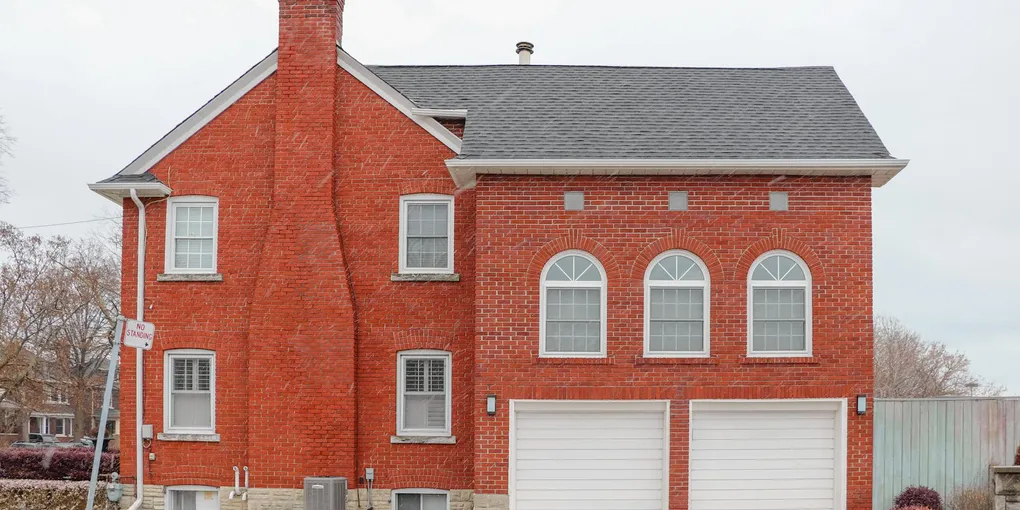
A cracked chimney is not just cosmetic — it is an active water intrusion point that worsens with every freeze-thaw cycle. Water enters hairline cracks, freezes, expands, and breaks out larger chunks of mortar and brick.
A cracked chimney is not just cosmetic — it is an active water intrusion point that worsens with every freeze-thaw cycle. Water enters hairline cracks, freezes, expands, and breaks out larger chunks of mortar and brick. Catching and repairing cracks early prevents a small maintenance task from becoming a major rebuild.
Understanding Chimney Cracking
Chimneys crack for several reasons: thermal expansion and contraction, freeze-thaw cycling, settling of the home’s foundation, or simply age. The most common damage is deteriorated mortar joints — the mortar between bricks that softens and crumbles over decades. Cracked bricks themselves are less common but do occur, especially after significant freeze cycles or if the chimney was struck by debris.
Safety First
Always inspect a chimney from the ground with binoculars before climbing. If you do go onto the roof, use a properly rated extension ladder secured at the top, wear rubber-soled shoes, and attach yourself to a roof anchor if the pitch is steep. Never work on a wet or frosty roof surface.
Tools and Materials You Will Need
- Safety glasses and dust mask
- Cold chisel and hammer (or angle grinder with masonry disc)
- Wire brush
- Margin trowel and pointing trowel
- Masonry mortar (Type S for exterior joints)
- Replacement bricks (if any are fully cracked through)
- Masonry water repellent sealer
- Spray bottle with water
The Red Devil Mortar Repair Squeeze Tube is a convenient option for small joint repairs, while a pre-mixed Type S masonry mortar is better for repointing multiple courses.
Step 1: Inspect and Assess the Damage
Walk around the chimney at ground level. Look for:
- Crumbling or missing mortar joints — most common issue
- Horizontal cracks running along mortar lines
- Stair-step cracks following the mortar diagonally — can indicate settling
- Spalled or cracked individual bricks — face of brick has blown off or brick is split
Note the approximate number of linear feet of deteriorated joints. If more than 20 percent of the visible mortar is gone or crumbling, budget several hours for the project.
Step 2: Remove Deteriorated Mortar
Use a cold chisel and hammer to chip out old mortar to a depth of at least 3/4 to 1 inch. Work carefully to avoid nicking the brick faces. An angle grinder with a masonry disc speeds this up considerably on long runs but requires a steady hand.
After chiseling, use a wire brush to remove all loose debris from the joint cavity. Blow out dust with compressed air or brush it out thoroughly. Clean joints are essential — new mortar will not bond to dusty or crumbling old mortar.
Step 3: Mix and Apply New Mortar
Mix Type S mortar to a peanut butter consistency — firm enough to hold its shape but wet enough to press into the joint without crumbling. Mist the cleaned joints lightly with water before applying mortar. Dry brick will suck moisture out of fresh mortar too quickly, weakening the bond.
Load mortar onto the back of a pointing trowel and press it firmly into horizontal joints first, then vertical joints. Slightly overfill each joint, then use the trowel tip to pack the mortar in firmly, eliminating voids. Once the mortar is thumbprint-firm (not wet, not hard), tool it to match the existing joint profile — either concave, flush, or raked.
Step 4: Replace Cracked Bricks
If individual bricks are cracked through or spalled, chisel out the deteriorated mortar on all four sides of the brick. Use a cold chisel to break the damaged brick into pieces and remove them. Clean the cavity thoroughly.
Apply a 3/4-inch bed of fresh mortar to the bottom of the cavity, set the replacement brick in place, and press down until it is flush with the surrounding courses. Fill the remaining joints around the new brick, tool them to match, and allow to cure.
Step 5: Cure and Seal
Keep new mortar damp for the first 24 to 48 hours by misting it lightly with water — this prevents it from drying too fast and cracking. Avoid working in direct sun or hot, dry wind if possible.
After the mortar has fully cured (28 days is ideal, though 7 days is acceptable for sealing in dry conditions), apply a breathable masonry water repellent to the entire chimney exterior. A silane-siloxane masonry sealer penetrates the brick and mortar without forming a surface film, blocking water while allowing the masonry to breathe.
When to Call a Professional
If you find horizontal cracks near the base of the chimney, significant stair-step cracking, or the chimney crown is cracked through, these can indicate foundation movement or structural issues. A certified chimney sweep or structural mason should assess the situation before you invest in cosmetic repairs.
Regular inspection every two to three years and prompt attention to small cracks will keep a brick chimney sound for decades.
- Inspect and Assess the Damage
Walk around the chimney at ground level. Look for:
- Remove Deteriorated Mortar
Use a cold chisel and hammer to chip out old mortar to a depth of at least 3/4 to 1 inch. Work carefully to avoid nicking the brick faces. An angle grinder with a masonry disc speeds this up considerably on long runs but requires a steady hand.
- Mix and Apply New Mortar
Mix Type S mortar to a peanut butter consistency — firm enough to hold its shape but wet enough to press into the joint without crumbling. Mist the cleaned joints lightly with water before applying mortar.
- Replace Cracked Bricks
If individual bricks are cracked through or spalled, chisel out the deteriorated mortar on all four sides of the brick. Use a cold chisel to break the damaged brick into pieces and remove them. Clean the cavity thoroughly.
- Cure and Seal
Keep new mortar damp for the first 24 to 48 hours by misting it lightly with water — this prevents it from drying too fast and cracking. Avoid working in direct sun or hot, dry wind if possible.
Free: 10-Point Home Maintenance Checklist
Prevent costly repairs with this seasonal checklist. Save hundreds every year by catching problems early.
Your checklist is ready!
Open Checklist →Something went wrong. View the checklist here.