Masonry Repair Cost 2026: $500–$3,000 by Project Type
Masonry repair costs $500–$3,000 for typical projects. Tuckpointing $8–$25/linear ft, brick replacement $15–$30/sq ft, retaining wall repair $1,500–$5,000. Pricing by project type.
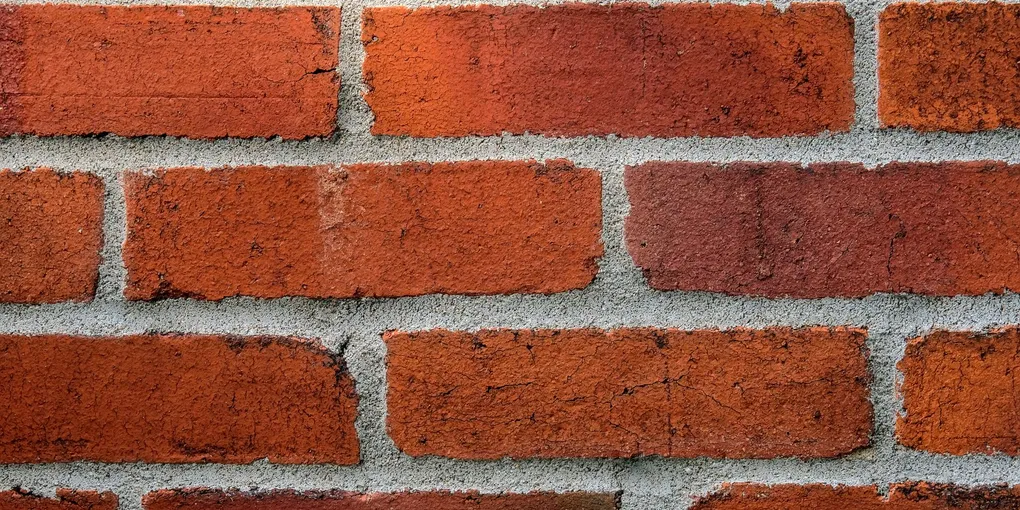
Masonry repair costs $500–$3,000 for typical residential projects. Tuckpointing (mortar joint repair) runs $8–$25 per linear foot, or $500–$2,000 for a chimney or garden wall. Brick replacement costs $10–$25 per brick including labor. Retaining wall repair costs $500–$5,000 depending on failure extent. Foundation crack repair runs $400–$2,500. Masonry repair is better done early — water infiltration through cracked mortar accelerates deterioration exponentially.
Frequently Asked Questions
How much does masonry repair cost?
Masonry repair pricing by service: tuckpointing (repointing mortar joints) $8–$25/LF or $50–$150/sq ft; brick replacement $10–$25/brick installed; spalling brick repair (epoxy or replacement) $200–$800 per section; brick wall crack repair $300–$1,000; retaining wall repair (partial) $500–$3,000; retaining wall rebuild $3,000–$15,000; concrete block crack repair $300–$900; stone veneer repair $500–$2,000. Labor for masonry work runs $60–$100/hr. Most residential masonry repair projects fall between $500 and $3,000.
What is tuckpointing and how much does it cost?
Tuckpointing (or repointing) replaces deteriorated mortar joints between bricks or stones while leaving the masonry units in place. Cost: $8–$25 per linear foot, or $500–$3,000 for a typical chimney or garden wall section. The process: chisel out the old mortar to 3/4-inch minimum depth (or until solid mortar is reached), clean the joint, dampen the surrounding masonry, and pack in fresh mortar matching the original type and composition. Mortar joint repair should be done whenever joints show cracks, gaps, or crumbling — early repair costs $500–$1,000; deferring until bricks are loose and falling costs $3,000–$10,000.
What causes brick walls to crack?
Brick wall cracks have four main causes: (1) Settlement — foundation movement creates stair-step cracks along mortar joints (the weakest path). These may indicate foundation movement requiring structural assessment. (2) Lintel failure — the steel lintel over windows or door openings rusts and expands, pushing bricks up or apart. (3) Freeze-thaw — water in cracks or porous mortar expands when frozen, widening cracks each winter. (4) Thermal expansion — long brick walls move with temperature changes; insufficient expansion joints allow cracks at stress points. Distinguishing active movement (crack is widening) from historic movement (crack is stable) determines urgency.
How much does it cost to repair a brick retaining wall?
Brick or block retaining wall repair costs $500–$3,000 for a 10–20 LF section of bulging, cracked, or leaning wall. The repair approach depends on the failure cause: drainage failure (weep holes blocked, soil pressure builds) — add drainage and reset wall; mortar failure — tuckpoint and reset displaced courses; complete structural failure — rebuild. Rebuilding a 4-foot tall, 20-LF retaining wall costs $3,000–$8,000. Retaining walls failing from drainage problems will fail again unless the drainage issue is resolved — always address hydrostatic pressure before rebuilding.
Can I tuckpoint brick myself?
Small sections under 20 sq ft are DIY-accessible with proper tools and technique. Key requirements: angle grinder with diamond masonry blade (or cold chisel) to remove old mortar to minimum 3/4-inch depth; Type S or Type N mortar premix matched to original; pointing trowel and joint strike tool. Common mistakes: not removing enough of the old mortar (new mortar over thin remnants fails quickly), using Portland-rich mortar harder than the bricks (new mortar should be softer than brick — use Type N for most older applications), and applying in freezing temperatures. Large areas, complex patterns, or historic brick require professional masons.
How do I match mortar color for a repair?
Mortar color matching is critical for a repair that doesn't look patched. Steps: (1) Let a test batch cure fully (28 days) before evaluating color — fresh mortar always looks different from cured. (2) Match mortar type (Type N, S, or M — softer is better for older brick). (3) Use mortar pigment if needed (iron oxides, $5–$15 per bag). (4) Consider lime putty mortars for pre-1950 brick — Portland cement mortar is too hard for soft historic brick and will crack adjacent units. Premixed tuck-pointing mortar products (QUIKRETE Mortar Repair, Sakrete Mortar Repair) are color-added but may not match perfectly — used best on non-visible areas.
Masonry repair costs $500–$3,000 for typical residential projects. Tuckpointing (mortar joint repair) runs $8–$25 per linear foot, or $500–$2,000 for a chimney or garden wall.
Masonry failures are water failures at their core — almost every deteriorated mortar joint, spalling brick, and cracked block started with water infiltration. Early repair when joints first show weathering costs $500–$2,000; deferred repair when bricks are loose, walls are bulging, or water has penetrated interior finishes costs $3,000–$15,000+.
Masonry Repair Cost by Type
| Repair | Cost |
|---|---|
| Tuckpointing (per linear foot) | $8–$25/LF |
| Tuckpointing (full chimney) | $500–$3,000 |
| Tuckpointing (garden wall, 20 LF) | $400–$1,200 |
| Brick replacement (per brick) | $10–$25 installed |
| Spalling brick repair (section) | $200–$800 |
| Cracked brick lintel repair | $400–$1,500 |
| Retaining wall repair (partial) | $500–$3,000 |
| Retaining wall rebuild (20 LF) | $3,000–$8,000 |
| Concrete block crack injection | $300–$900 |
| Foundation brick repointing | $500–$2,500 |
Mortar Type Reference
| Mortar Type | Compressive Strength | Use |
|---|---|---|
| Type O | 350 psi (very soft) | Pre-1920 soft historic brick |
| Type N | 750 psi (soft) | Most residential brick, 1920–2000 |
| Type S | 1,800 psi (medium) | Below-grade, pavers, post-2000 |
| Type M | 2,500 psi (hard) | Heavy load-bearing, very dense brick |
Always match mortar to brick hardness — harder mortar than the brick causes brick failure, not joint failure.
Regional Cost Variations
| Region | Tuckpointing (Per LF) | Chimney Repoint |
|---|---|---|
| Northeast (NY, MA, CT) | $12–$30 | $800–$4,000 |
| Mid-Atlantic (DC, MD, VA) | $10–$25 | $700–$3,000 |
| Midwest | $8–$22 | $500–$2,500 |
| Southeast | $8–$20 | $500–$2,200 |
| Southwest | $8–$20 | $500–$2,000 |
Higher-density urban areas (NYC, Boston, DC) have higher masonry labor rates because quality masons are in high demand and overhead costs are higher. Historic brick renovation work in these markets often runs at the top of the range.
Chimney Masonry Repair: The Most Common Residential Masonry Job
Chimneys are the most moisture-exposed masonry structure on a house — they project through the roof and are exposed to weather on all four sides.
| Chimney Repair | Cost |
|---|---|
| Repoint chimney crown (top cap) | $200–$500 |
| Full chimney repoint | $500–$3,000 |
| Crown rebuild | $300–$800 |
| Tuckpoint single face | $250–$700 |
| Brick replacement (chimney, per brick) | $15–$30 installed |
| Chimney waterproofing (after repair) | $150–$400 |
| Full chimney rebuild (above roofline) | $2,000–$8,000 |
Chimney inspection: a Level 1 chimney inspection ($100–$250) is required before any repair work — the inspector identifies all mortar and brick issues that need addressing. It prevents the common scenario of repointing the visible faces while missing deteriorated mortar on the back face or deteriorated crown.
Spalling Brick: Causes and Repair
Spalling is when brick faces pop off, exposing the interior of the brick. It’s caused by water-saturated brick freezing:
- Water infiltrates porous brick or cracked mortar
- Water freezes and expands inside the brick
- Face of the brick pops off (spalls) as ice pressure exceeds tensile strength
Repair options:
| Approach | Cost | Durability |
|---|---|---|
| Replace spalled bricks individually | $10–$25/brick | Good (30–50 yr) |
| Epoxy patch (small spalls only) | $5–$10/sq in patch | Moderate (10–20 yr) |
| Masonry waterproofing after repair | $1–$3/sq ft | Prevents recurrence |
Matching historic brick: finding matching brick for a pre-1950 home is the main challenge in spalling brick replacement. Salvage yards carry period brick ($1–$3/brick vs. $0.50–$1.00/brick for new). A mason who sources from salvage yards produces less visible repairs than one who uses new brick.
Foundation Masonry: Crack Assessment Guide
Foundation cracks are the most alarming masonry issue. Not all are structural:
| Crack Type | Appearance | Likely Cause | Action |
|---|---|---|---|
| Hairline (under 1/16”) | Thin, stable | Concrete shrinkage | Monitor, seal if water infiltrates |
| Vertical (1/16”–1/4”) | Straight down | Settlement or lateral pressure | Monitor with paper test; engineer if widening |
| Horizontal (any width) | Runs horizontally | Lateral soil or water pressure | Structural engineer immediately |
| Stair-step in brick | Diagonal along mortar joints | Foundation settlement | Engineer assessment |
| Wide vertical (>1/4”) | Wide gap | Significant movement | Structural engineer immediately |
The horizontal crack rule: horizontal cracks in block or brick foundations indicate inward pressure from soil or water — this is a structural failure mode requiring engineer assessment before any repair. Never treat a horizontal crack as a cosmetic issue.
Questions to Ask a Masonry Contractor
- What mortar type will you use? — should specify type appropriate for your brick age and location
- How deep will you remove existing mortar? — minimum 3/4 inch; anything less is a surface-only repair that fails quickly
- Do you have experience with historic brick? — relevant for pre-1950 homes
- Will you apply a water repellent after the repair? — proper follow-up step that most contractors skip
- What’s the warranty? — reputable masonry contractors offer 2–5 year warranty on repointing work
- Can you match the mortar color? — ask for a test patch to evaluate before full repair
DIY supplies (if you tackle it yourself)
Related Reading
- Chimney Repair Cost
- Foundation Repair Cost
- Siding Repair Cost
- Patio Installation Cost
- Water Damage Restoration Cost
- Annual Home Maintenance Schedule
- Identify whether cracks are active or dormant before choosing a repair approach
Crack monitoring tells you whether movement is ongoing: tape a piece of paper across the crack and mark the crack ends in pencil. Check weekly for 2–4 weeks. If the crack is widening (paper is moving, marks are spreading) — active movement, requires structural investigation before cosmetic repair. If stable — dormant, proceed with mortar repair. Active cracks that are repaired without addressing the root cause (foundation settlement, drainage, lintel failure) will reopen. A structural engineer assessment ($400–$700) for stair-step cracks or cracks wider than 1/4 inch is recommended before any repair investment.
- Match mortar type to the existing masonry — softer brick needs softer mortar
Mortar hardness is critical. Modern Portland cement mortar (Type S or M) is much harder than the soft brick used in homes built before 1950. Repointing old brick with hard mortar forces cracks through the brick faces when the wall moves — you've made the problem worse. Match mortar type to brick hardness: pre-1950 brick → lime-based mortar (NHL or Type O); 1950–1980 brick → Type N; post-1980 brick → Type N or Type S. A mason who recommends Type S mortar for a 1920s home without discussion is not matching the materials correctly. Hard mortar in soft brick joints typically fails within 5–10 years and cracks the bricks.
- Clean and dampen joints before applying fresh mortar
Joint preparation quality determines repair longevity. After removing old mortar: blow or vacuum out dust and debris (dust prevents mortar adhesion), wet the joint and surrounding brick with a brush and water (but not soaking — damp, not dripping). The dampening prevents the dry brick from absorbing moisture from the new mortar too quickly, which causes premature failure and cracking. On hot, dry, or windy days: mist the repair area every 20–30 minutes for the first 3–4 hours after application. Mortar should be covered with wet burlap or plastic in direct sun for the first 24 hours to control the cure rate.
- Address water infiltration — repair plus drainage
Most masonry damage is water-driven. After any tuckpointing or brick repair: apply a penetrating silane-siloxane masonry water repellent to the repaired section and adjacent masonry ($15–$30/gal, covers 50–75 sq ft). This penetrates 3–10mm into the masonry surface and dramatically reduces water absorption. It is vapor-permeable (allows moisture out) unlike film-forming sealers that trap moisture inside. Apply with a brush or roller, wetting each course. Re-apply every 7–10 years. This $50–$150 application after a $500–$1,000 mortar repair extends the repair life 15–20 years by eliminating the freeze-thaw cycling that caused the original failure.
- Get repair quotes that specify the mortar removal depth
The most common masonry repair shortcut: inadequate mortar removal depth. Minimum acceptable depth is 3/4 inch (19mm) or until solid original mortar is reached. Some contractors rake out joints to 1/4 inch and apply a thin skim of new mortar over the top — this fails within 2–5 years under freeze-thaw cycling. Ask: 'How deep will you remove the existing mortar?' The correct answer is 3/4 inch minimum, achieved with an angle grinder or oscillating tool. Also ask about joint tooling: the new mortar joint should be struck (concave or V-joint profile) to shed water — a flat or proud joint collects water and fails faster.
Free: 10-Point Home Maintenance Checklist
Prevent costly repairs with this seasonal checklist. Save hundreds every year by catching problems early.
Your checklist is ready!
Open Checklist →Something went wrong. View the checklist here.