Foundation Repair Cost 2026: $2,000–$7,500 by Damage Type
Foundation repair costs $2,000-$25,000 depending on damage severity. See pricing for crack repair, piers, leveling, waterproofing, and complete replacement.
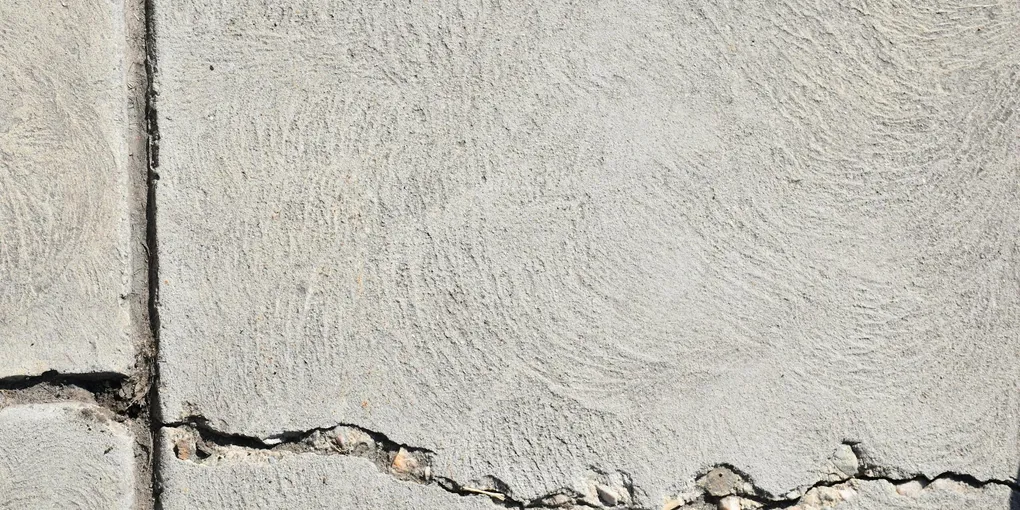
Foundation repair averages $2,000-$7,500 for typical issues, with minor cracks costing $500-$2,500, pier installation running $1,400-$3,000 per pier, and complete foundation replacement exceeding $40,000. Most homeowners pay $4,800 for mid-range repairs involving settling, water damage, or bowing walls.
Frequently Asked Questions
How do I know if my foundation needs repair?
Warning signs include: horizontal or stair-step cracks in walls, doors that stick or won't close, sloping floors (use a marble test), gaps between walls and ceilings, water in basement, and exterior brick separation. Hairline cracks under 1/16 inch are usually cosmetic; cracks wider than 1/4 inch need evaluation.
Is foundation repair covered by homeowners insurance?
Standard homeowners insurance covers foundation damage from sudden events (burst pipes, fire, tornado) but excludes gradual settling, soil movement, and water damage from poor drainage. Add flood insurance or a dedicated endorsement for expanded coverage.
How long does foundation repair take?
Minor crack injections: 1 day. Pier installation: 2-5 days for typical home. Wall anchors/bowing walls: 1-3 days. Complete foundation replacement: 3-6 weeks. Most families stay in their homes during repairs with limited disruption.
Does foundation repair affect home value?
Documented, properly warranted foundation repair does NOT hurt home value significantly—buyers see it as a resolved issue with paperwork. Unrepaired foundation damage typically reduces value 10-20%. Get transferable warranties; they protect resale.
Can I delay foundation repair?
Depends on severity. Minor cracks and slight settling can wait 6-24 months with monitoring. Active structural issues (widening cracks, floors continuing to slope, water intrusion) worsen quickly and costs escalate 15-40% annually when delayed.
What are the different types of foundation repair methods?
The most common methods: (1) Epoxy or polyurethane crack injection — for non-structural hairline cracks, $500–$2,500. (2) Steel push piers — driven 20–50 ft into stable soil to stabilize or lift a settling foundation, $1,400–$3,000 per pier. (3) Helical piers — screwed into soil, used where soil conditions prevent push pier installation. (4) Carbon fiber straps — for bowing or bulging walls without excavation, $400–$800 per strap. (5) Wall anchors — steel plate on outside of foundation pulled tight to stable soil, $1,500–$3,000 per anchor.
Should I get a structural engineer or go straight to a foundation repair company?
Get an independent structural engineer first ($300–$800). Foundation repair companies have a financial incentive to sell repairs — an independent engineer gives you an unbiased assessment of what actually needs fixing (and at what priority). The engineer's report also becomes your protection if a contractor's scope seems inflated. For minor cosmetic cracks, you can skip the engineer — those can be inspected and filled by a contractor directly.
How can I prevent foundation problems from developing?
Prevention is 90% drainage management: (1) Grade soil away from the foundation — the ground should slope 6 inches downward over the first 10 feet away from the house. This is the single most impactful step. (2) Clean gutters twice yearly and extend downspouts 5–10 feet from the foundation. Water dumping at the downspout base is a leading cause of foundation settlement. (3) Maintain consistent soil moisture — during droughts, water the soil around the foundation perimeter with a soaker hose to prevent the clay soil from shrinking away from the footings. (4) Keep large trees 20+ feet from the foundation — root systems create voids when trees die, and aggressive roots can damage shallow footings. (5) Repair any plumbing leaks immediately — underground pipe leaks saturate soil unevenly and cause differential settlement.
What kind of warranty should I expect on foundation repairs?
Quality foundation repair contractors offer lifetime transferable warranties on their work — meaning the warranty follows the house, not the homeowner, and transfers to buyers at sale. This is a major selling point at resale and a signal of contractor confidence in their method. Red flags: companies that offer only 1–3 year non-transferable warranties, or warranties with extensive exclusions for 'soil movement' that effectively cover nothing. Carbon fiber strap and wall anchor installations should carry 25-year to lifetime warranties. Pier installations should carry lifetime transferable warranties with a specific performance guarantee (no further settlement beyond a specified threshold). Get the full warranty text in writing before signing any contract.
Foundation repair averages $2,000-$7,500 for typical issues, with minor cracks costing $500-$2,500, pier installation running $1,400-$3,000 per pier, and complete foundation replacement exceeding $40,000.
Few home repair categories generate more anxiety than foundation issues. A $2,500 bathroom faucet replacement is inconvenient; a $15,000 foundation repair is genuinely scary. The good news is that foundation repair has matured dramatically over the past decade—techniques are proven, warranties are real, and costs are more predictable than most homeowners fear.
This guide breaks down 2026 foundation repair costs by damage type, repair method, and home characteristics. You’ll understand what drives pricing, which quotes are reasonable, and how to avoid the contractors who exploit panic pricing.
Quick Cost Overview
| Repair Type | Typical Cost | Urgency |
|---|---|---|
| Hairline crack injection | $500–$1,500 | Low |
| Major crack repair (epoxy/polyurethane) | $1,500–$3,500 | Medium |
| Push/Helical Piers (per pier) | $1,400–$3,000 | High |
| Wall Anchors (bowing walls) | $400–$1,000 per anchor | High |
| Underpinning (whole-home stabilization) | $10,000–$40,000 | High |
| Mudjacking/Polyjacking (slab leveling) | $500–$2,500 per slab | Medium |
| Basement Waterproofing (interior) | $3,000–$12,000 | Medium |
| Basement Waterproofing (exterior) | $5,000–$25,000 | High |
| Crawl Space Encapsulation | $5,000–$15,000 | Medium |
| Complete Foundation Replacement | $40,000–$120,000+ | Varies |
Average US foundation repair: $4,800 (Angi/HomeAdvisor 2026 data)
Cost Breakdown: What Drives Pricing
Home Size and Foundation Length
Larger homes = more perimeter = more potential piers = higher costs.
- 1,500 sq ft home: 4–6 piers typical ($8,000–$18,000)
- 2,500 sq ft home: 6–10 piers typical ($12,000–$30,000)
- 3,500+ sq ft home: 10+ piers typical ($18,000–$45,000)
Soil Conditions
- Expansive clay soils (TX, OK, KS, LA): Highest repair costs due to seasonal movement
- Coastal sandy soils: Moderate costs, more permanent repairs
- Rocky/bedrock soils: Often cheapest (stable base, fewer pier needs)
- Organic/fill soils: Highest costs (deep piers required to reach stable soil)
Accessibility
- Exposed foundation (no landscaping): Baseline
- Standard landscaping: +10–20% (must be excavated/restored)
- Deck/porch over foundation: +20–40% (structure removal/replacement)
- Finished basement interior repairs: +30–50% (wall/floor restoration)
Foundation Type
- Poured concrete: Predictable repair costs, strongest original construction
- Concrete block (CMU): Higher repair costs, vulnerable to bowing
- Stone/rubble (older homes): Specialty repair, highest costs
- Pier and beam: Relatively simple to repair, good access
Damage Type Deep Dive
1. Foundation Cracks
Not all cracks require repair. Here’s how to assess:
Cosmetic cracks (don’t worry):
- Hairline (< 1/16”)
- Vertical
- Located where concrete was poured in sections
- Don’t widen over time
Monitor closely:
- 1/16” to 1/8” wide
- Vertical or diagonal
- New cracks in homes < 5 years old (settling cracks)
Repair needed:
- Wider than 1/8”
- Horizontal cracks (structural)
- Stair-step cracks in block walls
- Cracks that leak water
- Cracks wider at top vs bottom (settlement) or vice versa (heaving)
Repair methods:
Epoxy injection ($300–$1,500 per crack):
- Strong structural bond
- Works best on non-leaking cracks
- Restores original wall strength
- ADV Injection Epoxy Kit is a DIY option for hairline cracks
Polyurethane injection ($300–$1,500 per crack):
- Best for leaking cracks (expands with water)
- Flexible seal
- Doesn’t restore structural strength
Hydraulic cement patching ($100–$400 DIY, $400–$800 pro):
- Surface repair only
- Short-term solution
- Good for non-structural hairlines
2. Settlement and Sinking (Needs Piers)
When soil beneath the foundation compresses or washes out, the foundation settles unevenly. Symptoms include sticking doors, cracked walls, and sloping floors.
Helical piers ($1,400–$3,000 per pier installed):
- Screw-like piers drilled into stable soil
- Best for lighter loads (single-story, additions, porches)
- Can be installed without heavy equipment
- Usually 6–12 piers per typical home
Push piers / Resistance piers ($1,500–$3,500 per pier installed):
- Driven into stable soil using building weight
- Best for heavier loads (multi-story homes)
- Reach greater depths than helical
- Usually 8–15 piers per typical home
Slab piers ($300–$1,000 per pier):
- For slab-on-grade foundations
- Installed through holes in interior slab
- Less invasive but less effective for major settlement
3. Bowing and Leaning Walls
Lateral soil pressure can cause basement walls to bow inward or crack horizontally. This is structural and worsens quickly.
Carbon fiber straps ($300–$700 per strap, 4–8 needed):
- Best for minor to moderate bowing
- No excavation required
- Transparent on painted walls
- Cannot reverse existing bowing; prevents further
Wall anchors / Tiebacks ($400–$1,000 per anchor, 6–12 needed):
- Steel plates inside basement + anchor in yard
- Can slowly pull bowing walls back to plumb
- Requires exterior yard access
Steel I-beam bracing ($600–$1,200 per beam, 4–8 needed):
- Vertical steel beams against basement wall
- Visible but very strong
- Good for severely bowed walls
Full wall rebuild ($15,000–$45,000):
- Last resort for severely bowed walls
- Excavation, demolition, rebuild
- Usually warranted for 20+ years
4. Water Damage and Waterproofing
Water is the leading cause of foundation damage. Repair methods vary by problem source.
Interior drainage systems ($3,000–$12,000):
- French drain inside basement perimeter
- Sump pump installation
- Covers daylighting around footer
- Best when exterior excavation is impractical
Exterior waterproofing ($5,000–$25,000):
- Full excavation to footer
- Membrane or liquid-applied sealant
- Perimeter drain tile installation
- Backfill with gravel and soil
- Best long-term solution but highest cost
Yard drainage ($2,000–$8,000):
- Grading correction
- Downspout extensions (10–20 feet from foundation)
- Sometimes solves issue without foundation work
- Always do this before or alongside foundation repair
5. Slab Leveling (Mudjacking/Polyjacking)
For settled concrete slabs (driveways, patios, garage floors, interior slab-on-grade):
Mudjacking ($500–$1,500 per slab):
- Slurry of cement and soil pumped beneath slab
- Raises slab back to level
- Cheaper, older method
- May settle again in 5–10 years
Polyjacking (polyurethane foam) ($800–$2,500 per slab):
- High-density foam injected beneath slab
- Faster cure, more permanent
- Lighter weight (doesn’t add soil load)
- More common in modern applications
6. Complete Foundation Replacement
Rare but sometimes necessary for severe damage or historic homes with failing stone/rubble foundations.
Cost: $40,000–$120,000+ Timeline: 3–6 weeks Process:
- House lifted with temporary steel beams + cribbing
- Old foundation demolished
- New foundation poured
- House lowered onto new foundation
- Connections (plumbing, electrical, HVAC) reconnected
Often combined with basement expansion, waterproofing, and structural upgrades. In many cases, it’s comparable to rebuilding versus repairing.
Pier Cost Calculation
Piers are the most common major foundation repair. Here’s how pricing works:
Cost per pier: $1,400–$3,000 installed Pier depth: 15–40 feet typical (deeper in fill/organic soils) Piers per home:
- Detected settlement area only: 4–6 piers ($8,000–$18,000)
- Full stabilization: 8–15 piers ($12,000–$45,000)
- Whole-home underpinning: 15–30 piers ($25,000–$90,000)
Red flag: Contractors who recommend piers without a structural engineer’s evaluation. Each pier should address a specific, measured problem.
Regional Cost Variations
Foundation repair costs vary significantly by region:
- Texas and Oklahoma (expansive clay): 15–25% above national average due to recurring issues
- Northeast (freeze-thaw, old foundations): Premium pricing for brownstone/historic repairs
- Southeast (humidity, coastal): Mid-range; high waterproofing costs
- Midwest (glacial soils): Typical baseline costs
- Pacific Northwest (rain, earthquake retrofit): 10–20% premium
- California (earthquake retrofit overlap): High costs, often combined with seismic
DIY Foundation Repair: Limits
Some foundation issues can be DIY:
Homeowner-appropriate:
- Hairline crack sealing with hydraulic cement or epoxy injection ($50–$200 in materials)
- Downspout extensions and grading improvements ($100–$500)
- Gutter maintenance to prevent overflow ($0–$200)
- Monitoring with crack measurement (ADV Crack Monitor Kit)
- Interior waterproofing paint for minor seepage ($100–$400)
Never DIY:
- Pier installation (engineering required)
- Wall anchors/tiebacks (structural)
- Major crack repair on structural walls
- Any work on bowing walls
- Replacement foundation
Drylok Extreme Masonry Waterproofer is a common DIY product for minor interior seepage (not structural issues).
Insurance Coverage Navigation
Standard homeowners insurance covers foundation damage from:
- Explosions
- Falling trees/structures
- Fire damage
- Burst pipes (sudden)
- Vehicle impacts
- Tornadoes/hurricanes (if covered)
Standard insurance excludes:
- Gradual settling
- Soil movement (expansion/contraction)
- Groundwater seepage
- Poor drainage
- Tree root damage
- Earthquake (separate policy needed)
- Flood (separate policy needed)
If you experience sudden damage, file a claim immediately. Document with photos, keep all receipts, and request claim adjuster visit before major repairs.
Getting Multiple Quotes
Always get 3+ quotes for major foundation work:
Request from each contractor:
- Written structural engineer’s report (or commitment to get one)
- Itemized quote with specific products/methods
- Warranty terms (lifetime? transferable?)
- References from past 2 years of similar work
- Insurance certificates (liability + workers’ comp)
- State contractor license number
- Payment schedule (never pay more than 30% upfront)
Compare thoughtfully:
- Don’t automatically pick cheapest
- Don’t automatically pick most expensive
- Red flag: Quotes varying 2-3x for same scope
- Red flag: Same-day pressure tactics
- Red flag: “Foundation is failing catastrophically” language
Warranties: What to Expect
Industry-standard foundation warranties in 2026:
Lifetime transferable warranties (best):
- Cover specific repair method for as long as home stands
- Transfer to next homeowner (adds resale value)
- Company must be in business to honor (research track record)
- Typical from major franchises (Basement Systems, Foundation Supportworks, Groundworks)
5-year/10-year warranties:
- Mid-tier contractors
- Usually cover installation defects only
- May transfer once
1-year warranties:
- Minimum acceptable
- Budget contractors
- Good for minor repairs
Waterproofing warranties often include a water re-entry clause—if the repair fails, they return and redo at no charge.
Foundation Repair Financing Options
- Home equity loan/HELOC: 7–10% APR typical, interest may be tax-deductible
- Personal loans: 8–15% APR, unsecured
- Contractor financing: Often 0% APR for 12–18 months, then high rate
- FHA 203(k) loan: For buying home with foundation issues; rolls repair into mortgage
- Credit cards: Last resort due to high rates
Major foundation work (>$10,000) is worth financing rather than delaying—costs typically escalate 15–40% annually for progressing damage.
Sample Cost Calculations
Scenario 1: Minor settlement, 2,000 sq ft ranch
- Engineer evaluation: $500
- 4 helical piers for addition: $8,000
- Minor crack repair: $800
- Total: $9,300
Scenario 2: Bowing basement walls, 2,500 sq ft two-story
- Engineer evaluation: $600
- 8 carbon fiber straps: $3,800
- Interior drainage + sump: $6,500
- Exterior grading work: $2,000
- Total: $12,900
Scenario 3: Severe settlement, 3,000 sq ft colonial
- Engineer evaluation: $800
- 12 push piers: $30,000
- Slab leveling in basement: $2,500
- Minor crack repair throughout: $1,500
- Total: $34,800
Scenario 4: Emergency water intrusion, 1,800 sq ft basement
- Exterior excavation and waterproofing: $16,000
- Interior sump pump installation: $1,800
- Drain tile installation: $3,500
- Total: $21,300
Red Flags and Scams
Foundation repair has more scammers than most home improvement categories. Watch for:
- Door-to-door sales after storms claiming visible damage
- “Free inspection” with high-pressure close same day
- Quotes without engineer evaluation for major work
- No itemized quote (“just trust us”)
- Cash-only or large upfront payment demands
- Promises that seem too good (“we’ll lift your house for $2,500”)
- Contractors who refuse to put warranty in writing
- Companies less than 5 years old for major work (warranty only good if company exists)
Report suspicious contractors to your state attorney general’s consumer protection office.
Preventing Future Foundation Issues
After repair, prevent recurrence:
- Maintain grade: Soil should slope away from foundation 6” over first 10 feet
- Extend downspouts: 10–15 feet from foundation minimum
- Install gutter guards: Prevents clogging and overflow
- Monitor trees: Remove/root-prune trees within 15 feet of foundation
- Control basement humidity: < 50% relative humidity with dehumidifier
- Inspect annually: Walk perimeter looking for new cracks, gaps, or water marks
- Water plants away from foundation: Prevents soil expansion/contraction
When to Walk Away from a Home
If you’re considering buying a home with foundation issues:
Usually fine to buy (with price adjustment):
- Repaired foundation with transferable warranty
- Minor settling addressed with piers
- Properly waterproofed basement
Proceed cautiously:
- Active movement in progress
- Multiple major systems failing simultaneously
- Insurance won’t cover (prior claims issue)
Walk away:
- Documented structural engineer recommending condemnation
- Foundation replacement required
- Home seller hiding damage disclosure
Final Thoughts
Foundation repair costs vary wildly because foundation damage varies wildly. The same house could have $500 in cosmetic crack repair or $60,000 in full stabilization. The key is proper diagnosis before repair—invest in a $500–$800 structural engineer’s report before signing any major repair contract.
For most homeowners, foundation repair is a one-time expense that stabilizes the home for the remainder of its lifespan. Quality repair done once with a transferable warranty protects you and the next owner. Cheap repair done repeatedly costs 2–3x more over time and creates documented ongoing damage that tanks resale value.
Regional Foundation Repair Cost Variations
Foundation repair costs vary significantly by region due to soil conditions, contractor density, and labor rates:
| Region | Minor Crack Repair | Pier Installation (per pier) | Full Stabilization (8 piers) | Drainage System |
|---|---|---|---|---|
| Northeast (NY, MA, NJ) | $500–$1,500 | $1,500–$3,500 | $12,000–$28,000 | $6,000–$14,000 |
| Mid-Atlantic (DC, MD, VA) | $450–$1,400 | $1,400–$3,200 | $11,000–$26,000 | $5,500–$13,000 |
| Southeast (FL, GA, TX) | $400–$1,200 | $1,200–$2,800 | $9,500–$22,000 | $4,500–$11,000 |
| Midwest | $450–$1,300 | $1,300–$3,000 | $10,000–$24,000 | $5,000–$12,000 |
| Pacific (CA, WA, OR) | $500–$1,500 | $1,400–$3,300 | $11,000–$27,000 | $5,500–$13,500 |
Expansive clay soils (common in Texas and parts of the Southeast) and frost heave (Midwest and Northeast) drive higher pier counts and more frequent foundation issues. Seismic requirements in the Pacific region add structural bracing costs not applicable elsewhere.
Foundation Repair Contractor Comparison
| Company Type | Service | Typical Cost | Best For | Watch For |
|---|---|---|---|---|
| Local structural engineer (independent) | Diagnosis and specifications only | $500–$1,500 | Unbiased assessment before hiring a repair contractor | Not a repair contractor; opinion only — critical before major work |
| Specialized foundation repair company | Full repair including piers, drainage, encapsulation | $5,000–$60,000+ | Complete repair with warranty | Many use salespeople, not engineers, for diagnosis; get a separate engineering opinion on major jobs |
| Olshan Foundation Solutions | Piers, carbon fiber, drainage | $3,000–$40,000 | Southeast and Midwest; large national presence | Franchise quality varies; warranty is company-wide but local execution matters |
| Groundworks (regional brands) | Full-service foundation + waterproofing | $4,000–$50,000 | Multiple regions; established local brands | Acquired multiple regional companies; consistent warranty across brands |
| Ram Jack (piers/helical) | Pier installation and stabilization | $4,000–$40,000 | Commercial-grade helical and push piers | Strong engineer involvement; widely used commercially |
| Basement Systems (franchise) | Waterproofing and drainage | $3,000–$20,000 | Basement water issues specifically | Water management focused; for structural issues, also need a pier contractor |
An independent structural engineer’s assessment before signing any major repair contract is the most valuable $500–$800 spent on a foundation project — it provides an unbiased diagnosis and protects against overdiagnosis by repair companies with financial incentives.
Questions to Ask Your Foundation Repair Contractor
- Is the diagnosis being provided by a licensed structural engineer, or by a salesperson? — foundation repair companies often send sales representatives (not engineers) to diagnose foundation issues; the salesperson’s incentive is to maximize repair scope; ask whether a licensed PE (Professional Engineer) has reviewed the diagnosis, and consider getting a second opinion from an independent structural engineer ($500–$800) before authorizing major work
- Is the proposed repair a permanent fix, or a stabilization that prevents further movement? — helical and push piers stabilize the foundation at its current position; they typically do not raise the house back to original grade; understand whether the repair “stops the problem” or “fixes the damage already done,” and whether a separate cosmetic repair scope (repointing, drywall, door adjustment) is needed at additional cost
- What warranty is provided, and is it transferable to a new owner? — lifetime warranties from foundation companies are only as good as the company’s continued existence; ask what the warranty covers specifically (settlement beyond X amount, any future movement), what maintenance is required to keep it valid, and whether it transfers to a future buyer — transferable warranties significantly improve resale value
- What permits are required, and will you pull them? — structural repair including pier installation, drainage installation, and basement waterproofing typically requires building permits and inspections; permits protect you legally and ensure the work meets code; a contractor who discourages permits is creating liability
- What drainage and moisture conditions are causing the foundation movement, and are those addressed in this quote? — foundation movement is almost always caused by soil moisture change; piers stabilize the structure but don’t fix the underlying cause; ask the contractor to explain what drainage, grading, or moisture management changes are recommended alongside the structural repair to prevent the problem from recurring
Related Reading
- Basement Waterproofing Cost
- Crawl Space Encapsulation Cost — related moisture-control option for non-basement homes
- Mold Remediation Cost
- How to Install a Sump Pump
- Radon Mitigation Cost
- Sewer Line Replacement Cost
- Best Sump Pumps for Basements
- How to Fix a Broken Gutter Downspout — repair drainage that may have contributed to foundation water intrusion
- Egress Window Installation Cost — code-required in basement bedrooms; often done during foundation work; $2,500–$5,500
- Floor Joist Repair Cost — structural joist damage often accompanies foundation problems; $500–$5,000
- Masonry Repair Cost — tuckpointing and brick repair often needed after foundation movement damages mortar joints; $500–$3,000
Product links on this page are Amazon affiliate links. As an Amazon Associate, Fix Up First earns from qualifying purchases. All recommendations reflect independent product research.
- Document the symptoms
Photograph cracks with rulers for scale and dates visible. Measure door/window gaps. Check if cracks appear seasonally or are progressive. This establishes baseline for contractor evaluation.
- Get structural engineer evaluation
Independent structural engineers ($300-$800) provide unbiased diagnosis separate from repair contractors. Their report becomes your roadmap and negotiating tool with contractors.
- Get 3 contractor quotes with same scope
Provide each contractor the engineer's report and request itemized quotes. Compare method, warranty terms, and transferability. Reject quotes that diverge significantly in scope from the engineer's recommendation.
- Verify licensing and insurance
Foundation contractors need state licensing (most states), $1M+ liability insurance, and workers' compensation. Request certificates of insurance directly from carriers, not just copies from contractor.
- Review warranties carefully
Quality foundation warranties are lifetime, transferable to next homeowner, and cover the specific repair method. Beware 1-year labor-only warranties—common in budget quotes.
- Schedule repair and documentation
Most repairs happen with homeowner present. Document before/during/after with photos. Keep engineer report, permits, warranty, and invoices together for future sale.
Free: 10-Point Home Maintenance Checklist
Prevent costly repairs with this seasonal checklist. Save hundreds every year by catching problems early.
Your checklist is ready!
Open Checklist →Something went wrong. View the checklist here.