Sewer Line Replacement Cost 2026: $3,000–$25,000 by Method
Sewer line replacement costs $3,000-$25,000 depending on line length, depth, and method. Trenchless runs $80-$250 per linear foot; dig-and-replace runs $50-$200.
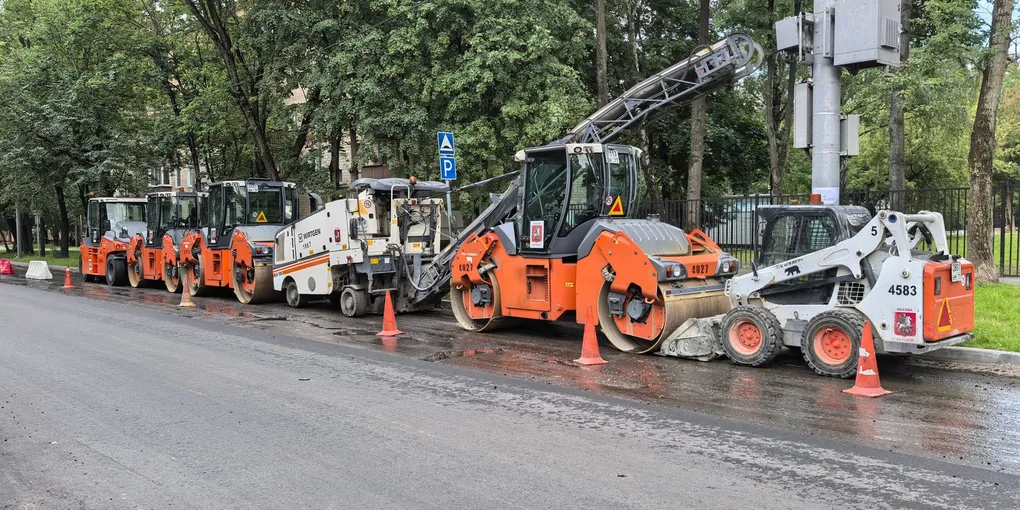
Sewer line replacement costs $3,000-$25,000 for a typical residential job. Trenchless pipe bursting or relining runs $80-$250 per linear foot. Traditional dig-and-replace runs $50-$200 per linear foot plus $1,500-$6,000 in restoration (driveway, lawn, landscaping). Most homes have 40-80 feet of lateral line from house to street main.
Frequently Asked Questions
What's the difference between sewer line repair and replacement?
Repair addresses a specific problem area — a crack, offset joint, or root intrusion — at $500-$4,500. Replacement swaps the entire line end-to-end, either trenchless or by excavation. Replace when multiple sections fail, the pipe is clay/cast iron from 1980 or earlier, or camera inspection shows more than 30-40% of the line compromised.
Does homeowners insurance cover sewer line replacement?
Standard policies exclude wear-and-tear sewer line failures. Some carriers sell a 'service line' rider for $50-$100/year that covers up to $10,000 in sewer lateral repairs — usually worthwhile for homes 40+ years old. City/utility programs vary; some localities own the line to the curb and cover that section.
How do I know if I need trenchless or traditional replacement?
Trenchless (pipe bursting or cured-in-place lining) works when the existing line has no severe offset, collapse, or crushing. A camera inspection before quoting determines suitability. Trenchless costs 20-40% more per foot but saves $3,000-$15,000 in restoration costs since no trench is needed. Traditional dig is required when the line is collapsed, the route needs changing, or the trenchless crew can't access an insertion point.
How long does a sewer line replacement take?
Trenchless replacement: 1-2 days for most residential jobs. Traditional dig-and-replace: 2-5 days plus 1-3 weeks for surface restoration (driveway repour, lawn/sod). You'll need alternative plumbing or to stay elsewhere for 1-2 days during the pipe-swap phase. Water and sewer service is restored daily but final inspection and backfill take a full day.
Can I avoid full replacement with spot repair or relining?
Sometimes. Spot repair with CIPP (cured-in-place pipe) works for localized damage: $1,500-$4,500 for a 10-20 foot section. Hydro-jetting with enzymatic root treatment delays full replacement for a few years in borderline cases. But if your pipe is Orangeburg (tar-paper, common pre-1970), clay that's heaved, or cast iron over 70 years old, replacement is usually the right long-term choice.
Sewer line replacement costs $3,000–$12,000 for traditional excavation or $4,000–$15,000 for trenchless replacement in 2026. Trenchless methods (pipe bursting or pipe lining) avoid tearing up your yard but cost 20–40% more. Most homeowners’ insurance does NOT cover sewer line failure — a sewer line rider ($5–$10/month) covers replacement costs. Symptoms of a failing sewer line: multiple slow drains, gurgling, sewage smell, and lawn patches that are greener than the rest.
Sewer line replacement is the worst-case scenario most homeowners never see coming — until a backup in the basement forces the issue. It’s also one of the biggest single repair bills a home can throw at you. This guide breaks down what replacement actually costs, how to know when you need it, and why the method (trenchless vs. traditional) matters as much as the length of pipe being replaced.
Sewer line replacement cost at a glance
| Scenario | Method | Typical cost |
|---|---|---|
| Small repair (single section) | Spot dig | $500 – $2,500 |
| Spot CIPP lining | Trenchless | $1,500 – $4,500 |
| Short residential lateral (30-50 ft) | Trenchless | $2,500 – $8,000 |
| Short residential lateral (30-50 ft) | Traditional dig | $2,000 – $7,500 + restoration |
| Standard lateral (50-80 ft) | Trenchless | $4,500 – $15,000 |
| Standard lateral (50-80 ft) | Traditional dig | $3,500 – $12,000 + restoration |
| Long lateral (100+ ft) | Trenchless | $8,000 – $25,000+ |
| Long lateral (100+ ft) | Traditional dig | $6,500 – $20,000 + restoration |
National average: $3,000-$25,000 all-in. Most homes with standard laterals run $4,000-$13,000.
Per-foot pricing
| Method | Cost per linear foot | Best for |
|---|---|---|
| Pipe bursting | $80 – $200 | Straight runs with no severe offsets |
| Cured-in-place pipe (CIPP) | $100 – $250 | Existing pipe intact enough to host liner |
| Traditional dig and replace (shallow, 3-5 ft) | $50 – $150 | Any failure, short runs, no hardscape above |
| Traditional dig and replace (deep, 6-12 ft) | $100 – $200 | Deep lines, basement-exit sewers |
| Traditional under driveway/concrete | $150 – $300+ | Lines requiring concrete saw + repour |
What’s included in the per-foot price
- Pipe materials (PVC Schedule 40 or SDR-35 for new install; liner for CIPP)
- Labor to excavate, remove old, install new, and backfill
- Cleanout installation at house side (if not existing)
- Basic trench restoration (dirt, not surface material)
What’s NOT included
- Surface restoration — driveway concrete/asphalt, sod, landscaping: $1,500-$6,000+
- Tree removal if roots require it: $500-$3,000+
- Permits — $150-$600
- Camera inspection (pre-work): $275-$600 (often credited back if replacement follows)
- Inspection fee by city at rough-in and final: $100-$300
- Traffic control if the work reaches the street: $200-$1,500
Restoration costs can easily equal or exceed the pipe work itself, which is why trenchless is so appealing when it’s an option.
Why sewer lines fail
Understanding the failure mode helps you estimate the repair. Most residential laterals fail from:
- Tree root intrusion. Fine roots find tiny leaks, then grow into the pipe and block it. Common in homes over 30 years old, especially with mature trees within 30 feet of the line.
- Joint offset. Ground settling or frost heaving shifts pipe joints apart. Grease and solids catch at the offset, eventually causing full blockage.
- Pipe material failure. Clay tile (pre-1970), cast iron (pre-1975), and Orangeburg (1940s-1970s) all degrade with age. Clay cracks, cast iron corrodes from inside, Orangeburg literally flakes apart.
- Belly / sag. Soil shift creates a low spot where solids accumulate.
- Collapse. Terminal failure after decades of erosion or heavy ground loads.
- Grease buildup. Years of FOG (fats, oils, grease) narrow the pipe interior. Reversible with cleaning; chronic grease homes often need replacement anyway.
Trenchless methods
Pipe bursting
A steel pulling head explodes the existing pipe outward while a new HDPE (high-density polyethylene) pipe is pulled through the same path. Exit the soil through two small pits (one at each end of the run).
Pros: 1-day install, minimal surface disruption, new HDPE lasts 80-100 years, can slightly upsize the pipe.
Cons: Requires access pits at both ends, doesn’t work if pipe is collapsed, more expensive per foot than traditional dig in open areas.
Cost: $80-$200 per linear foot.
Cured-in-place pipe (CIPP)
An epoxy-saturated felt or fiberglass liner is inserted into the existing pipe, inflated, and cured with hot water or steam. The liner bonds to the existing pipe walls, creating a new pipe inside the old one.
Pros: Minimal excavation (single access point usually), 1-day install, 50-year lifespan.
Cons: Slightly reduces pipe diameter (1/4 inch), requires existing pipe to be structurally intact, doesn’t fix severe offsets or bellies.
Cost: $100-$250 per linear foot.
When trenchless won’t work
- Pipe is fully collapsed or bellied
- Severe joint offsets prevent pipe bursting head from moving through
- Pipe route needs to change (e.g., relocating the line to avoid tree roots)
- Municipal code prohibits (rare but some older jurisdictions require open trench for inspection)
Traditional dig-and-replace
The old-school method. Excavate a trench along the sewer line route, remove the old pipe, lay new pipe, backfill, and restore the surface.
Pros: Works regardless of existing pipe condition, allows re-routing, full visual inspection by contractor and city, typically cheapest per-foot when no surface restoration needed.
Cons: 2-5 day project, trench disrupts lawn/driveway/landscaping, restoration costs pile up fast in finished yards.
Cost: $50-$200 per linear foot for pipe work; $1,500-$6,000+ for restoration.
Typical restoration costs
| Surface | Typical restoration cost |
|---|---|
| Basic lawn reseeding | $300 – $800 |
| Sod replacement | $800 – $2,500 |
| Asphalt driveway patch | $500 – $1,800 |
| Concrete driveway patch + match | $1,500 – $4,500 |
| Brick paver walkway | $1,000 – $3,000 |
| Stamped concrete patio | $2,500 – $6,000 |
| Landscaping (bushes, mulch, edging) | $500 – $3,500 |
| Mature tree replacement | $500 – $2,500 per tree |
The single biggest cost driver in traditional replacement is whether the line runs under finished hardscape (driveways, patios, walkways). Under a grass-only yard, trenching cost is reasonable. Under a concrete driveway, the restoration triples the project cost.
What determines your total cost
Line length
Standard residential laterals are 40-80 feet from the house’s main cleanout to the city tap at the street. Country properties on septic run longer; urban properties can be shorter.
Line depth
- Shallow (3-5 feet): Standard for most homes. Cheapest excavation.
- Medium (5-8 feet): Common in homes with basement-level sewer exits. +20-40% labor.
- Deep (8-12+ feet): Required in northern climates with deep frost lines, or homes with deep basements. +50-100% labor.
Pipe material being replaced
- Old clay or Orangeburg: Easiest to remove and replace.
- Cast iron: Heavy, often needs cutting and extraction.
- Concrete: Labor-intensive removal; adds $500-$2,000.
Access difficulty
- Clear side yard with driveway access: Normal.
- Tight urban lot, no vehicle access to line route: +$1,500-$5,000 for hand labor.
- Line runs under house (basement slab): Major excavation inside the home. Often cheaper to abandon and re-route.
Jurisdiction requirements
- Shared responsibility. Some cities own the line from curb to main (city pays for that part). Others own only to the property line.
- Sidewalk or street work. If replacement reaches the municipal main, traffic control and road repair add $2,000-$8,000.
- Backflow prevention required (newer builds, certain zones): $300-$1,200.
- Cleanout upgrade to code: $150-$500.
How to know if you need replacement vs. repair
Camera inspection first
Any significant sewer work should start with a $275-$600 camera inspection. The operator threads a waterproof camera down the line from an existing cleanout and records video of the entire pipe.
The camera reveals:
- Root intrusion severity and location
- Joint offsets, cracks, and bellies
- Pipe material and condition
- Exact distance to problem areas
- Whether trenchless is feasible
Don’t let a contractor quote replacement without showing you camera footage. Reputable companies give you the recording.
Signs you probably need full replacement
- Multiple backups per year despite professional snaking/jetting
- Camera shows 30%+ of line compromised
- Pipe material is pre-1970 (clay, Orangeburg, old cast iron)
- Bellied or sagging sections
- Major offsets or collapses
- Repeated root intrusion despite tree removal or root-killing treatments
- Water damage in basement (slow leaks can happen for years before discovery)
Signs spot repair is fine
- Single localized problem visible on camera
- Rest of pipe is structurally sound
- Pipe is modern PVC or decent-condition cast iron
- Budget is a strong constraint
DIY feasibility: essentially none
Sewer replacement is not DIY. Reasons:
- Permits and code. Most jurisdictions require licensed plumbers for any sewer work. Unpermitted work can block home sale.
- Equipment. Excavators, pipe bursting gear, or CIPP equipment are heavy industrial tools. Rental alone is $500-$2,000/day.
- Confined space and trench safety. OSHA requires trench shoring above 5 feet. Cave-ins kill 25+ people annually.
- Utility conflicts. 811 locates must be called and respected. Hitting a gas or power line is catastrophic.
- Inspections. City inspects rough-in and final. DIY work without inspections means the line is uninsurable.
The only “DIY” sewer work you should do:
- Regular enzymatic drain maintenance (enzyme drain cleaners) to prevent grease buildup
- Annual root-killing treatments for homes with mature trees near lines
- Plumbing camera rentals for visual inspection (optional curiosity check; pros still needed for any serious work)
- Running a mechanical snake for minor clogs: $50-$150 snake rental
Getting good quotes
- Get 3 written quotes. Wide variance is normal — price the method, not just the total.
- Insist on camera inspection results. Video or still images, not just a verbal summary.
- Ask specifically about trenchless feasibility. Some contractors don’t offer trenchless and will push you to dig without mentioning alternatives.
- Verify license and insurance. Sewer work requires state plumbing licensure. Workers’ comp must be current.
- Read the restoration fine print. Does the quote include re-sodding? Re-pouring concrete? Matching existing paver patterns? Get this in writing.
- Check municipal responsibility. Your city may own part of the lateral. Verify before paying for work the city would have done.
- Ask about warranty. Quality installs should include 5-10 year workmanship warranty plus material manufacturer warranty (50 years for HDPE, 50 years for CIPP liner).
Financing the replacement
Sewer replacement is rarely budgeted. Options:
- Sewer lateral insurance riders (before the failure) — $50-$100/year for $10,000 coverage
- HELOC — lowest interest, 6-8% typical for established homeowners
- Contractor financing — fast approval, usually 9-18% APR
- Credit card 0% intro — only safe if you can pay it off in the promo window
- City loan programs — some cities offer low-interest loans or assessment programs for sewer work; ask your city department of public works
Regional Sewer Line Replacement Cost Variations
| Region | Trenchless CIPP (50 LF) | Pipe Burst (50 LF) | Traditional Dig-and-Replace (50 LF) |
|---|---|---|---|
| Northeast (NY, MA, NJ) | $5,500–$14,000 | $4,500–$12,000 | $4,000–$12,000 |
| Mid-Atlantic (DC, MD, VA) | $5,000–$13,000 | $4,000–$11,000 | $3,500–$11,000 |
| Southeast (FL, GA, TX) | $4,000–$10,000 | $3,200–$9,000 | $2,800–$9,000 |
| Midwest | $4,200–$11,000 | $3,500–$9,500 | $3,000–$9,500 |
| Pacific (CA, WA, OR) | $5,200–$13,500 | $4,200–$11,500 | $3,800–$11,500 |
50 linear feet is typical for single-family residential. Soil conditions, depth (>6 ft), concrete cutting, and landscape restoration significantly affect final cost.
Sewer Line Contractor Comparison
| Contractor Type | Best For | Cost Level | Notes |
|---|---|---|---|
| Local licensed plumber/drain specialist | Best value for most repairs; accountable | Moderate | Established plumbers know local inspection requirements and soil conditions |
| Roto-Rooter | Emergency service; 24/7 availability | High | National brand; premium pricing; fast response time; good for urgent failures |
| Mr. Rooter | Non-emergency repairs; flat-rate pricing | Moderate–High | Franchise model; upfront pricing reduces surprise charges |
| NuFlow Technologies | Trenchless specialists; CIPP lining | Moderate–High | CIPP lining specialist; good for preservation of historic or complex landscapes |
| Perma-Pipe / national CIPP network | Commercial and large-diameter trenchless | High | Enterprise-focused; overkill for residential; good for commercial or municipal adjacency |
| City/municipality referral | City-side vs. homeowner-side boundary disputes | Varies | City owns the main; you own the lateral — always confirm the boundary before authorizing work |
For sewer lateral replacement, always get 3 quotes from licensed plumbers. The difference between the low and high bid is often $3,000–$8,000 for the same scope — inspection reports and camera video help you compare apples to apples.
Questions to Ask Your Sewer Line Contractor
-
Have you run a camera inspection to confirm the full extent of the damage, and can I see the video? — Sewer line diagnosis without camera video is guesswork. A camera inspection ($150–$400) shows the exact location and nature of the damage: root intrusion, offset joint, belly (sag), collapse, or deterioration. Ask: “Has a camera inspection been performed, and can I see the footage?” Understanding what you’re looking at — and where the damage is — is essential for evaluating whether a spot repair, lining, or full replacement is appropriate. A contractor who quotes replacement without camera evidence may be recommending more work than necessary.
-
Is this a spot repair, full liner, or full replacement — and what is the specific reason each alternative was or wasn’t recommended? — Three options exist for most damaged sewer laterals: (1) spot repair (excavate only at the damage point, $1,500–$4,000); (2) CIPP lining (trenchless liner through the full pipe, $4,000–$12,000); (3) full dig-and-replace ($3,000–$12,000+). Ask: “Why are you recommending full replacement vs. a spot repair or liner?” The answer should reference specific camera footage. A contractor who always recommends the most expensive option regardless of the specific damage pattern may not be giving you an objective recommendation.
-
Does the scope include a permit and inspection, and what specific inspections does the local code require? — Sewer line work in most jurisdictions requires a plumbing permit and at minimum a final inspection by the local building department or public works authority. Some municipalities also require a pre-connection inspection when tying into the city main. Ask: “Does your quote include the permit, and what inspections are required?” Unpermitted sewer work is a significant title risk — it must be disclosed at sale, and municipalities increasingly require pressure tests or inspections at point of sale for sewer laterals.
-
What trenchless method will you use if proposing trenchless — CIPP lining or pipe bursting — and is the existing pipe suitable for each? — Not all pipes are candidates for each trenchless method. CIPP (cured-in-place pipe) lining works best in pipes with intact structure that just have cracks, root intrusion, or joint failures. Pipe bursting (using a bursting head to fracture the old pipe while pulling through new HDPE) requires adequate soil clearance and intact access pits. Ask: “Which method are you using, and why is it appropriate for my pipe’s condition?” Also ask about the new liner/pipe material (HDPE for bursting; fiberglass/felt-liner for CIPP), wall thickness, and warranty.
-
What does the price include for restoration — landscape, concrete, driveway, or pavement — and what is the process for restoring surfaces that are cut? — Sewer lateral replacement often crosses driveways, sidewalks, landscaping, or finished surfaces. Ask: “What is your restoration scope?” and “What is the landscaping and surface restoration included in this quote?” Get specifics: “If you cut the concrete driveway, is patching included? What finish will the patch match?” Pavement cuts and concrete patches often don’t blend perfectly with the original surface — understanding this before authorizing work prevents a dispute about an unpainted concrete patch in your driveway that you assumed would be restored to match.
Related Reading
- Septic Tank Pumping Cost
- How to Unclog a Toilet
- How to Fix a Running Toilet
- Basement Waterproofing Cost
- How to Install a Sump Pump
- Home Inspection Cost
Bottom line
Sewer line replacement runs $3,000-$25,000, with most residential jobs landing $4,500-$13,000 all-in. Trenchless methods (pipe bursting and CIPP lining) cost 20-40% more per foot but save thousands in restoration — almost always worth it when the existing pipe structure supports the method. Start every project with a camera inspection, get three quotes with video evidence, and verify licensing before signing. Sewer lines last 50-100 years when installed properly in PVC or HDPE — pay for quality workmanship and you’ll never see this bill again.
Free: 10-Point Home Maintenance Checklist
Prevent costly repairs with this seasonal checklist. Save hundreds every year by catching problems early.
Your checklist is ready!
Open Checklist →Something went wrong. View the checklist here.