Septic Tank Pumping Cost 2026: $275–$600 by Tank Size
Septic tank pumping costs $275-$600 nationally, with most 1,000-gallon tanks running $300-$450. See pricing by tank size, region, and add-on services.
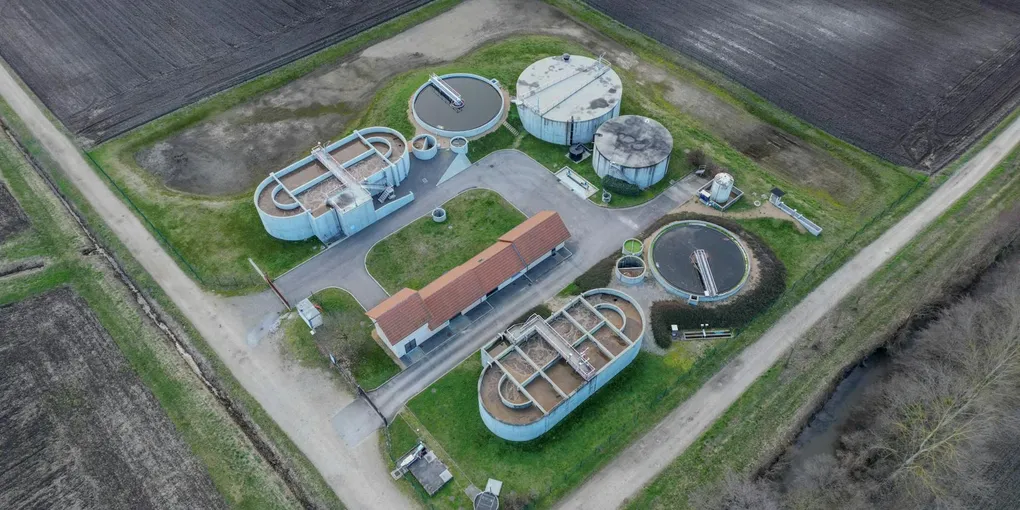
Septic tank pumping costs $275-$600 for a standard residential tank. Most 1,000-gallon tanks run $300-$450. A 1,500-gallon tank runs $400-$600. Pump every 3-5 years for a family of 4. Skip it and you risk a $3,000-$15,000 drain field replacement.
Frequently Asked Questions
How often should I pump my septic tank?
Every 3-5 years for a family of 4 with a 1,000-gallon tank. Larger tanks (1,500 gallons) stretch to 5-7 years. Smaller families pump less often; households that use garbage disposals or have water softeners pump more often. Never go more than 7 years without pumping regardless of family size — sludge accumulates and eventually damages the drain field.
What happens if I don't pump my septic tank?
Sludge fills the tank, solids carry into the drain field, and clay/biomat clogs the soil — permanently. Drain field replacement runs $3,000-$15,000+. You'll also notice slow drains, sewage odors, and occasionally sewage backups into the house. A $400 pumping every few years prevents all of this.
Does a septic tank cleaning cost more than pumping?
Yes. Pumping removes liquid and sludge ($275-$600). Full cleaning includes pressure-washing the tank interior and backflushing the inlet/outlet baffles ($400-$900). Full cleaning is only needed every 5-10 years or when a problem is diagnosed. Annual or triennial pumping is enough for normal maintenance.
Can I pump my own septic tank?
No. You need a specialized vacuum truck (8,000-gallon capacity), licensed disposal at a sewage treatment plant, and in most states a septic operator's license. DIY septic work is both illegal in most jurisdictions and practically impossible without the equipment. Hire a licensed contractor.
Will homeowners insurance cover septic tank replacement?
Usually no for wear-and-tear failures. Most policies exclude gradual damage. They may cover sudden failures — tree root invasion, vehicle collapse, flood damage — but only with specific endorsements. A separate 'service line' or equipment breakdown rider is a small premium for meaningful coverage on septic and sewer lines.
Septic tank pumping costs $300–$600 for a standard 1,000–1,500 gallon tank in 2026 — pump every 3–5 years to prevent $10,000+ system failures. Inspection at pumping time costs $100–$250 extra and is worth it. Signs you need immediate pumping: slow drains throughout the house, gurgling sounds, sewage smell near the drain field. Most pumping companies charge by tank size: 1,000 gal ~$300, 1,500 gal ~$400, 2,000 gal ~$500.
If your home isn’t on municipal sewer, your septic tank needs periodic pumping or it turns into a very expensive problem. Good news: pumping is the cheapest part of septic ownership. Skipping it is what creates $10,000 emergencies. This guide covers what pumping actually costs, what’s included in a real quote, and signs your tank needs service sooner than the calendar says.
Septic tank pumping cost at a glance
| Tank size | Typical pumping cost | Full cleaning cost |
|---|---|---|
| 500 gallons | $200 – $325 | $350 – $500 |
| 750 gallons | $250 – $400 | $375 – $575 |
| 1,000 gallons (standard) | $300 – $450 | $450 – $650 |
| 1,250 gallons | $350 – $500 | $500 – $750 |
| 1,500 gallons | $400 – $600 | $600 – $900 |
| 2,000+ gallons | $500 – $800+ | $750 – $1,100 |
National average: $275-$600 for standard residential pumping. Most households on 1,000-gallon tanks pay $300-$450 every 3-5 years.
What’s included in a fair pumping quote
A reputable septic pumper should include these services in the base price:
- Tank locating — finding access lids if you don’t know where they are ($0-$75)
- Uncovering access lids — typically one round trip with shovel
- Measuring sludge and scum levels before pumping
- Pumping liquid + solid waste — full tank contents removed
- Backflushing — brief reverse flow to dislodge baffle buildup
- Visual inspection of inlet and outlet baffles
- Waste disposal — hauling to a licensed treatment facility (included)
- Written report with tank size, levels, recommended next service
Watch for quotes that exclude disposal fees — some operators charge an extra $50-$150 at the end for disposal. Get the all-in price upfront.
Cost drivers
Tank size
Tanks are sized to home bedrooms:
- 1-2 bedrooms: 750-1,000 gallon tank
- 3 bedrooms: 1,000-1,250 gallon tank (most common)
- 4 bedrooms: 1,250-1,500 gallon tank
- 5+ bedrooms: 1,500-2,000 gallon tank
Larger tanks cost more to pump (more volume to haul) but need pumping less often.
Location and access
- Lid access at grade: Standard pricing. Pumper pulls truck close to tank, hits the lid with the suction hose.
- Lid buried 12-24 inches: $75-$150 extra for excavation.
- Lid buried deeper: $150-$400 to excavate. Consider installing riser extensions ($150-$400) to bring lids to grade — pays for itself in 2-3 pumpings.
- Driveway/yard too soft for truck: Some pumpers refuse; others bring longer hoses at +$75-$150.
- Very long hose runs (100+ feet): +$50-$150.
Regional variation
| Region | Typical 1,000-gal tank pump |
|---|---|
| Northeast | $350 – $550 |
| Southeast | $250 – $400 |
| Midwest | $275 – $425 |
| Mountain West | $350 – $500 |
| West Coast | $400 – $650 |
| Rural/Remote | $450 – $700 (travel surcharge) |
Remote properties pay mileage fees — typically $2-$5/mile beyond 25-30 miles from the pumper’s base.
Additional services and add-ons
| Service | Cost |
|---|---|
| Riser install (brings lid to grade) | $150 – $400 per lid |
| Effluent filter cleaning | $50 – $150 |
| Effluent filter replacement | $80 – $250 |
| Baffle repair | $150 – $450 |
| Full inspection with camera | $275 – $600 |
| Dye test | $100 – $250 |
| Sludge reduction additive (bio/enzyme) | $30 – $80 per year |
| Emergency / same-day service | +50% to +100% |
How often to pump
The EPA recommends pumping every 3-5 years for average households. The actual schedule depends on:
| Household | Tank size | Interval |
|---|---|---|
| 1-2 people, 1,000-gal | 1,000 gal | 5-7 years |
| Family of 4, 1,000-gal | 1,000 gal | 3-5 years |
| Family of 4, 1,500-gal | 1,500 gal | 4-6 years |
| Family of 6+, 1,500-gal | 1,500 gal | 2-4 years |
| Garbage disposal users | Any size | Every 1-2 years sooner |
| Water softener wastewater | Any size | Every 1-2 years sooner |
| Heavy laundry use (3+/day) | Any size | Every 1-2 years sooner |
The single best maintenance habit: get it inspected + pumped every 3 years regardless of how the tank “looks.” You don’t see inside a septic tank unless something’s gone badly wrong, and by then it’s a drain field problem.
Signs your tank needs pumping now
- Slow drains throughout the house, not just one fixture
- Gurgling sounds from toilets or sinks
- Sewage odor in the yard, especially over the tank or drain field
- Lush green grass over the drain field (fertilizing from leaking effluent)
- Standing water or soggy ground over the drain field
- Sewage backups into lower drains (showers, tubs, floor drains)
- It’s been 5+ years since the last pumping, regardless of symptoms
Any of these warrant a call today, not next week. Backed-up septic damages flooring, drywall, and drain fields fast.
What septic pumping doesn’t fix
Pumping removes sludge and scum — it doesn’t fix mechanical or soil problems:
- Root intrusion: Requires mechanical cutting ($250-$600) or repair.
- Broken baffles: Structural repair ($300-$800).
- Cracked tank or lid: Replacement parts ($200-$1,500).
- Failed drain field: Pumping delays failure but doesn’t reverse it. Full replacement: $3,000-$15,000+.
- Biomat saturation: Only time, rest periods, and sometimes chemical remediation help. Drain field replacement often required.
A reputable pumper will flag these issues during service. If something’s wrong, get a second opinion before committing to major repairs.
Drain field replacement cost (the cost of not pumping)
When a drain field fails from neglect, replacement is the usual remedy:
| Drain field type | Typical cost |
|---|---|
| Conventional gravity drain field | $3,000 – $10,000 |
| Pressure-dose drain field | $5,000 – $12,000 |
| Mound system | $10,000 – $25,000 |
| Aerobic treatment unit (ATU) | $12,000 – $20,000 |
| Full system replacement (tank + field) | $15,000 – $30,000+ |
Compare: 25 years of every-3-year pumping at $400 = $3,600. Skipping those pumpings to “save money” is how homeowners end up with a $15,000 surprise. Pumping is the cheapest insurance on your largest utility system.
Septic-safe habits that extend pumping intervals
Water use:
- Fix leaks promptly — a running toilet adds 200 gallons/day to your tank.
- Spread laundry across the week instead of 6 loads on Saturday.
- Install low-flow fixtures — low-flow showerheads and dual-flush toilet conversion kits cut septic load 30-40%.
What never goes down the drain:
- Fats, oils, grease (FOG) — solidify and coat the tank interior
- Coffee grounds, egg shells, produce stickers
- Cat litter (even “flushable”)
- Paper products other than toilet paper (paper towels, wipes, feminine products)
- Paint, solvents, motor oil, pesticides
- Prescription drugs
Garbage disposals: Generally bad for septic systems. They double or triple solids entering the tank. If you must have one, pump twice as often.
Septic additives: Most are marketing. The EPA and state environmental agencies consistently find that normal bacterial activity is sufficient. Save the $30-$80/year and put it toward pumping.
DIY septic maintenance you can do
Pumping is strictly professional, but several related tasks are DIY:
- Locate and mark lids: Use a probe or locator rod to find buried lids. Mark them with a post so you never lose them.
- Install riser extensions: Septic tank riser kits bring lids to grade. $150-$400 per lid, saves $75-$150 per pumping forever.
- Check the effluent filter (if equipped): Most modern tanks have a removable filter on the outlet. Hose it off annually. Reduces solids to drain field.
- Keep drain field clear: No trees within 30 feet of the field, no heavy vehicles or structures over it, no plantings deeper than shallow grass/flowers.
- Clean household drain lines: Enzyme drain maintainers used monthly keep kitchen and bath drains clear without harming septic bacteria.
Red flags in pumping quotes
- Quoted price doesn’t include disposal fees — hidden costs at the end
- Very cheap price (under $200 for a 1,000-gallon tank) — some operators illegally dump waste to cut costs
- No license or state certification — verify at your state’s environmental department
- Pressures you to buy annual additives or maintenance contracts — rarely cost-effective
- Can’t give you a written report with sludge and scum levels — you need this record for future service decisions
- Wants cash only — reputable companies accept cards and provide receipts
Getting a good pumping service
- Get the tank size and last pumping date ready when you call.
- Ask for a written quote with disposal included.
- Request a written inspection report with recommendations.
- Pump every 3-5 years even without symptoms — it’s the cheapest insurance on the system.
- Keep a septic log with dates, contractor name, sludge levels, any recommendations. Makes selling the house easier too.
Regional Septic Tank Pumping Cost Variations
| Region | 1,000-Gallon Tank | 1,500-Gallon Tank | Pump + Inspection + Filter Service |
|---|---|---|---|
| Northeast (NY, MA, NJ) | $375–$600 | $500–$800 | $600–$1,200 |
| Mid-Atlantic (DC, MD, VA) | $325–$550 | $450–$750 | $550–$1,100 |
| Southeast (FL, GA, TX) | $250–$425 | $350–$600 | $425–$900 |
| Midwest | $275–$450 | $375–$625 | $450–$950 |
| Pacific (CA, WA, OR) | $350–$575 | $475–$775 | $575–$1,150 |
Prices include pumping, hauling, and standard inspection. Emergency/after-hours service adds 50–100%. Tank access difficulty (buried lids, deep tanks) adds $50–$150.
Septic Service Provider Comparison
| Service Type | Best For | Cost Level | Notes |
|---|---|---|---|
| Local licensed septic pumper | Best value; knows local regulations | Low–Moderate | Established local companies know county requirements, inspection standards, and field conditions |
| Roto-Rooter | Convenience; 24/7 emergency service | Moderate–High | National brand; good for emergencies; premium pricing vs. local competitors |
| Mr. Rooter | Convenience; national franchise | Moderate–High | Similar profile to Roto-Rooter; flat-rate pricing model |
| Wind River Environmental | Large tank service; commercial; Northeast | Moderate | Significant regional player in New England; handles complex and large systems |
| Ben Franklin Plumbing | Bundled plumbing + septic service | Moderate | Franchise model; good for homes needing both plumbing and septic work |
| County / municipal pumping programs | Some counties offer subsidized pumping | Low (subsidized) | Check with your local health department — some areas offer low-cost or free pumping for qualifying residents |
Local licensed septic pumpers consistently offer the best price-to-service ratio. They also know the county requirements for inspection reports and certification that real estate transactions require.
Questions to Ask Your Septic Service Company
-
Are you licensed by the state and county for septic waste hauling, and do you carry the proper manifests for waste disposal? — Septic waste is regulated as a Class B biosolid in most states. Haulers must be licensed by the state environmental agency and must complete a waste manifest documenting where the pumped material is disposed. Ask: “Are you licensed for septic waste hauling in this state, and can you provide a copy of the disposal manifest after the job?” Unlicensed haulers may dispose of waste illegally, creating liability for you as the property owner if the waste is traced back to your tank. Request the manifest number after the pumping is complete.
-
Will you perform a full tank inspection — inlet and outlet baffles, tank integrity, and distribution box — and provide a written report? — A pump-only service misses the maintenance information that makes septic pumping valuable. Ask: “Does your service include a visual inspection of the baffles, tank walls, and riser covers, and will you provide a written report?” Inlet and outlet baffles guide waste flow into and out of the tank — deteriorated baffles are the most common septic system failure and cost $150–$400 to replace when caught early vs. thousands in drain field damage if missed. A written report gives you documentation for the home sale disclosure and a baseline for the next service.
-
What is the current sludge depth and scum layer thickness, and when do you recommend the next pumping? — These measurements tell you how quickly your tank fills relative to household usage. A 1,000-gallon tank with 40 inches of sludge (tank is about half full) on a 3-year schedule suggests a 4–5 year pumping interval is appropriate. A tank that’s 80% full after 3 years needs more frequent service. Ask: “What is the current sludge and scum level, and based on that, what interval do you recommend?” This is the key output of a professional pumping — a technician who doesn’t measure and can’t give you a specific recommendation is not providing a complete service.
-
Will you locate and expose both tank lids, and is lid access or extension installation included in the price? — Most tanks have two lids (inlet and outlet) and must be pumped from both ends for thorough sludge removal. Lids buried more than 8–12 inches below grade require excavation. Ask: “Do you locate and expose both lids, and is that included in the quoted price?” Also ask: “Do you recommend riser installation?” Concrete risers bring tank lids to grade, eliminating excavation on every future pumping — they cost $200–$500 to install and save $50–$150 on every subsequent pumping. Many older tanks have buried lids; risers are the clear ROI-positive upgrade.
-
Is the effluent filter included in the service, and what additive products do you recommend — or not? — Many tanks installed since 2000 include an effluent filter on the outlet baffle that screens solids from entering the drain field. This filter must be cleaned or replaced at every pumping. Ask: “Does my tank have an effluent filter, and is cleaning it included in today’s service?” Also ask: “Do you recommend any additives or bacteria treatments?” The honest answer from a knowledgeable technician: no additive has demonstrated benefit in independently tested septic systems — your tank already has the bacteria it needs. A company that heavily pushes additives as upsells is optimizing for revenue, not your system’s health.
Related Reading
- Water Heater Replacement Cost
- Sump Pump Installation Guide
- How to Unclog a Toilet
- Basement Waterproofing Cost
- Annual Home Maintenance Schedule
- Home Inspection Cost
Bottom line
Septic pumping costs $275-$600 for standard residential tanks. Budget $300-$450 every 3-5 years for a typical 1,000-gallon tank serving a family of four. This single maintenance task prevents the vastly larger cost of drain field failure, which ranges from $3,000 to $15,000+. Find a licensed local pumper, get a written quote with disposal included, and put the next service date on your calendar before they leave the driveway.
Free: 10-Point Home Maintenance Checklist
Prevent costly repairs with this seasonal checklist. Save hundreds every year by catching problems early.
Your checklist is ready!
Open Checklist →Something went wrong. View the checklist here.